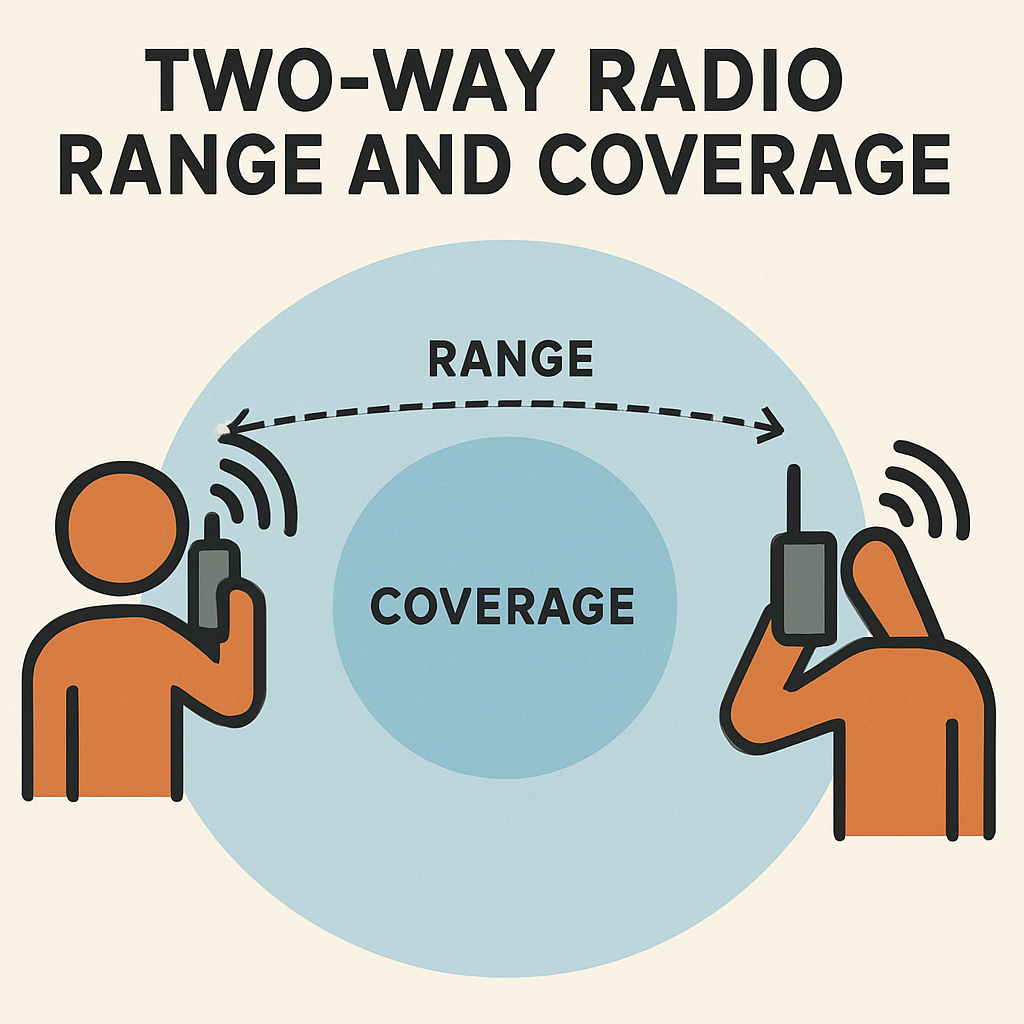
-
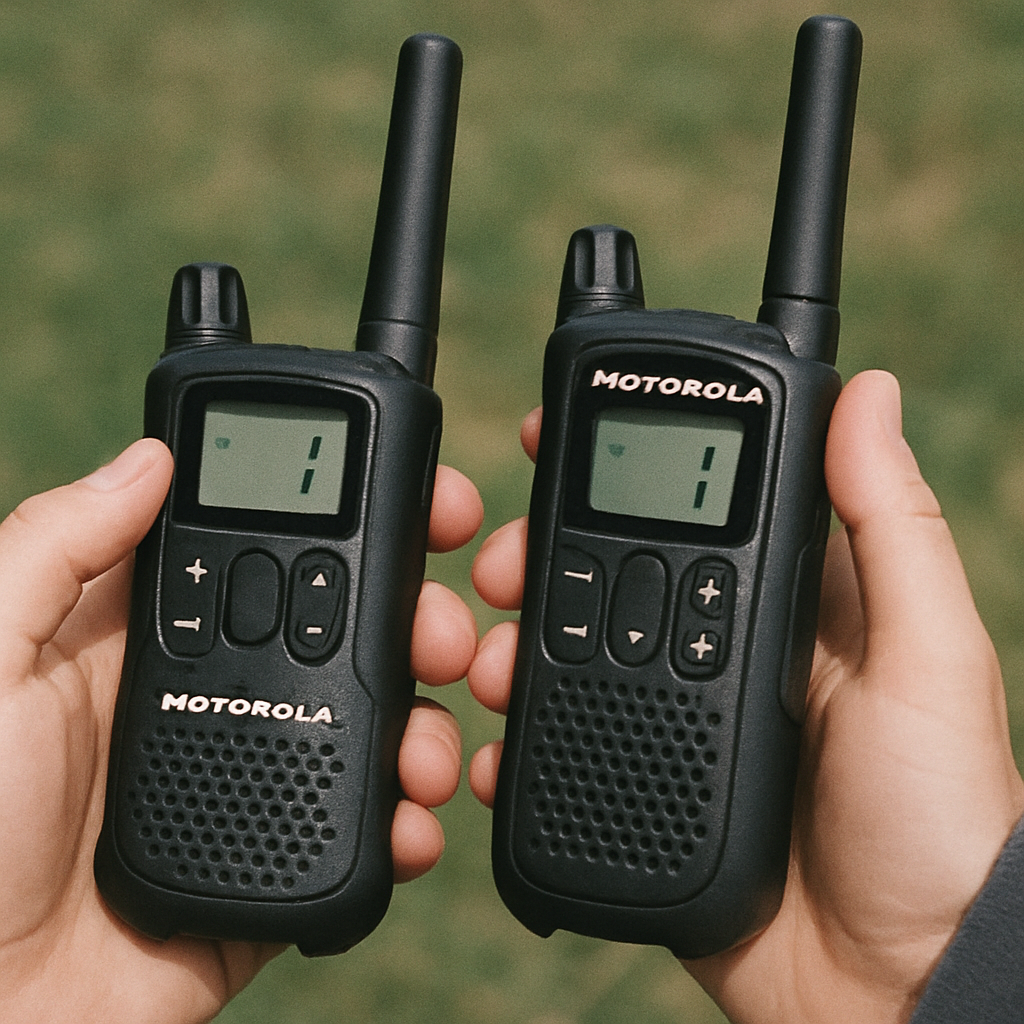
Motorola Walkie Talkies: Features and Benefits
In today’s fast-paced world, reliable communication is essential, whether you’re coordinating a large event, exploring the great outdoors, or managing a construction site. Motorola walkie talkies offer a versatile solution to meet your communication needs with their range of features and benefits. Let’s explore what makes these two-way radios a valuable tool for various settings. Motorola walkie talkies are renowned for their exceptional range and clarity. With the ability to communicate over several miles, these devices ensure that you’re always in touch, even in challenging environments. The advanced technology in Motorola radios reduces interference, providing clear audio quality that is crucial during critical communications. Durable and Weather-Resistant Design One of the standout features of Motorola two-way radios is their rugged design. Built to withstand harsh conditions, these walkie talkies are both dustproof and water-resistant, making them ideal for outdoor adventures or demanding work environments. Whether you’re hiking through a national park or working on a construction site, you can rely on Motorola walkie talkies to perform under pressure. Long Battery Life When you’re out in the field, the last thing you need to worry about is your communication device running out of power. Motorola walkie talkies are equipped with long-lasting batteries that ensure you stay connected throughout the day. Some models also feature power-saving modes and rechargeable battery options, providing flexibility and convenience. Easy-to-Use Features Motorola radios are designed with user-friendliness in mind. With intuitive controls and simple interfaces, these walkie talkies are easy to operate, even for beginners. Many models include features such as VOX (voice-activated transmission), allowing for hands-free communication, which is particularly useful in situations where you need to multitask. Wide Range of Models Motorola offers a wide range of walkie talkie models to suit different needs and budgets. Whether you require a basic model for casual use or a high-tech device for professional applications, there’s a Motorola radio to fit your requirements. From compact designs for portability to robust models for industrial use, the diversity of options ensures that you find the perfect match for your specific needs. Enhanced Security For those who require secure communications, Motorola walkie talkies come equipped with privacy codes and encryption features. These security measures prevent eavesdropping and ensure that your conversations remain confidential. This feature is particularly beneficial in professional settings where sensitive information is exchanged. In conclusion, Motorola walkie talkies are a reliable and efficient communication tool suitable for various applications. With features like exceptional range, durability, long battery life, and user-friendly operation, these two-way radios are designed to meet the demands of both casual users and professionals. Whether you’re exploring the wilderness or managing a team, Motorola walkie talkies provide the seamless communication you need to stay connected.
-
Next Radios Explained The Future of Two-Way Communication
In an era where communication technology is rapidly advancing, the next generation of radios—commonly known as “next radios”—is set to revolutionize two-way communication. As we delve into the future of radio technology, it’s vital to understand how these innovations will shape our ability to connect instantly and reliably. Radio communication has come a long way since its inception in the early 20th century. Initially used for broadcasting news and music, radio technology has continuously evolved to meet the demands of modern communication needs. From AM and FM to digital and satellite radios, each advancement has brought more clarity, range, and functionality. From Analog to Digital Analog radio, once the standard, has been largely replaced by digital technology. Digital radios offer superior sound quality and more efficient use of the radio spectrum, allowing more channels and features. This shift marks a significant milestone in radio evolution, paving the way for the next generation of devices. The Role of Internet and Satellite Radio The introduction of internet and satellite radios further expanded the capabilities of traditional radio systems. These technologies allow users to access a vast array of content from around the globe, breaking the limitations of geographic boundaries and enhancing user experience. What Are Next Radios? Next radios represent the cutting edge of two-way communication technology. They incorporate advanced features such as improved signal processing, integrated GPS, and enhanced connectivity options. These radios are not just about transmitting voice; they are about creating a seamless communication experience. Key Features of Next Radios The Impact on Industries Next radios are set to transform several industries by improving communication efficiency and safety. Here are a few examples: Public Safety In emergency situations, reliable communication can be a matter of life and death. Next radios provide first responders with robust and dependable communication tools, enhancing coordination and response times. Transportation For the transportation sector, next radios offer improved communication between drivers and dispatchers. This ensures smooth operations and enhances safety protocols, particularly in logistics and public transport systems. Outdoor Recreation For adventurers and outdoor enthusiasts, next radios offer peace of mind with features like GPS tracking and long-range communication. Whether hiking in the mountains or sailing at sea, staying connected is easier than ever. The Future of Two-Way Communication by Jan Antonin Kolar (https://unsplash.com/@jankolar) As we look to the future, the role of next radios in two-way communication is expected to grow even further. Here are some trends that will likely shape the landscape:…
-
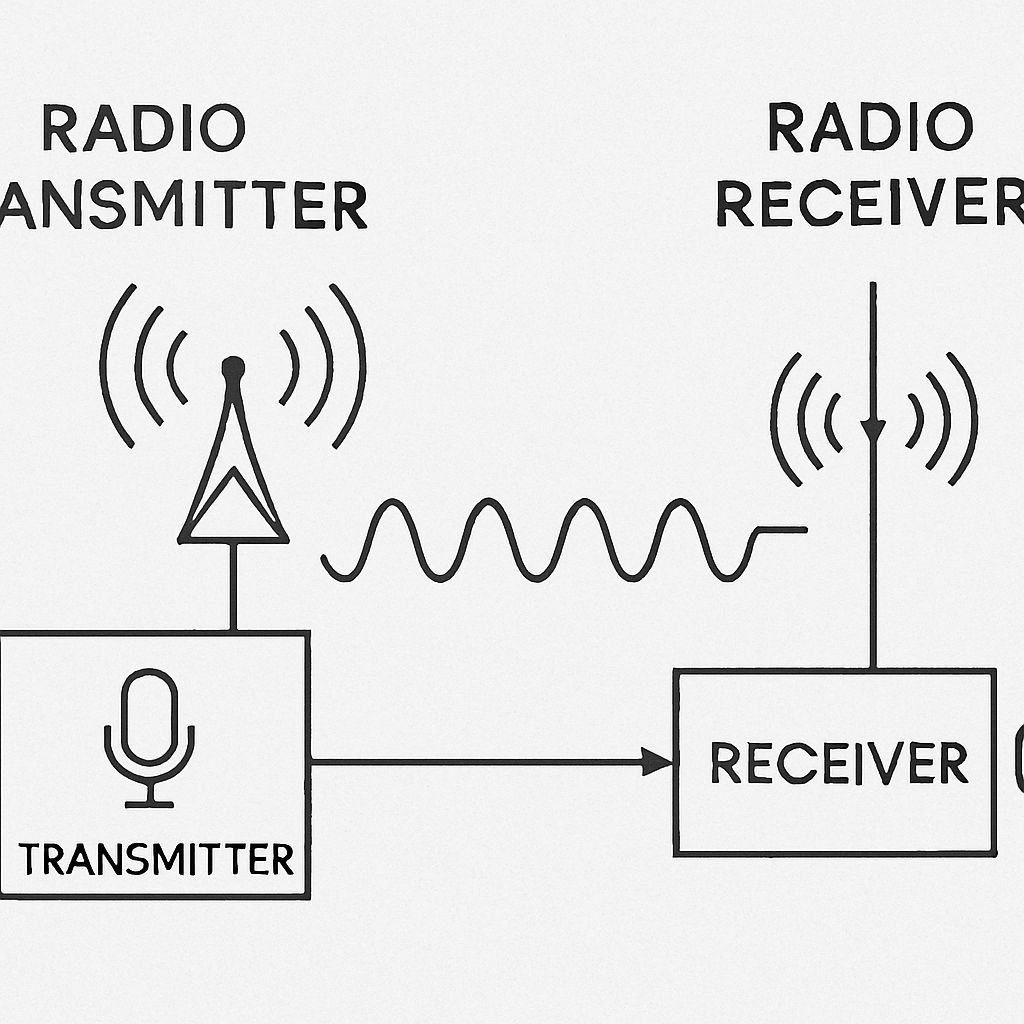
What Is Radio to Radio Communication? and How Does It Work?
Radio communication is not just about sending and receiving messages; it’s about bridging gaps between individuals, communities, and even continents. It offers a unique blend of simplicity and sophistication, making it accessible to hobbyists and essential for professionals in various fields. Understanding how radio waves work and their applications can provide valuable insights into both the historical significance and future potential of radio technologies. At the heart of radio to radio communication are radio waves. These are a type of electromagnetic wave, similar to light waves but with much longer wavelengths. Radio waves can travel long distances, making them perfect for communication. They are capable of traversing through the atmosphere, bouncing off surfaces, and even penetrating certain materials, which is why they are so effective for both short-range and long-distance communication. Radio waves are not just vital for communication but also play a crucial role in various technologies, including radar, navigation, and even astronomy. By studying these waves, scientists can learn more about the universe, from understanding weather patterns to exploring outer space. The ability to manipulate and utilize radio waves has led to countless innovations and continues to be a field of active research and development. How Radio Waves Are Generated Radio waves are produced by a transmitter, which is an electronic device that uses an antenna to send out these waves. The transmitter modulates the radio waves to carry information, such as voice or data, over the air. This modulation process is essential as it allows the encoding of information onto the wave, whether it be a simple voice transmission or complex digital data. The generation of radio waves involves converting electrical signals into electromagnetic waves, a process that requires precise electronic components and engineering. Transmitters can vary greatly in size and power, from small handheld devices to massive broadcast stations. Each is designed to meet specific needs, whether it’s for personal communication, broadcasting to millions, or scientific measurement and research. The Role of Frequency Every radio wave has a specific frequency, measured in hertz (Hz). The frequency determines the wave’s position in the electromagnetic spectrum and influences how the wave behaves. Higher frequencies, for example, can carry more data but have a shorter range. This is why different frequencies are allocated for different purposes, such as AM/FM broadcasting, emergency services, or military communication. Frequency also affects how radio waves interact with the environment. For instance, lower frequencies can penetrate through obstacles and bend over the horizon, making them ideal for long-range communication. Meanwhile, higher frequencies may require a line of sight but can transmit more data, which is crucial for modern digital communication systems. Understanding frequency is key to optimizing radio communication for various applications. Components of Radio Communication To understand how radio communication works, let’s take a look at its key components: the transmitter, receiver, and antenna. Each of these components plays a critical role in the communication process, ensuring that the transmitted signal is accurately sent, received, and interpreted. Together, they form a system that can range from simple, handheld radios to complex networks of broadcasting stations. Understanding each part’s function helps in troubleshooting issues and improving communication efficiency. The Transmitter A transmitter is responsible for generating and sending out radio waves. It takes the audio or data signal and modulates it onto a radio wave. This modulation can be in various forms, such as amplitude modulation (AM) or frequency modulation (FM). The choice of modulation technique can affect the quality and range of the transmission, with each method having its strengths and weaknesses. Transmitters are designed to match the intended use, whether for personal communication, broadcasting, or specialized applications like aviation or maritime communication. Advances in technology have made transmitters more efficient, compact, and versatile, allowing for better quality transmission over larger distances. The development of digital transmitters has further enhanced the clarity and reliability of radio communication. The Receiver The receiver is the device that picks up the radio waves sent by the transmitter. It uses an antenna to capture the waves and a tuner to select the desired frequency. The receiver then demodulates the signal, turning it back into audio or data that can be understood. This process is crucial for ensuring that the information is accurately received without distortion or loss. Receivers have evolved significantly, from basic crystal radios to sophisticated digital receivers that can handle multiple signals simultaneously. Modern receivers often incorporate digital signal processing (DSP) to improve signal clarity and reduce interference. The ongoing development in receiver technology continues to enhance the capabilities and applications of radio communication. The Antenna The antenna plays a crucial role in both transmitting and receiving radio waves. It converts electrical signals into radio waves when transmitting and does the opposite when receiving. The design and size of an antenna can greatly affect the range and quality of communication. A well-designed antenna can enhance signal strength, reduce interference, and ensure clear communication over long distances.…
-
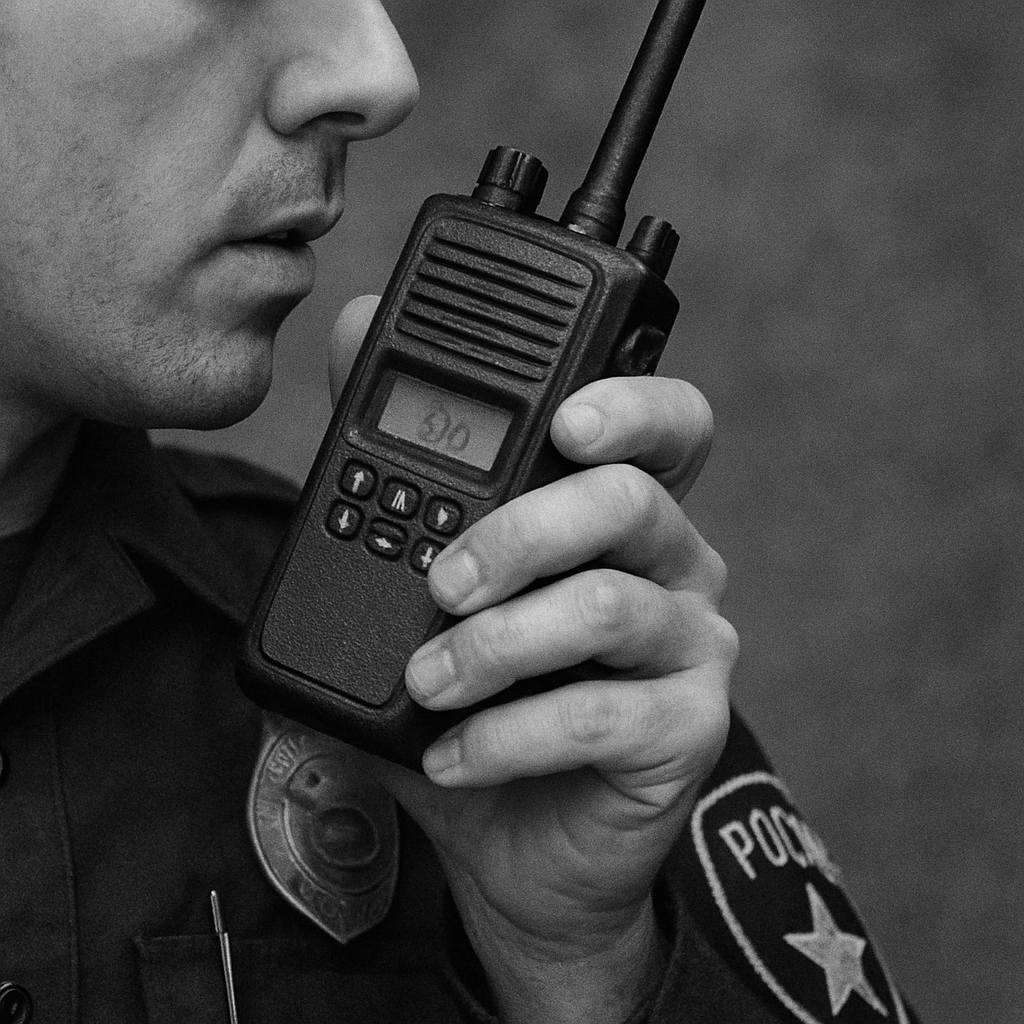
What Are Police Radios and How Do They Work?
When you think about the tools that are essential for law enforcement, police radios are likely near the top of the list. These devices are crucial for maintaining communication and coordination among officers, especially during emergencies. But what exactly are police radios, and how do they work? In this article, we’ll delve into the world of police radios, explaining their purpose, functionality, and significance in law enforcement. Understanding Police Radios Police radios are a type of two-way radio used by law enforcement agencies to communicate with officers in the field. They allow for real-time communication, which is vital for coordinating responses, sharing information, and ensuring officer safety. Unlike regular radios that only receive signals, two-way radios can both send and receive messages, making them indispensable in situations where quick and clear communication is necessary. Types of Police Radios There are several types of police radios, each serving different needs: How Do Police Radios Work? Police radios operate on specific radio frequencies allocated for public safety communications. These frequencies are part of the VHF (Very High Frequency) and UHF (Ultra High Frequency) bands, allowing for clear communication over long distances. Radio Frequency Bands Trunked Radio Systems Many police departments use trunked radio systems to manage their communications. A trunked system allows multiple users to share a small number of radio frequencies efficiently. When an officer keys the microphone to speak, the system automatically assigns a frequency, ensuring seamless communication without interference. Encryption and Security To ensure that police communications remain private and secure, many radio systems use encryption. Encryption prevents unauthorized individuals from listening in on police communications, protecting sensitive information and enhancing officer safety. The Importance of Police Radios in Emergencies In emergencies, communication is crucial. Police radios enable officers to coordinate responses quickly and efficiently. Whether it’s a high-speed chase, a natural disaster, or a medical emergency, police radios ensure that officers can communicate effectively to manage the situation. Real-Time Communication Real-time communication is one of the most significant advantages of police radios. Officers can instantly relay information, request backup, or update their status, which is essential in rapidly evolving scenarios. Coordination and Collaboration In large-scale emergencies, different agencies often need to work together. Police radios facilitate inter-agency communication, allowing for better coordination and collaboration. This capability is vital for ensuring a unified response during incidents involving multiple jurisdictions. Challenges and Limitations While police radios are indispensable, they do have some challenges and limitations:…
-
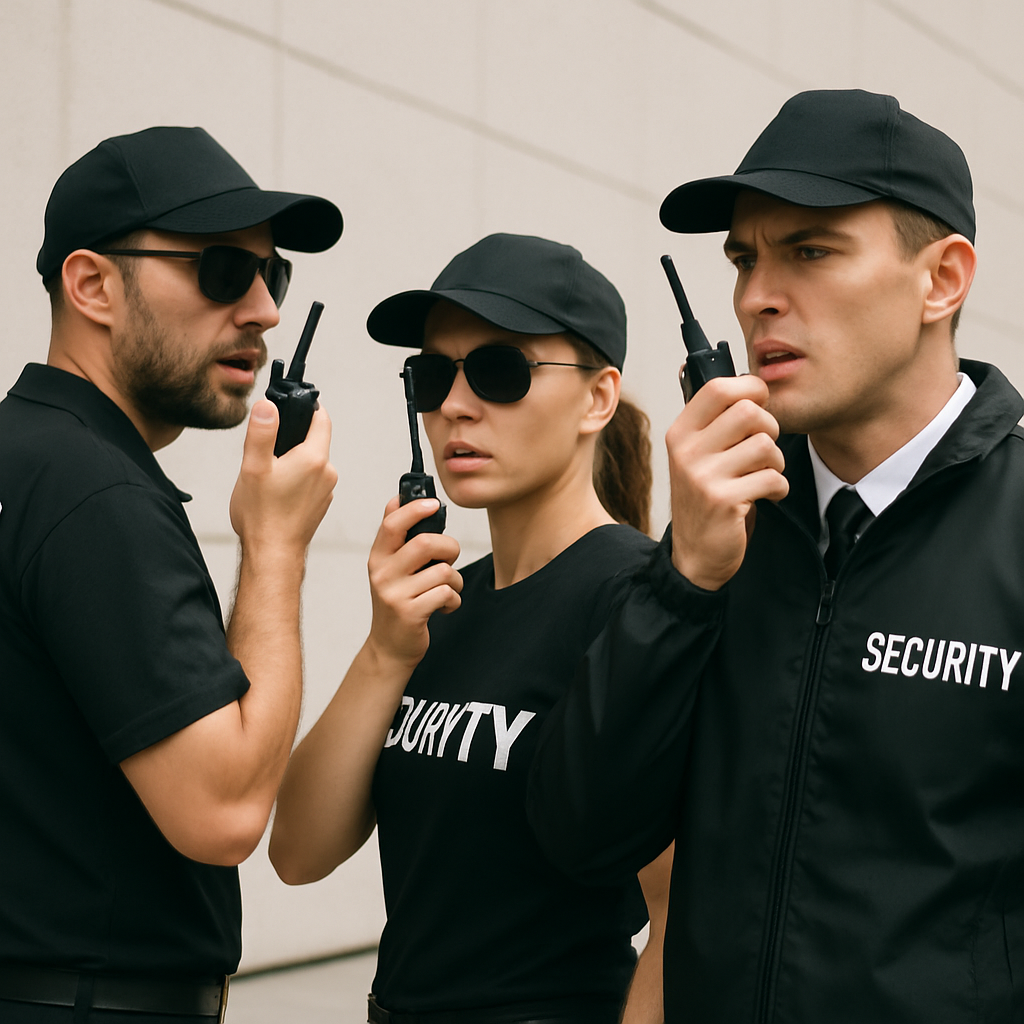
How Security Radios Improve Response Time and Coordination
Recently, maintaining safety and security is paramount. Whether it’s at a bustling event, a corporate office, or a large shopping mall, security teams need effective communication tools to ensure swift response and optimal coordination. Enter security radios—an essential tool in the arsenal of security personnel. These devices, commonly known as security walkie talkies or security two-way radios, significantly enhance response times and improve team coordination. In this article, we’ll dive deep into how these radios benefit security teams, what features to look for, and how they can elevate the safety of any environment. The Role of Security Radios in Modern-Day Security Enhancing Communication Security radios are more than just communication devices; they are lifelines that keep security teams connected. Unlike mobile phones, which rely on cellular networks, security radios operate on dedicated frequencies, ensuring clear and uninterrupted communication. This is crucial in emergency situations where every second counts. Real-Time Coordination With security radios, teams can coordinate in real-time, sharing vital information quickly. For instance, if a security guard spots suspicious activity, they can instantly alert their team, allowing for a rapid and coordinated response. This real-time communication is invaluable in preventing incidents or managing them effectively should they occur. Increased Coverage and Reliability Security radios are designed to cover extensive areas, making them ideal for large venues such as stadiums, shopping malls, or industrial complexes. Their robust design ensures they remain operational even in challenging environments, ensuring that security teams are always connected. Key Features to Consider in Security Radios When selecting the best security walkie talkie with earpiece or secure two-way radio, several features should be considered: Range and Clarity The best radios for security teams offer a long range and clear audio quality. This ensures that messages are received without distortion, even in noisy environments. It’s essential to choose radios with a range that suits the specific needs of the venue or locati0n. Durability and Weather Resistance Security work often involves exposure to the elements, so it’s crucial to choose radios that can withstand rain, dust, and rough handling. Look for models that are water-resistant and have a rugged build to ensure longevity. Battery Life Long-lasting battery life is a must for security radios. Security personnel often work long shifts, so it’s vital to have a radio that can last throughout the day without needing frequent recharges. Earpiece Compatibility An earpiece is a valuable addition to security radios, allowing for discreet communication. This is particularly important in situations where stealth is required, such as monitoring potential threats without alerting them. The Best Radios for Security Guards…
-

Radio Communication Basics A Beginners Guide
In an age of digital communication, radio communication remains a reliable and essential tool for many industries and hobbies. Whether you’re a beginner looking to understand how to use a two-way radio or someone interested in the science of radio waves, this guide will introduce you to the basics of radio communication. Understanding Radio Waves Radio communication relies on radio waves, a type of electromagnetic wave. These waves are used to transmit information over long distances without the need for wires. What Are Radio Waves? Radio waves are part of the electromagnetic spectrum, which also includes visible light, microwaves, and X-rays. They are produced by the movement of charged particles and can travel through the air, vacuum, and even some solid materials. How Do Radio Waves Work? Radio waves carry signals by varying their amplitude, frequency, or phase. A transmitter sends these waves, and a receiver picks them up, converting them back into sound or data. Frequency and Its Importance Frequency, measured in hertz (Hz), is the number of times a wave oscillates per second. In radio communication, different frequencies are used for different types of transmissions. Understanding frequency is crucial for choosing the right channel and ensuring clear communication. The Basics of Radio Communication Radio communication involves a transmitter, receiver, and antenna. Here’s a closer look at these components: The Transmitter The transmitter generates radio waves and sends them out through an antenna. It modulates the waves to carry the information you want to transmit. The Receiver The receiver captures the radio waves sent by the transmitter. It then demodulates these waves to retrieve the transmitted information. The Antenna The antenna is essential for both sending and receiving radio waves. It converts electrical signals into radio waves and vice versa. Two-Way Radios: An Introduction Two-way radios, often called walkie-talkies, are portable devices that allow for radio to radio communication. They are used in various settings, from construction sites to outdoor adventures. How Two-Way Radios Work…
-
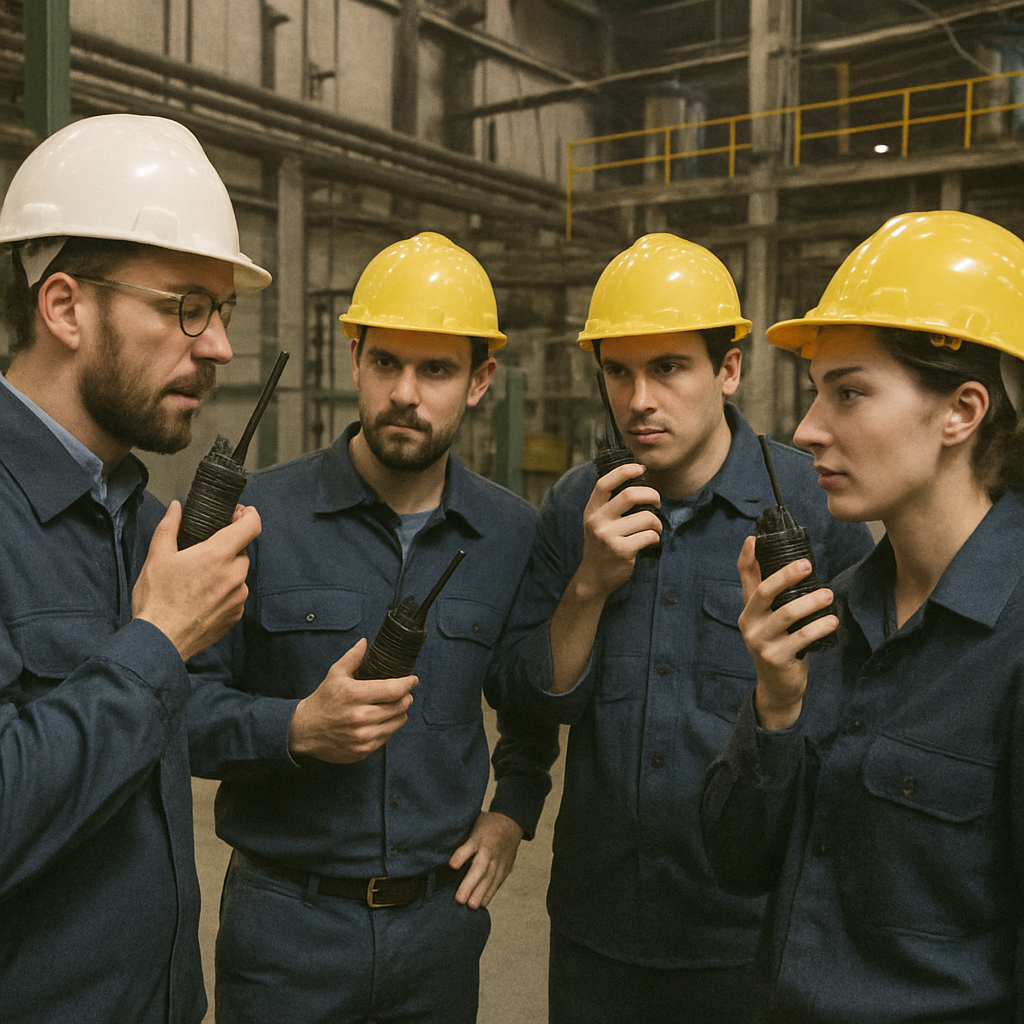
Construction Radios Reliable Communication for Job Sites
In the bustling world of construction, clear and reliable communication is critical. Whether it’s coordinating tasks, ensuring safety, or simply keeping the team connected, communication tools are indispensable. One of the most effective solutions in this environment is the construction radio. In this article, we’ll explore the significance of construction radios, their benefits, and what to look for when choosing the best two-way radios for construction sites. Construction radios are more than just communication tools; they are lifelines that ensure seamless operation on job sites. As construction projects grow in complexity and scale, the need for effective communication becomes even more pronounced. Radios bridge the gap between team members, regardless of their locati0n on the site, and facilitate a smooth workflow that keeps projects on track. Moreover, in an industry where time is money, minimizing delays caused by miscommunication can lead to significant cost savings. Radios help eliminate misunderstandings by providing a direct line of communication that is both immediate and reliable. This not only boosts productivity but also improves the overall morale of the workforce, as each team member feels informed and involved. In a fast-paced and often noisy construction environment, communication can be a challenge. Construction radios provide a reliable means of maintaining contact across the job site. They are essential for ensuring that everyone on the team is aware of their tasks, any changes in the schedule, and immediate safety concerns. For instance, if an unexpected hazard arises, workers can quickly alert their colleagues through their radios, preventing accidents and injuries. This instant communication can be life-saving and maintains the efficiency of operations. Regular safety updates can be broadcasted to all team members, ensuring that everyone is informed of potential risks and the necessary precautions. Effective communication also enhances coordination between different departments and teams working on the site. By using radios, project managers can quickly relay information about changes in plans or deadlines, ensuring that all teams are aligned and working towards the same goals. This coordination minimizes the risk of errors and rework, saving time and resources. Construction sites are filled with sounds from machinery, vehicles, and various tools. In such environments, shouting instructions is neither practical nor effective. Construction radios cut through the noise, providing a clear channel for communication over long distances and across large sites. The ability to communicate effectively over long distances is particularly crucial on expansive construction sites where team members may be spread out across large areas. Radios allow for real-time communication without the need for physical proximity, enabling more efficient task execution and problem-solving. Additionally, the use of specific frequencies helps avoid interference, ensuring that messages are clear and concise. Investing in high-quality radios with noise-cancellation features further enhances communication clarity. These radios filter out background noise, allowing team members to focus on the task at hand without being distracted by the surrounding cacophony. This feature is especially beneficial in high-stakes situations where clear communication is critical. With construction radios, teams can coordinate their efforts more efficiently. For example, a foreman can easily communicate with multiple teams at once, ensuring that everyone is on the same page and minimizing downtime. This efficient communication translates to enhanced productivity and smoother operations. The ability to quickly and easily disseminate information through radios can significantly reduce the time spent on resolving issues or clarifying instructions. This results in a more streamlined workflow and allows teams to focus on completing tasks efficiently. Moreover, radios enable instant feedback and updates, which are essential for adapting to the dynamic nature of construction projects. Radios also play a role in maintaining employee morale and motivation. By fostering an environment of open communication, team members feel more connected and engaged, which can lead to increased job satisfaction and productivity. In turn, this positive work culture contributes to the overall success of construction projects. Construction radios come in various forms, each designed to meet specific communication needs on the job site. Understanding the different types of radios available can help you choose the best option for your team and project requirements. Two-way radios, or walkie-talkies, are a staple on construction sites. They allow for direct communication between individuals or groups, making them perfect for coordinating tasks and managing teams. The best two-way radios for construction are rugged, durable, and capable of delivering clear audio even in challenging conditions. These radios are designed to withstand the harsh environments often encountered on construction sites. Features such as water resistance, dustproofing, and impact resistance ensure that they remain functional in various weather conditions and withstand the rigors of daily use. Additionally, two-way radios often come with multiple channels, allowing for dedicated communication lines for different teams or departments. The simplicity and reliability of two-way radios make them an indispensable tool for construction professionals. They are easy to use, with intuitive controls and interfaces that enable quick communication without the need for technical expertise. This ease of use ensures that all team members can operate the radios efficiently, minimizing communication barriers. While not used for direct communication, worksite stereos provide an essential morale boost by keeping the team entertained and motivated with music. Some worksite stereos also come with Bluetooth functionality, allowing workers to stream music or receive calls without disrupting their workflow. Music can have a positive impact on the work environment, helping to reduce stress and increase productivity. By providing background music, worksite stereos create a more enjoyable atmosphere that can improve team cohesion and motivation. The added functionality of receiving calls ensures that workers remain connected without having to switch between devices. Worksite stereos are typically designed to be durable and weather-resistant, ensuring that they can withstand the challenging conditions of a construction site. They often come with features such as extended battery life and robust sound quality, making them a valuable addition to any job site. Concrete structures can interfere with radio signals. Therefore, the best two-way radios for concrete buildings are designed to overcome this challenge, providing strong signals and clear communication despite obstructions.…
-

The Ultimate Guide to 2 Way Radios for Beginners
Navigating the world of two-way radios can seem daunting, especially for beginners. Whether you’re looking for a reliable communication tool for your business, outdoor adventures, or personal use, understanding the basics of two-way radios can significantly enhance your experience. This comprehensive guide will walk you through everything you need to know about 2-way radios, from selecting the right type to finding the best deals. Two-way radios, commonly known as walkie-talkies, are handheld devices used for voice communication. They operate on radio frequencies and allow users to transmit and receive voice messages over a certain distance. Unlike mobile phones, two-way radios do not rely on cellular networks, making them a reliable option in areas with poor cell reception. Key Features of Two-Way Radios Two-way radios come with a variety of features that can enhance their usability: Types of Two-Way Radios Understanding the different types of two-way radios can help you make an informed choice based on your needs: FRS and GMRS Radios Family Radio Service (FRS) and General Mobile Radio Service (GMRS) radios are popular for personal and recreational use. FRS radios are typically less powerful and do not require a license, while GMRS radios offer higher power and require an FCC license. Business Two-Way Radios Business two-way radios are designed for commercial use and are more robust and reliable. They often feature programmable channels, enhanced durability, and longer battery life, making them ideal for industries like construction, security, and hospitality. Industrial Two-Way Radios Industrial radios are heavy-duty devices built to withstand harsh conditions. They are often used in settings such as manufacturing plants and large-scale operations where reliable communication is critical. How to Choose the Right Two-Way Radio Determine Your Needs Consider the following factors when choosing a two-way radio: Consider the Features Look for features that match your specific needs, such as: Where to Buy Two-Way Radio Finding the right place to buy your two-way radio can ensure you get the best value for your investment. Here are some options: Online Retailers…
-
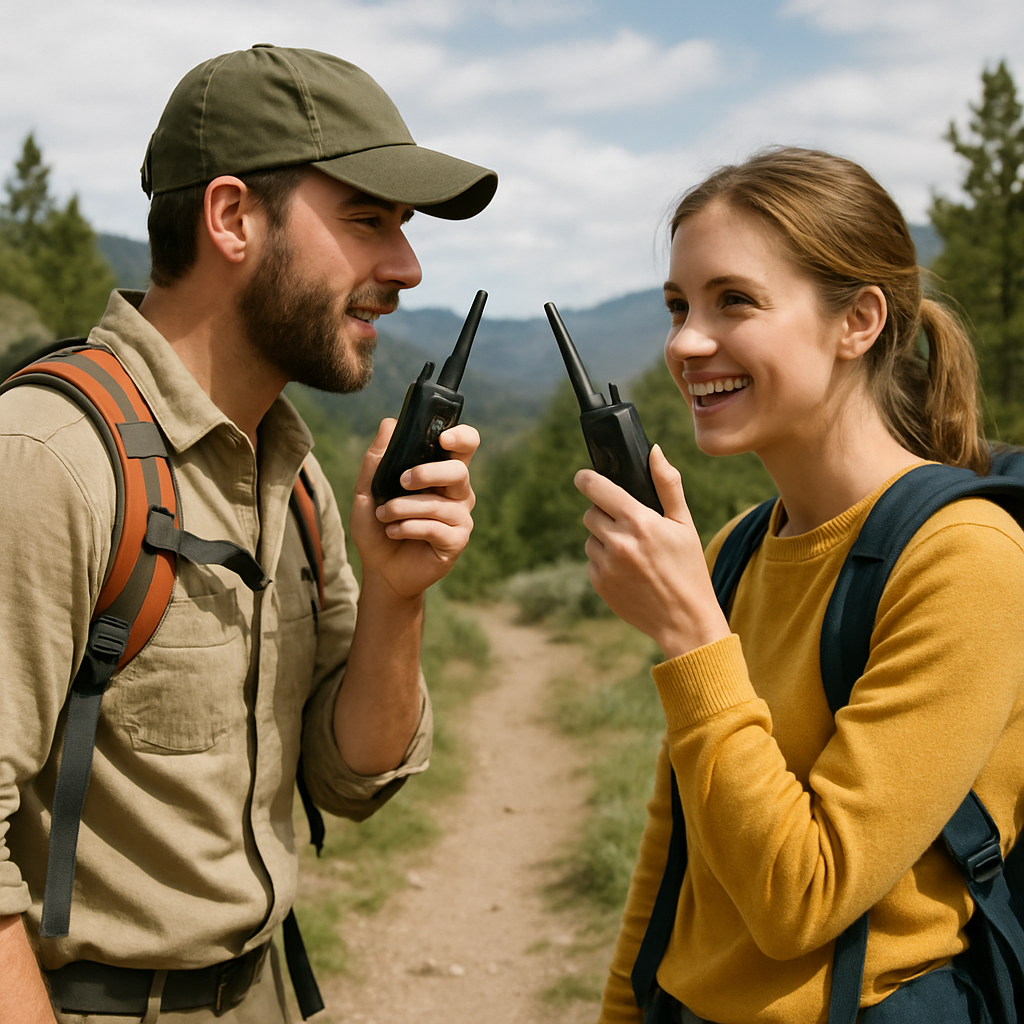
How Long Range Two-Way Radios Outperform Smartphones in Remote Areas
In today’s world, smartphones are ubiquitous, offering various functionalities that make them seem indispensable. Yet, when it comes to communication in remote areas, long range two-way radios often come out on top. They provide reliable, clear, and uninterrupted communication, even when you are far from the nearest cell tower. This article delves into the reasons why long range two-way radios outperform smartphones in remote settings. Two-way radios, often known as walkie-talkies, allow for direct communication between devices without needing a cell network. They are particularly popular in industries like construction, security, and outdoor adventures due to their dependability and extensive range. How Do Two-Way Radios Work? Two-way radios operate on radio frequencies, allowing users to send and receive messages over a designated channel. This direct line of communication means there are fewer chances of interference, making them ideal for remote locations where cell service is sparse or non-existent. The Advantage of Long Range The best long range two-way radios can transmit over several miles, with some commercial models capable of reaching up to 100 miles under optimal conditions. This extended reach is crucial in areas where terrain and distance can block cell signals. Key Benefits of Long Range Two-Way Radios Reliable Communication One of the major advantages of using long range two-way radios is their reliability. Unlike smartphones, which depend on cell towers, two-way radios use direct radio waves. This means you can communicate even in the most isolated areas without worrying about dropped calls or no service. Durability and Longevity Commercial two-way radios are built for rugged environments. They are designed to withstand tough conditions, including extreme weather, dust, and physical impacts. On the other hand, smartphones are more fragile and can easily become damaged in harsh outdoor settings. Cost-Effectiveness Once you purchase a set of two-way radios, there are no ongoing costs. You don’t have to worry about monthly plans or data charges, making them a cost-effective solution for businesses and outdoor enthusiasts who need reliable communication without the ongoing expense. Battery Life Two-way radios typically have a longer battery life compared to smartphones. Many models can last for several days on a single charge, which is crucial when you’re in remote areas without access to charging facilities. Use Cases for Long Range Two-Way Radios Outdoor Adventures For hikers, campers, and hunters, long range two-way radios are indispensable. They provide a reliable way to stay in touch with your group, ensuring everyone’s safety and coordination in the wilderness. Commercial and Industrial Use In industries such as construction, security, and event management, where workers are often spread out over large areas, two-way radios are essential. They allow for quick and clear communication, boosting efficiency and safety on the job.…