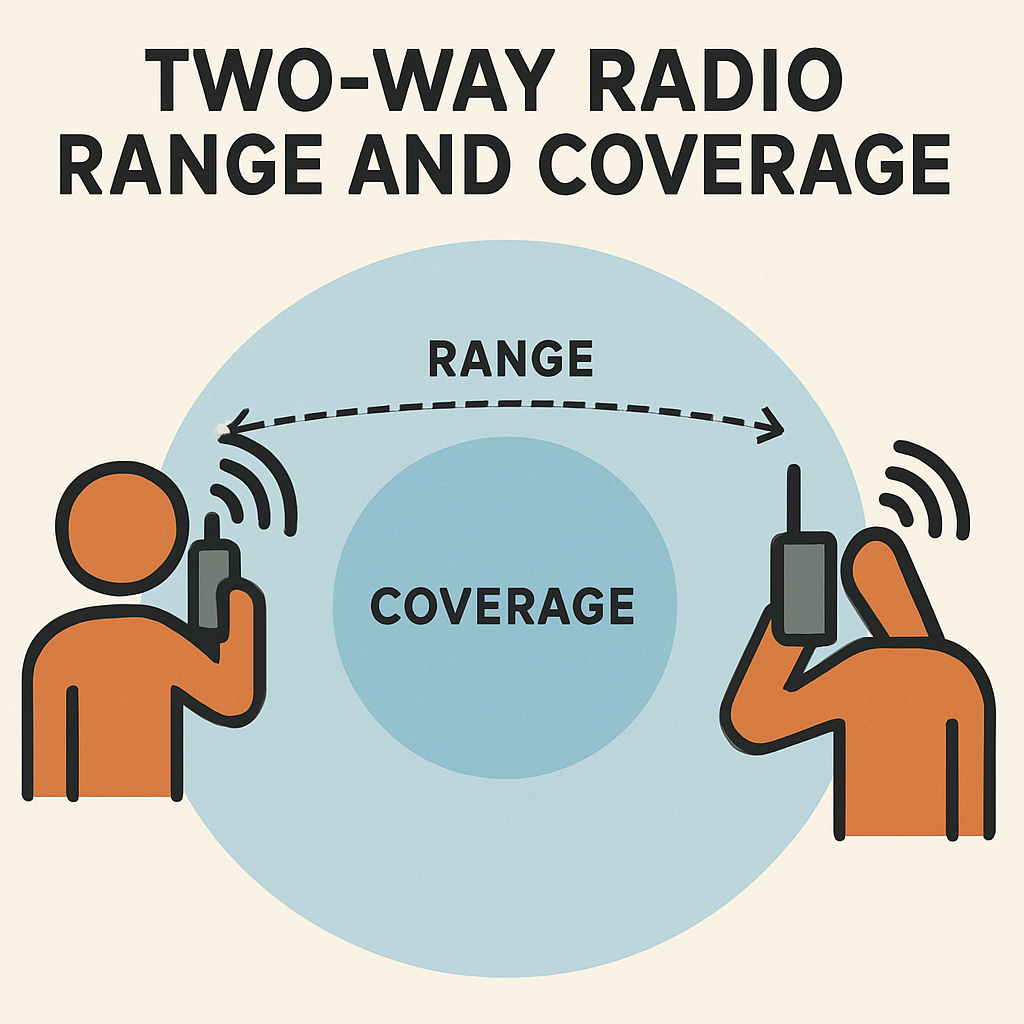
In an era where communication technology is rapidly advancing, the next generation of radios—commonly known as “next radios”—is set to revolutionize two-way communication. As we delve into the future of radio technology, it’s vital to understand how these innovations will shape our ability to connect instantly and reliably.

Radio communication has come a long way since its inception in the early 20th century. Initially used for broadcasting news and music, radio technology has continuously evolved to meet the demands of modern communication needs. From AM and FM to digital and satellite radios, each advancement has brought more clarity, range, and functionality.
From Analog to Digital
Analog radio, once the standard, has been largely replaced by digital technology. Digital radios offer superior sound quality and more efficient use of the radio spectrum, allowing more channels and features. This shift marks a significant milestone in radio evolution, paving the way for the next generation of devices.
The Role of Internet and Satellite Radio
The introduction of internet and satellite radios further expanded the capabilities of traditional radio systems. These technologies allow users to access a vast array of content from around the globe, breaking the limitations of geographic boundaries and enhancing user experience.
What Are Next Radios?
Next radios represent the cutting edge of two-way communication technology. They incorporate advanced features such as improved signal processing, integrated GPS, and enhanced connectivity options. These radios are not just about transmitting voice; they are about creating a seamless communication experience.
Key Features of Next Radios
- Enhanced Connectivity: Next radios integrate with various communication networks, including cellular and Wi-Fi, ensuring reliable connectivity even in remote areas.
- Advanced Signal Processing: Improved algorithms enhance signal clarity and reduce interference, providing crystal-clear audio even in challenging environments.
- GPS Integration: Built-in GPS functionality allows for precise locati0n tracking, which is crucial for emergency services and outdoor activities.
- Multi-Channel Capability: Users can switch between multiple channels effortlessly, making it easier to manage different communication streams.
The Impact on Industries
Next radios are set to transform several industries by improving communication efficiency and safety. Here are a few examples:
Public Safety
In emergency situations, reliable communication can be a matter of life and death. Next radios provide first responders with robust and dependable communication tools, enhancing coordination and response times.
Transportation
For the transportation sector, next radios offer improved communication between drivers and dispatchers. This ensures smooth operations and enhances safety protocols, particularly in logistics and public transport systems.
Outdoor Recreation
For adventurers and outdoor enthusiasts, next radios offer peace of mind with features like GPS tracking and long-range communication. Whether hiking in the mountains or sailing at sea, staying connected is easier than ever.
The Future of Two-Way Communication

As we look to the future, the role of next radios in two-way communication is expected to grow even further. Here are some trends that will likely shape the landscape:
Integration with IoT
The Internet of Things (IoT) is expected to play a significant role in the future of radio communication. Next radios will likely integrate with IoT devices, allowing seamless communication between various gadgets and systems.
Artificial Intelligence in Radios
AI technology is poised to enhance radio communication by providing smarter features like automatic frequency management, voice recognition, and predictive maintenance alerts. AI can also assist in analyzing communication patterns to optimize performance.
Enhanced Security Protocols
With increasing concerns over data privacy and security, future radios will incorporate advanced encryption techniques to protect sensitive information. This will be especially important in industries handling confidential data.
Eco-Friendly Designs
Sustainability is a key focus for future technology. Next radios will likely incorporate eco-friendly materials and energy-efficient designs to minimize environmental impact.
Challenges and Considerations
While the future of next radios is promising, there are several challenges to address:
Spectrum Management
Efficient spectrum management is crucial to accommodate the growing number of radio devices. Regulatory bodies will need to ensure fair access to the radio spectrum while minimizing interference.
Cost and Accessibility
As with any new technology, the cost of next radios may be a barrier for some users. Efforts must be made to make these devices affordable and accessible to all, ensuring that the benefits of advanced communication are widely available.
Training and Adaptation
As new features and capabilities are introduced, users will need training to fully utilize next radios. Industries must invest in education and support to facilitate smooth transitions.
Conclusion
Next radios are set to redefine two-way communication by offering advanced features and improved connectivity. As technology continues to evolve, these devices will play a pivotal role in various sectors, enhancing safety, efficiency, and user experience. By understanding and embracing these innovations, we can look forward to a future where communication is more reliable and accessible than ever.
In conclusion, the future of radio technology is bright, with next radios leading the charge in transforming how we connect with each other and the world around us. By staying informed and prepared, we can harness the full potential of these advancements and usher in a new era of communication.