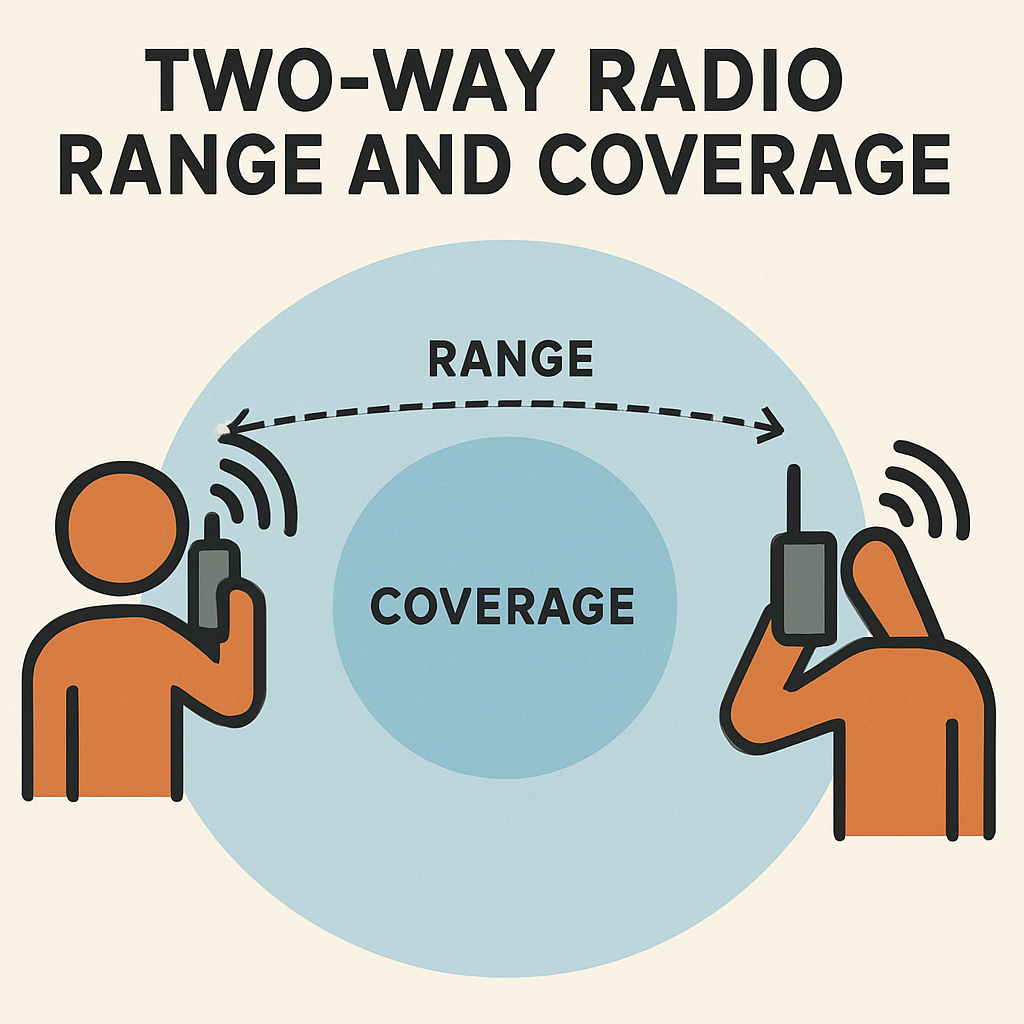
In today’s world, smartphones are ubiquitous, offering various functionalities that make them seem indispensable. Yet, when it comes to communication in remote areas, long range two-way radios often come out on top. They provide reliable, clear, and uninterrupted communication, even when you are far from the nearest cell tower. This article delves into the reasons why long range two-way radios outperform smartphones in remote settings.
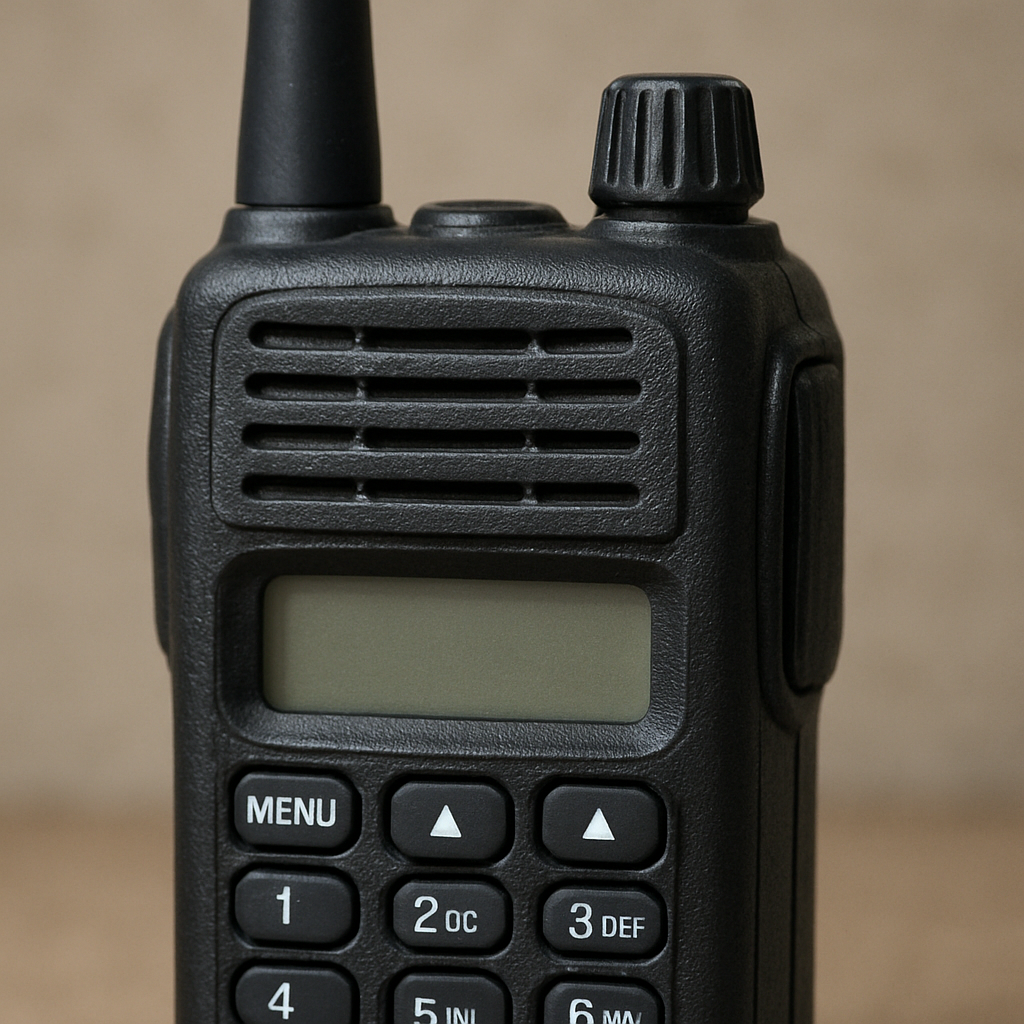
Two-way radios, often known as walkie-talkies, allow for direct communication between devices without needing a cell network. They are particularly popular in industries like construction, security, and outdoor adventures due to their dependability and extensive range.
How Do Two-Way Radios Work?
Two-way radios operate on radio frequencies, allowing users to send and receive messages over a designated channel. This direct line of communication means there are fewer chances of interference, making them ideal for remote locations where cell service is sparse or non-existent.
The Advantage of Long Range
The best long range two-way radios can transmit over several miles, with some commercial models capable of reaching up to 100 miles under optimal conditions. This extended reach is crucial in areas where terrain and distance can block cell signals.
Key Benefits of Long Range Two-Way Radios
Reliable Communication
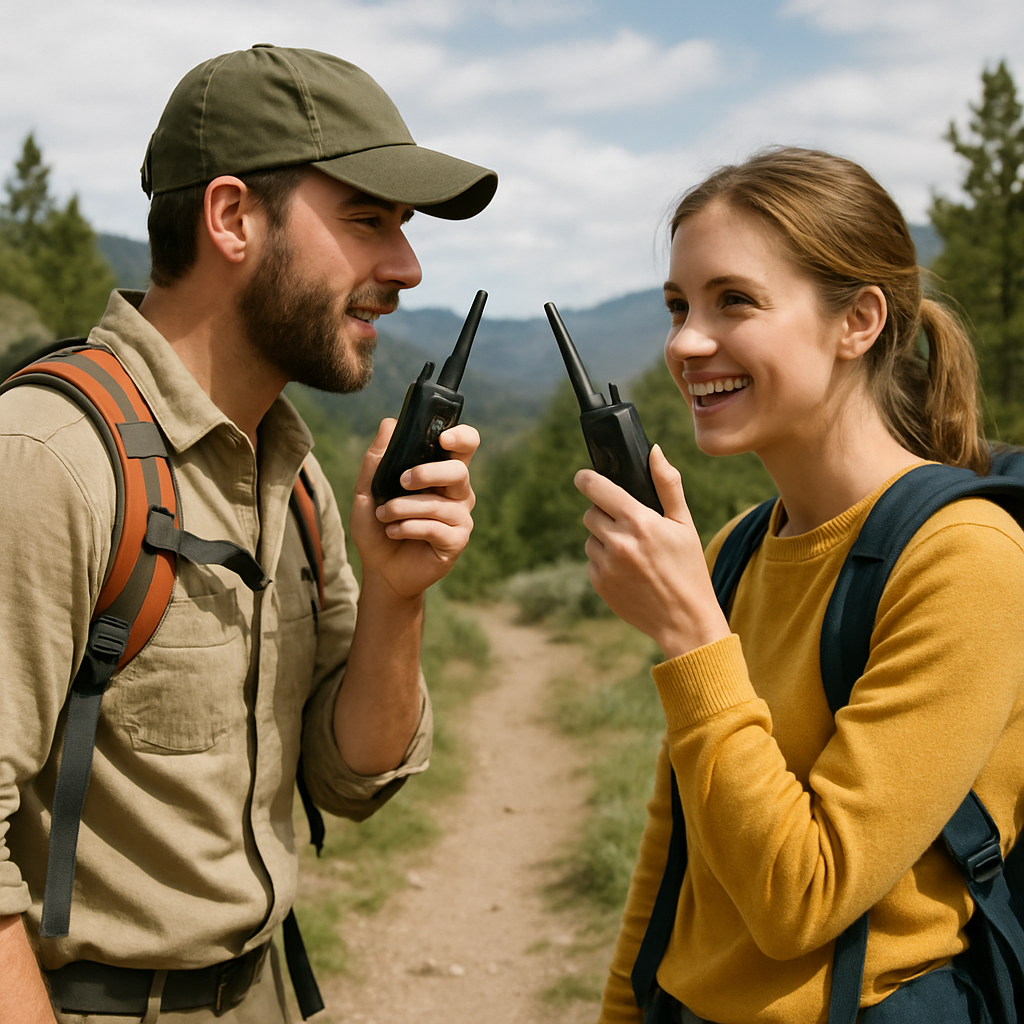
One of the major advantages of using long range two-way radios is their reliability. Unlike smartphones, which depend on cell towers, two-way radios use direct radio waves. This means you can communicate even in the most isolated areas without worrying about dropped calls or no service.
Durability and Longevity
Commercial two-way radios are built for rugged environments. They are designed to withstand tough conditions, including extreme weather, dust, and physical impacts. On the other hand, smartphones are more fragile and can easily become damaged in harsh outdoor settings.
Cost-Effectiveness
Once you purchase a set of two-way radios, there are no ongoing costs. You don’t have to worry about monthly plans or data charges, making them a cost-effective solution for businesses and outdoor enthusiasts who need reliable communication without the ongoing expense.
Battery Life
Two-way radios typically have a longer battery life compared to smartphones. Many models can last for several days on a single charge, which is crucial when you’re in remote areas without access to charging facilities.
Use Cases for Long Range Two-Way Radios
Outdoor Adventures
For hikers, campers, and hunters, long range two-way radios are indispensable. They provide a reliable way to stay in touch with your group, ensuring everyone’s safety and coordination in the wilderness.
Commercial and Industrial Use
In industries such as construction, security, and event management, where workers are often spread out over large areas, two-way radios are essential. They allow for quick and clear communication, boosting efficiency and safety on the job.
Emergency Situations
In emergencies, communication is key. Two-way radios can be life-saving tools, providing a reliable means of communication when traditional networks fail.
Choosing the Best Long Range Two-Way Radios

Factors to Consider
- Range: Consider how far you need to communicate. Some radios offer extended ranges of up to 100 miles.
- Durability: Look for models that can withstand harsh environments if you plan to use them outdoors.
- Battery Life: Choose radios with long-lasting batteries, especially if you’ll be away from power sources for extended periods.
- Channels and Privacy Codes: More channels and privacy codes allow for more secure and clear communication.
Recommended Models
- Motorola T600 H2O: Known for its waterproof design and reliable range, it’s perfect for outdoor adventures.
- Midland GXT1000VP4: Offers robust features, including NOAA weather alerts and an impressive range.
- Cobra ACXT645: This model boasts a long range and is rugged enough for industrial use.
Why Two-Way Radios Are More Dependable in Remote Areas
No Dependence on Infrastructure
The biggest advantage of two-way radios in remote areas is their independence from infrastructure. While smartphones rely on cell towers, which are often sparse in rural areas, two-way radios operate on direct radio waves.
Minimal Interference
In remote locations, interference is minimal, which enhances the clarity and range of two-way radios. This makes them ideal for environments where maintaining communication is crucial.
Conclusion
While smartphones offer numerous conveniences, they fall short in remote areas where long range two-way radios excel. With their reliability, durability, and cost-effectiveness, these radios ensure that communication remains possible, regardless of locati0n. Whether you’re an outdoor enthusiast or a professional working in challenging environments, investing in the best long range two-way radios is a decision that can make all the difference.