Radio communication is not just about sending and receiving messages; it’s about bridging gaps between individuals, communities, and even continents. It offers a unique blend of simplicity and sophistication, making it accessible to hobbyists and essential for professionals in various fields. Understanding how radio waves work and their applications can provide valuable insights into both the historical significance and future potential of radio technologies.

At the heart of radio to radio communication are radio waves. These are a type of electromagnetic wave, similar to light waves but with much longer wavelengths. Radio waves can travel long distances, making them perfect for communication. They are capable of traversing through the atmosphere, bouncing off surfaces, and even penetrating certain materials, which is why they are so effective for both short-range and long-distance communication.
Radio waves are not just vital for communication but also play a crucial role in various technologies, including radar, navigation, and even astronomy. By studying these waves, scientists can learn more about the universe, from understanding weather patterns to exploring outer space. The ability to manipulate and utilize radio waves has led to countless innovations and continues to be a field of active research and development.
How Radio Waves Are Generated
Radio waves are produced by a transmitter, which is an electronic device that uses an antenna to send out these waves. The transmitter modulates the radio waves to carry information, such as voice or data, over the air. This modulation process is essential as it allows the encoding of information onto the wave, whether it be a simple voice transmission or complex digital data.
The generation of radio waves involves converting electrical signals into electromagnetic waves, a process that requires precise electronic components and engineering. Transmitters can vary greatly in size and power, from small handheld devices to massive broadcast stations. Each is designed to meet specific needs, whether it’s for personal communication, broadcasting to millions, or scientific measurement and research.
The Role of Frequency
Every radio wave has a specific frequency, measured in hertz (Hz). The frequency determines the wave’s position in the electromagnetic spectrum and influences how the wave behaves. Higher frequencies, for example, can carry more data but have a shorter range. This is why different frequencies are allocated for different purposes, such as AM/FM broadcasting, emergency services, or military communication.
Frequency also affects how radio waves interact with the environment. For instance, lower frequencies can penetrate through obstacles and bend over the horizon, making them ideal for long-range communication. Meanwhile, higher frequencies may require a line of sight but can transmit more data, which is crucial for modern digital communication systems. Understanding frequency is key to optimizing radio communication for various applications.
Components of Radio Communication
To understand how radio communication works, let’s take a look at its key components: the transmitter, receiver, and antenna.
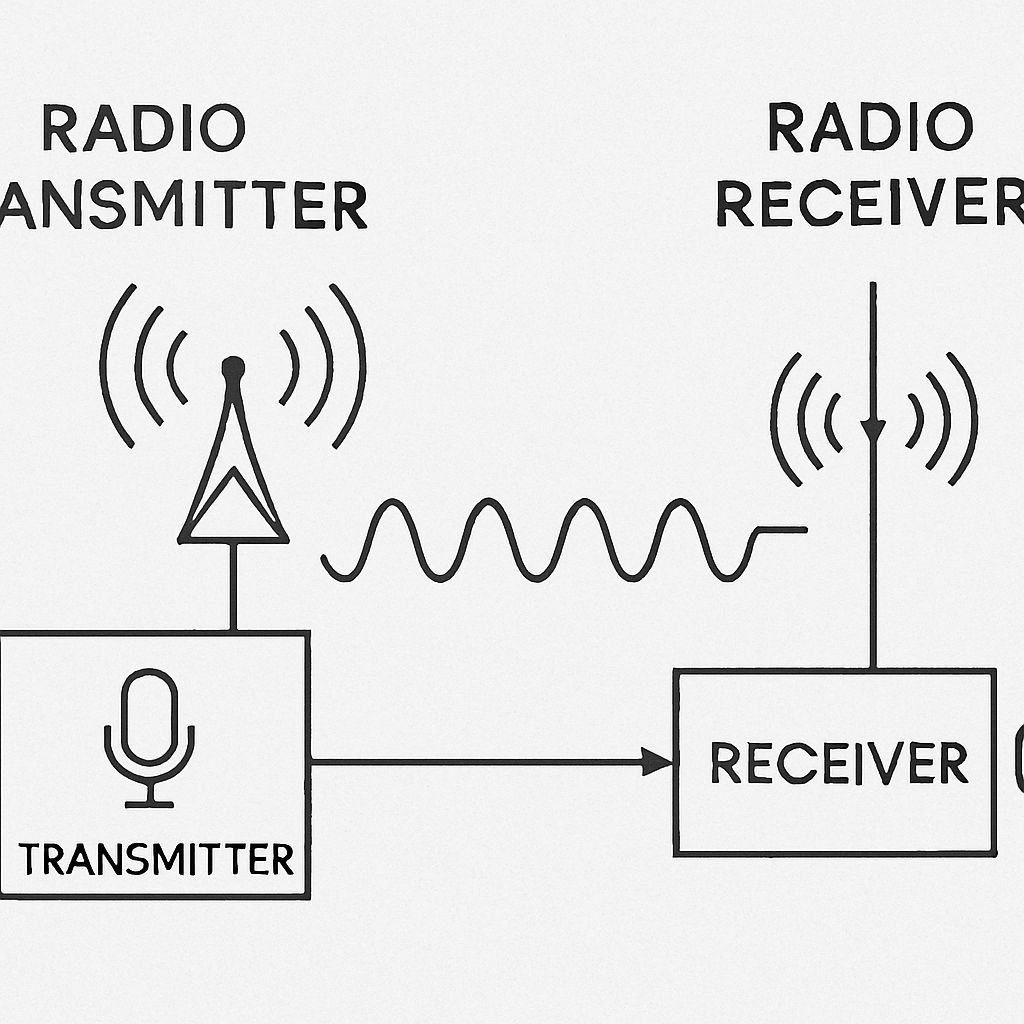
Each of these components plays a critical role in the communication process, ensuring that the transmitted signal is accurately sent, received, and interpreted. Together, they form a system that can range from simple, handheld radios to complex networks of broadcasting stations. Understanding each part’s function helps in troubleshooting issues and improving communication efficiency.
The Transmitter
A transmitter is responsible for generating and sending out radio waves. It takes the audio or data signal and modulates it onto a radio wave. This modulation can be in various forms, such as amplitude modulation (AM) or frequency modulation (FM). The choice of modulation technique can affect the quality and range of the transmission, with each method having its strengths and weaknesses.
Transmitters are designed to match the intended use, whether for personal communication, broadcasting, or specialized applications like aviation or maritime communication. Advances in technology have made transmitters more efficient, compact, and versatile, allowing for better quality transmission over larger distances. The development of digital transmitters has further enhanced the clarity and reliability of radio communication.
The Receiver
The receiver is the device that picks up the radio waves sent by the transmitter. It uses an antenna to capture the waves and a tuner to select the desired frequency. The receiver then demodulates the signal, turning it back into audio or data that can be understood. This process is crucial for ensuring that the information is accurately received without distortion or loss.
Receivers have evolved significantly, from basic crystal radios to sophisticated digital receivers that can handle multiple signals simultaneously. Modern receivers often incorporate digital signal processing (DSP) to improve signal clarity and reduce interference. The ongoing development in receiver technology continues to enhance the capabilities and applications of radio communication.
The Antenna
The antenna plays a crucial role in both transmitting and receiving radio waves. It converts electrical signals into radio waves when transmitting and does the opposite when receiving. The design and size of an antenna can greatly affect the range and quality of communication. A well-designed antenna can enhance signal strength, reduce interference, and ensure clear communication over long distances.
Antennas come in various shapes and sizes, each tailored to specific frequencies and applications. From simple whip antennas used in handheld radios to large parabolic dishes for satellite communication, the right antenna can make all the difference. Advances in antenna technology, such as phased array systems, have further expanded the possibilities of radio communication, allowing for more precise and flexible operations.
How Radio to Radio Communication Works
Radio to radio communication involves two main steps: transmitting and receiving.
This process is a seamless exchange between the two radios, facilitated by the modulation and demodulation of radio waves. The efficiency of this communication depends on various factors, including the quality of the components, environmental conditions, and the chosen frequency band. Understanding these dynamics is essential for optimizing performance and ensuring reliable communication.
Transmitting
When you speak into a radio microphone, your voice is converted into an electrical signal. This signal is then sent to the transmitter, which modulates it onto a radio wave. The antenna broadcasts this wave into the air. The modulation ensures that the voice signal is accurately encoded onto the carrier wave, maintaining the integrity of the message as it travels.
The transmission process can be affected by factors such as power output, frequency selection, and environmental conditions. For instance, higher power levels can increase range but may also cause interference. Properly managing these aspects is crucial for effective radio communication, whether for personal use or large-scale broadcasting.
Receiving
On the receiving end, another antenna captures the radio wave. The receiver then demodulates the signal, converting it back into an audio signal that is played through a speaker, allowing the listener to hear your voice. This process requires precise tuning to ensure the correct frequency is captured, and the signal is clear and intelligible.
Reception can be influenced by interference, distance, and obstacles. Advanced receivers incorporate features like automatic gain control and noise reduction to improve clarity and reduce distortion. By understanding the receiving process, users can optimize their equipment and settings for the best possible communication experience.
Types of Radio Communication
There are several types of radio communication, each serving different purposes.
These types reflect the diverse applications of radio technology, from personal hobbies to critical public services. Each has unique characteristics and requirements, offering various ways to connect and communicate over distances. Understanding these types can help users choose the right equipment and techniques for their specific needs.
Ham Radio
Ham radio, also known as amateur radio, is a popular hobby that involves using radio equipment to communicate with others. Ham radio operators use specific frequencies allocated for amateur use and can communicate over short or long distances. It’s a hobby that encourages learning and experimentation, with enthusiasts often building their own equipment and networks.
Ham radio is not only a hobby but also serves as a vital tool for emergency communication and public service. During disasters, when other communication systems fail, ham operators often provide critical links between affected areas and emergency services. The community aspect of ham radio fosters collaboration and innovation, making it a valuable resource for both individuals and society.
Two-Way Radios
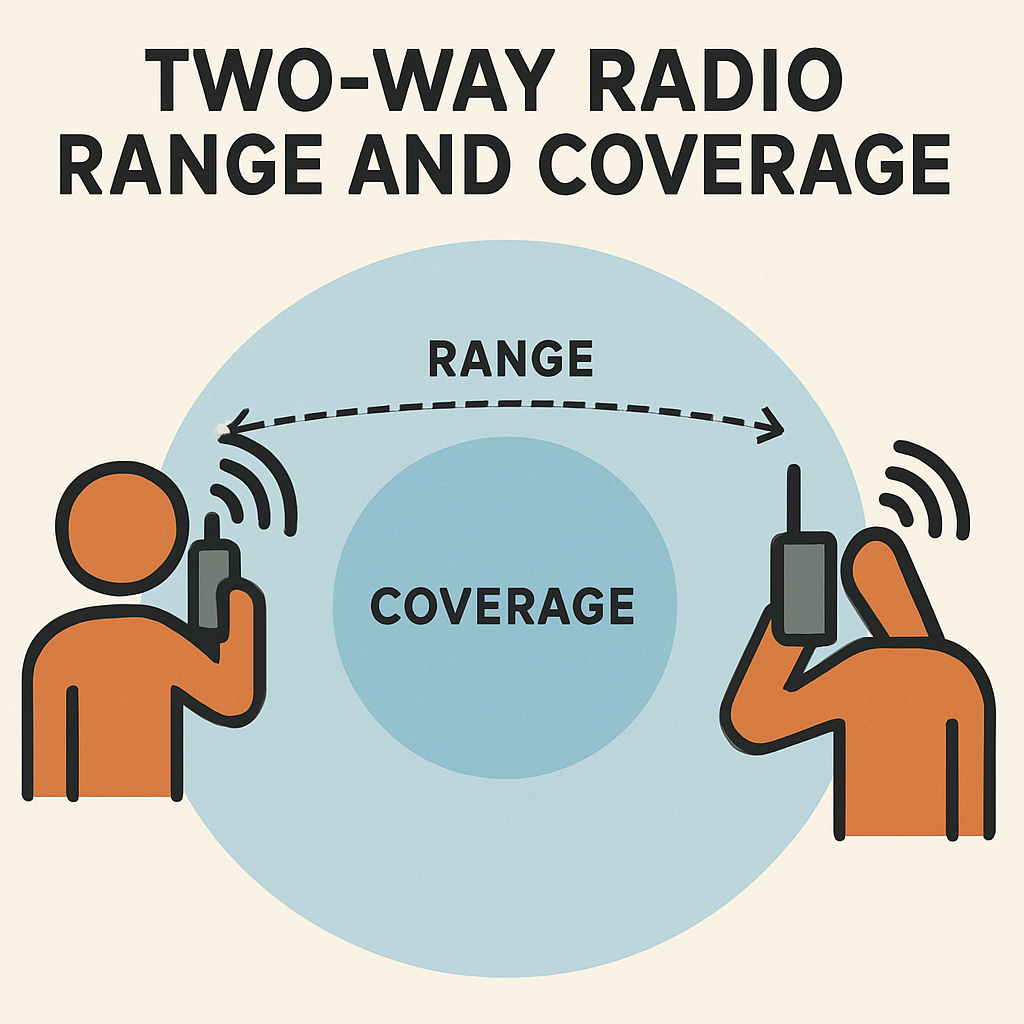
Two-way radios, like walkie-talkies, are handheld devices used for short-range communication. They are common in situations where quick and easy communication is needed, such as in construction or event management. These radios are designed for simplicity and reliability, providing instant communication without the need for complex infrastructure.
Two-way radios are widely used in various industries, from security to hospitality, due to their convenience and effectiveness. Advances in digital technology have enhanced their capabilities, offering clearer audio, longer battery life, and additional features like GPS tracking. Their portability and ease of use make them indispensable tools for on-the-go communication.
Broadcast Radio
Broadcast radio involves sending signals to a wide audience. This includes AM and FM radio stations that transmit music, news, and other content to the public. Broadcasting has been a cornerstone of mass communication, reaching millions of people and influencing culture, politics, and society.
The evolution of broadcast radio has seen the transition from analog to digital formats, offering better sound quality and more channels. Today, radio remains a powerful medium for information and entertainment, with innovations like internet radio and podcasts expanding its reach and accessibility. Despite the rise of digital media, traditional radio continues to play a significant role in people’s daily lives.
The Science Behind Radio Waves

Radio waves are part of the electromagnetic spectrum, a range of all types of electromagnetic radiation. Understanding their behavior and properties is essential for optimizing communication systems and developing new technologies. This science underpins everything from basic radio communication to advanced applications like satellite communication and deep-space exploration.
The study of radio waves involves physics, engineering, and technology, providing insights into how these waves interact with the environment and other technologies. By exploring the science behind radio waves, we can improve existing systems and innovate new solutions for communication challenges.
Propagation of Radio Waves
Radio waves can travel through various mediums, including air, space, and even solid objects. Their ability to bend and reflect off surfaces allows them to reach receivers that are not in a direct line of sight from the transmitter. This propagation characteristic is why radio waves can cover vast distances and navigate complex environments.
Propagation can be influenced by factors such as frequency, terrain, and atmospheric conditions. Understanding these factors helps in designing systems that can overcome obstacles and maximize range and reliability. Techniques like using repeaters and relay stations further enhance the ability of radio waves to reach remote or obstructed areas.
The Ionosphere’s Role
The ionosphere, a layer of the Earth’s atmosphere, plays a significant role in long-distance radio communication. It can reflect radio waves back to Earth, allowing them to travel beyond the horizon. This phenomenon, known as “skywave” propagation, enables communication over thousands of miles without the need for satellites.
The ionosphere’s behavior is influenced by solar activity, which can affect communication quality and range. Understanding its role and variability is crucial for optimizing long-distance communication, especially for amateur radio operators and broadcasters. Research into ionospheric science continues to provide valuable insights into improving radio communication systems.
Challenges in Radio Communication
While radio communication is incredibly useful, it does face some challenges.
These challenges can impact the quality, reliability, and range of radio communication, requiring ongoing innovation and adaptation. Understanding and addressing these issues is essential for maintaining effective communication in various environments and applications.
Interference
Radio waves can be affected by interference from other electronic devices, natural sources like lightning, or even other radio signals. This can cause static or poor reception, disrupting communication and reducing clarity. Identifying and mitigating interference is a critical aspect of maintaining effective radio communication.
Interference can be managed through techniques such as frequency management, signal filtering, and shielding. Advances in technology have also introduced digital signal processing and adaptive systems that can dynamically adjust to minimize interference. Ongoing research and development aim to further enhance the robustness of radio communication against interference.
Range Limitations
The range of radio communication depends on various factors, including the power of the transmitter, frequency, and environmental conditions. High-frequency signals have a shorter range than low-frequency ones. Understanding these limitations is important for designing systems that meet specific communication needs.
Solutions to range limitations include using repeaters, relay stations, and advanced antenna designs. Satellite and internet-based systems also offer alternatives for extending communication range. By exploring these solutions, we can overcome range challenges and ensure reliable communication over greater distances.
The Future of Radio Communication
Radio communication continues to evolve with advancements in technology. Digital radio, for example, offers clearer sound and more efficient use of the radio spectrum. These innovations are reshaping the landscape of radio communication, providing new opportunities and challenges.
As technology progresses, radio communication is becoming more integrated with other technologies, such as the internet and mobile networks. This convergence is leading to new applications and possibilities, driving the future of communication.
The Impact of Technology
New technologies, such as software-defined radio (SDR), allow for more flexible and adaptable radio systems. SDR uses software to perform tasks traditionally carried out by hardware, making it easier to upgrade and modify radio systems. This flexibility is opening new avenues for innovation and customization.
The impact of technology on radio communication is profound, enhancing capabilities and expanding applications. From improved signal quality to more efficient spectrum use, technology is driving the next generation of radio systems. The ongoing development of artificial intelligence and machine learning is also poised to revolutionize radio communication, offering new solutions for complex challenges.
Expanding Applications
Radio to radio communication is finding new applications in fields like space exploration, emergency response, and the Internet of Things (IoT), where reliable, long-distance communication is essential. These new applications are pushing the boundaries of what radio communication can achieve, leading to exciting developments and opportunities.
The expansion of radio communication into new areas is driven by the need for reliable, efficient, and adaptable systems. As technology continues to evolve, radio communication will play a vital role in connecting devices, people, and systems across various domains. This growth promises to enhance connectivity and collaboration, shaping the future of communication.
Conclusion
Radio to radio communication is a remarkable technology that has been connecting people for over a century. By understanding the basics of how it works, you can appreciate the science behind it and explore its many applications. Whether you’re interested in becoming a ham radio operator or simply want to know more about the radios we use every day, the world of radio communication offers endless opportunities for learning and connection.