


Navigating the world of two-way radios can seem daunting, especially for beginners. Whether you’re looking for a reliable communication tool for your business, outdoor adventures, or personal use, understanding the basics of two-way radios can significantly enhance your experience. This comprehensive guide will walk you through everything you need to know about 2-way radios, from selecting the right type to finding the best deals.

Two-way radios, commonly known as walkie-talkies, are handheld devices used for voice communication. They operate on radio frequencies and allow users to transmit and receive voice messages over a certain distance. Unlike mobile phones, two-way radios do not rely on cellular networks, making them a reliable option in areas with poor cell reception.
Key Features of Two-Way Radios
Two-way radios come with a variety of features that can enhance their usability:
- Frequency Bands: Two-way radios typically operate on UHF (Ultra High Frequency) or VHF (Very High Frequency) bands. UHF radios are ideal for indoor use due to their ability to penetrate walls and obstructions, while VHF radios perform better in open outdoor spaces.
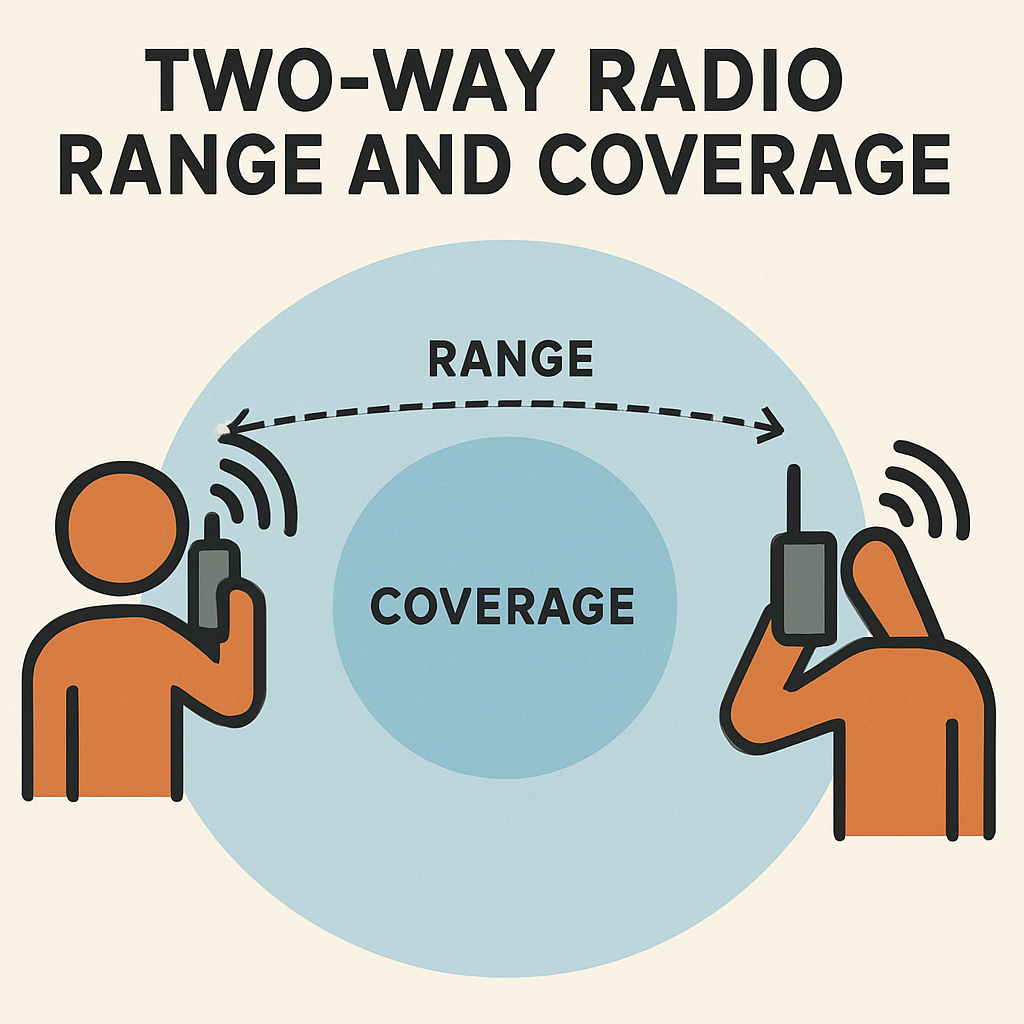
- Range: The range of a two-way radio depends on its frequency, power output, and environmental conditions. Commercial two-way radios often have a longer range compared to consumer models.
- Channels: Two-way radios offer multiple channels, allowing users to switch frequencies to avoid interference.
- Privacy Codes: Many radios come with privacy codes that help filter out unwanted transmissions, providing a clearer communication channel.
Types of Two-Way Radios

Understanding the different types of two-way radios can help you make an informed choice based on your needs:
FRS and GMRS Radios
Family Radio Service (FRS) and General Mobile Radio Service (GMRS) radios are popular for personal and recreational use. FRS radios are typically less powerful and do not require a license, while GMRS radios offer higher power and require an FCC license.
Business Two-Way Radios
Business two-way radios are designed for commercial use and are more robust and reliable. They often feature programmable channels, enhanced durability, and longer battery life, making them ideal for industries like construction, security, and hospitality.
Industrial Two-Way Radios
Industrial radios are heavy-duty devices built to withstand harsh conditions. They are often used in settings such as manufacturing plants and large-scale operations where reliable communication is critical.
How to Choose the Right Two-Way Radio
Determine Your Needs
Consider the following factors when choosing a two-way radio:
- Purpose: Are you buying it for business, personal use, or outdoor activities?
- Range: How far do you need the radio to communicate?
- Environment: Will you be using it indoors or outdoors?
Consider the Features
Look for features that match your specific needs, such as:
- Durability: Water-resistant or rugged models for outdoor use.
- Battery Life: Long battery life for extended use.
- Channels and Privacy Codes: More channels and privacy codes for clearer communication.
Where to Buy Two-Way Radio
Finding the right place to buy your two-way radio can ensure you get the best value for your investment. Here are some options:
Online Retailers
Websites like Amazon, eBay, and specialized electronic retailers offer a wide range of two-way radios, often at competitive prices. Online shopping allows you to compare models and read user reviews to make informed decisions.
Local Electronics Stores
Visiting a local electronics store can provide hands-on experience with different models. Knowledgeable staff can offer advice and help you find the right model for your needs.
Specialty Radio Shops
Specialty stores focus on communication devices and often have a broader selection of professional and commercial radios. They can also provide expert guidance and after-sales support.
Setting Up and Using Your Two-Way Radio
Basic Setup
Once you have your radio, follow these steps to get started:
- Charge the Battery: Ensure the battery is fully charged before use.
- Select a Channel: Choose a channel that is clear of interference.
- Set Privacy Codes: Use privacy codes to minimize interference from other users.
Tips for Effective Communication
- Hold the Radio Properly: Keep the antenna vertical and speak clearly into the microphone.
- Use Clear Language: Use simple language and avoid jargon for clear communication.
- Listen Before Transmitting: Ensure the channel is clear before speaking to avoid talking over others.
Enhancing Your Two-Way Radio Experience
Accessories
Enhance your radio’s functionality with accessories like:
- Headsets and Earpieces: For hands-free operation.
- Car Chargers: For on-the-go charging.
- Carrying Cases: To protect your radio during transport.
Maintenance Tips
To keep your radio in optimal condition:
- Regular Cleaning: Wipe the exterior with a damp cloth to remove dirt and dust.
- Battery Care: Store batteries in a cool, dry place and charge them regularly to extend their lifespan.
Conclusion
Two-way radios are versatile communication tools that can serve a variety of purposes, from business operations to personal adventures. By understanding the different types of radios and their features, you can choose the best model to meet your needs. Whether you’re looking for a reliable business communication solution or a private walkie-talkie for outdoor exploration, this guide provides the essential information to get started with two-way radios.


2 responses to “The Ultimate Guide to 2 Way Radios for Beginners”
This is my first time pay a quick visit at
here and i am truly impressed to read everthing at single place.
Thanks, anything i can help you?