-

Comparison of CB Radios and Walkie Talkies
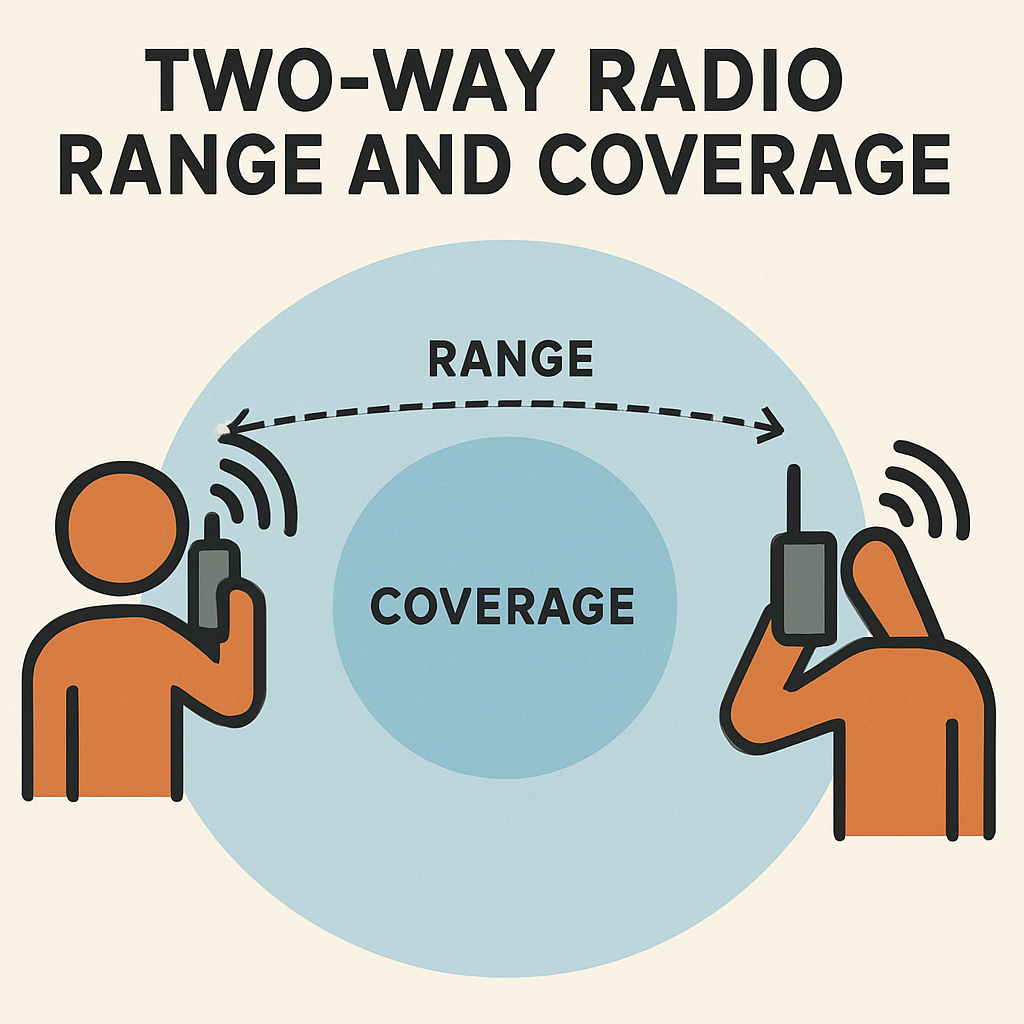
#buy radios: contact us now In the world of portable communication devices, CB radios and walkie talkies have long been popular choices. While both serve the purpose of short-distance communication, they differ significantly in terms of range, functionality, and usage. Understanding these differences is crucial in choosing the right device for your needs. What is a CB Radio? CB, or Citizens Band radio, is a short-distance radio communication system that allows individuals to communicate over 40 channels on a shared frequency band. It operates on the 27 MHz band and has a range that typically varies from 3 to 20 miles, depending on terrain and atmospheric conditions. CB radios are commonly used in vehicles, particularly trucks, for communication on the road. What is a Walkie Talkie? Walkie talkies, also known as handheld transceivers, are portable, two-way radio devices that operate on a fixed frequency band. They are typically used for personal communication over short distances, usually within a few miles. Walkie talkies are popular for outdoor activities like hiking, camping, and events where quick and direct communication is needed. Key Differences Between CB Radios and Walkie Talkies Range and Frequency One of the primary differences between CB radios and walkie talkies is their range and frequency. CB radios can cover longer distances, often up to 20 miles, whereas walkie talkies are generally limited to a few miles, depending on the environment. This makes CB radios more suitable for road travel and long-distance communication, whereas walkie talkies excel in close-range communication. CB radios operate on the 27 MHz band, which allows for better range under certain conditions. On the other hand, walkie talkies typically use either the Family Radio Service (FRS) or General Mobile Radio Service (GMRS) frequencies, which are higher in the UHF (Ultra High Frequency) spectrum. Licensing Requirements For CB radios, no license is required to operate, making them accessible to anyone who wishes to use them. However, some high-power CB radios may require a special permit. Walkie talkies operating on FRS frequencies do not require a license, but those using GMRS frequencies do require a license from the Federal Communications Commission (FCC). This is an important consideration when choosing a device for personal or professional use. Usage and Applications CB radios are predominantly used by truckers, off-road enthusiasts, and in emergency services. They provide a reliable means of communication over longer distances, especially in areas where cell service is unreliable. Walkie talkies are versatile and used for a wide range of activities. They are popular in recreational activities, such as hiking, skiing, and camping, as well as in business settings like construction sites and event management, where immediate communication is essential.…
-
Optimizing Two Way Radio Service: DMR HT Radio
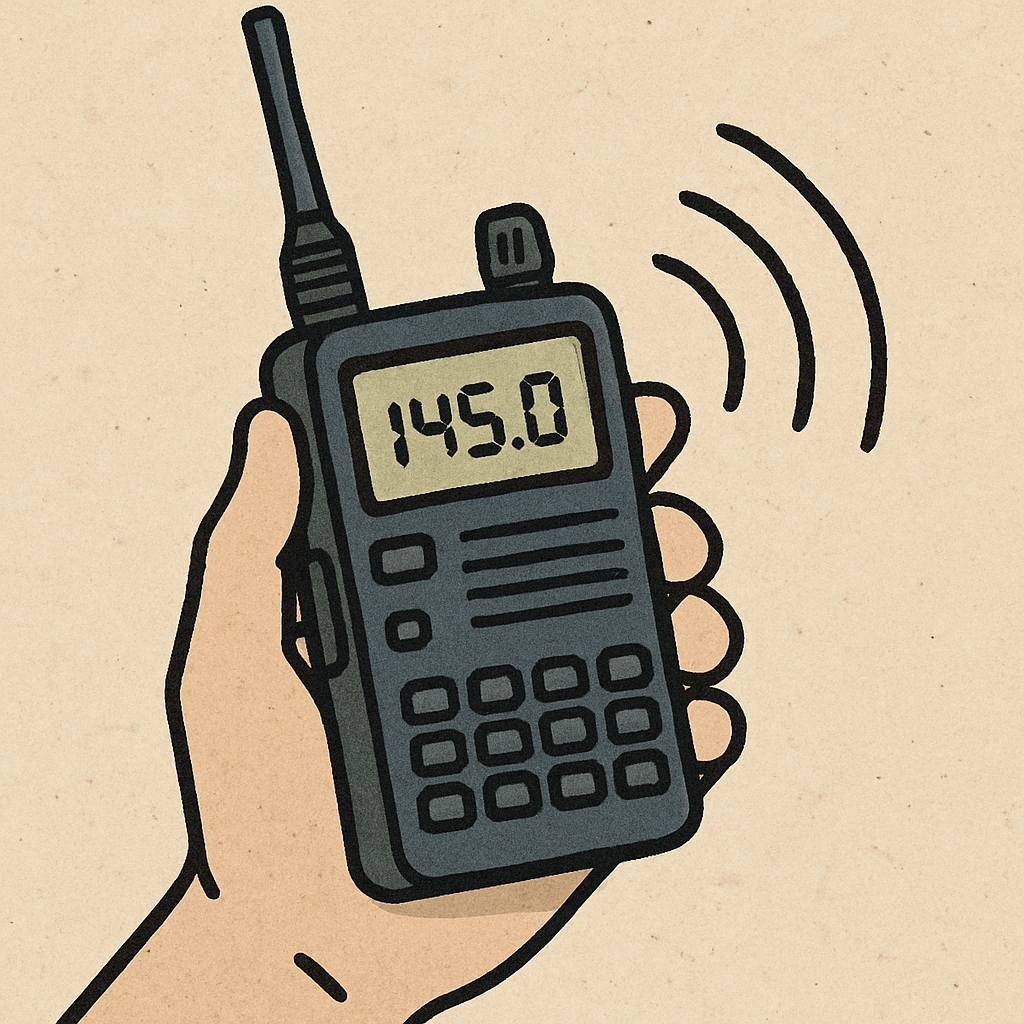
# DMR HT Radio: A Complete Guide to Digital Mobile Radio Handheld Transceivers #Buy HT Radio: Contact us Digital Mobile Radio, commonly known as DMR, is a popular and efficient technology used in handheld transceivers (HTs) by amateur radio enthusiasts, emergency services, and businesses alike. If you’re considering a DMR HT radio, this guide will cover everything you need to know, from what DMR is, to the benefits of dual-band DMR radios, and how to choose the right DMR HT for your needs. What is DMR? DMR stands for Digital Mobile Radio, a standard developed by the European Telecommunications Standards Institute (ETSI) to provide a more efficient and reliable form of communication than traditional analog radio. DMR radios convert voice into digital data, offering better sound quality and more features than analog radios. The Basics of DMR Technology DMR operates using two-slot Time-Division Multiple Access (TDMA), which allows two simultaneous calls on the same frequency. This effectively doubles the capacity of your radio frequencies, making DMR a highly efficient choice for organizations with high communication demands. Advantages of Using DMR HT Radios There are several compelling reasons to switch to or incorporate DMR HT radios into your communication strategy: Clearer Audio Quality DMR radios provide clearer audio because they filter out background noise and interference. This means that even in noisy environments, communication remains clear and intelligible. Enhanced Privacy and Security Digital communication inherently offers more privacy than analog, as digital signals are harder to intercept. Additionally, many DMR radios come with encryption features that provide an extra layer of security. Improved Battery Life DMR radios are more energy-efficient, allowing for longer battery life compared to analog radios. This makes them ideal for extended use in field operations or on long trips. Dual Band DMR Radios: Expanding Your Reach…
-

Retail Radios: Store Walkie Talkies
#buy radios, contact us! In the fast-paced world of retail, effective communication is crucial. Whether it’s coordinating a restock, assisting a customer, or managing an in-store event, quick and clear communication can make all the difference. Enter retail radios, often referred to as store walkie talkies, a technology that has become indispensable for many retail businesses. Understanding Retail Radios Retail radios, commonly known as store walkie talkies, are handheld, portable two-way radios. These devices allow for instant communication across different departments of a retail store. They are designed to facilitate efficient communication, thereby improving operations and customer service. How Do Retail Radios Work? Retail radios operate on specific radio frequencies, allowing users to communicate over short to medium distances without the need for cellular networks. They are particularly useful in environments where mobile phone signals might be weak or where quick push-to-talk communication is more efficient. Benefits of Using Store Walkie Talkies Choosing the Right Retail Radios When selecting the right retail radios for your store, consider the following factors: Range The communication range of a walkie talkie is a crucial consideration. Smaller stores may do well with short-range devices, while larger establishments might require radios with a more extended range. Channels Having multiple channels can be beneficial in busy retail environments. Different departments can have their own channels to reduce cross-talk and interference, ensuring that communication remains clear and organized. Battery Life A long battery life is essential in retail settings, where radios are used continuously throughout the day. Look for models with rechargeable batteries and consider having spare batteries on hand. Durability Retail radios must be sturdy enough to handle the hustle and bustle of a retail environment. Look for features like reinforced casings and water resistance.…
-
DMR Repeaters: A Comprehensive Guide
#buy dmr radio contact us Digital Mobile Radio (DMR) repeaters are a crucial component in modern communication networks. They play a vital role in extending the range and enhancing the quality of radio communications. Whether you’re a hobbyist or a professional, understanding DMR repeaters can significantly impact your communication experience. This guide will delve into the essentials of DMR repeaters, their functionality, and how to locate one near you. A DMR repeater is a device that receives a digital radio signal and retransmits it at a higher power, allowing the signal to cover a greater distance. These repeaters are widely used in various industries, including public safety, transportation, and amateur radio. By converting analog signals into digital, DMR repeaters enhance voice clarity and reduce noise interference, making them a popular choice for reliable communication. DMR repeaters work by utilizing radio waves to receive and transmit signals, effectively boosting communication across distances. The repeater receives incoming signals, which are then amplified and sent out at a higher power, ensuring the message reaches further than it would with a standard radio. In public safety, DMR repeaters provide crucial communication links for emergency services, ensuring seamless coordination during critical situations. In transportation, they facilitate communication between vehicles and control centers, enhancing operational efficiency. Amateur radio enthusiasts use DMR repeaters to expand their reach, connecting with fellow radio operators worldwide. DMR technology converts voice signals into digital data, vastly improving clarity by reducing background noise and static. This digital transformation not only enhances voice quality but also ensures more efficient use of the radio spectrum, allowing multiple communications on a single frequency channel. DMR repeaters operate by receiving a digital signal from a radio, processing it, and then transmitting it again at a higher power. This process effectively extends the communication range between radios, ensuring that users can communicate over larger areas without loss of signal quality. The ability to handle multiple conversations simultaneously over the same frequency is one of the significant advantages of DMR technology, thanks to its Time Division Multiple Access (TDMA) protocol. Upon receiving a signal, the DMR repeater processes it to improve clarity and strength before retransmitting. The repeater’s internal systems clean up the signal, removing any interference or noise, which results in a clearer, more reliable communication output. TDMA is a technique that divides a single frequency channel into multiple time slots, allowing for multiple conversations at once. This efficient use of frequency space is a hallmark of DMR repeaters, enabling multiple users to share a channel without interfering with each other’s communications. By boosting the power of a transmitted signal, DMR repeaters enable communication over distances that would typically be out of reach for a standard radio. This extended range is particularly beneficial in rural or remote areas where infrastructure may be limited. Understanding the distinction between DMR and analog repeaters is crucial for selecting the right system for your needs. DMR repeaters convert voice signals into digital data, which significantly improves clarity by eliminating background noise and static commonly found in analog transmissions. Furthermore, DMR technology is more spectrum-efficient, allowing for more simultaneous communications on the same frequency channel, which is not possible with analog repeaters. The digital conversion process used by DMR repeaters effectively removes unwanted noise and static, resulting in clear and concise communication. This clarity is essential in industries where precise information exchange is critical. DMR systems make better use of available frequencies, accommodating more users on a single channel compared to analog systems. This increased capacity is ideal for busy communication environments where multiple conversations need to occur simultaneously. The integrity of digital signals remains consistent over longer distances, unlike analog signals, which can degrade. This consistency ensures that communication remains reliable even as the signal travels further from the source. While DMR systems offer numerous advantages, they may come with higher initial costs compared to analog systems. Additionally, not all existing analog equipment is compatible with DMR repeaters, which might necessitate further investment in compatible devices.…
-
amateur radio for sale
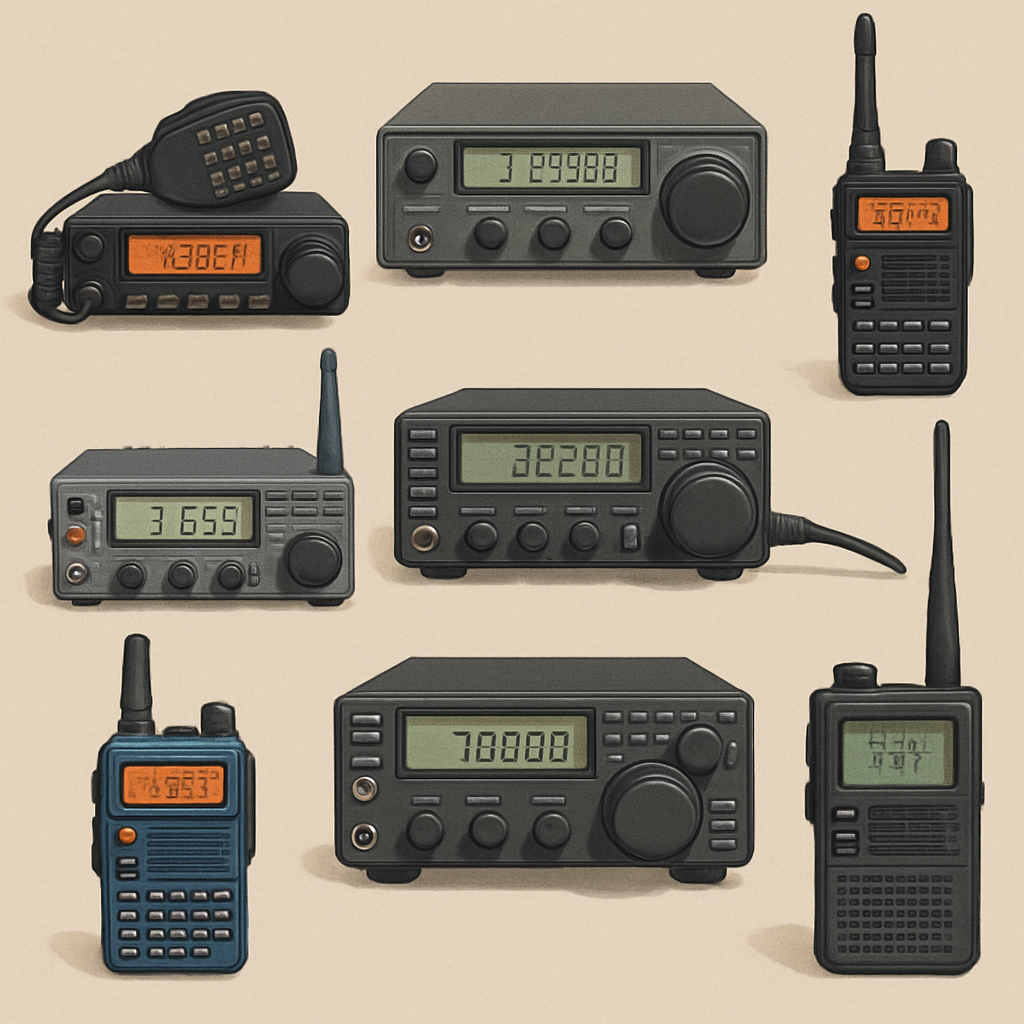
If you’re interested in the world of amateur radio, you’re not alone. Many people find it to be a rewarding hobby that combines technical skills with the joy of communication. Whether you’re a seasoned operator looking for an upgrade or a newcomer eager to get started, finding the right equipment is crucial. This guide will help you navigate the market for amateur radio equipment for sale, including where to find low-cost ham radios and used options. Understanding Amateur Radio Before diving into where to find amateur radio equipment, it’s important to understand what amateur radio is all about. Often called “ham radio,” amateur radio is a popular hobby and service that brings people, electronics, and communication together. People use amateur radio to talk across town, around the world, or even into space, all without the internet or cell phones. What is 6 Meter Ham Radio? The 6-meter ham radio band is a popular choice for many amateur radio enthusiasts. Known as the “magic band,” it offers a unique opportunity to communicate over long distances when conditions are right. If you’re looking for a 6 meter ham radio for sale, you might be interested in its ability to provide both local and long-distance communication. Where to Find Amateur Radio for Sale Finding the right amateur radio equipment doesn’t have to be difficult. There are several options available, each with its own advantages and considerations. Online Marketplaces One of the most convenient places to find amateur radio for sale is online marketplaces. Websites like eBay and Amazon offer a wide range of new and used equipment. These platforms allow you to compare prices, read reviews, and find exactly what you need. Specialized Retailers For those looking for more specialized advice, dedicated amateur radio retailers can be a great resource. These stores often have knowledgeable staff who can help you select the right equipment for your needs. Some popular retailers include Ham Radio Outlet and DX Engineering. Local Hamfests Hamfests are gatherings of amateur radio enthusiasts and are often held in local communities. These events are fantastic opportunities to find used amateur radio for sale, often at a lower cost. Plus, you’ll have the chance to meet other enthusiasts and learn from their experiences. What to Look for in Amateur Radio Equipment When searching for amateur radio equipment for sale, it’s important to know what to look for. Here are some key factors to consider: Frequency Bands Different amateur radios operate on different frequency bands. Consider what type of communication you are interested in—whether it’s local, national, or international—and choose a radio that supports those bands. Power Output The power output of a radio affects its range and ability to communicate over long distances. Higher power radios can communicate further but may also require more power and potentially a license upgrade. Features and Accessories…
-
DMR Radios for Ham Use
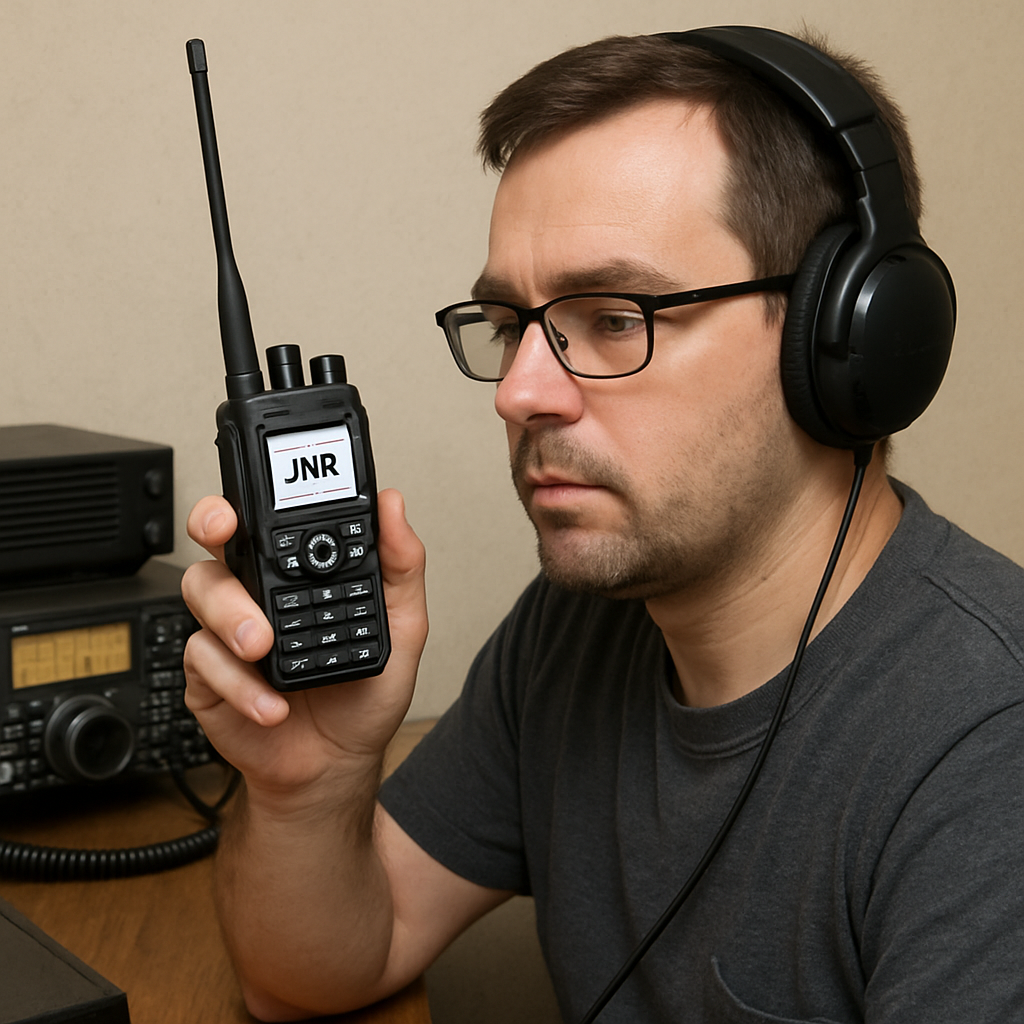
For amateur radio, technology is constantly evolving. One of the exciting developments in recent years is the rise of Digital Mobile Radio (DMR) technology. For ham radio enthusiasts, DMR radios represent a significant leap forward, offering improved communication capabilities and a range of features that enhance the ham radio experience. In this article, we will explore the world of DMR radios for ham use. We’ll discuss what DMR is, why it’s gaining popularity among amateur radio operators, and what you need to know to get started with this cutting-edge technology. Digital Mobile Radio, or DMR, is a digital radio standard defined by the European Telecommunications Standards Institute (ETSI). Originally developed for professional mobile radio users, DMR has found a place in the hearts of ham radio operators due to its advanced features and reliable performance. DMR radios operate in a digital mode, which allows for clearer and more efficient communication compared to traditional analog radios. They offer better audio quality, longer battery life, and the ability to transmit data along with voice communications. Key Features of DMR Radios One of the standout features of DMR radios is their ability to support multiple “talk groups.” These are essentially channels that allow users to communicate with specific groups of people. This feature is particularly useful for ham radio operators who want to organize their communications effectively. DMR radios also support text messaging, GPS locati0n tracking, and even encryption for secure communications. These features make DMR radios a versatile choice for both casual and emergency use. Why Are DMR Radios Popular Among Ham Radio Operators? The popularity of DMR radios among ham radio operators can be attributed to several factors. Improved Audio Quality One of the most noticeable benefits of DMR radios is the improved audio quality. Digital signals are less prone to interference and noise, resulting in clearer and more reliable communication. For ham radio enthusiasts, this means more enjoyable and effective conversations. Extended Range DMR radios often have a longer range than analog radios. This is partly due to the digital signal’s ability to maintain quality over longer distances. Additionally, DMR radios can utilize repeaters to further extend their range, making it possible to communicate over great distances. Community and Network Benefits DMR radios allow operators to connect with a global community. Through networks like BrandMeister and DMR-MARC, ham radio operators can access a vast network of repeaters and talk groups, enabling them to communicate with other operators worldwide. This global connectivity is a major draw for many ham radio enthusiasts. Getting Started with DMR Radios If you’re interested in exploring the world of DMR radios for ham use, there are a few key steps to get started. Choosing the Right DMR Radio The first step is selecting a DMR radio that suits your needs. There are various models available, ranging from budget-friendly options to high-end radios with advanced features. When choosing a DMR radio, consider factors such as your budget, desired features, and the frequency bands you plan to use. Programming Your DMR Radio…
-
Next Radios Explained The Future of Two-Way Communication
In an era where communication technology is rapidly advancing, the next generation of radios—commonly known as “next radios”—is set to revolutionize two-way communication. As we delve into the future of radio technology, it’s vital to understand how these innovations will shape our ability to connect instantly and reliably. Radio communication has come a long way since its inception in the early 20th century. Initially used for broadcasting news and music, radio technology has continuously evolved to meet the demands of modern communication needs. From AM and FM to digital and satellite radios, each advancement has brought more clarity, range, and functionality. From Analog to Digital Analog radio, once the standard, has been largely replaced by digital technology. Digital radios offer superior sound quality and more efficient use of the radio spectrum, allowing more channels and features. This shift marks a significant milestone in radio evolution, paving the way for the next generation of devices. The Role of Internet and Satellite Radio The introduction of internet and satellite radios further expanded the capabilities of traditional radio systems. These technologies allow users to access a vast array of content from around the globe, breaking the limitations of geographic boundaries and enhancing user experience. What Are Next Radios? Next radios represent the cutting edge of two-way communication technology. They incorporate advanced features such as improved signal processing, integrated GPS, and enhanced connectivity options. These radios are not just about transmitting voice; they are about creating a seamless communication experience. Key Features of Next Radios The Impact on Industries Next radios are set to transform several industries by improving communication efficiency and safety. Here are a few examples: Public Safety In emergency situations, reliable communication can be a matter of life and death. Next radios provide first responders with robust and dependable communication tools, enhancing coordination and response times. Transportation For the transportation sector, next radios offer improved communication between drivers and dispatchers. This ensures smooth operations and enhances safety protocols, particularly in logistics and public transport systems. Outdoor Recreation For adventurers and outdoor enthusiasts, next radios offer peace of mind with features like GPS tracking and long-range communication. Whether hiking in the mountains or sailing at sea, staying connected is easier than ever. The Future of Two-Way Communication by Jan Antonin Kolar (https://unsplash.com/@jankolar) As we look to the future, the role of next radios in two-way communication is expected to grow even further. Here are some trends that will likely shape the landscape:…
-
What Is Radio to Radio Communication? and How Does It Work?
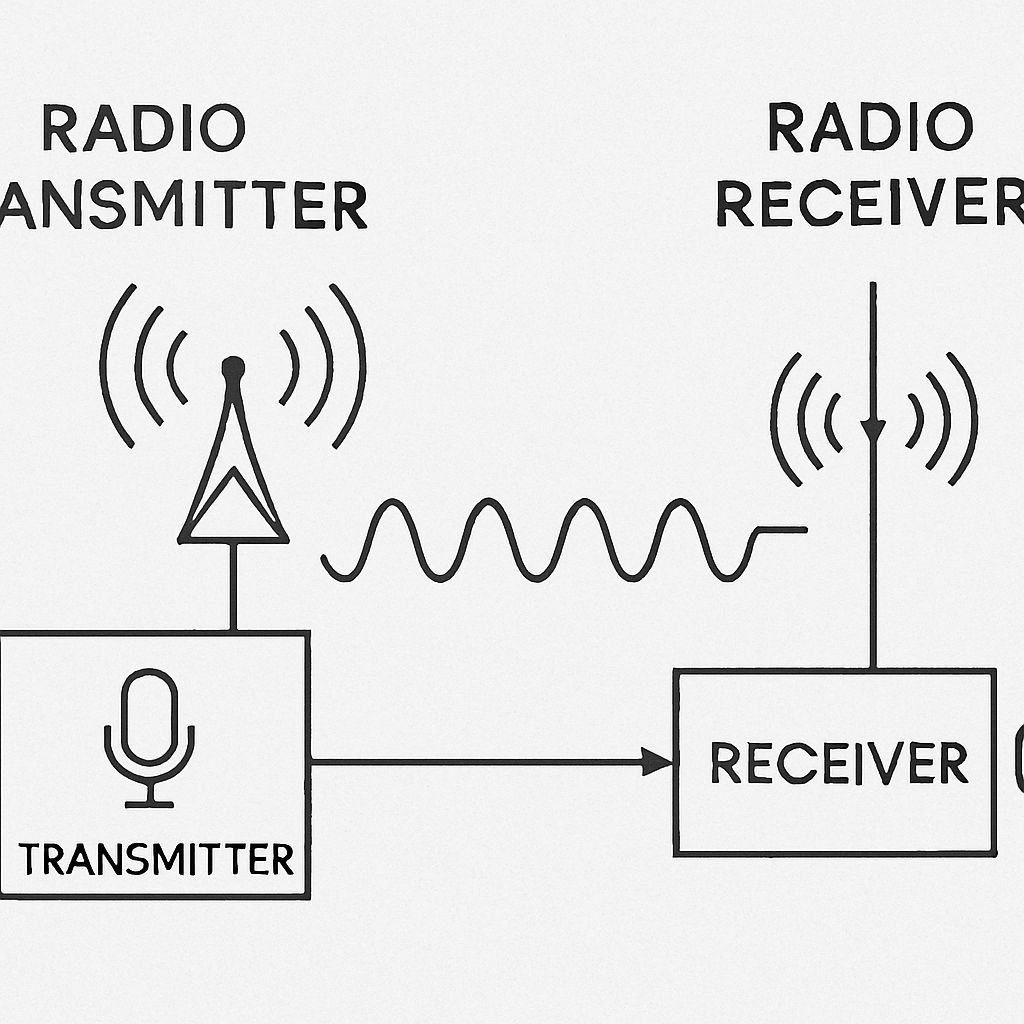
Radio communication is not just about sending and receiving messages; it’s about bridging gaps between individuals, communities, and even continents. It offers a unique blend of simplicity and sophistication, making it accessible to hobbyists and essential for professionals in various fields. Understanding how radio waves work and their applications can provide valuable insights into both the historical significance and future potential of radio technologies. At the heart of radio to radio communication are radio waves. These are a type of electromagnetic wave, similar to light waves but with much longer wavelengths. Radio waves can travel long distances, making them perfect for communication. They are capable of traversing through the atmosphere, bouncing off surfaces, and even penetrating certain materials, which is why they are so effective for both short-range and long-distance communication. Radio waves are not just vital for communication but also play a crucial role in various technologies, including radar, navigation, and even astronomy. By studying these waves, scientists can learn more about the universe, from understanding weather patterns to exploring outer space. The ability to manipulate and utilize radio waves has led to countless innovations and continues to be a field of active research and development. How Radio Waves Are Generated Radio waves are produced by a transmitter, which is an electronic device that uses an antenna to send out these waves. The transmitter modulates the radio waves to carry information, such as voice or data, over the air. This modulation process is essential as it allows the encoding of information onto the wave, whether it be a simple voice transmission or complex digital data. The generation of radio waves involves converting electrical signals into electromagnetic waves, a process that requires precise electronic components and engineering. Transmitters can vary greatly in size and power, from small handheld devices to massive broadcast stations. Each is designed to meet specific needs, whether it’s for personal communication, broadcasting to millions, or scientific measurement and research. The Role of Frequency Every radio wave has a specific frequency, measured in hertz (Hz). The frequency determines the wave’s position in the electromagnetic spectrum and influences how the wave behaves. Higher frequencies, for example, can carry more data but have a shorter range. This is why different frequencies are allocated for different purposes, such as AM/FM broadcasting, emergency services, or military communication. Frequency also affects how radio waves interact with the environment. For instance, lower frequencies can penetrate through obstacles and bend over the horizon, making them ideal for long-range communication. Meanwhile, higher frequencies may require a line of sight but can transmit more data, which is crucial for modern digital communication systems. Understanding frequency is key to optimizing radio communication for various applications. Components of Radio Communication To understand how radio communication works, let’s take a look at its key components: the transmitter, receiver, and antenna. Each of these components plays a critical role in the communication process, ensuring that the transmitted signal is accurately sent, received, and interpreted. Together, they form a system that can range from simple, handheld radios to complex networks of broadcasting stations. Understanding each part’s function helps in troubleshooting issues and improving communication efficiency. The Transmitter A transmitter is responsible for generating and sending out radio waves. It takes the audio or data signal and modulates it onto a radio wave. This modulation can be in various forms, such as amplitude modulation (AM) or frequency modulation (FM). The choice of modulation technique can affect the quality and range of the transmission, with each method having its strengths and weaknesses. Transmitters are designed to match the intended use, whether for personal communication, broadcasting, or specialized applications like aviation or maritime communication. Advances in technology have made transmitters more efficient, compact, and versatile, allowing for better quality transmission over larger distances. The development of digital transmitters has further enhanced the clarity and reliability of radio communication. The Receiver The receiver is the device that picks up the radio waves sent by the transmitter. It uses an antenna to capture the waves and a tuner to select the desired frequency. The receiver then demodulates the signal, turning it back into audio or data that can be understood. This process is crucial for ensuring that the information is accurately received without distortion or loss. Receivers have evolved significantly, from basic crystal radios to sophisticated digital receivers that can handle multiple signals simultaneously. Modern receivers often incorporate digital signal processing (DSP) to improve signal clarity and reduce interference. The ongoing development in receiver technology continues to enhance the capabilities and applications of radio communication. The Antenna The antenna plays a crucial role in both transmitting and receiving radio waves. It converts electrical signals into radio waves when transmitting and does the opposite when receiving. The design and size of an antenna can greatly affect the range and quality of communication. A well-designed antenna can enhance signal strength, reduce interference, and ensure clear communication over long distances.…
-
What Are Police Radios and How Do They Work?
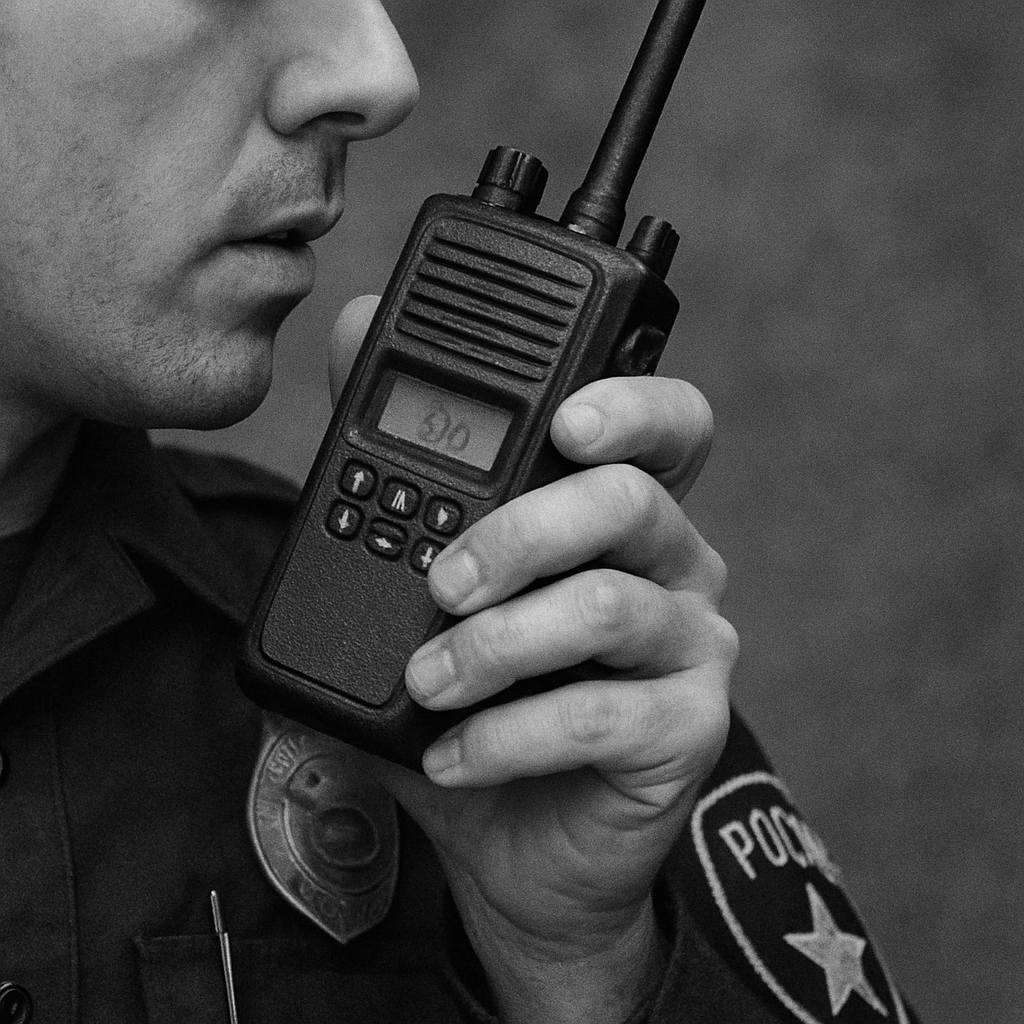
When you think about the tools that are essential for law enforcement, police radios are likely near the top of the list. These devices are crucial for maintaining communication and coordination among officers, especially during emergencies. But what exactly are police radios, and how do they work? In this article, we’ll delve into the world of police radios, explaining their purpose, functionality, and significance in law enforcement. Understanding Police Radios Police radios are a type of two-way radio used by law enforcement agencies to communicate with officers in the field. They allow for real-time communication, which is vital for coordinating responses, sharing information, and ensuring officer safety. Unlike regular radios that only receive signals, two-way radios can both send and receive messages, making them indispensable in situations where quick and clear communication is necessary. Types of Police Radios There are several types of police radios, each serving different needs: How Do Police Radios Work? Police radios operate on specific radio frequencies allocated for public safety communications. These frequencies are part of the VHF (Very High Frequency) and UHF (Ultra High Frequency) bands, allowing for clear communication over long distances. Radio Frequency Bands Trunked Radio Systems Many police departments use trunked radio systems to manage their communications. A trunked system allows multiple users to share a small number of radio frequencies efficiently. When an officer keys the microphone to speak, the system automatically assigns a frequency, ensuring seamless communication without interference. Encryption and Security To ensure that police communications remain private and secure, many radio systems use encryption. Encryption prevents unauthorized individuals from listening in on police communications, protecting sensitive information and enhancing officer safety. The Importance of Police Radios in Emergencies In emergencies, communication is crucial. Police radios enable officers to coordinate responses quickly and efficiently. Whether it’s a high-speed chase, a natural disaster, or a medical emergency, police radios ensure that officers can communicate effectively to manage the situation. Real-Time Communication Real-time communication is one of the most significant advantages of police radios. Officers can instantly relay information, request backup, or update their status, which is essential in rapidly evolving scenarios. Coordination and Collaboration In large-scale emergencies, different agencies often need to work together. Police radios facilitate inter-agency communication, allowing for better coordination and collaboration. This capability is vital for ensuring a unified response during incidents involving multiple jurisdictions. Challenges and Limitations While police radios are indispensable, they do have some challenges and limitations:…