-
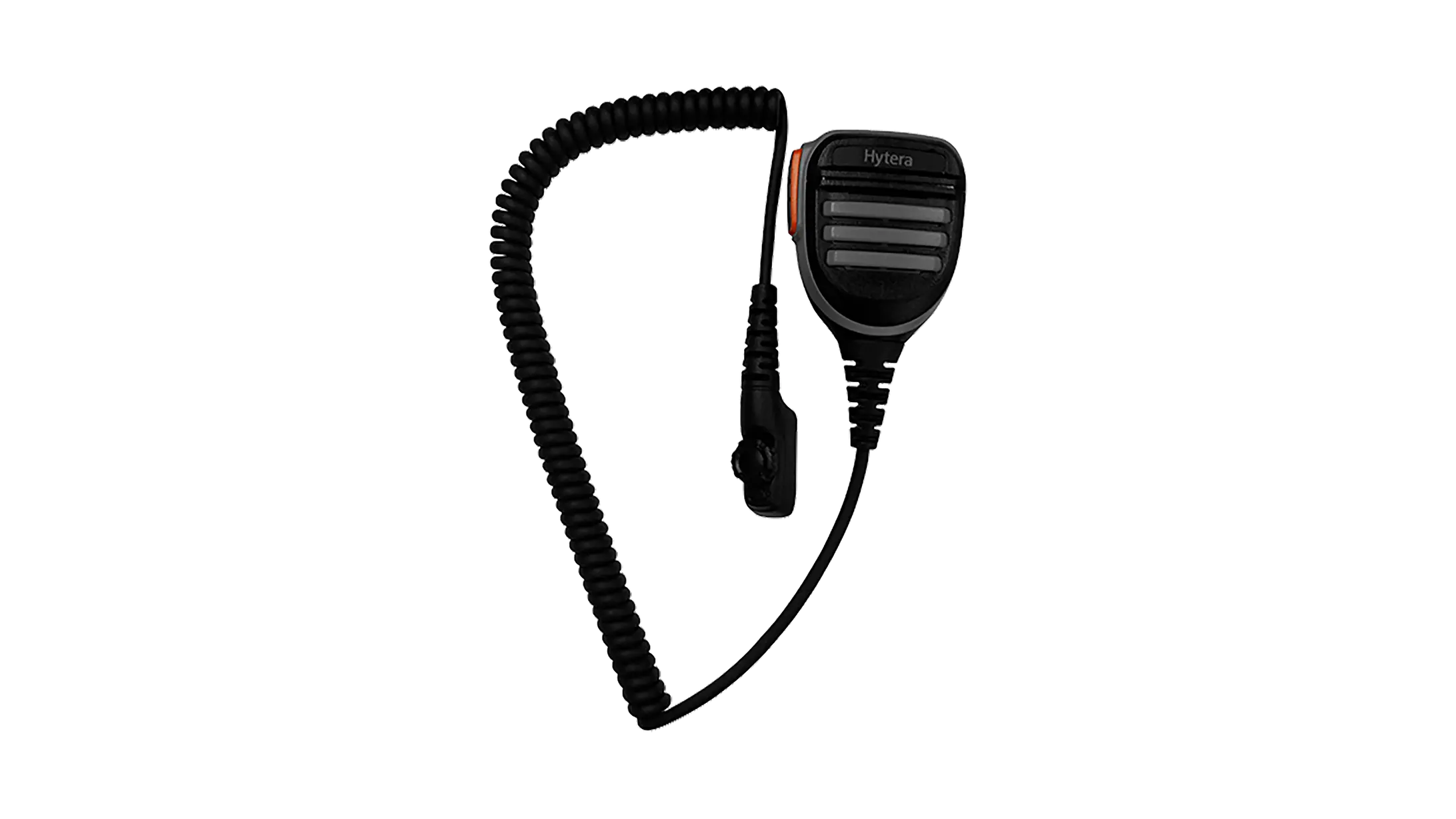
How to Choose the Right Radio Microphone
Picture a performer attempting a stage dive while tangled in thirty feet of heavy copper cable. It creates a physical…
-

How to Choose a Multiband Handheld Radio
Imagine hiking five miles into a trail when your phone’s “No Service” icon starts blinking. In that moment, safety isn’t…
-

what type of radio do police use
You’ve likely seen the heavy black device clipped to an officer’s uniform countless times. While it might resemble the simple…
-
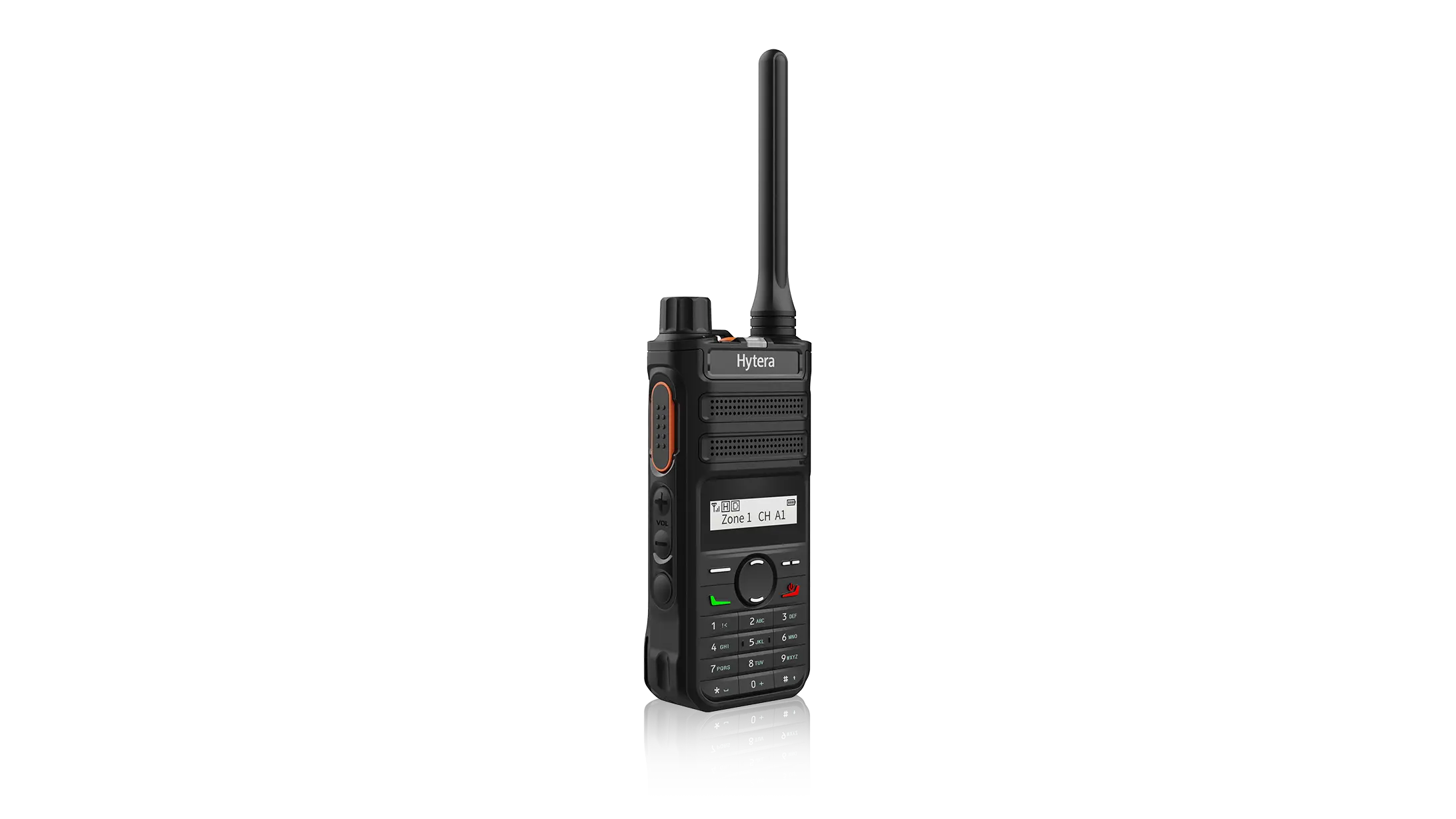
Choosing the Best Construction Radio for Job Sites
We’ve all witnessed the relatable disaster: a sleek Bluetooth speaker knocked off a ladder or choked by drywall dust during…
-

Best Long Distance Two Way Radios Reviewed
In today’s fast-paced world, staying connected is more important than ever, especially when you’re out of cell phone range. Whether you’re hiking in remote areas, coordinating a large event, or needing reliable communication for professional use, long distance two way radios are a must-have. This article will explore the best long distance two way radios on the market, providing you with an in-depth review to help you choose the right model for your needs. Before diving into the reviews, let’s discuss what you should consider when selecting a long distance two way radio. Here are some key features to look for: Range The range is perhaps the most critical factor. Long range radios should offer clear communication over several miles. Keep in mind that the actual range can vary based on terrain and obstructions like buildings or hills. Battery Life Long-lasting battery life is essential, especially if you’ll be using the radios for extended periods without access to charging facilities. Look for models that offer a balance between battery life and performance. Durability If you’re using your radios in outdoor or rugged environments, durability is a must. Many models are water-resistant and built to withstand drops and harsh conditions. Channels and Privacy Codes Having multiple channels and privacy codes can help minimize interference from other radio users. This is particularly important in crowded areas or when using radios for professional purposes. Additional Features Some radios come with extra features such as weather alerts, built-in flashlights, or hands-free operation. Depending on your needs, these can be beneficial. Top Picks for Long Distance Two Way Radios Now, let’s dive into our reviews of the best long distance two way radios currently available. 1. Motorola T600 H2O The Motorola T600 H2O is an excellent choice for outdoor enthusiasts. Its standout feature is its waterproof design, allowing it to float if accidentally dropped in water. With a range of up to 35 miles in optimal conditions, it offers reliable communication for hiking, camping, and boating trips. Pros: Cons: 2. Midland GXT1000VP4 The Midland GXT1000VP4 is a powerhouse when it comes to long range radios. It boasts a range of up to 36 miles and includes 50 channels with 142 privacy codes to minimize interference. This model is particularly popular for professional use due to its robust features and reliability.…
-
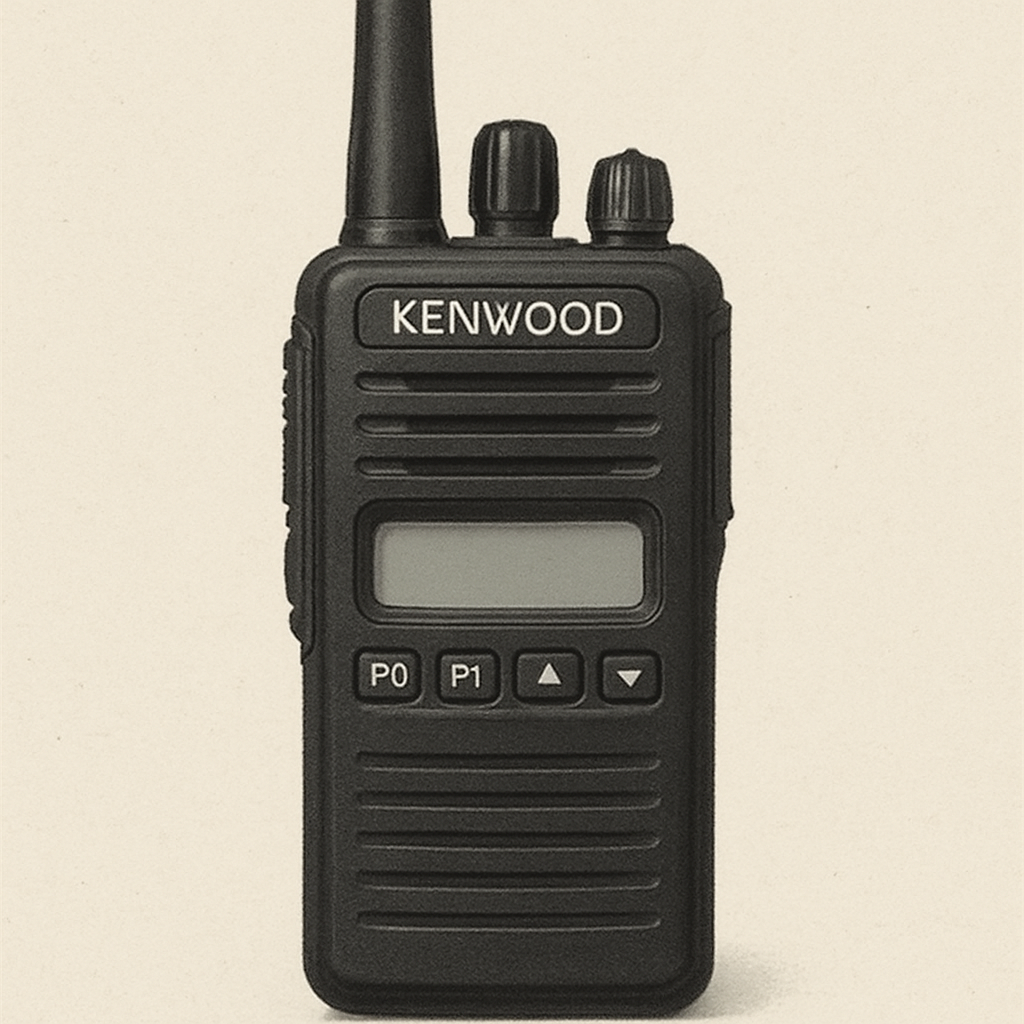
Exploring the Features of Kenwood Two-Way Radios
When it comes to reliable communication, Kenwood two-way radios have long been a trusted choice for professionals and hobbyists alike. Known for their durability and advanced features, these portable radios are ideal for a range of applications, from construction sites to outdoor adventures. In this article, we will explore the key features that make Kenwood radios a top choice for users. Kenwood two-way radios are built to withstand tough conditions. Whether you’re navigating a construction site or embarking on a camping trip, these radios are designed to endure. Many models come with rugged exteriors that are resistant to dust, water, and impact, ensuring that your device continues to function even in harsh environments. This durability makes them a reliable tool for professionals who need consistent communication in challenging settings. Advanced Communication Features Kenwood radios come equipped with a variety of features that enhance communication capabilities. One notable feature is the noise-canceling technology, which ensures clear audio even in noisy environments. This is crucial for users who work in areas with high levels of background noise, such as construction or manufacturing plants. Additionally, many Kenwood models offer customizable channel options, allowing users to select from a range of frequencies for uninterrupted communication. This flexibility is particularly useful for businesses that require secure and private communication channels. Portability and Convenience Portability is a key aspect of Kenwood’s two-way radios. Designed with the user in mind, these radios are lightweight and easy to carry, making them perfect for both professional and recreational use. The compact design does not compromise on functionality, as they are still loaded with the necessary features for effective communication. Moreover, Kenwood radios often come with long-lasting battery life, reducing the need for frequent recharging. This is especially beneficial for users who are on the move and may not have regular access to charging stations. Easy-to-Use Interface Kenwood places a strong emphasis on user-friendly design. The intuitive interface of their radios means that even those new to two-way radios can quickly learn to operate them efficiently. Clear displays and straightforward controls allow users to focus on the task at hand rather than grappling with complicated settings. Versatility Across Industries Kenwood two-way radios are versatile tools used across various industries. From event management to emergency services, these radios provide reliable communication solutions tailored to the specific needs of different sectors. Their adaptability and range of features make them a valuable asset in any field requiring effective and efficient communication. In summary, Kenwood two-way radios offer a combination of durability, advanced features, and user-friendly design, making them an excellent choice for a wide range of applications. Whether for professional use or personal adventures, these radios provide the reliable communication you need to stay connected.
-
The Evolution of Two-Way Radios in the 1930s
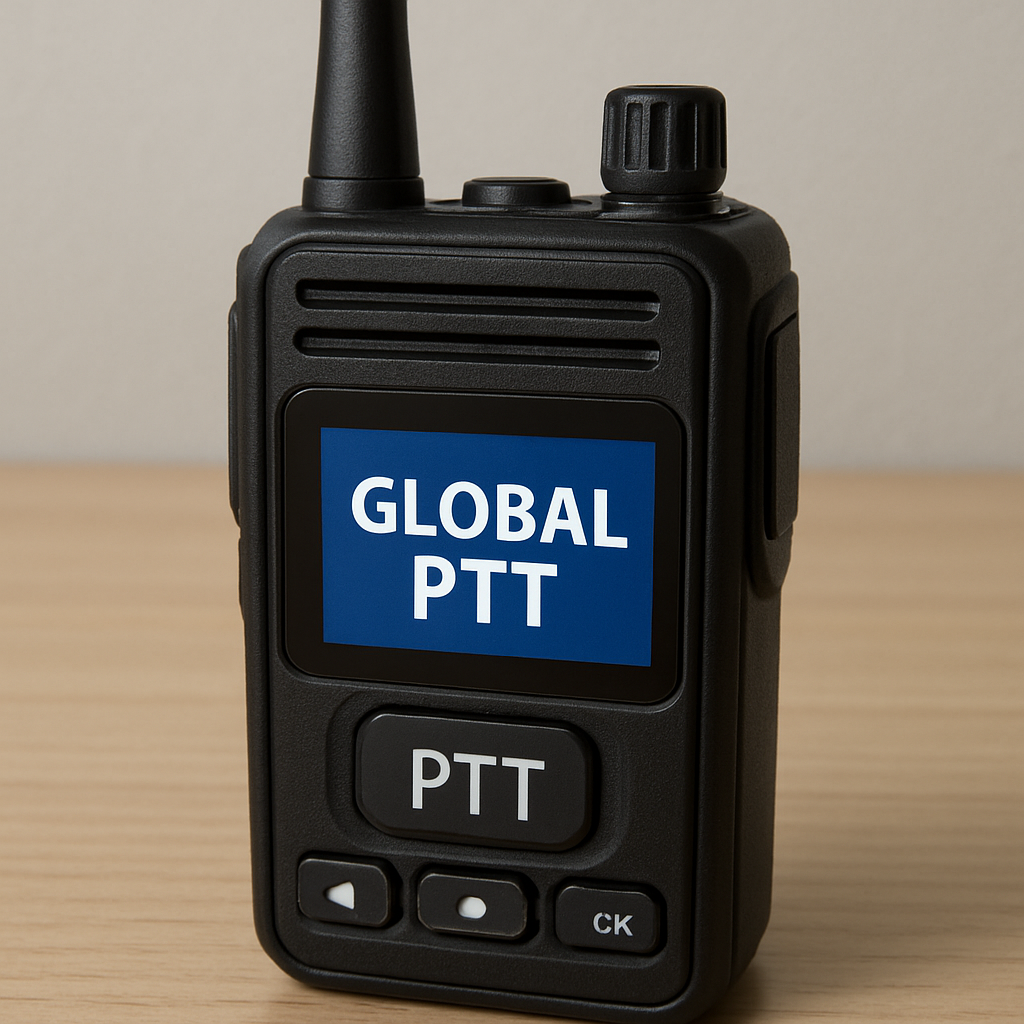
Two-way radios, also known as transceivers, initially emerged in the early 20th century. Before the 1930s, radio communication was largely one-way, with devices like the crystal radio sets allowing people to listen to broadcasts but not to transmit messages. The concept of two-way communication began to take shape in the 1920s, but it was the 1930s that truly catalyzed its development. The transition from one-way to two-way communication marked a fundamental shift in how information was transmitted and received. Prior to this, the primary focus was on broadcasting information to large audiences, often leading to a passive communication experience. The emergence of two-way systems introduced a dynamic exchange, enabling interactive dialogue and real-time feedback. This shift was crucial for sectors that required immediate and responsive communication channels, laying the groundwork for more complex systems. Pioneering engineers and inventors played a crucial role in the early development of two-way radios. Figures like Guglielmo Marconi, who is often credited with the invention of the radio, set the stage for further innovations. Their experiments with radio waves and wireless communication paved the way for future advancements. By the 1930s, these foundational concepts were being expanded upon, with inventors exploring ways to make communication more interactive and efficient. The demand for two-way communication arose from several sectors. The military required reliable communication systems for coordination during operations, while industries like shipping and railroads needed improved ways to communicate over distances. Moreover, law enforcement agencies sought efficient communication tools to enhance their response capabilities. This burgeoning demand acted as a catalyst, driving technological advancements and encouraging investment into radio communication research. The 1930s was a decade of innovation and experimentation in radio technology. Engineers and inventors worked tirelessly to improve the range, reliability, and portability of radios. Key developments during this period laid the groundwork for modern radio communication systems. One of the most significant breakthroughs of the 1930s was the invention of the walkie-talkie. Credited to Canadian engineer Donald L. Hings, the walkie-talkie was initially designed for bush pilots and forest rangers who needed a portable communication device. The first models were relatively large and cumbersome, but they represented a monumental step forward in mobile communication. The early walkie-talkies, though bulky by today’s standards, were revolutionary in their design and functionality. These devices were encased in large, heavy-duty boxes with long antennas, designed to withstand the rugged environments in which they were used. Despite their size, they provided a crucial lifeline for communication in remote areas, demonstrating the potential for portable radios in various applications. The utility of the walkie-talkie quickly caught the attention of military forces around the world. The ability to communicate across distances without the need for fixed infrastructure made these devices invaluable for tactical operations. As a result, military versions of the walkie-talkie were developed, featuring improvements in range and durability, which played a significant role in military strategies during the ensuing World War II. As technology advanced, the civilian sector began to adopt and adapt walkie-talkies for non-military uses. Industries such as construction, public safety, and event management found these devices indispensable for coordinating teams and ensuring smooth operations. The spread of walkie-talkies into civilian life underscored their versatility and the growing importance of portable communication. Another crucial advancement was the development of frequency modulation (FM) technology by American engineer Edwin Armstrong. FM offered a significant improvement over amplitude modulation (AM), providing clearer sound quality and reduced interference. Although FM radio did not become widespread until later, its foundational work in the 1930s was vital for the future of two-way radio technology. Frequency modulation involves varying the frequency of a carrier wave in accordance with the information signal. This method contrasts with amplitude modulation, which varies the signal’s amplitude. FM’s ability to provide high-fidelity sound and its resistance to static interference made it a superior choice for clear and reliable communication. These characteristics were particularly beneficial for two-way radio systems that required precise and uninterrupted transmission. Edwin Armstrong’s pioneering work in FM technology was groundbreaking. His experiments demonstrated that frequency modulation could significantly reduce noise and static, issues that plagued AM radio. Armstrong’s patents and research laid the groundwork for the adoption of FM in various communication technologies, setting the stage for its widespread use in the decades to follow. The long-term impact of FM technology on radio communication cannot be overstated. It paved the way for modern radio broadcasting, influencing everything from music radio stations to emergency services communication. The clarity and reliability of FM transmissions made it a preferred choice for two-way radios, ensuring that messages could be conveyed accurately even in challenging conditions. The impact of two-way radios in the 1930s was profound, affecting both military operations and civilian life. These devices changed the way people communicated and coordinated in various fields. In the military, two-way radios became indispensable tools for coordination and strategy. They were used extensively during World War II, but their development in the 1930s set the stage for their wartime utility. The ability to communicate in real-time across battlefields transformed military tactics and improved command and control capabilities. Two-way radios revolutionized military strategy by enabling real-time communication between units on the battlefield. Commanders could issue orders and receive feedback instantaneously, allowing for more flexible and responsive tactics. This real-time coordination was crucial for executing complex maneuvers and adapting to rapidly changing conditions during military operations. Before the advent of two-way radios, communication on the battlefield was often slow and unreliable, relying on messengers or wired systems that could be easily disrupted. The introduction of portable radios allowed for direct and secure communication, significantly reducing the time it took to relay critical information. This enhancement in communication capabilities was a game-changer for military effectiveness. The military’s reliance on two-way radios spurred further innovations in radio technology. Specialized military radios were developed to meet the demanding requirements of wartime communication, featuring improved encryption, range, and durability. These advancements not only supported military efforts during the 1930s and 1940s but also influenced the design of future communication devices for both military and civilian use. Beyond the military, two-way radios found applications in numerous civilian sectors. Police departments adopted them to enhance their communication networks, leading to quicker response times and improved public safety. Similarly, industries like transportation and construction began using two-way radios to streamline operations and improve efficiency. In the realm of public safety, two-way radios became essential tools for police and emergency services. They enabled rapid communication between officers and dispatchers, facilitating coordinated responses to incidents. This enhanced communication capability improved response times and overall effectiveness, significantly impacting community safety and crime prevention efforts.…
-
Best Two Way Radios for Emergency Preparedness
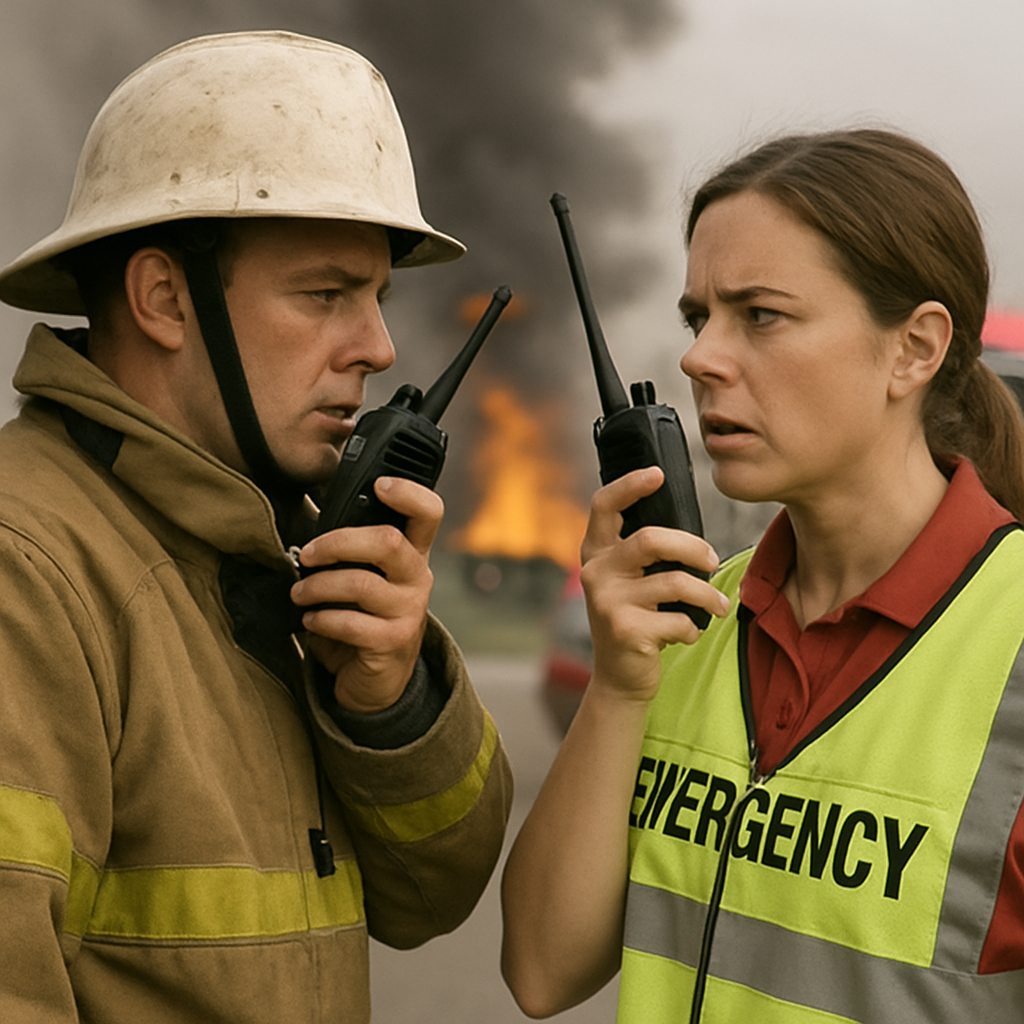
In times of emergencies, communication becomes a lifeline. Whether you’re venturing into the wilderness or facing the wrath of a natural disaster, having a reliable way to communicate can make the difference between life and death. Two-way radios, commonly known as walkie-talkies, are indispensable tools for emergency preparedness. They facilitate staying connected with your group, coordinating efforts, and receiving critical updates. In this article, we will delve into the best two-way radios available for emergency situations and explore why they are essential components of your preparedness kit. Two-way radios are a cornerstone for emergency communication due to their robust reliability and user-friendliness. Unlike cell phones, which rely on networks that can be disrupted during emergencies, two-way radios operate on radio frequencies that remain largely unaffected. This makes them a reliable choice when other communication methods falter. Advantages of Two-Way Radios Over Cell Phones Key Benefits of Two-Way Radios Two-way radios offer several advantages that make them ideal for emergency preparedness: Choosing the Best Two-Way Radios for Emergencies Selecting the right two-way radios for emergency preparedness involves careful consideration of various factors to ensure optimal performance when you need it most. Understanding Range Capabilities The range of a two-way radio is a critical factor to consider. The best two-way radios for emergencies typically offer a range spanning several miles. However, it’s important to remember that the actual range can be influenced by obstacles such as buildings, trees, and terrain. Understanding these limitations will help you choose a model that best suits your needs. Factors Affecting Range Evaluating Battery Life Options In an emergency, you don’t want to worry about your radio running out of power. Look for models that boast long battery life. Some radios offer rechargeable batteries, while others utilize standard AA or AAA batteries, which can be easily replaced. Battery Considerations Assessing Durability Features Emergencies often occur in harsh environments, making it essential to select a radio that is water-resistant or waterproof and can withstand drops and impacts. Durability Enhancements Exploring Additional Features Modern two-way radios come equipped with various features that can be invaluable in emergencies. These include: Top Picks for Two-Way Radios Here are some of the best two-way radios that combine reliability, range, and features suitable for emergencies:…
-

How to Choose a Midland Walkie Talkie
When it comes to reliable communication devices, Midland walkie talkies have stood the test of time. Whether you’re an outdoor enthusiast, a security professional, or someone looking for a dependable way to stay in touch, choosing the right Midland walkie talkie can make a significant difference. Let’s explore some crucial factors to consider in your selection process. Before diving into the specifications, it’s vital to understand your specific needs. Are you going to use your walkie talkie for hiking, camping, or professional purposes? Different situations demand different features. For instance, outdoor adventures may require a model with a longer range and weatherproof capabilities, while professional use might need clearer audio quality and durability. Range and Frequency The range is a critical factor when choosing a walkie talkie. Midland walkie talkies typically offer a range between 16 to 36 miles in optimal conditions. However, environmental factors like buildings, trees, and weather can impact this range. Consider how far you need to communicate and check for models with the appropriate range. Also, understand the difference between UHF (Ultra High Frequency) and VHF (Very High Frequency) radios. UHF radios are versatile and work well indoors, while VHF radios are better suited for open areas. Battery Life Battery life can make or break your communication experience. Midland radios generally offer rechargeable battery packs and can support standard AA or AAA batteries for convenience. Evaluate how long you need the walkie talkie to last on a single charge and whether quick charging options are available. For extended use, models with longer battery life or backup options are preferable. Features and Accessories Midland walkie talkies come with various features that can enhance your experience. Look for models with NOAA weather alerts if you’ll be outdoors, voice activation for hands-free use, or multiple privacy codes to ensure secure communication. Additional accessories, such as belt clips, headsets, and external microphones, can also be beneficial depending on your usage. Budget Considerations Finally, consider your budget. Midland offers a range of walkie talkies from basic models to more advanced options with numerous features. Establish a budget that balances your needs and the features you require. Sometimes investing a bit more upfront can save you from frequent replacements or upgrades. Conclusion Selecting the right Midland walkie talkie involves a careful assessment of your needs, understanding of technical specifications, and consideration of additional features that enhance usability. By focusing on range, battery life, and budget, you can find a Midland radio that serves you well in any situation. Whether for leisure or professional use, the right choice will ensure you stay connected when it matters most. With these guidelines in mind, you’re now equipped to make an informed decision. Happy communicating!