Picture a performer attempting a stage dive while tangled in thirty feet of heavy copper cable. It creates a physical mess. A radio microphone solves this by swapping the wire for an invisible courier. The device converts your voice into a signal that flies through the air, granting you the freedom to move without technical tethers.
Handhelds to Bodypacks: Picking the Right Tool for Your Stage
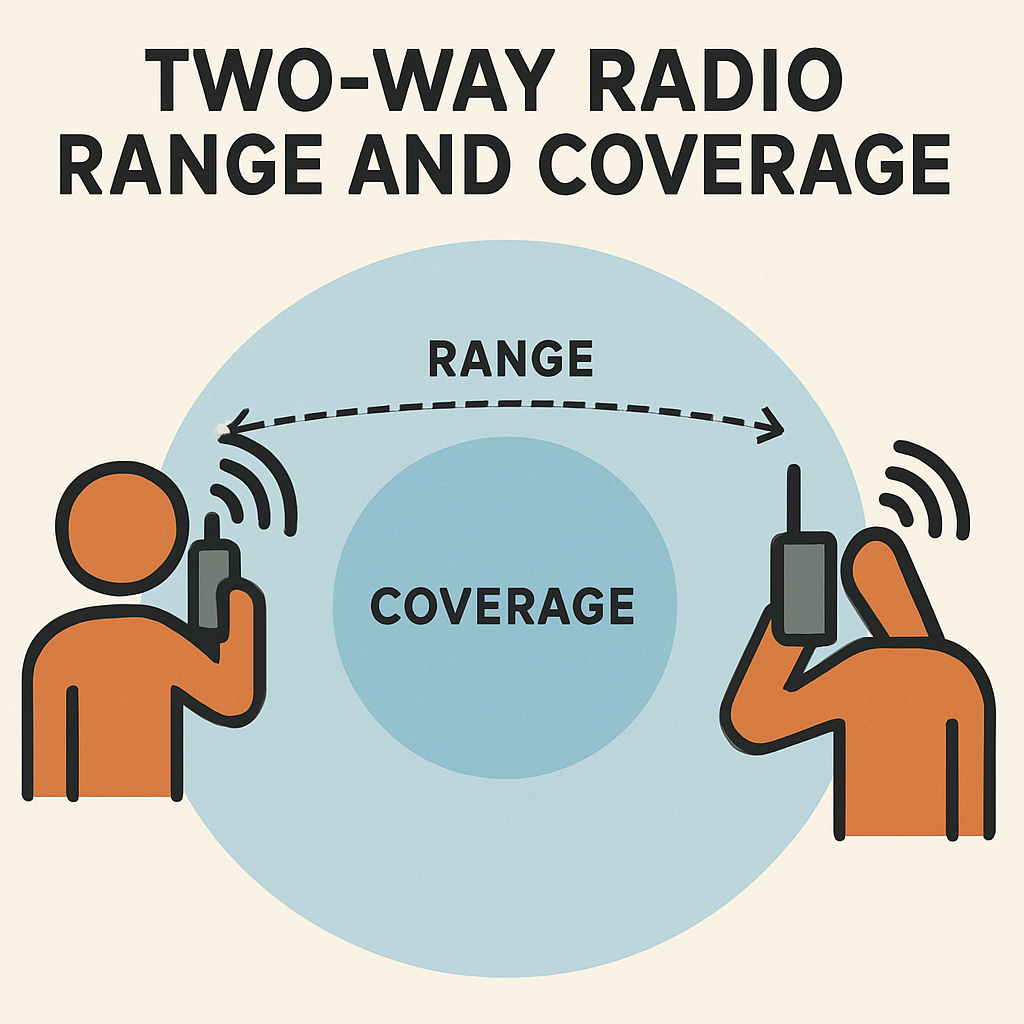
To banish the cable, every wireless setup relies on a specific partnership: the transmitter and the receiver. The transmitter acts like a miniature radio station, taking the electrical signal from your voice and beaming it across the room. Standing guard near the sound system is the receiver, a box that catches those invisible waves and converts them back into audio the audience can hear.
Selecting the right form factor comes down to how you plan to move. A handheld transmitter for stage use hides the radio electronics inside the handle, offering a classic grip for singers. If you need hands-free flexibility, a wireless bodypack transmitter configuration clips to a belt and connects to a specific portable mic style:
- Handheld: Ideal for interviews, singing, or passing around a crowd.
- Lavalier: A tiny clip-on “lapel” unit for discreet presentations.
- Headset: Keeps the mic close to the mouth during active movement like aerobics.
With your hardware selected, the next challenge is ensuring your signal doesn’t crash on the invisible highway.
Analog vs. Digital: Navigating the Invisible Traffic of the Frequency Highway
Just as a car needs a clear lane to drive, your audio signal travels on specific radio frequencies. Most professional wireless mic systems operate on the UHF (Ultra High Frequency) band, which acts like a multi-lane superhighway capable of penetrating walls and avoiding the congestion found in the older, crowded VHF (Very High Frequency) bands. Even on the UHF highway, you must share the road with TV stations and other wireless devices, making the choice between analog vs digital wireless systems crucial for survival.
The method your microphone uses to pack sound for travel defines the listening experience. Analog systems send sound as a continuous wave, meaning that as the signal gets weaker, you hear static—much like driving a car out of range of a radio station. Digital wireless audio transmission converts your voice into computer code (ones and zeros) before sending it. The receiver doesn’t play static; it either receives the perfect code or remains silent, eliminating those dreaded “whooshing” noises during quiet moments.
Modern setups favor these digital lanes because they actively fight confusion in the airwaves. By distinguishing actual audio data from random radio noise, digital systems offer specific protections regarding how to prevent wireless interference:
- Interference Rejection: Digital receivers ignore stray radio signals that don’t match their specific code.
- Signal Security: Encryption keeps your audio private from nearby scanners.
- Battery Efficiency: Smarter transmission often yields longer runtimes.
Knowing which system you have is step one; step two is ensuring everything is set correctly before you walk on stage.
The Flawless Performance Checklist: Your Path to Interference-Free Sound
You no longer need to rely on luck when setting up a wireless microphone system. Trust this pre-show routine to guarantee stability:
- Check rechargeable battery life for wireless audio.
- Adjust antenna placement.
- Run a frequency scan.
- Confirm line-of-sight to the receiver.
By respecting these invisible boundaries, you succeed at eliminating dropouts in cordless setups. Audio freedom isn’t magic; it is preparation. You are now ready to cut the cord with confidence.
Contact us for your Radio Microphone, Racher: +86 193 0864 1458.