In times of emergencies, communication becomes a lifeline. Whether you’re venturing into the wilderness or facing the wrath of a natural disaster, having a reliable way to communicate can make the difference between life and death. Two-way radios, commonly known as walkie-talkies, are indispensable tools for emergency preparedness. They facilitate staying connected with your group, coordinating efforts, and receiving critical updates. In this article, we will delve into the best two-way radios available for emergency situations and explore why they are essential components of your preparedness kit.
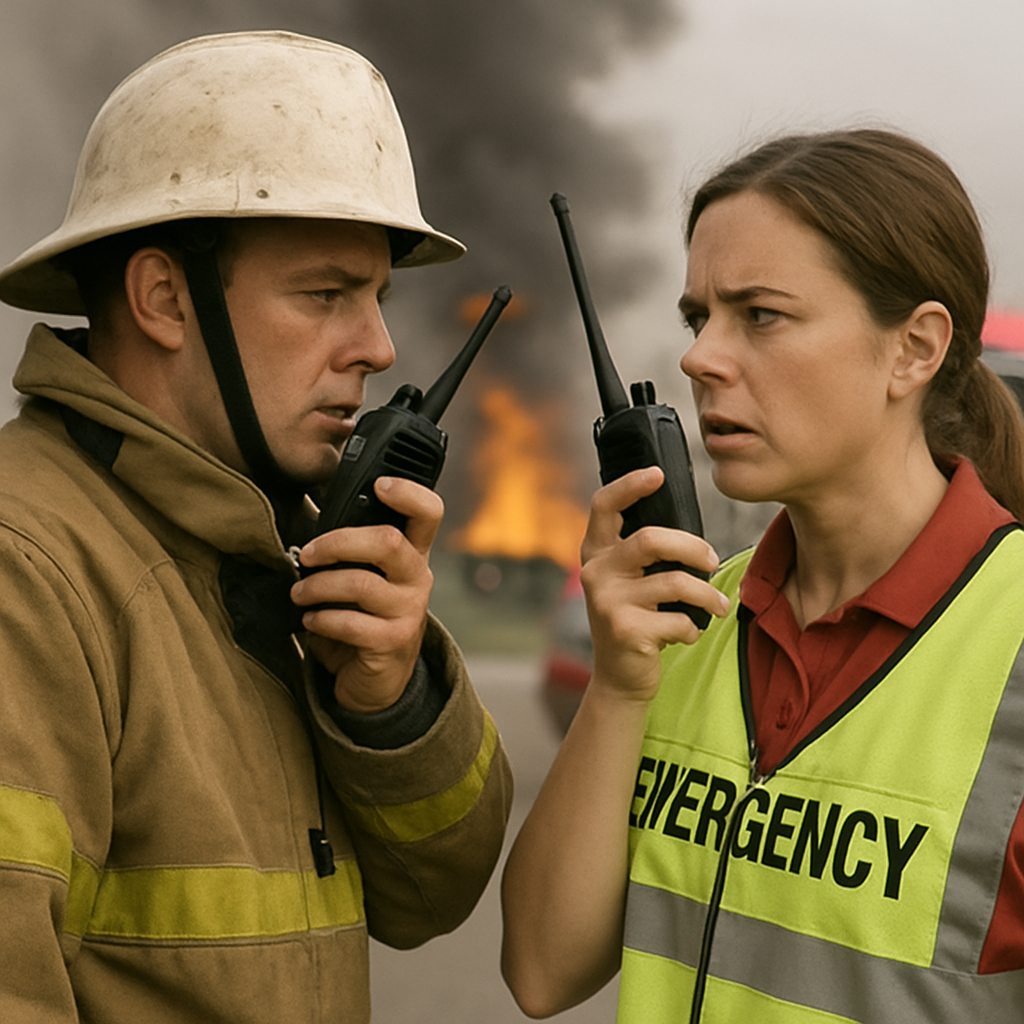
Two-way radios are a cornerstone for emergency communication due to their robust reliability and user-friendliness. Unlike cell phones, which rely on networks that can be disrupted during emergencies, two-way radios operate on radio frequencies that remain largely unaffected. This makes them a reliable choice when other communication methods falter.
Advantages of Two-Way Radios Over Cell Phones
- Network Independence: Two-way radios do not depend on cellular networks, which often become overwhelmed or fail during emergencies. This independence ensures that you can maintain communication even in remote areas where cell coverage is sparse.
- Immediate Communication: Unlike cell phones, two-way radios provide instant communication without the need to dial a number. This immediacy can be crucial in fast-moving emergency situations where every second counts.
- Group Communication: Two-way radios allow for seamless group communication. Multiple users can listen and respond on the same frequency, enabling coordinated efforts and ensuring everyone stays informed simultaneously.
Key Benefits of Two-Way Radios
Two-way radios offer several advantages that make them ideal for emergency preparedness:
- Reliability: These radios remain operational even when cell towers are down, offering a dependable line of communication when it matters most.
- Durability: Built to withstand harsh conditions, two-way radios are designed for rugged use. Whether you encounter rain, dust, or accidental drops, these devices are engineered to keep functioning.
- Battery Life: Many two-way radios boast long-lasting batteries, with options for rechargeable or replaceable batteries. This ensures you can stay connected for extended periods without the fear of losing power.
- Ease of Use: With simple controls, two-way radios allow for quick and efficient communication, even for those with limited technical expertise.
- Range: Depending on the environment, many models offer a range that can cover several miles, ensuring you stay connected even when separated by distance.
Choosing the Best Two-Way Radios for Emergencies
Selecting the right two-way radios for emergency preparedness involves careful consideration of various factors to ensure optimal performance when you need it most.
Understanding Range Capabilities
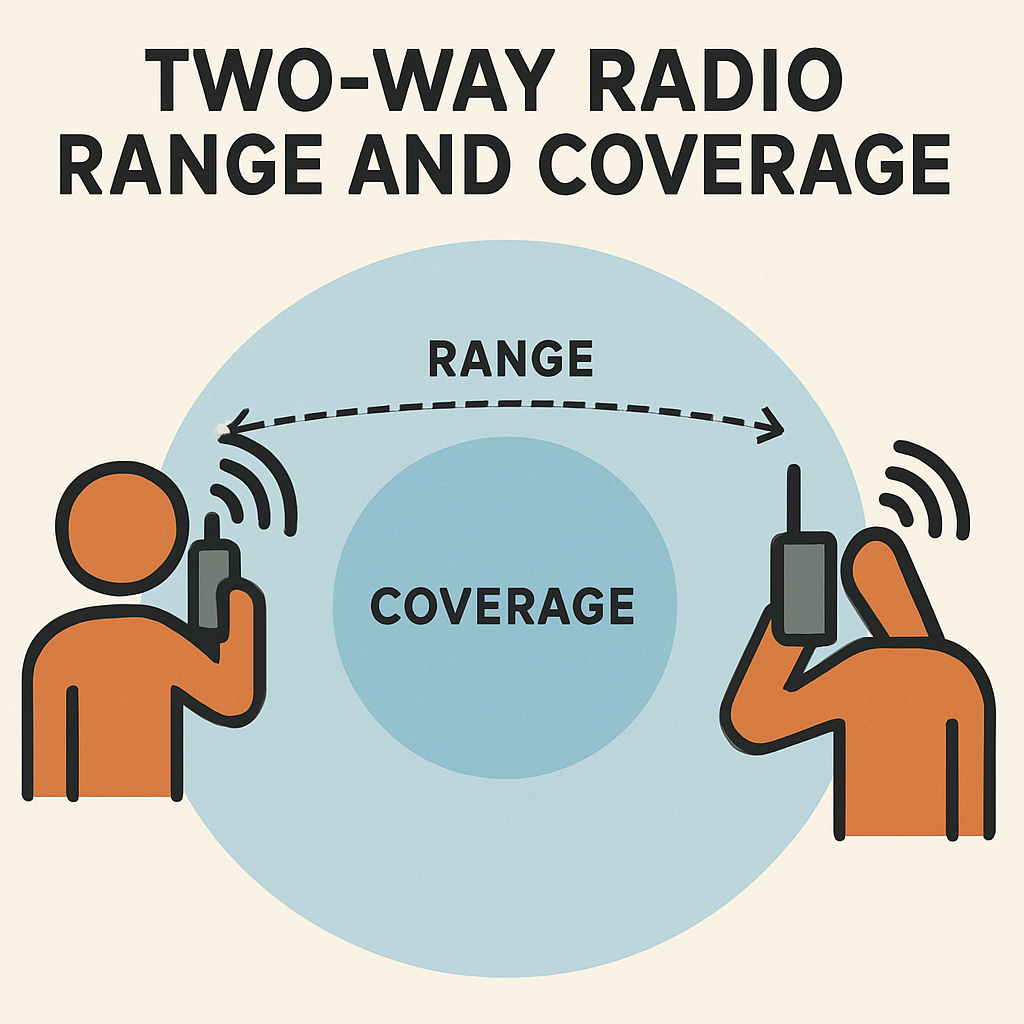
The range of a two-way radio is a critical factor to consider. The best two-way radios for emergencies typically offer a range spanning several miles. However, it’s important to remember that the actual range can be influenced by obstacles such as buildings, trees, and terrain. Understanding these limitations will help you choose a model that best suits your needs.
Factors Affecting Range
- Environmental Obstacles: Physical barriers like mountains, dense forests, and urban structures can impede signal strength, reducing the effective range of your radio.
- Weather Conditions: Adverse weather conditions, such as heavy rain or fog, can also impact the range and clarity of radio communications.
- Power Output: Higher wattage radios generally offer a greater range. Understanding the power output of different models can help you select a radio that meets your distance requirements.
Evaluating Battery Life Options
In an emergency, you don’t want to worry about your radio running out of power. Look for models that boast long battery life. Some radios offer rechargeable batteries, while others utilize standard AA or AAA batteries, which can be easily replaced.
Battery Considerations
- Rechargeable vs. Replaceable: Consider whether you prefer the convenience of rechargeable batteries or the flexibility of replaceable ones, which can be swapped out in the field.
- Extended Use: Some radios offer power-saving modes or additional battery packs to extend use during prolonged emergencies.
- Charging Solutions: Explore alternative charging methods such as solar chargers or hand-crank options, which can be invaluable during extended power outages.
Assessing Durability Features
Emergencies often occur in harsh environments, making it essential to select a radio that is water-resistant or waterproof and can withstand drops and impacts.
Durability Enhancements
- Waterproofing: Models with IP ratings for water resistance ensure reliability in wet conditions, whether you’re dealing with rain, splashes, or submersion.
- Shock Resistance: Radios designed with rugged casings can endure rough handling, ensuring they remain functional even after accidental drops.
- Temperature Tolerance: Some radios are built to operate in extreme temperatures, making them suitable for both scorching heat and freezing cold.
Exploring Additional Features
Modern two-way radios come equipped with various features that can be invaluable in emergencies. These include:
- NOAA Weather Alerts: These alerts provide real-time updates on severe weather conditions, allowing you to take necessary precautions.
- Emergency Alert Button: An emergency alert button sends out a distress signal to other radios, alerting your group to any urgent situations.
- Built-in Flashlight: A built-in flashlight can prove invaluable in low-light scenarios, offering an additional layer of safety.
- Privacy Codes: Privacy codes help reduce interference by allowing you to use specific frequencies, ensuring clear communication with your group.
Top Picks for Two-Way Radios
Here are some of the best two-way radios that combine reliability, range, and features suitable for emergencies:
1. Motorola T600 H2O Talkabout Radio
The Motorola T600 H2O is a popular choice for those who need a rugged and waterproof radio. It’s designed to float and has an IP67 waterproof rating, making it perfect for water-based activities and rainy conditions. With a range of up to 35 miles, it’s ideal for both emergencies and outdoor adventures. It also includes NOAA weather alerts and a built-in flashlight.
Detailed Features
- Waterproof and Floating Design: The floating design ensures the radio remains retrievable if dropped in water, while the IP67 rating protects against dust and immersion.
- Extended Range: The impressive 35-mile range in optimal conditions allows for communication over vast areas, suitable for both urban and rural settings.
- Emergency Features: Equipped with NOAA alerts and an emergency alert button, this model keeps you informed and ready to signal for help when needed.
2. Midland GXT1000VP4
The Midland GXT1000VP4 offers a robust set of features, including a 36-mile range (in optimal conditions), 50 channels, and 142 privacy codes. It’s JIS4 waterproof, meaning it can handle light rain and splashes. The radio also provides NOAA weather alerts and an emergency alert button, ensuring you’re prepared for unexpected situations.
Robust Capabilities
- Extensive Channel Options: With 50 channels and 142 privacy codes, users can find clear communication lines, minimizing interference.
- Weather Resistance: The JIS4 waterproof rating ensures the radio withstands light rain, making it suitable for various outdoor conditions.
- Comprehensive Alerts: NOAA weather alerts and an emergency alert button provide essential updates and quick access to emergency assistance.
3. BaoFeng BF-F8HP
For those looking for a more versatile option, the BaoFeng BF-F8HP is a dual-band two-way radio that supports both VHF and UHF frequencies. It has an impressive 8-watt output power, giving it an extended range. Its compact design makes it easy to carry, and it comes with a durable battery for prolonged use. While it may require a bit of a learning curve to use all its features, it’s a powerful tool for emergency preparedness.
Versatile Functionality
- Dual-Band Flexibility: Supporting both VHF and UHF frequencies, this radio offers versatility in communication options, suitable for various environments.
- High Output Power: The 8-watt output enhances range capabilities, ensuring you remain connected over greater distances.
- User-Friendly Design: Despite its advanced features, the compact design and durable battery make it a practical choice for extended use in emergencies.
Tips for Using Two-Way Radios in Emergencies
Having a two-way radio is only part of the equation. Here are some tips to ensure effective communication during emergencies:
Familiarize Yourself with Your Radio
- Hands-On Practice: Before an emergency occurs, take the time to learn how to use your radio. Practice with friends or family to understand all the features and settings.
- Regular Testing: Conduct regular tests to ensure the radio is functioning correctly and to refresh your memory on its operation.
- Troubleshooting Knowledge: Familiarize yourself with common troubleshooting steps, such as adjusting frequencies or changing batteries, to quickly resolve issues.
Prepare for Power Outages
- Stockpile Batteries: Always have spare batteries or a charging method available. Consider solar chargers or hand-crank options for prolonged power outages.
- Battery Management: Practice efficient battery management by turning off the radio when not in use and utilizing power-saving modes if available.
- Charging Alternatives: Explore alternative charging solutions, such as portable power banks, to ensure your radio remains operational during extended emergencies.
Establish Communication Protocols
- Communication Plans: Set up a communication plan with your group. Decide on specific channels and check-in times to ensure everyone stays connected and informed.
- Channel Designation: Designate primary and secondary channels for communication to avoid interference and ensure clear lines of contact.
- Regular Check-ins: Schedule regular check-ins to maintain contact and address any issues that may arise during an emergency.
Monitor Weather Channels
- Stay Informed: If your radio has NOAA alerts, keep it tuned to weather channels to receive important updates on changing conditions.
- Alert Awareness: Familiarize yourself with the different types of alerts and their meanings to respond appropriately to each situation.
- Weather Preparedness: Use weather updates to make informed decisions about shelter, evacuation, and other critical actions during an emergency.
Conclusion
In an emergency, staying connected is vital. Two-way radios provide a reliable means of communication when other methods fail. By choosing the right radio and understanding how to use it effectively, you can ensure that you and your loved ones are prepared for whatever comes your way. Whether you’re looking for the best two-way radios for hunting or general emergency preparedness, the models listed above are excellent choices to keep you connected and safe.
Remember, preparation is key. Equip yourself with a dependable two-way radio, and you’ll be ready to face any emergency with confidence. By integrating these devices into your emergency plan, you enhance your ability to communicate effectively, stay informed, and ensure the safety of everyone involved.