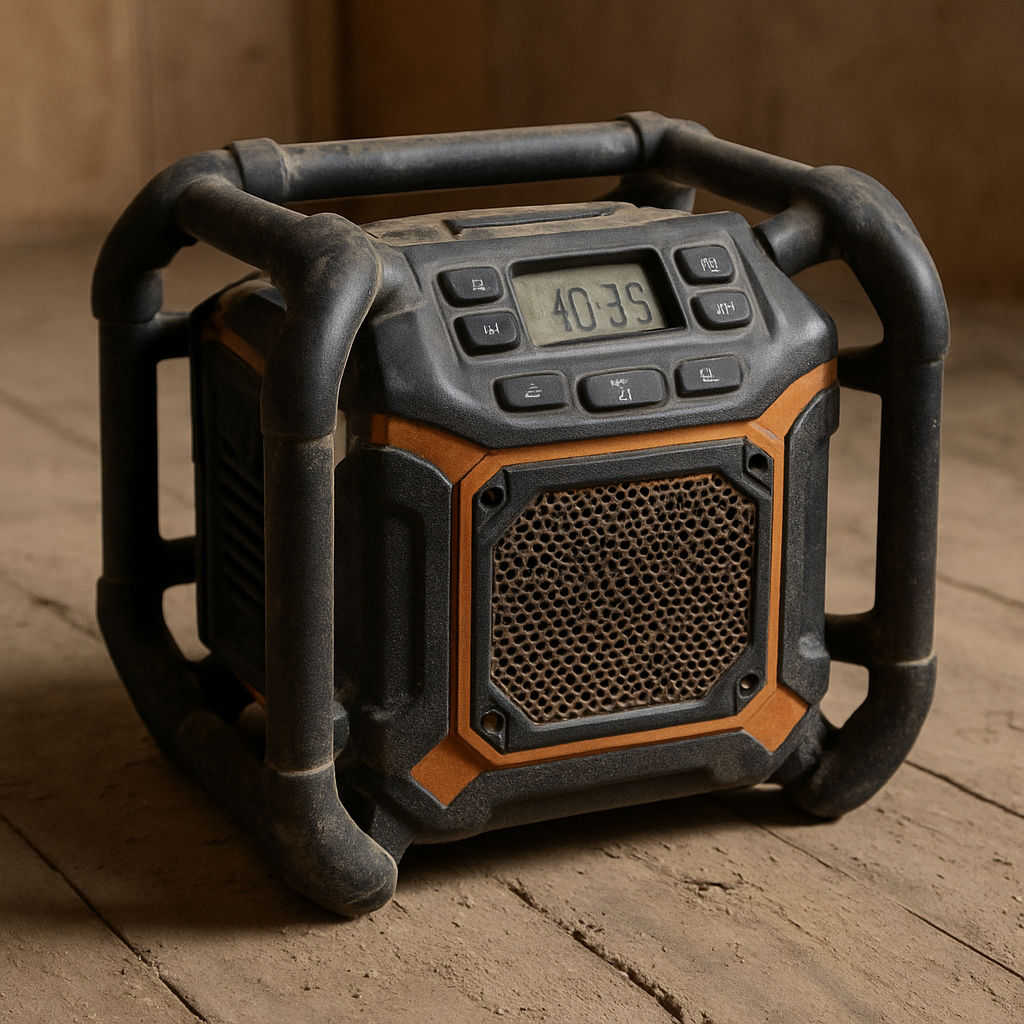
We’ve all witnessed the relatable disaster: a sleek Bluetooth speaker knocked off a ladder or choked by drywall dust during a garage project. Unlike consumer gear, a construction radio is built like a ruggedized SUV, specifically designed for protecting electronics from sawdust and debris.
Novices often ask why use a dedicated work site radio. A robust job site radio utilizes a roll cage—acting like a helmet—to absorb impacts while “cutting through” the mechanical roar of power tools.
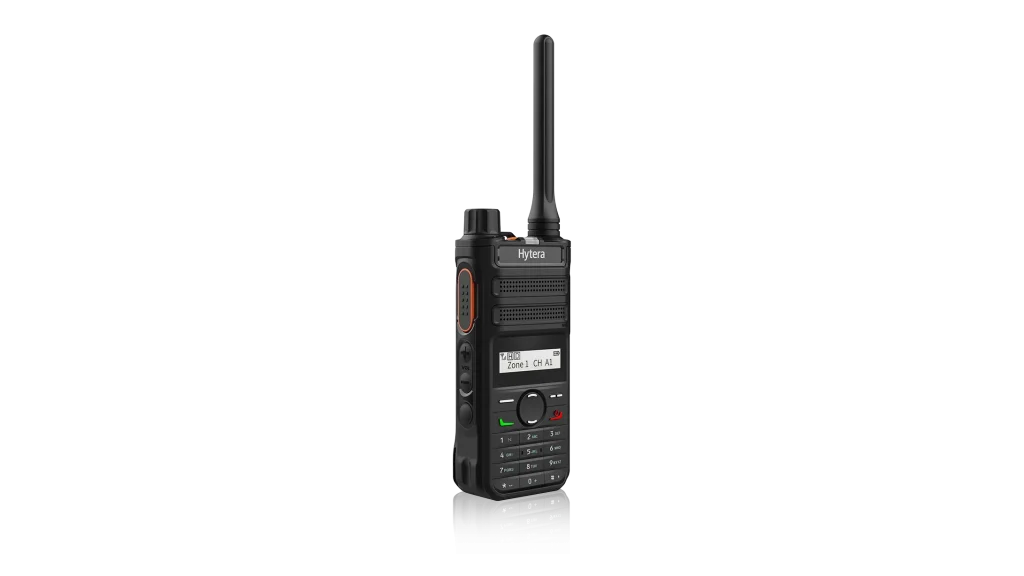
How to Read IP Ratings to Stop Dust and Rain from Killing Your Tech
Gravity is the natural enemy of electronics, especially in a garage or garden. Unlike a standard speaker that might crack if knocked off a patio table, the toughest portable workshop radio uses shock-resistant housing often surrounded by a rubberized “roll cage.” This external armor acts like a car bumper, absorbing the impact of a fall so the delicate internal circuits—and vulnerable parts like antennas or volume knobs—stay safe.
Beyond physical hits, you need to decipher the “IP Rating” (Ingress Protection) to understand waterproof vs dustproof capabilities. Think of this code as a scorecard where the first digit grades defense against solids (like sawdust) and the second measures liquids.
- IP54: Basic dust protection and splash resistance (light rain).
- IP65: Dust-tight and resistant to water jets (safe to hose off).
- IP67: Fully sealed against dust and survives temporary submersion.
For a heavy duty jobsite audio comparison, IP65 is usually the “sweet spot,” offering enough protection for sanding dust or rain showers without the high cost of full immersion waterproofing. With the durability sorted, you can focus on saving money by matching your radio to your power tool battery.
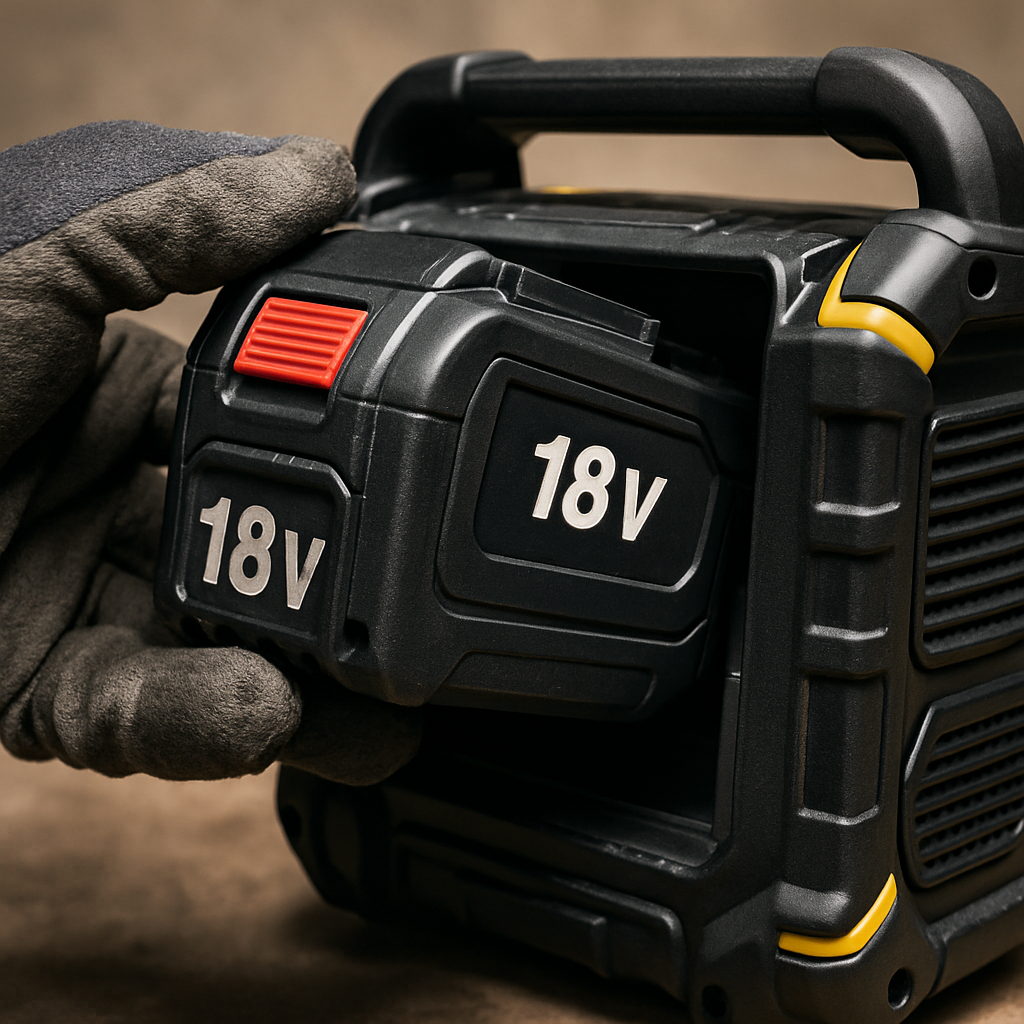
Saving Money by Matching Your Radio to Your Power Tool Battery
Reducing cost is easy if you treat the radio as an extension of your existing tool collection. Most site radios run on the same packs powering your cordless drill, allowing you to purchase a “bare tool”—the unit without the expensive battery and charger—to save roughly 30% to 50% upfront. Always check a cordless power tool battery compatibility guide to ensure you don’t buy a radio that doesn’t fit your current “fuel” source.
Unlike a standard Bluetooth speaker that eventually dies, versatile gear offers hybrid power source options for jobsite audio. These units use a standard AC cord to run endlessly off a wall outlet, reserving your battery packs for portable use in the yard. This dual-power capability ensures the playlist never stops just because a battery needs recharging.
Modern units often return the favor by acting as a power bank. Look for integrated battery charging capabilities or protected USB ports that keep your phone topped up while tucked inside a sealed compartment. Whether comparing a Bosch vs Milwaukee jobsite sound system, these functional details are crucial for making your final choice.
Your Jobsite Audio Checklist: Picking the Right Radio for the Task
You now see construction audio as a survival tool, not just a speaker. Use Bluetooth jobsite audio system features for custom playlists, but prioritize the best DAB+ digital reception on sites where steel beams block analog signals. Reliable portable sound systems for outdoor work zones should last as long as your power tools.
Make your final decision using this checklist:
- Match the battery to your existing tool brand.
- Verify the IP rating for rain and dust.
- Confirm connectivity needs like 100-foot Bluetooth range.
Contact us to choose the right radio for your job site.