#buy radios: contact us now
In the world of portable communication devices, CB radios and walkie talkies have long been popular choices. While both serve the purpose of short-distance communication, they differ significantly in terms of range, functionality, and usage. Understanding these differences is crucial in choosing the right device for your needs.

What is a CB Radio?
CB, or Citizens Band radio, is a short-distance radio communication system that allows individuals to communicate over 40 channels on a shared frequency band. It operates on the 27 MHz band and has a range that typically varies from 3 to 20 miles, depending on terrain and atmospheric conditions. CB radios are commonly used in vehicles, particularly trucks, for communication on the road.
What is a Walkie Talkie?
Walkie talkies, also known as handheld transceivers, are portable, two-way radio devices that operate on a fixed frequency band. They are typically used for personal communication over short distances, usually within a few miles. Walkie talkies are popular for outdoor activities like hiking, camping, and events where quick and direct communication is needed.
Key Differences Between CB Radios and Walkie Talkies

Range and Frequency
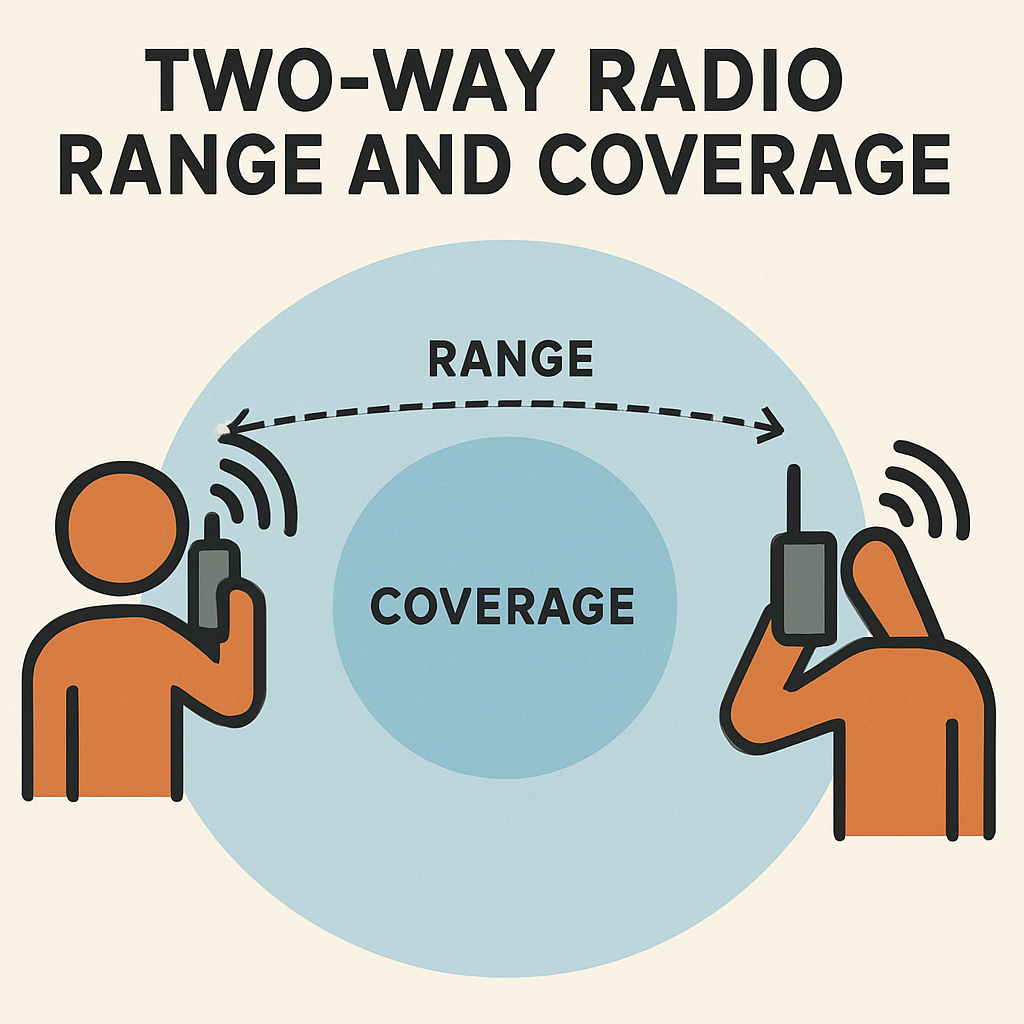
One of the primary differences between CB radios and walkie talkies is their range and frequency. CB radios can cover longer distances, often up to 20 miles, whereas walkie talkies are generally limited to a few miles, depending on the environment. This makes CB radios more suitable for road travel and long-distance communication, whereas walkie talkies excel in close-range communication.
CB radios operate on the 27 MHz band, which allows for better range under certain conditions. On the other hand, walkie talkies typically use either the Family Radio Service (FRS) or General Mobile Radio Service (GMRS) frequencies, which are higher in the UHF (Ultra High Frequency) spectrum.
Licensing Requirements
For CB radios, no license is required to operate, making them accessible to anyone who wishes to use them. However, some high-power CB radios may require a special permit.
Walkie talkies operating on FRS frequencies do not require a license, but those using GMRS frequencies do require a license from the Federal Communications Commission (FCC). This is an important consideration when choosing a device for personal or professional use.
Usage and Applications
CB radios are predominantly used by truckers, off-road enthusiasts, and in emergency services. They provide a reliable means of communication over longer distances, especially in areas where cell service is unreliable.
Walkie talkies are versatile and used for a wide range of activities. They are popular in recreational activities, such as hiking, skiing, and camping, as well as in business settings like construction sites and event management, where immediate communication is essential.
Pros and Cons of CB Radios

Advantages of CB Radios
- Longer Range: CB radios can communicate over longer distances, making them ideal for road trips and off-road adventures.
- No Licensing Required: Easy access without the need for a license.
- Multiple Channels: Offers 40 channels, providing flexibility in communication.
Disadvantages of CB Radios
- Bulky Equipment: CB radios are typically larger and require installation in vehicles.
- Limited to Vehicles: Primarily used in vehicles, limiting portability.
- Interference: Susceptible to interference from other CB users.
Pros and Cons of Walkie Talkies
Advantages of Walkie Talkies
- Portability: Compact and easy to carry, suitable for on-the-go use.
- Easy to Use: Simple operation, making them user-friendly.
- Versatile Applications: Useful in various environments and activities.
Disadvantages of Walkie Talkies
- Limited Range: Shorter range compared to CB radios, often restricted to a few miles.
- Battery Life: Dependent on battery power, which may limit usage time.
- Licensing for GMRS: Some models require a license for operation.
Comparing Ham Radios with Walkie Talkies
While CB radios and walkie talkies serve specific purposes, ham radios offer a broader range of communication possibilities. Ham radios, or amateur radios, can operate on various frequency bands and provide communication over much longer distances. However, they require a license to operate and are more complex than CB radios and walkie talkies.
Ham Radio vs. Walkie Talkie
- Range: Ham radios can communicate globally, far surpassing the range of both CB radios and walkie talkies.
- Licensing: Requires a license and knowledge of radio operation.
- Flexibility: Offers more frequency options and communication modes.
Choosing the Right Device for You
When deciding between CB radios and walkie talkies, consider the following factors:
- Purpose: Determine whether you need long-distance communication or short-range convenience.
- Environment: Consider the terrain and conditions where you will be using the device.
- Licensing: Ensure you understand any licensing requirements for the device you choose.
- Portability: Decide if you need a portable device or one installed in a vehicle.
Conclusion
Both CB radios and walkie talkies have their unique advantages and limitations. Understanding these differences can help you make an informed decision based on your communication needs. Whether you’re hitting the open road or exploring the great outdoors, choosing the right device will ensure you stay connected when it matters most.