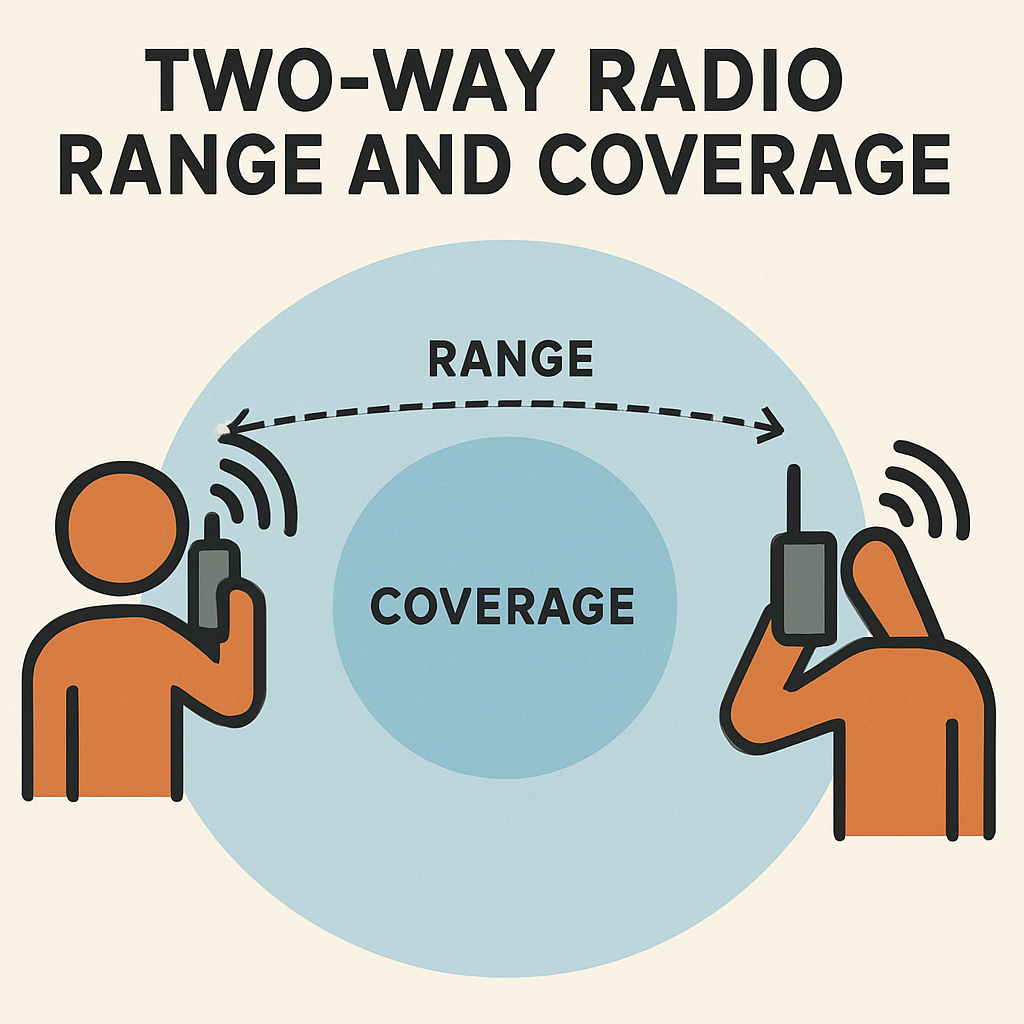
Walkie talkies are crucial tools in retail and security settings, facilitating quick and effective communication. However, improper use can lead to misunderstandings and operational inefficiencies. Understanding walkie talkie etiquette is essential for maintaining clear and professional communication. This guide will outline key practices for using walkie talkies effectively in retail and security environments.

Walkie talkies are handheld, portable radios that allow for instant communication over short distances. They are often used in environments where quick and clear communication is necessary. Knowing the basics of how to operate them is the first step in mastering walkie talkie etiquette.
Key Features
Before diving into etiquette, familiarize yourself with the essential features of your walkie talkie. These typically include:
- Push-to-talk (PTT) button: Press to speak and release to listen.
- Volume control: Adjust to ensure you can hear messages clearly.
- Channel selector: Choose the correct channel to communicate with your team.
- Antenna: Ensure it is extended for optimal signal transmission.
Importance of Walkie Talkie Etiquette
Proper etiquette ensures that communication is effective and professional. This is especially important in retail and security settings, where clarity and speed can impact customer service and safety.
Benefits of Good Etiquette
- Reduces Misunderstandings: Clear communication minimizes confusion and errors.
- Improves Efficiency: Quick, concise messages help teams respond faster.
- Enhances Professionalism: Proper use reflects well on the organization.
Core Principles of Walkie Talkie Etiquette

Use Clear and Concise Language
When using a walkie talkie, it’s crucial to be clear and concise. Avoid unnecessary words and get straight to the point. This ensures that your message is understood quickly and accurately.
- Speak Slowly and Clearly: Enunciate your words to be easily understood.
- Use Common Terms: Stick to commonly understood phrases to avoid confusion.
- Avoid Slang and Jargon: Not everyone may understand informal language or specialized terms.
Practice Active Listening
Active listening is just as important as speaking clearly. Pay attention to messages from others and ensure you understand them before responding.
- Wait for Pauses: Allow others to finish speaking before you respond.
- Confirm Receipt: Acknowledge that you have received and understood the message.
- Ask for Clarification: If unsure, ask the speaker to repeat or clarify their message.
Maintain Professionalism
Even in casual settings, maintaining professionalism is important. This includes using respectful language and tone.
- Avoid Interruptions: Wait your turn to speak.
- Stay Calm: Even in urgent situations, keep your tone calm and composed.
- Respect Privacy: Avoid discussing sensitive information over the radio.
Specific Etiquette for Retail Teams
In retail environments, walkie talkies are often used to enhance customer service and operational efficiency. Here are specific etiquette tips for retail teams:
Prioritize Customer Communication
Customers should always come first. If you’re in the middle of a conversation with a customer, prioritize them over walkie talkie communication.
- Excuse Yourself Politely: If you must use the radio, excuse yourself briefly from the customer.
- Keep Messages Brief: Quickly relay necessary information without prolonged conversations.
Coordinate Team Efforts
Use walkie talkies to coordinate with your team effectively, ensuring smooth operations.
- Announce Your Presence: Let the team know when you arrive or leave a particular area.
- Report Issues Promptly: Quickly report any issues or customer needs to the team.
Specific Etiquette for Security Teams
Security teams rely heavily on walkie talkies for maintaining safety and responding to incidents. Here are etiquette tips tailored for security personnel:
Prioritize Safety
Safety is the top priority for security teams. Use your walkie talkie to communicate potential threats and coordinate responses.
- Use Code Words: Employ predetermined code words to discuss sensitive situations discreetly.
- Stay Alert: Be ready to respond to emergencies at all times.
Coordinate with Law Enforcement
Security teams often need to work closely with law enforcement. Maintain clear and professional communication to ensure effective collaboration.
- Use Clear Identifiers: Identify yourself and your locati0n clearly when communicating with law enforcement.
- Provide Accurate Information: Offer precise details to assist law enforcement in their response.
Common Mistakes to Avoid

Avoiding common mistakes can greatly improve your communication effectiveness. Here are a few to watch out for:
Over-Talking
Avoid monopolizing the channel with long-winded messages. Keep your transmissions short and to the point.
Not Listening
Failing to listen carefully can lead to missed information and errors. Always pay full attention to incoming messages.
Using Incorrect Channels
Ensure you are on the correct channel for your team. Using the wrong channel can result in missed communications or interference.
Conclusion
Mastering walkie talkie etiquette is crucial for effective communication in retail and security settings. By using clear language, practicing active listening, and maintaining professionalism, you can ensure that your communications are efficient and effective. Whether coordinating team efforts in a retail environment or maintaining safety as part of a security team, proper walkie talkie etiquette is a key component of successful operations.“`