In today’s rapidly evolving world, communication has become more critical than ever, especially in sectors like schools, hotels, events, and warehouses. Walkie talkies, or two-way radios, have long been a trusted tool for seamless communication. However, there’s a common question: Can walkie talkies work worldwide? Let’s dive into the myths and realities of global communication with walkie talkies.
Walkie talkies are portable two-way radios that allow users to communicate over short distances. They operate on radio frequencies and are commonly used in various settings, from schools and hotels to large-scale events and warehouses. But how do they fare when it comes to global communication?
Walkie talkies use radio waves to transmit and receive voice messages. They operate on specific frequency bands, which are regulated by government authorities. This regulation ensures that the use of walkie talkies does not interfere with other communication systems. Each country has its own set of frequency regulations, which means that a walkie talkie that works in one country may not necessarily be compliant in another. Understanding these regulations is key to ensuring effective communication across different regions.
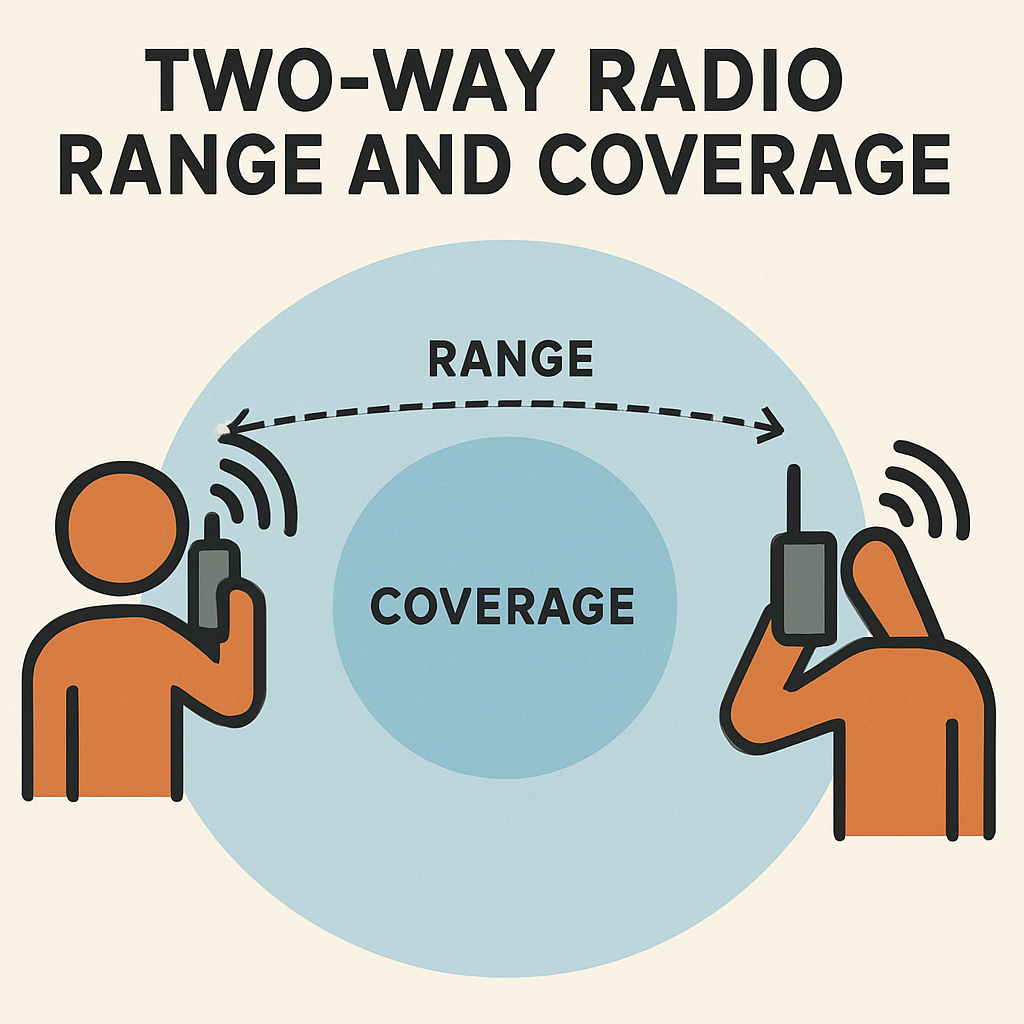
The range of a walkie talkie depends on its frequency band. Lower frequencies can travel longer distances but may have more interference, while higher frequencies offer clearer communication over shorter distances. However, the range is also affected by physical obstructions like buildings and terrain. Environmental factors, such as weather conditions, can also influence the effective range of a walkie talkie. Additionally, some devices come with power settings that can be adjusted to improve range within legal limits.
There are various types of walkie talkies designed for different purposes. Consumer-grade models are typically used for recreational activities and have a limited range. Commercial-grade walkie talkies are more robust, designed for business use, and offer better range and features. For specialized applications, there are marine and aviation walkie talkies that comply with specific industry standards. Understanding the type of walkie talkie that best suits your needs is crucial for optimizing communication efficiency.
There are several myths surrounding the use of walkie talkies for worldwide communication. Let’s address some of the most common misconceptions.
Many people believe that all walkie talkies can communicate globally, but this is not true. Most walkie talkies are designed for local use, with a limited range. The idea that you can use any walkie talkie to communicate across continents is a myth. The limitations in range are due to the frequency bands used and the power output restrictions imposed by regulatory bodies. Without the use of additional technologies, traditional walkie talkies are not capable of global communication.
Another common myth is that walkie talkies have unlimited range. In reality, the range is limited by factors such as frequency band, power output, and physical obstructions. While some high-end models offer extended range, they still have limitations. The terrain, such as mountains or urban environments with many buildings, can significantly reduce the effective range. Additionally, the battery life can impact performance, as a weak battery may not provide the necessary power for maximum range.
Some people assume that walkie talkies are outdated due to the advent of smartphones and other advanced communication devices. However, this is far from the truth. Walkie talkies offer real-time communication, which is crucial in many industries where instant feedback is necessary. They are also more durable and reliable in environments where smartphones may fail due to network issues. Their simplicity and ruggedness make them indispensable in many situations where modern devices might falter.
While the myths may be debunked, there are still ways to achieve global communication with walkie talkies. Let’s explore the realities.
To use walkie talkies for global communication, you must understand the importance of frequency licensing. Different countries have different regulations, and using unlicensed frequencies can lead to interference and legal issues. It’s essential to research and obtain the necessary licenses to operate legally in a foreign country. Failure to comply with local regulations can result in fines or confiscation of equipment. Working with a local expert can help navigate the complexities of frequency licensing.
For true global communication, satellite-based walkie talkies are the answer. These devices use satellite networks to transmit signals, allowing users to communicate across continents without relying on terrestrial radio frequencies. Satellite walkie talkies are particularly useful in remote areas where traditional communication infrastructure is lacking. While they are more expensive than standard models, their ability to provide global coverage makes them invaluable for certain applications. Choosing the right satellite service provider is crucial for ensuring reliable communication.
Modern walkie talkies can be enhanced with technologies like Bluetooth adapters. These adapters allow for integration with smartphones and other devices, extending the capabilities of traditional walkie talkies. For example, Bluetooth can enable hands-free operation, which is beneficial in many work environments. Additionally, some walkie talkies can connect to apps that provide additional features such as GPS tracking and text messaging. This integration can transform a simple walkie talkie into a multifaceted communication tool.
In addition to satellite-based options, some walkie talkies can utilize network-based solutions for extended range. Devices that connect to Wi-Fi or cellular networks can offer expanded communication capabilities. This approach allows walkie talkies to function similarly to VoIP systems, providing a bridge between traditional radio and modern digital communication. However, such solutions depend on the availability of network infrastructure and may incur additional costs.
If you’re looking to use walkie talkies for global communication, consider the following best practices.
Selecting the right equipment is crucial for effective global communication. Consider factors such as frequency compatibility, range, and additional features like Bluetooth integration. It’s important to assess the specific needs of your operation to determine the best type of walkie talkie. Consulting with a communication expert can help identify the most suitable equipment for your requirements. Investing in quality equipment can enhance communication efficiency and reliability.
Before using walkie talkies in a new country, research the local regulations regarding frequency use. Ensure that your devices comply with these regulations to avoid legal issues. Familiarizing yourself with the local communication laws can prevent potential disruptions in your operations. It’s advisable to maintain a relationship with local authorities to stay informed about any changes in regulations. This proactive approach can safeguard against compliance issues.
Proper training is essential for maximizing the effectiveness of walkie talkies. Ensure that your team understands how to operate the devices and troubleshoot common issues. Training should include basic usage, handling procedures, and emergency protocols. Regular training sessions can keep your team updated on new features and best practices. Empowering your team with knowledge enhances their ability to communicate effectively and respond promptly in critical situations.
For organizations that require global communication, investing in satellite-based walkie talkies may be a worthwhile option. These devices offer the most reliable solution for worldwide connectivity. Evaluating the cost-benefit ratio of satellite solutions can help determine their suitability for your organization. Partnering with a reputable satellite service provider ensures access to a reliable network. Such solutions are especially beneficial for industries that operate in remote or challenging environments.
Regular maintenance of walkie talkies ensures optimal performance and longevity. Routine checks can identify potential issues before they become significant problems. Cleaning and inspecting devices for wear and tear can prevent malfunctions. Keeping spare batteries and accessories on hand can reduce downtime. A well-maintained communication system is critical for ensuring seamless operations.
Walkie talkies are used in a wide range of industries. Let’s explore some of the most common applications.
In schools, walkie talkies are essential for maintaining communication between staff members. They help ensure student safety and facilitate efficient coordination during events and emergencies. Walkie talkies enable quick dissemination of information, which is crucial during critical incidents. They also support daily operations, such as coordinating schedules and managing extracurricular activities. Their reliability makes them an indispensable tool in educational settings.
Hotel walkie talkies enable seamless communication between staff members, enhancing guest service and operational efficiency. They are invaluable for coordinating housekeeping, maintenance, and security teams. Walkie talkies ensure that staff can respond promptly to guest requests and emergencies. They also aid in managing logistics, such as room service and event planning. By facilitating quick communication, walkie talkies contribute to a smooth and efficient hotel operation.
Event walkie talkies are crucial for coordinating large-scale events. They allow event organizers to communicate with staff and volunteers, ensuring everything runs smoothly. Walkie talkies enable real-time updates on event proceedings and logistics. They are essential for managing crowd control, security, and vendor coordination. Their ability to facilitate instant communication makes them a vital tool for successful event management.
Warehouse walkie talkies improve communication between team members, enhancing productivity and safety. They are essential for coordinating tasks and managing inventory efficiently. Walkie talkies allow for real-time updates on stock levels and workflow. They also support safety protocols by enabling quick reporting of incidents or hazards. By streamlining communication, walkie talkies contribute to a more efficient and safe warehouse environment.
In retail stores, walkie talkies facilitate communication between staff members, improving customer service and operational efficiency. They help employees coordinate tasks and respond quickly to customer needs. Walkie talkies enable staff to manage inventory, coordinate restocking, and handle customer inquiries efficiently. They also support loss prevention efforts by allowing staff to communicate discreetly. Their role in enhancing customer experience makes them a valuable asset in retail operations.
While traditional walkie talkies may not offer global communication capabilities, advancements in technology have made it possible to achieve worldwide connectivity. By understanding the myths and realities of walkie talkie communication, you can make informed decisions about the best solutions for your needs.
Whether you’re using walkie talkies in schools, hotels, events, warehouses, or retail stores, choosing the right equipment and understanding local regulations are key to successful communication. Consider satellite-based solutions and modern technologies like Bluetooth adapters to enhance your communication capabilities and stay connected, no matter where you are in the world.
With the right approach, walkie talkies can be a powerful tool for global communication, bridging the gap between teams and ensuring seamless coordination across continents. Embrace the possibilities and discover the potential of walkie talkies for your organization’s communication needs.