


In today’s rapidly evolving world, technology continues to transform the way we communicate and consume media. One of the many areas impacted by technological advancement is radio broadcasting. As you tune into your favorite station, have you ever wondered about the differences between digital and analog radio? This article aims to explore these differences, providing you with a clear understanding of how each system works and what benefits they offer.
What is Analog Radio?
Analog radio has been around for over a century. It’s the traditional method of broadcasting that most of us are familiar with. In analog radio, audio signals are transmitted in the form of electromagnetic waves. These waves are continuous and vary in amplitude or frequency to represent the audio information. This process is similar to how a record player translates grooves on a vinyl record into sound.
How Analog Radio Works
Analog radio operates using AM (Amplitude Modulation) and FM (Frequency Modulation) techniques. In AM radio, the strength or amplitude of the signal is varied to encode the sound, while in FM radio, the frequency of the signal is varied. Both methods have been the backbone of radio broadcasting for decades, providing listeners with news, music, and other forms of entertainment.
Benefits of Analog Radio
Despite being an older technology, analog radio has several advantages:
- Simplicity: Analog radios are simple to use and do not require complex technology to receive broadcasts.
- Wide Coverage: AM radio, in particular, can cover long distances, making it ideal for rural and remote areas.
- Cost-Effective: Analog radios and transmission equipment are generally less expensive to produce and maintain.
What is Digital Radio?
Digital radio, on the other hand, is a more recent development. It converts sound into digital signals, which are then transmitted over the airwaves. This method offers several enhancements over analog broadcasting, primarily in terms of sound quality and efficiency.
How Digital Radio Works
Digital radio uses a process called digital encoding to convert sound into binary data (a series of 0s and 1s). This data is then transmitted as a digital stream, which provides a clearer and more reliable signal. Digital radio can be broadcasted through various technologies such as DAB (Digital Audio Broadcasting), HD Radio, and satellite radio.
Benefits of Digital Radio
Digital radio offers numerous advantages that make it appealing to both broadcasters and listeners:
- Superior Sound Quality: Digital signals are less prone to interference, resulting in clearer sound with less static and noise.
- More Stations: Digital broadcasting allows for more channels to be transmitted over the same bandwidth, providing listeners with a greater variety of content.
- Additional Features: Digital radios often come with extra features such as text information, song titles, and even images displayed on the screen.
- Efficient Use of Spectrum: Digital radio makes better use of the available radio spectrum, allowing more content to be broadcasted in a given area.
Comparing Digital and Analog Radio
Sound Quality
One of the most noticeable differences between analog and digital radio is sound quality. Digital radio offers a clearer and more consistent listening experience, free from the static and distortion that can affect analog broadcasts. This is because digital signals are less susceptible to interference from physical obstacles and weather conditions.
Variety of Content
Digital radio’s ability to compress and transmit more data means that listeners have access to a wider range of stations and content. In contrast, analog radio is limited by the amount of available frequency spectrum, which can restrict the number of stations that can broadcast in a particular area.
Coverage and Availability
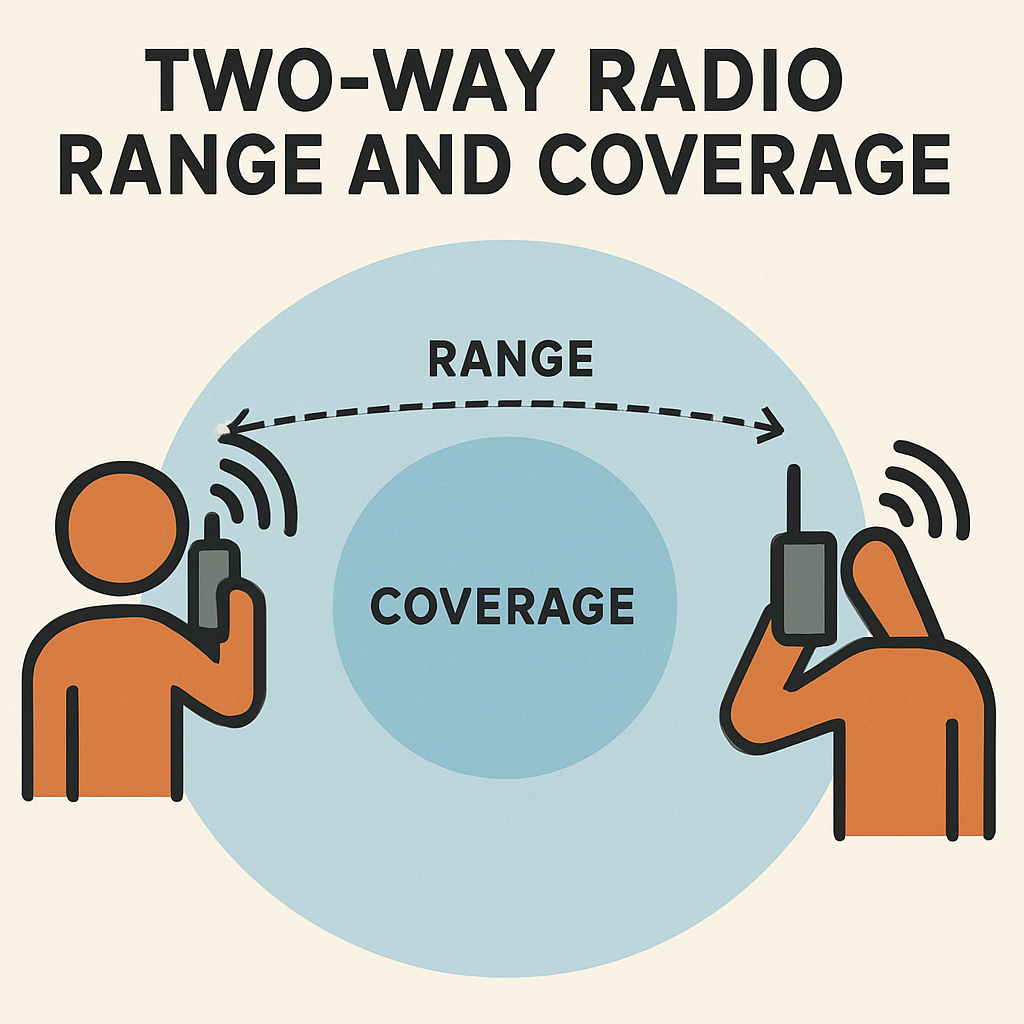
Analog radio, particularly AM, has the advantage of wide coverage, making it accessible in remote and rural locations. However, digital radio’s reach is expanding as technology advances and more infrastructure is put in place. It’s important to note that digital radio coverage can vary depending on the platform and region.
Cost and Accessibility
Analog radios are generally more affordable and easier to access, making them a popular choice for budget-conscious listeners. However, as digital radio technology becomes more widespread, the cost of digital receivers is decreasing, making them more accessible to the general public.
The Future of Radio Broadcasting
As technology continues to advance, the future of radio broadcasting will likely see a greater shift towards digital formats. Digital radio offers many advantages that align with the demands of modern listeners, such as improved sound quality, more content options, and additional features.
However, analog radio will likely continue to play a role, especially in areas where digital infrastructure is not yet fully developed. The coexistence of both technologies allows for a diverse and robust radio landscape, catering to a wide range of listener preferences and needs.
Conclusion
In conclusion, both analog and digital radio have their unique characteristics and benefits. Analog radio, with its simplicity and wide coverage, remains a reliable and cost-effective option. Meanwhile, digital radio offers superior sound quality, more content, and additional features that cater to the evolving needs of today’s listeners.
Understanding the differences between these two types of radio can help you make informed decisions about your listening preferences and appreciate the technological advancements that continue to shape the world of radio broadcasting. Whether you choose analog or digital, the magic of radio remains a vital part of our everyday lives, connecting us to the world around us.


2 responses to “Understanding the Differences: Digital vs Analog Radio”
Seems as though you are pushing digital radio over analog. When the tv went from analog to digital I have had NO END OF PROBLEMS.
However, digital two-way radios are quite different. They are designed for professional communication and usually provide clearer audio, better noise reduction, and more stable signals compared with analog radios.