# Analog vs Digital Radio: Key Differences Explained
In the ever-evolving world of technology, radio broadcasting has significantly progressed. Two primary types of radio signals dominate the airwaves: analog and digital. Both have their unique characteristics, advantages, and limitations. In this article, we will explore the key differences between analog and digital radio, helping you understand which might be best suited for your needs.
Understanding Analog Radio
Analog radio has been around for over a century, serving as the traditional method of broadcasting. It works by transmitting audio signals over radio waves, which are then received by your radio device. The entire process involves a continuous wave signal that varies in amplitude or frequency to match the sound of the broadcast.
Characteristics of Analog Radio
- Signal Transmission: The analog signal is continuous and varies in strength, which can sometimes lead to a less clear audio experience due to interference and noise.
- Frequency Bands: Analog radio operates on amplitude modulation (AM) and frequency modulation (FM) bands. AM is typically used for talk radio and news, while FM is used for music broadcasts because of its higher sound quality.
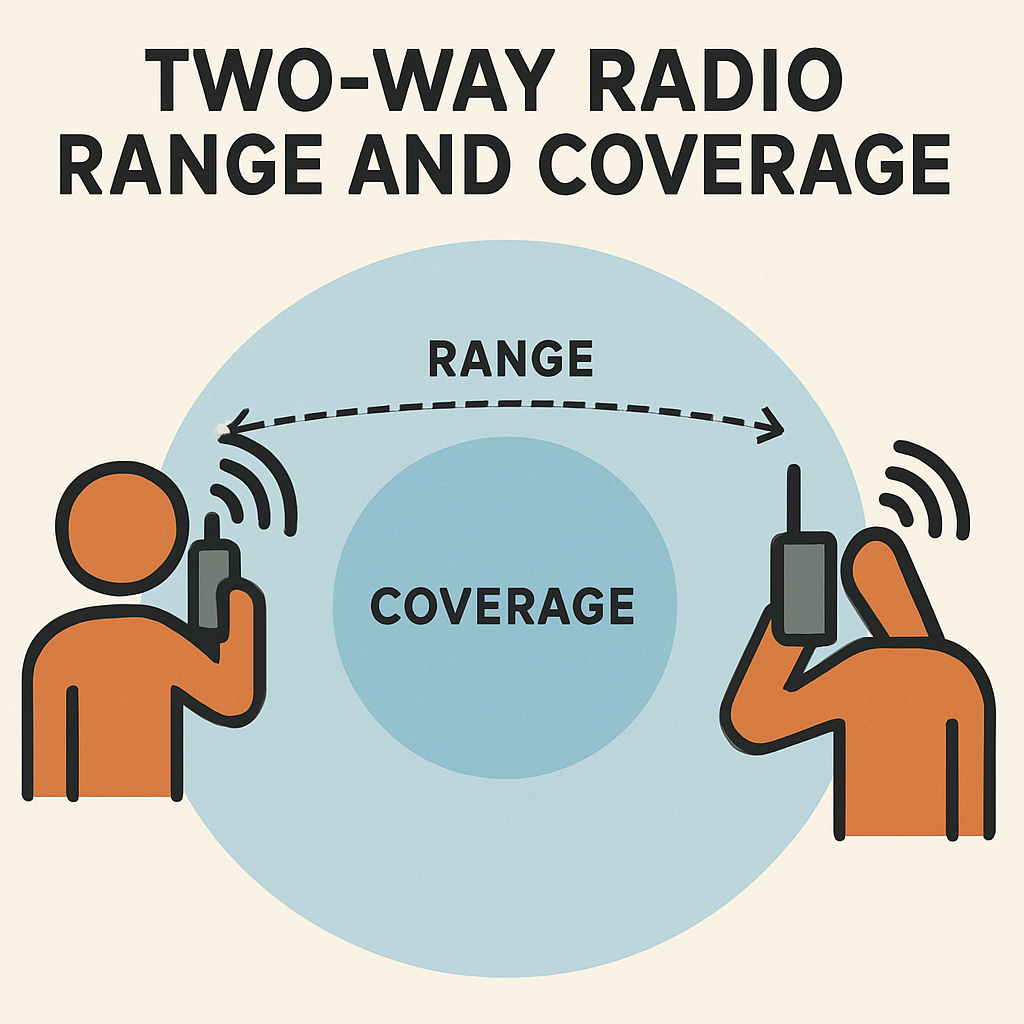
- Coverage: Analog radio signals can travel long distances, making them ideal for rural areas. However, the quality can diminish with distance and obstacles like buildings or mountains.
Advantages of Analog Radio
- Simplicity: Analog radios are generally simpler and more straightforward to use. They do not require complex technology or digital processors.
- Cost-Effective: Analog radios and broadcasting equipment are often less expensive than their digital counterparts. This makes them accessible to a broader audience.
Limitations of Analog Radio
- Quality: Analog radio is more susceptible to interference, leading to static and noise, especially in urban environments or with poor weather conditions.
- Limited Features: Analog radios lack advanced features like program guides, song titles, or artist information, which digital radios often provide.
Exploring Digital Radio
Digital radio is the newer of the two technologies, offering a more modern approach to broadcasting. It converts sound into digital signals, which are then transmitted over the airwaves. Digital signals are processed by a digital radio receiver, which converts them back into sound.
Characteristics of Digital Radio
- Signal Transmission: Digital radio transmits data in a binary format (ones and zeros), which can provide a clearer and more reliable audio experience.
- Frequency Bands: Digital radio can operate on the same frequency bands as analog but also utilizes additional bands like DAB (Digital Audio Broadcasting) and HD Radio.
- Coverage: Digital signals are less prone to interference and can maintain high quality even in challenging environments.
Advantages of Digital Radio
- Sound Quality: Digital radio offers superior sound quality with reduced static and noise compared to analog. It provides a more immersive listening experience.
- Additional Features: Digital radios often come with features like song metadata, program guides, and the ability to pause and rewind live broadcasts.
- Efficiency: Digital broadcasting can carry more information in the same bandwidth, allowing for more stations and content to be available to listeners.
Limitations of Digital Radio
- Cost: Digital radios and broadcasting equipment can be more expensive, which may deter some users from transitioning from analog.
- Coverage Limitations: While digital signals offer clearer audio, they can sometimes struggle with coverage in very remote areas without adequate infrastructure.
Analog vs Digital: Which Is Better?
Choosing between analog and digital radio depends on your specific needs and preferences. Here are some factors to consider:
Sound Quality
If sound quality is your top priority, digital radio is the clear winner. It provides clearer audio with minimal interference, making for an enjoyable listening experience.
Features
Digital radio offers a suite of additional features, such as song information and the ability to pause or rewind broadcasts. If these features are important to you, digital is the way to go.
Cost and Accessibility
Analog radio remains a cost-effective choice, especially for those who want a straightforward and budget-friendly option. If you’re in an area with limited digital infrastructure, analog might be more practical.
Coverage
For those in rural areas, analog radio may provide better coverage due to its ability to travel long distances. However, urban listeners will likely benefit more from the enhanced quality and features of digital radio.
Conclusion
Both analog and digital radio have their merits. Analog radio offers simplicity and cost-effectiveness, while digital radio provides superior sound quality and additional features. Your choice will depend on what you value most in a radio experience. Whether you’re a fan of the classic charm of analog or the modern capabilities of digital, there’s a radio option out there to meet your needs.
As technology continues to advance, the landscape of radio broadcasting will undoubtedly evolve further, potentially blurring the lines between these two formats. For now, understanding the key differences allows you to make an informed decision and enjoy your favorite broadcasts to the fullest.