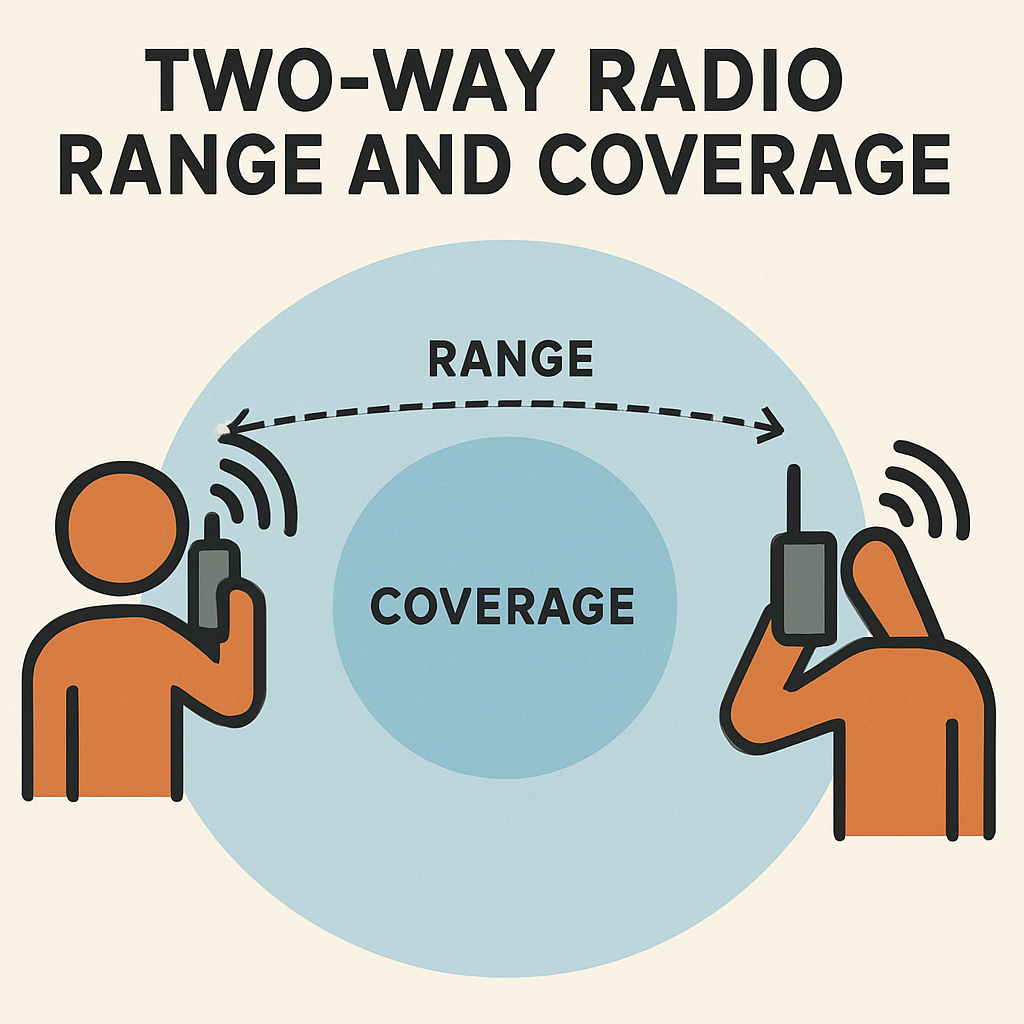
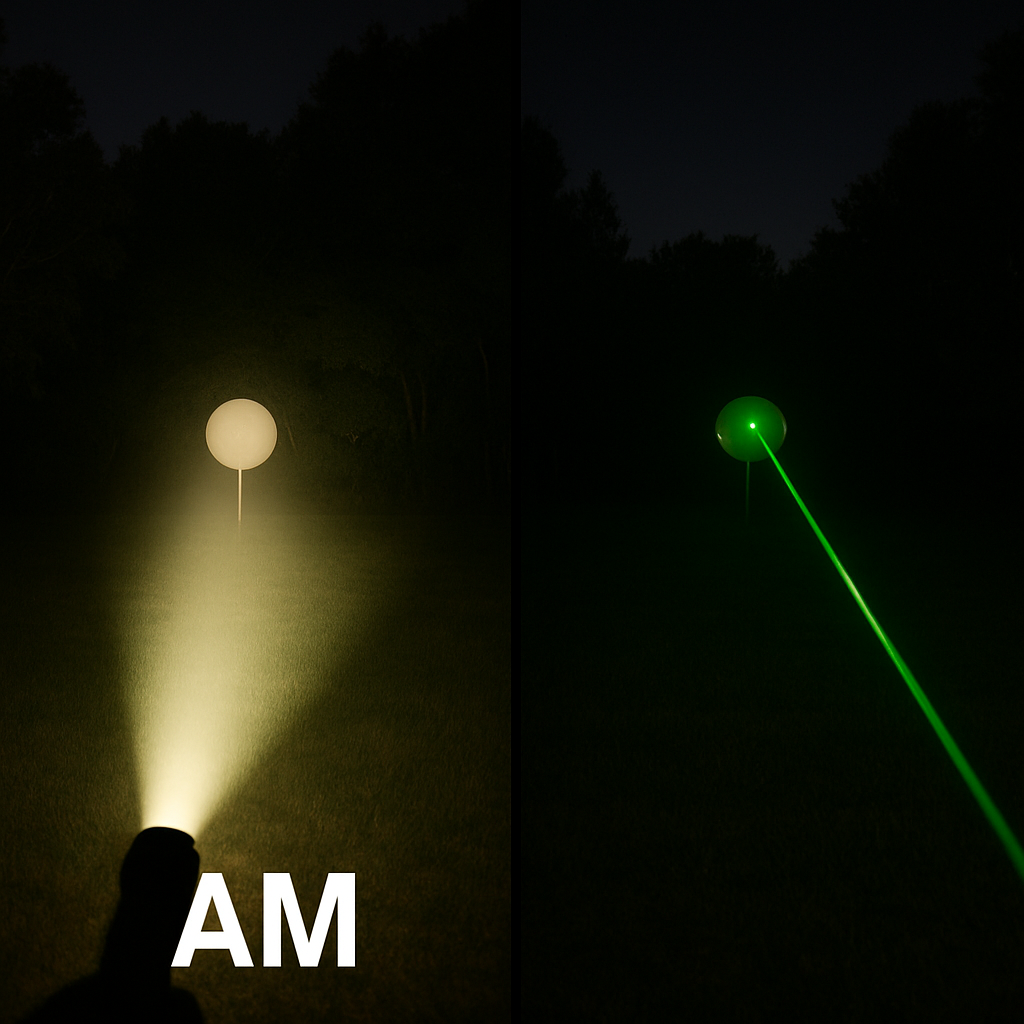
Imagine you are stranded miles from help, yet your standard CB transmits only static. While standard channels act like a wide megaphone, single sideband cb radios function more like a long-range laser. By focusing all the radio’s power solely on your voice rather than a heavy carrier wave, ssb radios eliminate wasted energy. Experienced off-roaders confirm that this efficiency grants significantly increased communication range over AM, turning silence into a reliable lifeline.
The Suitcase Analogy: Why ‘Less’ Signal Actually Gives You More Power
Imagine packing a suitcase for a trip where weight is strictly limited. In standard AM radio, your suitcase is filled mostly with heavy bricks—the “carrier wave”—and only a few clothes representing your voice. The radio wastes most of its energy hauling those bricks, even though they don’t carry any conversation. SSB essentially throws away the bricks. By suppressing the carrier wave, the radio dedicates 100% of its energy to “packing” your voice, allowing the signal to punch through static that would bury a standard transmission.
This efficiency unlocks a major legal advantage. Because the signal uses bandwidth so effectively, the FCC permits SSB operators to transmit with triple the intensity of standard channels. This difference in “muscle” is substantial:
- Standard AM: Limited to 4 Watts.
- Single Sideband (SSB): Allowed up to 12 Watts Peak Envelope Power (PEP).
That extra power creates opportunities for “shooting skip,” bouncing signals off the atmosphere to reach listeners hundreds of miles away. However, stripping the signal to its essentials reveals a quirk: without a heavy carrier wave guide, audio sounds distorted if not tuned precisely.
Mastering the Clarifier: How to Tune Into Perfect Clarity Without the Frustration
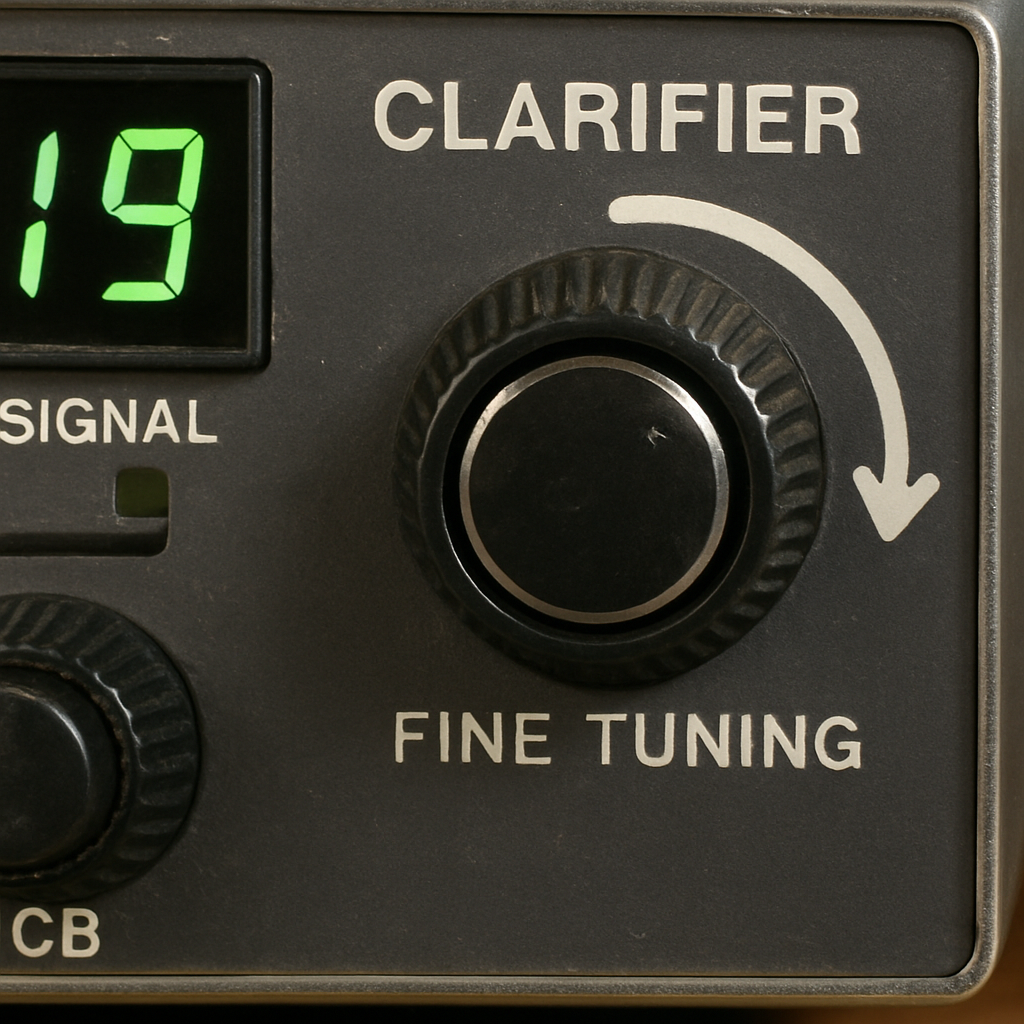
Without that “carrier wave” anchor, incoming SSB signals sound scrambled, often resembling a cartoon character talking underwater. This happens because the transmitting and receiving radios aren’t perfectly synchronized. On cb sideband, you take manual control using the “Clarifier” knob. Think of this control like the focus ring on a camera lens; by slowly rotating it while someone speaks, you shift the distorted squeaks back into a natural human voice.
You also need to select the correct mode, as SSB splits channels into Upper (USB) and Lower (LSB) Sideband. Operators follow unwritten rules for USB vs LSB differences: use LSB for standard channels 1 through 38, and USB for anything higher. If you hear silence or noise that the clarifier refuses to fix, you are likely just on the wrong mode switch.
Learning how to tune SSB CB radio signals takes patience. You might initially overshoot the sweet spot, but with small adjustments, clarifier knob adjustment for voice clarity becomes muscle memory. Once you master “locking on,” the background noise vanishes, leaving clear audio that rivals a phone call.
The Final Verdict: Is the Upgrade Worth the Investment?
Single Sideband transforms your perspective from wondering “can they hear me?” to knowing you have the tools to connect over serious distances. When deciding is single sideband worth it for CB, remember that reliable communication in remote terrain often justifies the investment. Before purchasing an FCC Part 95 compliant radio, use this checklist to decide:
- Distance: Do you need 3x the range for safety?
- Budget: Is the “insurance” of extra reach worth the premium price?
- Terrain: Will you be driving far beyond line-of-sight?