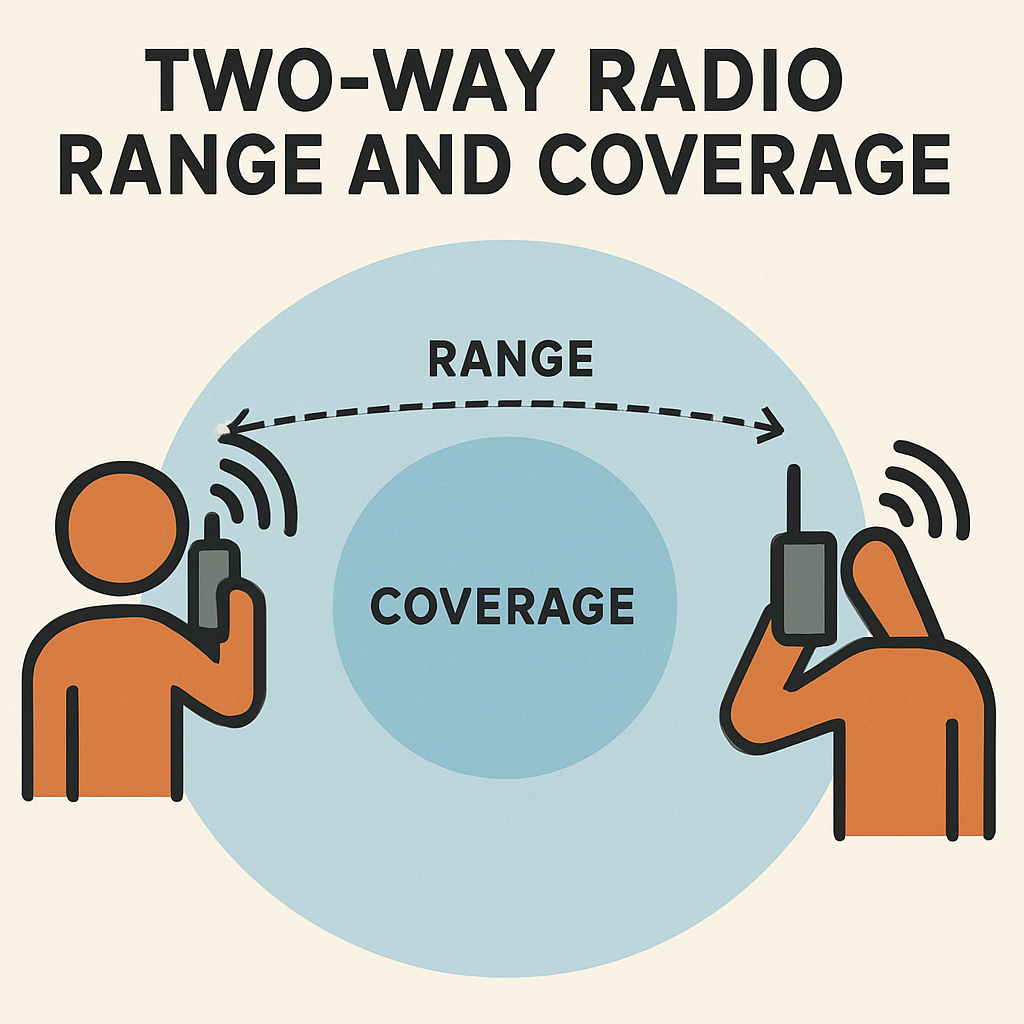
Amateur radio, commonly known as ham radio, is an engaging hobby that enables communication over vast distances without the reliance on cellular networks or the internet. It provides a unique opportunity for enthusiasts to connect with people from different parts of the world, share information, and even assist in emergency communications when other systems fail. Understanding the reach of ham radio is crucial for both novices and seasoned operators, as it determines the efficacy and scope of communication. In this article, we delve into the factors affecting ham radio reach, explore propagation methods, and examine the potential distances one can achieve under various conditions.

The reach of a ham radio transmission is influenced by numerous factors, each playing a critical role in how far a signal can travel. These elements include frequency bands, antenna type, power output, and environmental conditions. Understanding these factors allows operators to optimize their equipment and setup for maximum reach and clarity.
Frequency Bands
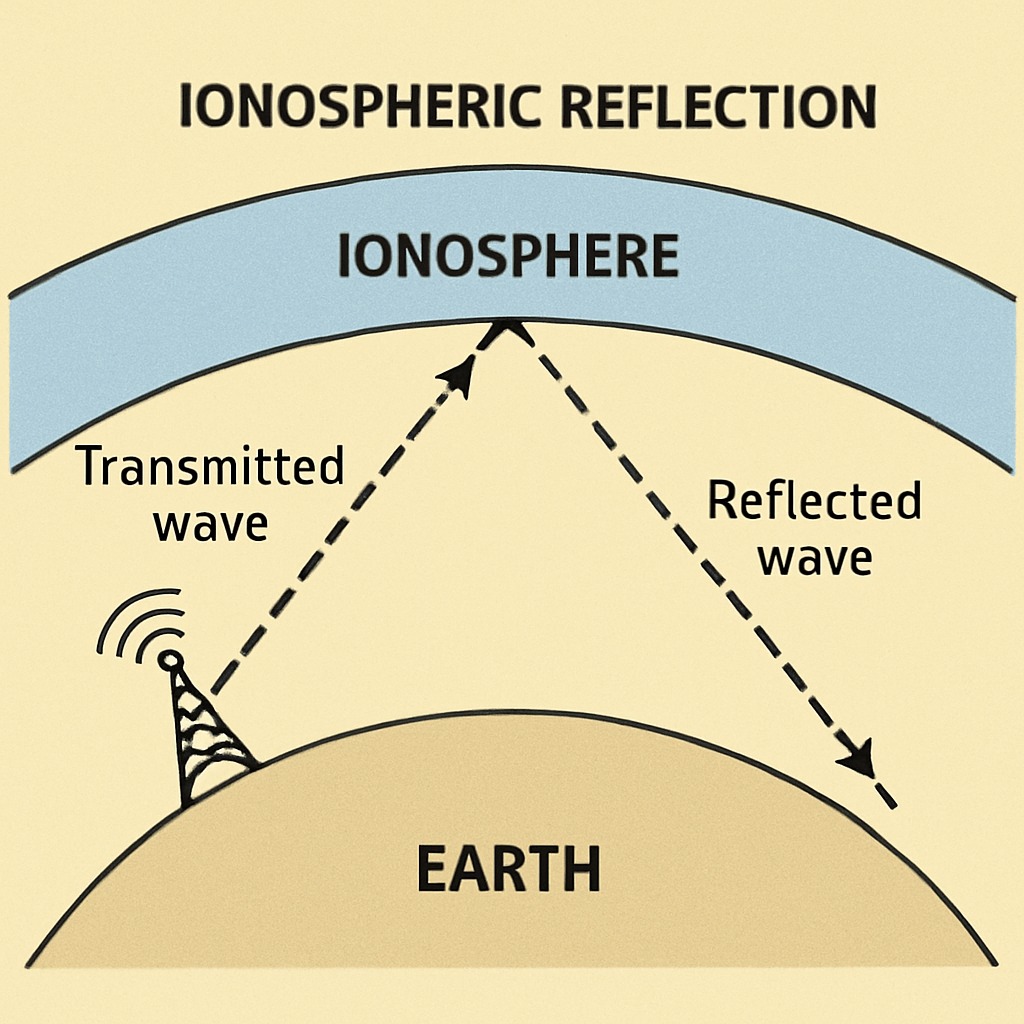
Ham radio operates across various frequency bands, each with unique propagation characteristics. Lower frequency bands, such as the HF (High Frequency) bands, are renowned for their long-distance capabilities, as they can reflect off the ionosphere, enabling signals to travel beyond the horizon. This ability is particularly useful for operators aiming to communicate over continents. Conversely, higher frequency bands, such as VHF (Very High Frequency) and UHF (Ultra High Frequency), typically offer line-of-sight communication, restricting their reach under normal circumstances. However, these bands are ideal for local communication, providing clear signals without the need for ionospheric reflection.
Different frequency bands also have varying levels of susceptibility to interference from electronic devices and natural phenomena. Understanding these nuances helps operators choose the right band for their specific communication needs. Additionally, operators must be aware of licensing requirements for different bands to ensure compliance with local regulations.
Antenna Type and Quality
The type and quality of the antenna significantly impact the reach of ham radio communications. Directional antennas, such as Yagi antennas, focus the signal in a specific direction, enhancing the range and clarity. This focused signal can penetrate obstacles more effectively and maintain a strong connection over longer distances. On the other hand, omnidirectional antennas distribute the signal in all directions, which can be advantageous for local communication but may limit long-distance reach. Operators often choose omnidirectional antennas for simplicity and ease of use in general communication scenarios.
Antenna height and placement are also crucial factors. Elevating the antenna can reduce obstructions, thereby improving the signal path and increasing communication range. High-quality materials and construction further enhance an antenna’s performance, ensuring that it withstands environmental challenges while maintaining optimal functionality.
Power Output
Transmitter power is another crucial factor in determining how far ham radio can reach. Higher power output can amplify the signal, increasing the potential distance it can cover. However, operators must adhere to regulatory power limits set by governing bodies to prevent interference with other communications. Balancing power output with legal restrictions ensures a strong, clear signal without causing disruptions to other radio operators.
Power efficiency is another consideration. Using higher power can drain batteries quickly in portable setups, so operators often find a balance between power consumption and reach. Additionally, understanding how to adjust power output based on current propagation conditions can maximize communication effectiveness.
Environmental Conditions
Environmental factors, including terrain, weather, and atmospheric conditions, can influence ham radio propagation. Mountains, buildings, and other obstructions can impede signals, making it essential to choose locations with minimal physical barriers for optimal communication. Favorable weather conditions, such as tropospheric ducting, can extend the reach of VHF and UHF signals, allowing them to travel further than usual.
Seasonal variations also play a role in propagation effectiveness. Certain times of the year, characterized by higher solar activity, can enhance ionospheric reflection, improving long-distance communication on HF bands. Operators who understand these environmental influences can strategically plan their communication activities for maximum reach.
Understanding Ham Radio Propagation
Propagation refers to the way radio waves travel from the transmitter to the receiver. Understanding propagation is essential for maximizing ham radio reach. Different propagation modes are prevalent across various frequency bands, and each offers distinct advantages and challenges. By mastering these propagation techniques, operators can enhance their communication capabilities significantly.
Ionospheric Propagation
Ionospheric propagation is a key mechanism for long-distance communication on HF bands. It involves the reflection of radio waves off the ionosphere, a layer of the Earth’s atmosphere ionized by solar radiation. This reflection allows signals to travel beyond the line of sight, potentially reaching thousands of kilometers. Operators often rely on this mode for international communication, as it enables connections over vast distances without the need for intermediate relay stations.
The ionosphere’s behavior varies with solar activity, time of day, and season, affecting signal strength and clarity. Understanding these variations helps operators choose the best times for long-distance communication. Additionally, using prediction tools can provide insights into ionospheric conditions, aiding operators in planning their communication strategies.
Ground Wave Propagation
Ground wave propagation is prominent at lower frequencies and involves the travel of radio waves along the Earth’s surface. While this mode is effective for medium-range communication, it diminishes over long distances due to attenuation and absorption by the ground. Operators often use ground wave propagation for regional communication where direct line-of-sight is not possible.
Ground wave signals are less affected by atmospheric conditions, making them reliable for consistent communication. However, terrain and ground conductivity can impact signal strength, necessitating strategic placement of antennas to optimize this mode of propagation.
Line-of-Sight Propagation
Line-of-sight propagation is a characteristic of VHF and UHF bands, where signals travel in a straight line from the transmitter to the receiver. This mode is ideal for local communication but is limited by the curvature of the Earth and obstacles that may block the signal path. Operators often use line-of-sight propagation for urban and suburban communication, where signal clarity and reliability are paramount.
To maximize line-of-sight communication, operators can elevate their antennas and minimize obstacles between the transmitter and receiver. Understanding the limitations of this mode helps operators plan their communication strategies effectively.
Tropospheric Ducting
Tropospheric ducting is a phenomenon that occurs when atmospheric conditions create a “duct” that guides radio waves over long distances. This mode can significantly extend the reach of VHF and UHF signals, particularly during temperature inversions or over bodies of water. Operators who understand the conditions conducive to tropospheric ducting can capitalize on this mode to achieve communication over distances typically beyond the reach of line-of-sight propagation.
Ducting conditions can be unpredictable, but monitoring weather patterns and atmospheric conditions can provide clues about when ducting is likely to occur. Operators often share experiences and data, contributing to a collective understanding of tropospheric ducting’s potential and limitations.
Real-World Examples of Ham Radio Reach
The theoretical reach of ham radio is impressive, but real-world examples provide tangible evidence of its capabilities. Operators have successfully achieved transcontinental and even transoceanic communication, demonstrating the potential of ham radio under optimal conditions. These achievements highlight the practical applications of amateur radio and its ability to connect people across vast distances.
Transcontinental Communication
Operators using HF bands have reported successful communication across entire continents, leveraging ionospheric propagation to bridge vast distances. The ability to communicate with stations thousands of kilometers away showcases the power of ham radio in connecting individuals across the globe. These transcontinental contacts are often facilitated by favorable ionospheric conditions and careful selection of frequency bands.
In addition to individual operators, amateur radio clubs and networks often organize events that challenge participants to achieve long-distance contacts, fostering camaraderie and skill development. These activities not only demonstrate the technical capabilities of ham radio but also encourage global interaction and cultural exchange.
Transoceanic Communication
Ham radio has also facilitated communication across oceans, with operators establishing contact between continents separated by vast bodies of water. This is often achieved using HF bands and favorable propagation conditions, illustrating the potential for global connectivity. Transoceanic communication is a testament to the skill and dedication of operators who meticulously plan their contacts based on propagation predictions and time zones.
Amateur radio contests and special events frequently include challenges to make transoceanic contacts, further showcasing the global reach of ham radio. These activities inspire operators to push the limits of their equipment and expertise, continually advancing the capabilities of the hobby.
Emergency Communication
In addition to recreational use, ham radio plays a vital role in emergency communication. During natural disasters and other crises, when conventional communication systems are down, amateur radio operators often step in to provide essential communication links. This ability to reach across continents and oceans ensures that aid and information can flow where it’s needed most.
Emergency communication exercises and networks help operators prepare for real-world scenarios, honing their skills in rapid deployment and efficient communication. These efforts underscore the importance of ham radio as a reliable and resilient communication tool in times of need.
Enhancing Ham Radio Reach
To maximize the reach of ham radio, operators can employ several strategies. Selecting the appropriate frequency band for the desired distance, optimizing antenna setup, and adjusting power output within legal limits are all effective methods. Additionally, staying informed about propagation conditions and leveraging propagation prediction tools can enhance communication success. These strategies empower operators to achieve reliable and far-reaching communication.
Band Selection
Choosing the right frequency band is crucial for achieving the desired communication distance. Operators should consider the time of day, solar activity, and current propagation conditions when selecting a band to maximize reach. Understanding the characteristics of each band allows operators to adapt their communication strategies to different scenarios, enhancing their ability to make successful contacts.
Experimenting with different bands during various times and conditions can provide valuable insights into their behavior and potential. Operators often share their findings with the community, contributing to a collective knowledge base that benefits all enthusiasts.
Antenna Optimization
Investing in a high-quality directional antenna and ensuring proper installation can significantly enhance ham radio reach. Elevating the antenna and minimizing obstructions in the signal path are practical steps to improve performance. Operators can also experiment with different antenna designs to find the optimal setup for their specific locati0n and communication needs.
Antenna tuning and maintenance are essential for long-term performance. Regular checks and adjustments ensure that the antenna continues to operate at peak efficiency, providing reliable communication over extended distances.
Monitoring Propagation Conditions
Regularly monitoring propagation conditions and using prediction tools can provide insights into the best times and frequencies for communication. Understanding solar activity, geomagnetic conditions, and tropospheric patterns can help operators make informed decisions. Operators who stay abreast of propagation forecasts can plan their activities to coincide with optimal conditions, maximizing their chances of successful communication.
Participation in online forums and networks dedicated to propagation monitoring allows operators to share real-time information and experiences, further enhancing their understanding of propagation dynamics. This collaborative approach helps operators stay informed and adapt to changing conditions effectively.
Conclusion
The reach of ham radio is a testament to the ingenuity and dedication of amateur radio operators worldwide. By understanding the factors influencing reach, exploring various propagation modes, and implementing effective strategies, operators can achieve remarkable communication distances. Whether bridging continents or connecting with local enthusiasts, ham radio offers a unique and rewarding opportunity to explore the world of wireless communication. This hobby not only fosters technical skills and knowledge but also builds a global community of passionate individuals dedicated to advancing the art and science of radio communication.