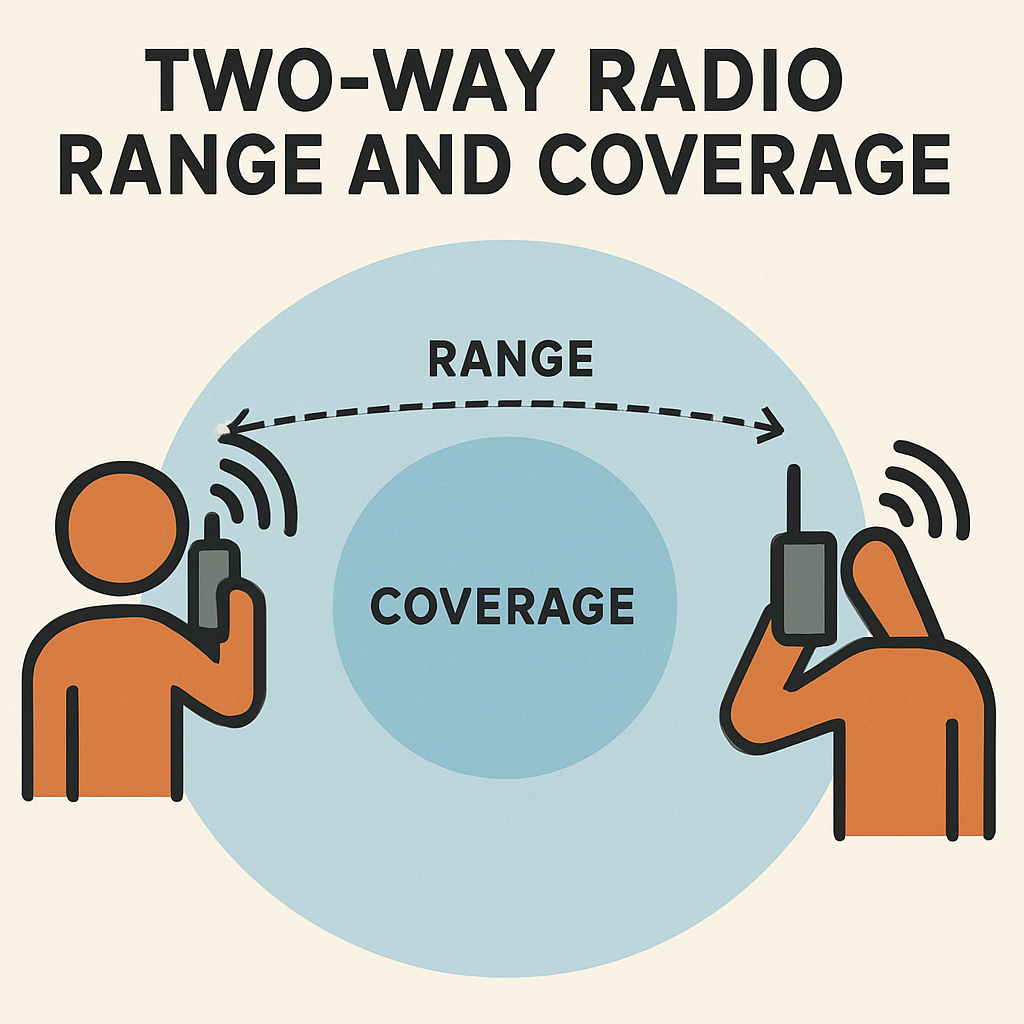
Imagine hiking five miles into a trail when your phone’s “No Service” icon starts blinking. In that moment, safety isn’t about apps; it is about having a reliable backup. Emergency communication devices for disasters function even when cell towers fail, offering a lifeline independent of the grid.
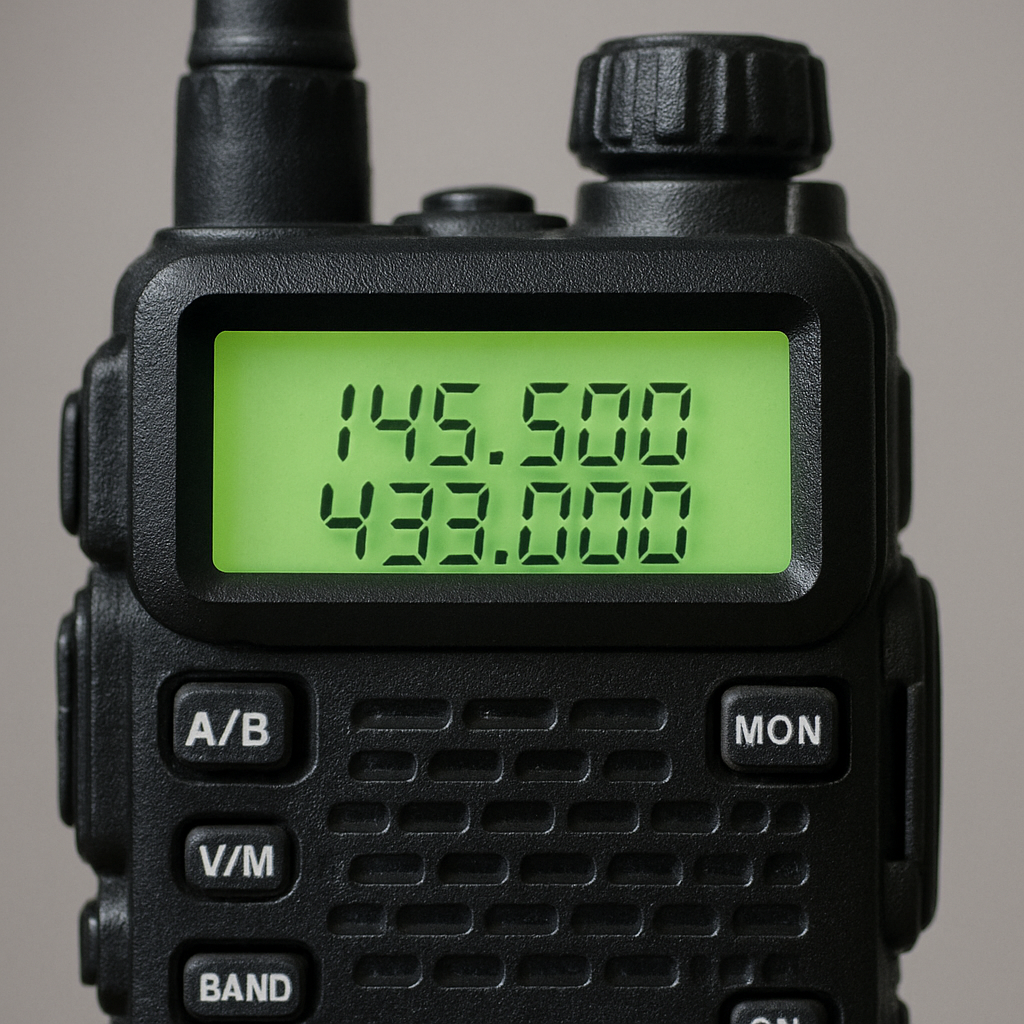
Think of a standard walkie-talkie like a single-blade pocketknife—it usually does just one thing. A multiband handheld radio is the Swiss Army Knife of the airwaves, allowing you to access various “lanes” of the invisible highway around us. Unlike a basic portable radio, these versatile tools let you monitor weather alerts and talk across different environments, ensuring you remain connected even when the world goes quiet.
Choosing Your ‘Radio Lane’: When to Use VHF vs UHF
Most people assume all radio signals travel the same way, but the specific “lane” you choose dictates how far your voice carries. In the world of multiband radios, you generally use two main ranges: Very High Frequency (VHF) and Ultra High Frequency (UHF). Think of VHF as a long-distance runner needing an open track, while UHF is a gymnast navigating tight spaces. Selecting the wrong one for your environment can leave you hearing only static, even if your partner is nearby.
If you are hiking across a lake or open farmland, VHF is your best option because its longer waves travel great distances over flat ground. However, those long waves struggle against solid objects. This is where UHF shines. For communication inside a cruise ship, shopping mall, or dense neighborhood, UHF’s shorter waves can bounce around corners and penetrate through walls and steel much more effectively than its counterpart.
Regardless of the frequency range, physics still applies to these portable units. Radio waves travel in a straight line, meaning a large hill or the earth’s curve will eventually block your signal. Since you can’t always control the terrain, you need to rely on specific hardware capabilities to compensate. Recognizing these physical constraints helps identify the features that truly matter in an emergency.
The Features That Actually Matter in an Emergency
In a crisis, you often need to listen to a weather report while keeping an ear out for your group. This is where Dual-watch becomes vital. It allows your radio to monitor two different frequencies (channels) by rapidly switching back and forth between them. Higher-end models utilize “Dual-receive,” which uses two independent receivers to listen to both channels simultaneously, ensuring you never miss a split-second transmission on one line while the radio is checking the other.

Electronic features mean nothing if the device fails the moment it gets wet. For outdoor reliability, look for an IP67 rating. The “6” indicates the unit is completely dust-tight, while the “7” ensures it can survive submersion in one meter of water for 30 minutes. Unlike a standard smartphone that might fail after a splash, an IP67-rated radio is built to handle rainstorms or accidental drops in a puddle without losing connection.
Power management is the final piece of the puzzle. Since transmitting voice drains the battery much faster than listening, keeping your conversations short is key to longevity. Before heading out, run through this hardware checklist:
- Battery Life: Carry a spare pack or an adapter case for standard AA batteries.
- Water Resistance: Verify the IP67 rating if you plan to be near water.
- Dual-watch: Ensure you can monitor a primary channel and emergency alerts simultaneously.
Once you have the right hardware, you can do more than just talk; you can listen to the wider world around you.
Beyond Talking: Using Your Radio as a Wideband Scanner
Most users treat their device strictly as a walkie-talkie, but a versatile wideband receiver acts more like a localized news feed. While you might only transmit on a few specific channels to talk to friends, your radio can “listen” to a vast array of signals outside those boundaries. This includes the “Airband” spectrum (used by pilots and air traffic control) and marine frequencies used by nearby boats. This capability transforms the device from a simple communicator into a situational awareness tool, allowing you to gather real-time information during local events or emergencies.
Finding these active signals doesn’t require manually turning a dial for hours. Instead, you can use the scan function to cycle through frequencies automatically, stopping only when the radio detects a voice. Once you find useful frequencies, you can save them to programmable memory channels—much like saving presets on a car stereo—so you can instantly check your local “lanes” of interest. To maximize utility, most hobbyists program their radios to scan these three essential categories:
- NOAA Weather Alerts: Automatically interrupts silence to notify you of severe weather warnings.
- Local Airband: Provides real-time updates on aviation traffic overhead (typically 108–137 MHz).
- Marine Channel 16: The international distress and safety channel for nearby water traffic.
While listening to these broadcasts is completely open to the public, pressing the transmit button on some of them is a federal offense without the right paperwork.
Staying Legal: Why Some ‘Lanes’ Require a License
Just because you can buy a high-performance vehicle doesn’t mean you can drive it legally without a license. Radios operate under similar rules set by the Federal Communications Commission (FCC). While listening is always free and legal, transmitting on high-power frequencies requires a permit to ensure users don’t interfere with emergency services. Think of the standard “Family Radio Service” (FRS) channels found on toy walkie-talkies as neighborhood streets where anyone can roam without special paperwork. However, the stronger “General Mobile Radio Service” (GMRS) and “Amateur Radio” (Ham) bands are like controlled expressways; to enter these long-distance lanes, you must be registered to keep traffic moving safely.
Securing this access is often easier than most beginners expect. For local coordination during camping trips or power outages, a GMRS license covers your entire immediate family for a small fee and requires absolutely no testing. Conversely, Amateur Radio offers the most versatility but mandates passing an exam to prove you understand technical concepts like frequency interference. Regardless of which path you choose, having the legal right to transmit is only the first step; your actual performance on the airwaves will struggle if you rely on the stubby antenna included in the box.
Maximizing Your Range with Better Antennas and Programming
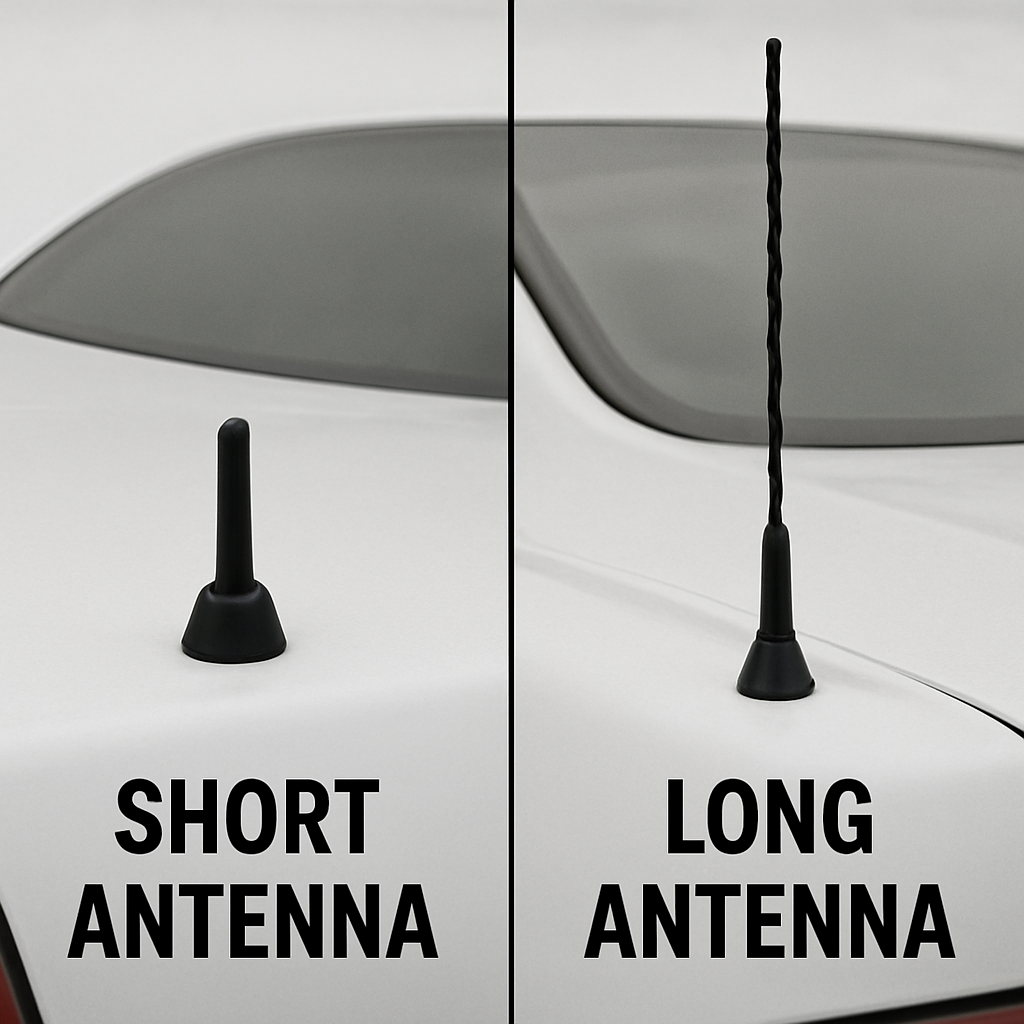
Most handhelds ship with a short “rubber ducky” antenna that prioritizes portability over performance, effectively muffling your signal. Checking your model for aftermarket high-gain antenna compatibility allows you to swap this factory part for a longer, flexible whip that can nearly double your effective communication distance. This upgrade functions like a hearing aid for your device, pulling in weak transmissions that shorter antennas miss while focusing your outgoing signal to punch through obstacles more effectively.
Hardware is only half the battle; you also need to control where your radio listens. While programming portable two-way radios is fastest using a computer at home, relying on that method exclusively creates a risk if you are away from your desk during a crisis. Field-programmable keypad entry devices are essential because they let you manually type in new frequencies using the buttons on the front face. Learning to do this manually means you can adapt to local emergency channels on the fly, ensuring you are prepared to select the right model for your needs.
Your 3-Step Plan for Buying Your First Multiband Handheld
Mastering the basics of a multiband handheld radio transforms a simple hike into a secure adventure. Cut through analysis paralysis by executing a focused three-step strategy: match your primary terrain to the right frequency—using VHF for open spaces or UHF for obstacles—then pair your device with the necessary license and a high-performance antenna upgrade. This approach ensures you aren’t just buying another gadget, but constructing a lifeline tailored specifically to your environment.
True independence means maintaining a connection even when the cell towers fail. Whether you are coordinating a neighborhood safety net or keeping track of family on the trail, reliable communication now comes with zero monthly fees. You have moved beyond the limitations of smartphone coverage, gaining the ultimate peace of mind that comes with knowing you can always reach out when it matters most.
Contact us for your two way radio, Racher +86 193 0864 1458