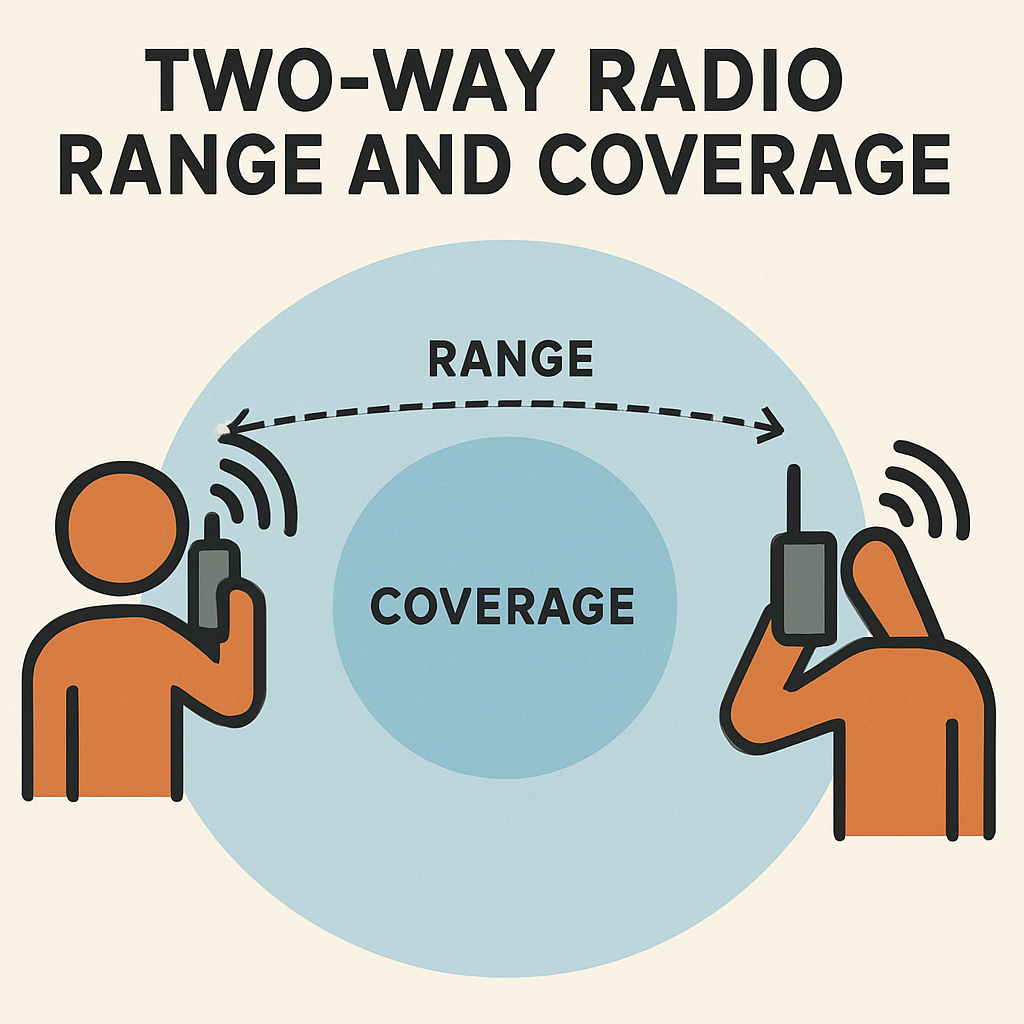
-
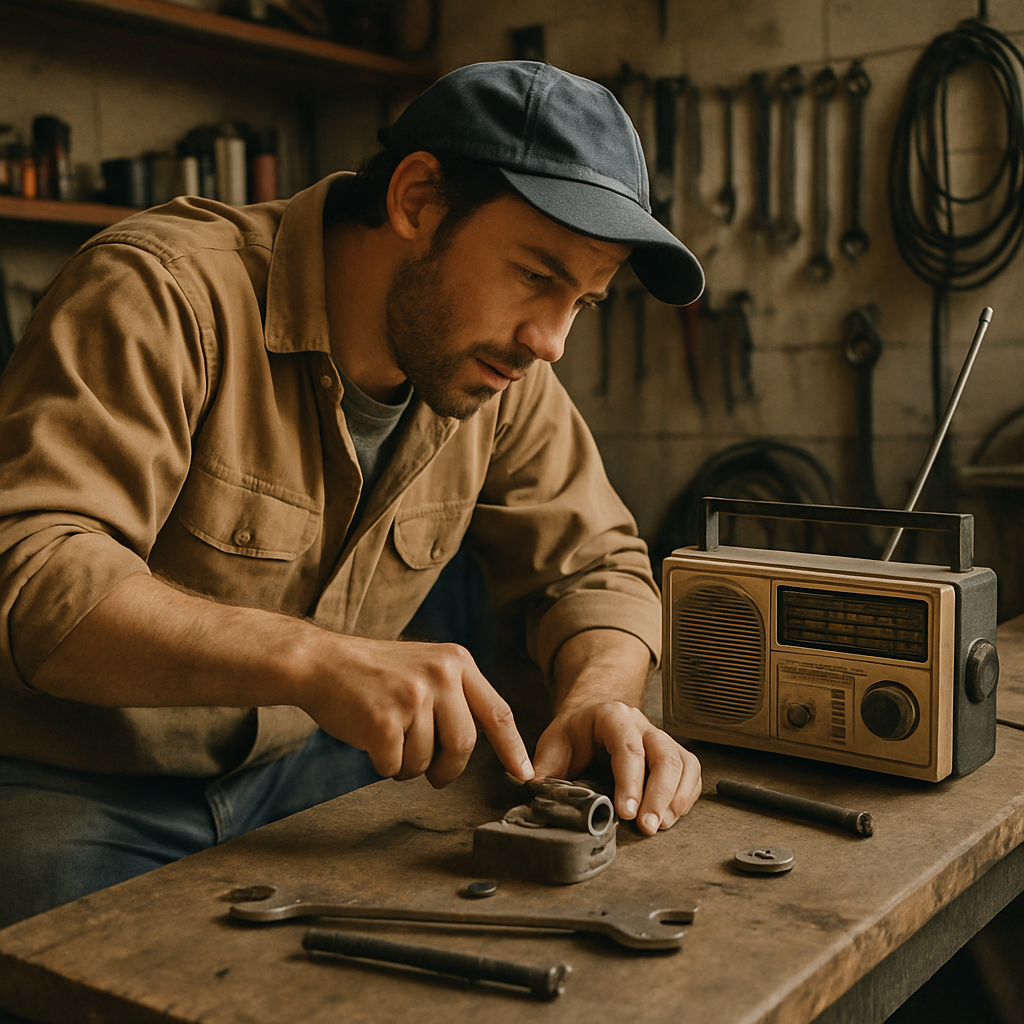
Top Radios to Enhance Your Garage Experience
When it comes to transforming your garage into a versatile space, music can play a crucial role in setting the mood. Whether you’re working on a DIY project, fixing up your car, or simply enjoying some downtime, having the right radio can significantly enhance your experience. In this article, we’ll explore the top radios that are perfect for your garage, focusing on features like durability, sound quality, and connectivity options. Let’s dive in and find the perfect garage radio for you! A good garage radio is more than just a source of music; it’s a companion that can make your time spent in the garage more enjoyable and productive. Here’s why investing in a quality radio for your garage makes sense: Features to Consider When Choosing a Garage Radio Before diving into specific models, let’s discuss the key features to look for when selecting the best garage radio for your needs. Durability and Build Quality Since garages are prone to dust, dirt, and potential impacts, it’s essential to choose a radio with a robust build. Look for models made with durable materials and consider those that offer water and dust resistance. Sound Quality and Volume A radio with clear sound and adequate volume is necessary to overcome ambient noise typical in a garage setting. Consider models with adjustable equalizers to customize the sound to your liking. Connectivity Options Modern garage radios often come with Bluetooth connectivity, allowing you to stream music directly from your smartphone or other devices. Additionally, features like USB ports, aux inputs, and AM/FM tuners add versatility to your listening options. Portability and Power Source Depending on your garage setup, you might prefer a radio that is portable, allowing you to move it around as needed. Also, consider whether you want a corded radio or one that runs on batteries for added flexibility. Top Garage Radios on the Market Now that we know what to look for, let’s explore some of the best radios that can elevate your garage experience. 1. DEWALT DCR010 Bluetooth Jobsite Speaker The DEWALT DCR010 is a top contender for the best garage radio with Bluetooth capabilities. Known for its rugged design, this radio is built to withstand the tough conditions of a garage. 2. Sangean LB-100 Ultra Rugged Compact Radio by Chris Burgett (https://unsplash.com/@chrismburgett) The Sangean LB-100 is an ultra-rugged radio designed for harsh environments. It’s perfect for those who want a straightforward radio without the need for additional connectivity features. 3. Milwaukee M12 Wireless Jobsite Speaker…
-
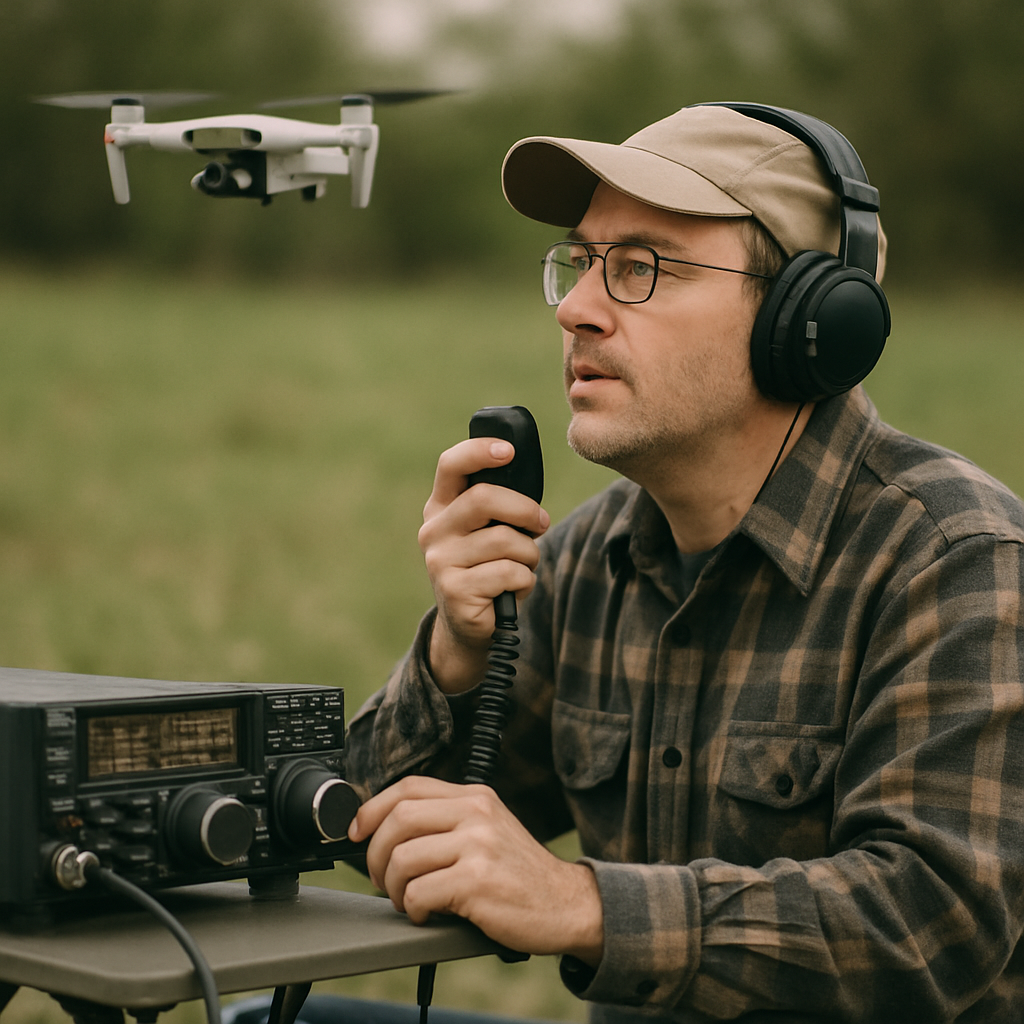
How All-Band Radios Are Powering the Last-Mile of Communication in Global Drone Logistics
In today’s rapidly evolving world, the logistics industry is undergoing a transformative change. At the heart of this revolution are drones, which are increasingly being used for last-mile deliveries. But what powers these drones and ensures seamless communication? The answer lies in all-band radios. These devices are proving to be indispensable in the realm of global drone logistics, facilitating efficient, reliable, and effective communication. Radio frequency (RF) plays a pivotal role in the operation of drones. It is the medium through which drones communicate with their control stations, ensuring that they receive commands and feedback in real-time. This real-time communication is crucial, especially in logistics, where timely deliveries can make a significant difference in customer satisfaction and operational efficiency. Understanding All-Band Radios All-band radios are versatile devices capable of receiving and transmitting across a wide range of frequencies. Unlike traditional radios that may be limited to a specific frequency band, all-band radios can operate on multiple frequencies. This flexibility makes them ideal for drone logistics, as they can adapt to different communication needs and conditions. Why All-Band Radios Are Essential In the context of drone logistics, all-band radios provide several advantages: All Mode Ham Radio: A Key Component An all mode ham radio is a type of all-band radio that is particularly popular among amateur radio enthusiasts. However, its capabilities extend beyond hobbyist use. In drone logistics, all mode ham radios are valued for their ability to operate on multiple modes (such as AM, FM, and SSB), providing flexibility in communication methods. Benefits of All Mode Ham Radios in Drone Operations The Best All-Band Radio Receiver for Drone Logistics Choosing the best all-band radio receiver is crucial for ensuring efficient drone logistics. A good receiver should be able to pick up signals from various frequencies and modes, ensuring that the drone remains connected to its control station at all times. Key Features to Consider When selecting an all-band radio receiver for drone logistics, consider the following features: How All-Band Radios Enhance Logistics Solutions by Josh Berendes (https://unsplash.com/@brende) Incorporating all-band radios into drone logistics solutions offers several benefits: Real-World Applications of All-Band Radios in Drone Logistics Several companies are already harnessing the power of all-band radios in their drone logistics operations. For instance, logistics giants are using these radios to ensure that their drone fleets remain connected and operational, even in challenging terrains. Case Study: Dronex Logistics Dronex Logistics, a pioneer in drone delivery services, has integrated all-band radios into their fleet to enhance communication reliability. By doing so, they’ve managed to reduce delivery times by 30% and have expanded their service areas to include remote locations previously deemed inaccessible.…
-
Why Analog Radios Are Making a Comeback in Off-Grid AI Sensor Networks
Analog radios, often seen as relics of the past, are experiencing a resurgence, particularly in off-grid AI sensor networks. This may seem surprising in today’s digital age, where everything from smartphones to smart homes is built on digital technology. However, analog radios have certain qualities that make them highly valuable in specific applications, especially in environments where digital solutions may fall short. In this article, we’ll explore why analog radios are making a comeback in off-grid AI sensor networks, examining their advantages and why they are sometimes preferred over their digital counterparts. The Basics of Analog Radios Analog radios are communication devices that transmit and receive signals through continuous waveforms. Unlike digital radios that convert information into binary code, analog radios use frequency modulation (FM) or amplitude modulation (AM) to convey sound. How Analog Radios Work Analog radios function by modulating radio waves to carry sound. The modulation can be in the form of changes in amplitude or frequency, which is then demodulated by the receiving radio to reproduce the original sound. This technology, while older, is straightforward and reliable. Why Off-Grid AI Sensor Networks Need Analog Radios Off-grid AI sensor networks are systems designed to operate independently of traditional power and communication infrastructure. They are used in remote or hard-to-reach areas where conventional digital communication might not be feasible. Analog radios provide a robust solution for these networks due to several key advantages. Reliability and Simplicity One of the primary reasons analog radios are favored in off-grid environments is their reliability. Analog technology is inherently less complex than digital, which makes it less susceptible to failures in harsh conditions. The simplicity of analog systems means fewer points of failure and easier troubleshooting. Energy Efficiency Analog radios tend to consume less power than digital radios. This energy efficiency is crucial for off-grid AI sensor networks, which often rely on limited power sources such as solar panels or batteries. In remote areas where power conservation is critical, the lower energy requirements of analog radios make them an ideal choice. Analog Radio vs. Digital Radio While digital radios offer high-quality sound and advanced features, they require a more stable power source and infrastructure, which may not always be available in off-grid settings. Here’s a closer look at the differences between analog and digital radios. Sound Quality and Range Digital radios typically offer superior sound quality and can filter out noise more effectively than analog radios. However, analog radios have the advantage of maintaining a signal over longer distances. In remote areas, the extended range of analog radios can be a significant benefit, ensuring communication remains possible even in challenging terrains. Durability Analog radios are generally more rugged and can withstand harsh environmental conditions better than digital radios. This durability is vital for off-grid sensor networks, which may be exposed to extreme weather, dust, and moisture. by Nguyễn Phương (https://unsplash.com/@yomawari1511) Cost-Effectiveness…
-
What is walkie talkie
Walkie talkies have become a staple in both professional and recreational communication. These compact devices have made a significant impact on how people communicate in areas where traditional methods fall short. Whether you’re navigating through dense forests during a hike or coordinating a large-scale event in a bustling urban setting, walkie talkies keep you connected without the dependence on cellular service. The resilience and reliability of these devices make them indispensable tools for a variety of scenarios. But what exactly is a walkie talkie, and how do they work? In this article, we’ll explore the ins and outs of walkie talkies, their various features, and how to choose the right one for your needs. Understanding Walkie Talkies Walkie talkies, also known as two-way radios, are portable communication devices that transmit and receive radio signals. These devices are designed to facilitate communication over short to medium distances, making them particularly useful in environments where a cellular network is unavailable or unreliable. By operating on specific radio frequencies, walkie talkies provide a communication solution that is both practical and efficient, often utilized in both personal and professional settings. How Do Walkie Talkies Work? Walkie talkies work by converting your voice into radio signals, which are then transmitted to another device on the same frequency. When you speak into a walkie talkie, your voice is captured by a built-in microphone, which then converts the audio into an electrical signal. This electrical signal is transmitted as radio waves to another walkie talkie, where it is converted back into sound by a speaker. This process allows for real-time communication between users, facilitating quick and efficient exchanges. The simplicity and immediacy of this process make walkie talkies a preferred choice for communication in scenarios where immediate feedback is crucial. Key Features of Walkie Talkies Walkie talkies come with a variety of features that enhance their functionality. Understanding these features can help users select a device that best suits their needs. What is VOX on a Walkie Talkie? One of the standout features of modern walkie talkies is VOX, or Voice Operated Exchange. This feature has revolutionized the way users interact with their devices, allowing for more dynamic and versatile usage. But what is VOX on a walkie talkie, and how does it enhance communication? Understanding VOX VOX allows for hands-free operation of a walkie talkie. When the VOX feature is enabled, the device automatically detects your voice and starts transmitting without the need to press the push-to-talk button. This can be particularly advantageous in scenarios where manual operation is impractical, such as during physical activities like biking, climbing, or when handling equipment. The ability to communicate without having to manually operate the device enhances both convenience and efficiency, making VOX an essential feature for many users. Benefits of Using VOX Walkie Talkie Reviews: Choosing the Right Device With so many models on the market, choosing the right walkie talkie can be daunting. The variety of options available means that there is likely a model that perfectly fits your specific needs. Here are some tips for selecting a device that meets your needs. Consider Your Environment The environment in which you’ll use your walkie talkie plays a significant role in determining which model to choose. If you’re using it outdoors, consider a model with a long range and robust build. These features are essential for ensuring clear communication over longer distances and in challenging conditions. For indoor use, a compact device with a shorter range may suffice, offering ease of use and portability. Evaluate the Features Different models come with different features. Decide which features are most important to you, such as VOX, multiple channels, or weather resistance. Additionally, consider the battery life and durability of the device, especially if it will be used in demanding environments. Assessing these features in relation to your specific needs can help narrow down your choices and ensure that you select a device that provides the best value for your investment. Read Reviews Before purchasing, it’s a good idea to read walkie talkie reviews from other users. Reviews can provide insight into the performance and reliability of a device, helping you make an informed decision. They can also highlight any potential issues or limitations that might not be immediately apparent from the product description. By leveraging the experiences of other users, you can gain a better understanding of which models are likely to meet your expectations and needs.…
-
Understanding VHF Walkie Talkies: A Guide
In the realm of communication, VHF walkie talkies stand out as reliable tools for various activities. Whether you’re hiking in the mountains, coordinating a large event, or working on a construction site, these portable radios provide a simple and effective way to stay connected. In this guide, we’ll delve into what VHF walkie talkies are, how they work, and why they might be the right choice for your communication needs. VHF, or Very High Frequency, refers to a range of radio frequencies from 30 MHz to 300 MHz. Walkie talkies that operate on VHF frequencies are designed for long-distance communication in open areas. Unlike UHF (Ultra High Frequency) walkie talkies, which are better suited for indoor use, VHF radios excel in environments with minimal obstructions. The Basics of Walkie Talkie Communication A walkie talkie is a handheld, portable radio that allows users to communicate over specific radio frequencies. These devices typically include a microphone, speaker, and antenna, enabling two-way communication. Users can transmit and receive messages by pressing a button, often referred to as the “push-to-talk” button. How Do VHF Walkie Talkies Work? VHF walkie talkies operate by sending and receiving radio waves within the VHF frequency range. When you speak into the microphone, your voice is converted into radio waves and transmitted to another walkie talkie on the same frequency. The receiving walkie talkie then converts these radio waves back into sound. Range and Clarity VHF walkie talkies are known for their impressive range, especially in open spaces without physical barriers. The range of communication can extend several miles, making them ideal for outdoor adventures and activities like boating or camping. However, the presence of buildings, hills, or dense forests can impact signal clarity and range. Channel Selection Most VHF walkie talkies come with multiple channels, allowing users to select a specific frequency for communication. This feature is particularly useful in crowded areas where multiple groups may be using walkie talkies simultaneously. By choosing a different channel, you can avoid interference and ensure clear communication. Advantages of Using VHF Walkie Talkies There are several reasons why VHF walkie talkies are a popular choice for various applications: Long-Range Communication As mentioned earlier, VHF walkie talkies excel in open environments, providing extended communication range. This makes them suitable for outdoor events, hiking trips, and marine activities. Durability and Portability Walkie talkies are designed to withstand the elements. Many models are water-resistant and built to endure rough conditions. Their portable nature allows users to carry them easily, making them a practical choice for on-the-go communication. Cost-Effective Solution Compared to mobile phones and other communication devices, VHF walkie talkies offer a cost-effective solution with no monthly fees or service contracts. Once purchased, you can use them indefinitely without additional costs. Ease of Use VHF walkie talkies are simple to operate, making them accessible to users of all ages and technical skill levels. With straightforward controls and clear instructions, anyone can quickly learn how to use them effectively.…
-
step by step guide how to set up walkie talkie
Setting up a walkie talkie might seem daunting, especially if you’re new to the world of radio communication. However, with the right guidance, you’ll find it’s a straightforward process. In this guide, we’ll walk you through setting up your walkie talkie step-by-step, with a focus on the popular Baofeng UV-5R model. Whether you’re using it for hiking, camping, or work, this guide will help you get started quickly and efficiently. Before diving into the setup, it’s essential to familiarize yourself with the basic components of your walkie talkie. Most walkie talkies, including the Baofeng UV-5R, come with the following parts: Charging the Battery The first step in setting up your walkie talkie is ensuring that the battery is fully charged. A fully charged battery ensures optimal performance and longer usage time. Setting Up the Baofeng UV-5R Now that you’re familiar with the basic components and have a charged battery, let’s set up the Baofeng UV-5R walkie talkie. Inserting the Battery and Antenna Powering On and Basic Configuration Programming Frequencies Programming frequencies is one of the most crucial steps in the walkie talkie setup process. This will determine which channels you can communicate on. Testing the Walkie Talkie by Shantanu Kumar (https://unsplash.com/@theshantanukr) Once you’ve programmed the frequencies, it’s time to test your setup. Additional Tips for Using Your Walkie Talkie Enhancing Range and Clarity Safety Precautions Troubleshooting Common Issues No Sound or Poor Audio Quality Device Won’t Turn On Conclusion…
-
Essential Features of Police Walkie Talkies
In the high-pressure world of law enforcement, communication is key. Police officers rely heavily on their gear, particularly their walkie talkies, to stay connected with their team, coordinate strategies, and respond effectively to incidents. But not all radios are created equal. Here, we will explore the essential features that make police walkie talkies an indispensable tool in police work. Durability and Reliability Police officers work in a variety of environments, from urban areas to remote locations, and their equipment must be able to withstand harsh conditions. Durability is a critical feature of police walkie talkies. These devices need to be water-resistant, shock-proof, and able to operate in extreme temperatures. The last thing an officer needs is a malfunctioning radio during an emergency. Water and Dust Resistance Police walkie talkies often meet IP (Ingress Protection) ratings, which indicate their level of resistance to dust and water. A common rating for police radios is IP67, meaning the device is dust-tight and can be submerged in water up to a meter for 30 minutes. This resistance ensures that the radio will function properly in rainy weather or dusty environments. Shockproof Design The nature of police work can be physical, and equipment may be dropped or jostled during pursuits or confrontations. Walkie talkies with rugged, shockproof designs help prevent damage and ensure that communication lines remain open when they’re needed most. Clear Audio Quality In high-stakes situations, clear communication is non-negotiable. Police radios must provide excellent audio quality to ensure that officers can hear and be heard. This means having features that minimize background noise and enhance voice clarity. Noise Cancellation Noise cancellation technology in walkie talkies helps filter out background noise, such as sirens, traffic, or crowds. This feature allows officers to communicate clearly even in chaotic environments. Loud Speaker Volume A loud speaker volume is essential in ensuring that messages are heard over ambient noise. Police walkie talkies often have adjustable volume settings that can be turned up in noisy situations, ensuring that critical information is not missed. Long Battery Life Police officers often work long shifts, and their radios need to last just as long. A long battery life is crucial to ensure that walkie talkies remain operational throughout a shift without the need for frequent recharging or battery changes. Rechargeable Batteries Most modern police radios use rechargeable lithium-ion batteries, which are known for their longevity and reliability. These batteries can provide extended usage time and are often removable, allowing for quick swaps during shifts. Battery-Saving Features Many police walkie talkies come equipped with power-saving features, such as automatic power-off when not in use, to extend battery life. These features help ensure that the radio is ready to go when it’s needed the most. Secure Communication Channels…
-
long range walkie talkies 500 miles
In the world of communication, long-range walkie talkies have carved a niche for themselves as indispensable tools for adventure enthusiasts, emergency responders, and outdoor professionals alike. With the promise of providing seamless two-way communication over vast distances, the idea of a walkie talkie with a 500-mile range sounds intriguing. But how practical is it? In this article, we’ll dive deep into the reality of long-range walkie talkies, explore the best options available, and shed light on what you can realistically expect. Understanding Long Range Walkie Talkies What Are Long Range Walkie Talkies? Long range walkie talkies are portable two-way radios that allow users to communicate over significant distances without relying on cellular networks or internet connectivity. They are highly valued in areas with limited mobile coverage or during activities where traditional communication methods may fail. Are 500-Mile Walkie Talkies Real? The claim of a 500-mile range for walkie talkies often comes with a caveat. While some manufacturers advertise these staggering distances, the reality is that these figures are typically based on ideal conditions. In practice, the range of a walkie talkie is influenced by several factors such as terrain, weather, and obstructions. Best Walkie Talkies for Long Range Communication When choosing a walkie talkie for long-range communication, it’s essential to consider your specific needs and the environment in which you plan to use them. Motorola T600 H2O Motorola is a well-known brand in the world of two-way radios, and the T600 H2O model is built for those who need a rugged, reliable device. Designed to withstand tough conditions, it is waterproof and floats, making it perfect for water-based adventures. Midland GXT1000VP4 The Midland GXT1000VP4 is another excellent choice for those seeking reliable long-range communication. It offers a combination of durability, impressive features, and affordability. BaoFeng BF-F8HP For those who need a powerful and versatile two-way radio, the BaoFeng BF-F8HP is a popular choice among amateur radio enthusiasts. It offers a higher power output compared to typical consumer walkie talkies. Tips for Maximizing Your Walkie Talkie’s Range While you might not achieve a 500-mile range, there are several ways to optimize the performance of your walkie talkies and ensure you get the most out of them: Choose the Right Frequency Most consumer walkie talkies operate on either FRS (Family Radio Service) or GMRS (General Mobile Radio Service) frequencies. GMRS radios generally offer better range due to higher power capabilities, but they may require a license to operate. Elevate Your Position Using your walkie talkie from a higher elevation can significantly extend its range. If possible, position yourself on a hill or an elevated platform to achieve better line of sight.…
-
Essential Features of Hunting Walkie Talkies
When heading into the great outdoors, especially for a hunting trip, communication is crucial. Whether you’re coordinating with your hunting party or navigating unfamiliar terrain, having a reliable means of communication can make all the difference. Enter hunting walkie talkies, a staple in any hunter’s gear collection. But with so many options on the market, how do you choose the right one? In this article, we’ll delve into the essential features of hunting walkie talkies to help you make an informed decision. Hunting walkie talkies are more than just a luxury; they’re a necessity. These devices ensure that you stay connected with your team, which is vital for safety and efficiency. In areas where cell phone reception is spotty or non-existent, walkie talkies provide a reliable line of communication. They can also be lifesavers in emergencies, allowing you to call for help or coordinate rescue efforts quickly. Key Features to Consider When shopping for a hunting walkie talkie, there are several key features to consider. Let’s break them down: Range One of the most critical features of any walkie talkie is its range. The range determines how far apart you can be from your hunting partners while still maintaining clear communication. For hunting, you’ll want a walkie talkie with a long range, typically between 20 to 50 miles. Keep in mind that environmental factors like terrain, weather, and obstacles can affect the actual range. Durability Hunting often involves rough terrain and harsh weather conditions, so your walkie talkie needs to be tough enough to withstand these challenges. Look for models that are water-resistant or waterproof, as well as shockproof. A durable design ensures that your device will last through various hunting seasons. Battery Life Long battery life is essential when you’re out in the field for extended periods. Opt for walkie talkies that offer at least 8 to 12 hours of battery life on a single charge. Additionally, consider models with rechargeable batteries or the option to use standard AA or AAA batteries for convenience. Channels and Privacy Codes Having multiple channels and privacy codes is important to avoid interference from other users. Walkie talkies with a large number of channels (at least 22) and privacy codes (up to 121) offer more options to find a clear frequency. This feature ensures that your communication remains private and uninterrupted. Weather Alerts Nature is unpredictable, and weather conditions can change rapidly. Some advanced walkie talkies come equipped with NOAA weather alerts, providing you with real-time weather updates. This feature can be crucial for planning your hunt and staying safe in adverse conditions. Additional Features Worth Considering Hands-Free Operation Having your hands free while hunting is a significant advantage. Many walkie talkies come with VOX (Voice-Activated Transmit) capabilities, allowing you to communicate without pressing any buttons. This feature is especially useful when you’re holding a weapon or using binoculars. Noise-Canceling Microphone In a hunting environment, background noise can be a problem. A noise-canceling microphone helps filter out ambient sounds, ensuring that your voice comes through clearly, even in windy or noisy conditions. GPS Integration…