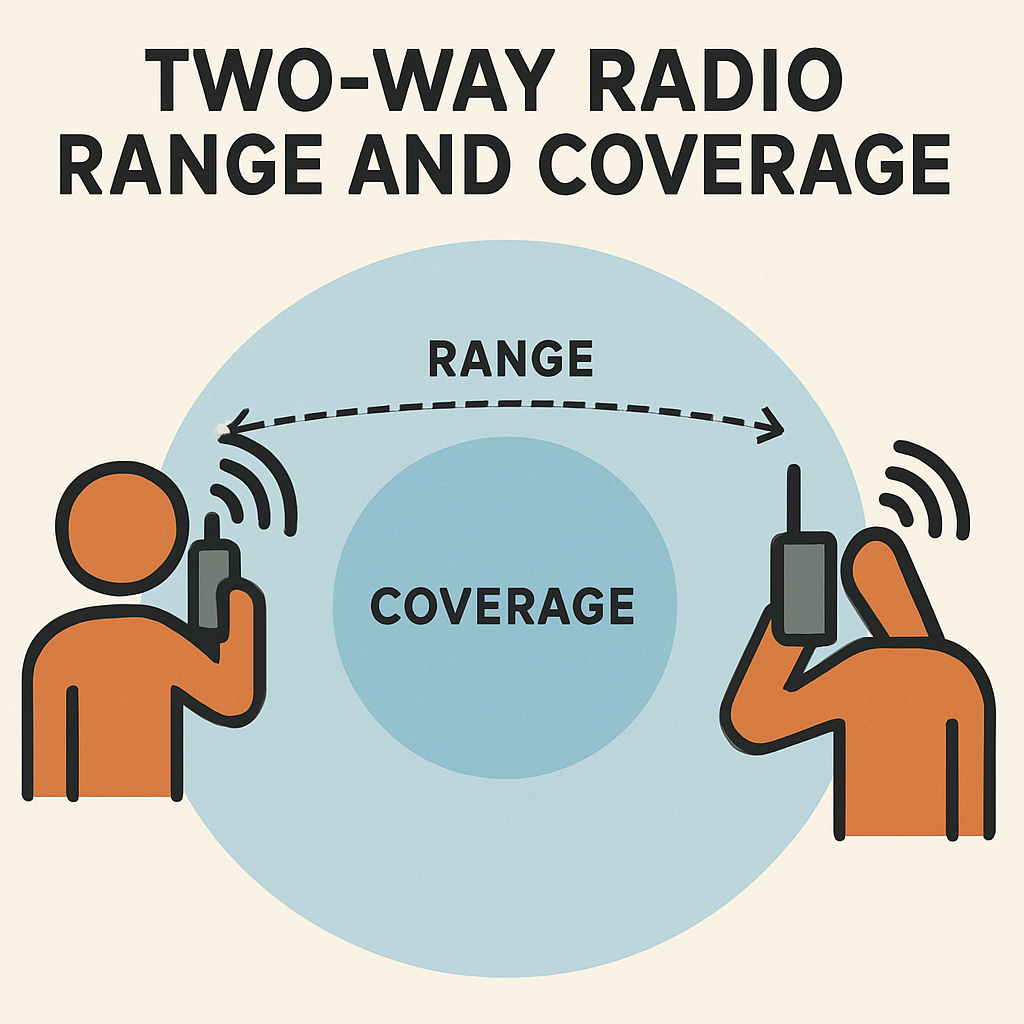
Analog radios, often seen as relics of the past, are experiencing a resurgence, particularly in off-grid AI sensor networks. This may seem surprising in today’s digital age, where everything from smartphones to smart homes is built on digital technology. However, analog radios have certain qualities that make them highly valuable in specific applications, especially in environments where digital solutions may fall short.
In this article, we’ll explore why analog radios are making a comeback in off-grid AI sensor networks, examining their advantages and why they are sometimes preferred over their digital counterparts.
The Basics of Analog Radios
Analog radios are communication devices that transmit and receive signals through continuous waveforms. Unlike digital radios that convert information into binary code, analog radios use frequency modulation (FM) or amplitude modulation (AM) to convey sound.
How Analog Radios Work
Analog radios function by modulating radio waves to carry sound. The modulation can be in the form of changes in amplitude or frequency, which is then demodulated by the receiving radio to reproduce the original sound. This technology, while older, is straightforward and reliable.

Why Off-Grid AI Sensor Networks Need Analog Radios
Off-grid AI sensor networks are systems designed to operate independently of traditional power and communication infrastructure. They are used in remote or hard-to-reach areas where conventional digital communication might not be feasible. Analog radios provide a robust solution for these networks due to several key advantages.
Reliability and Simplicity
One of the primary reasons analog radios are favored in off-grid environments is their reliability. Analog technology is inherently less complex than digital, which makes it less susceptible to failures in harsh conditions. The simplicity of analog systems means fewer points of failure and easier troubleshooting.
Energy Efficiency
Analog radios tend to consume less power than digital radios. This energy efficiency is crucial for off-grid AI sensor networks, which often rely on limited power sources such as solar panels or batteries. In remote areas where power conservation is critical, the lower energy requirements of analog radios make them an ideal choice.
Analog Radio vs. Digital Radio
While digital radios offer high-quality sound and advanced features, they require a more stable power source and infrastructure, which may not always be available in off-grid settings. Here’s a closer look at the differences between analog and digital radios.
Sound Quality and Range
Digital radios typically offer superior sound quality and can filter out noise more effectively than analog radios. However, analog radios have the advantage of maintaining a signal over longer distances. In remote areas, the extended range of analog radios can be a significant benefit, ensuring communication remains possible even in challenging terrains.
Durability
Analog radios are generally more rugged and can withstand harsh environmental conditions better than digital radios. This durability is vital for off-grid sensor networks, which may be exposed to extreme weather, dust, and moisture.

Cost-Effectiveness
Analog radios are often more affordable than digital radios, both in terms of initial purchase and maintenance costs. For projects with limited budgets, such as many off-grid AI sensor networks, the cost-effectiveness of analog radios can be a decisive factor.
Applications of Analog Radios in Off-Grid AI Sensor Networks
Analog radios are used in various applications within off-grid AI sensor networks. Here are a few examples of how they play a critical role:
Environmental Monitoring
In remote areas, monitoring environmental conditions such as temperature, humidity, and air quality is essential. Analog radios can transmit data from sensors to central monitoring stations, ensuring that crucial environmental data is consistently collected and analyzed.
Emergency Communication
In emergency situations where digital networks might fail, analog radios provide a reliable means of communication. They are often used by emergency responders and can be crucial in coordinating rescue and relief efforts in off-grid areas.
Wildlife Tracking
Analog radios are used in wildlife tracking to monitor the movements of animals fitted with radio collars. This data helps researchers understand animal behavior and make informed conservation decisions.
Conclusion: The Resilient Future of Analog Radios
Despite the digital revolution, analog radios remain a vital tool in specific applications, particularly in off-grid AI sensor networks. Their reliability, energy efficiency, and cost-effectiveness make them an attractive option when traditional infrastructure is lacking.
As technology continues to advance, the role of analog radios may evolve, but their fundamental advantages ensure they will remain relevant, especially in niche applications where their unique strengths shine. Whether for environmental monitoring, emergency communication, or wildlife tracking, analog radios provide a dependable solution in off-grid settings, showcasing their enduring value in our increasingly digital world.