-
How to Set Up a Walkie Talkie Communication Network for Your Team
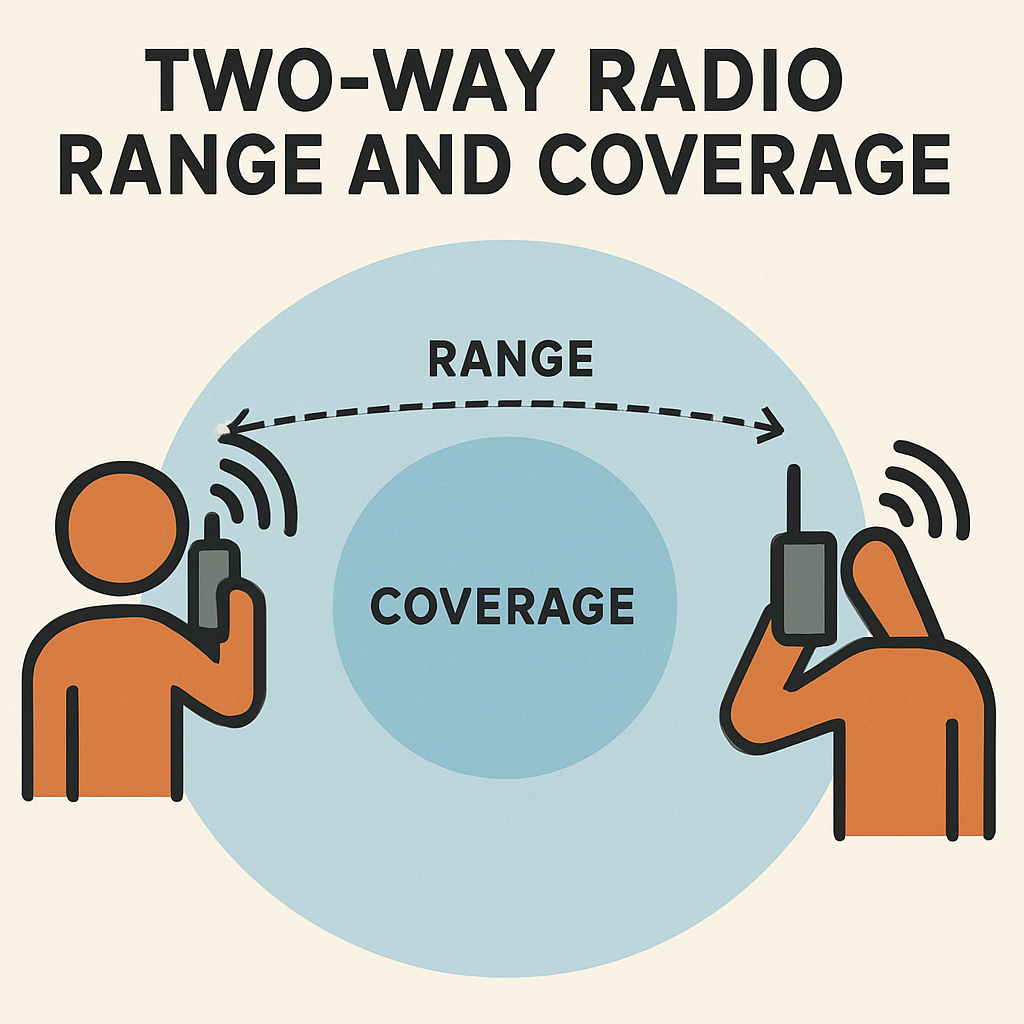
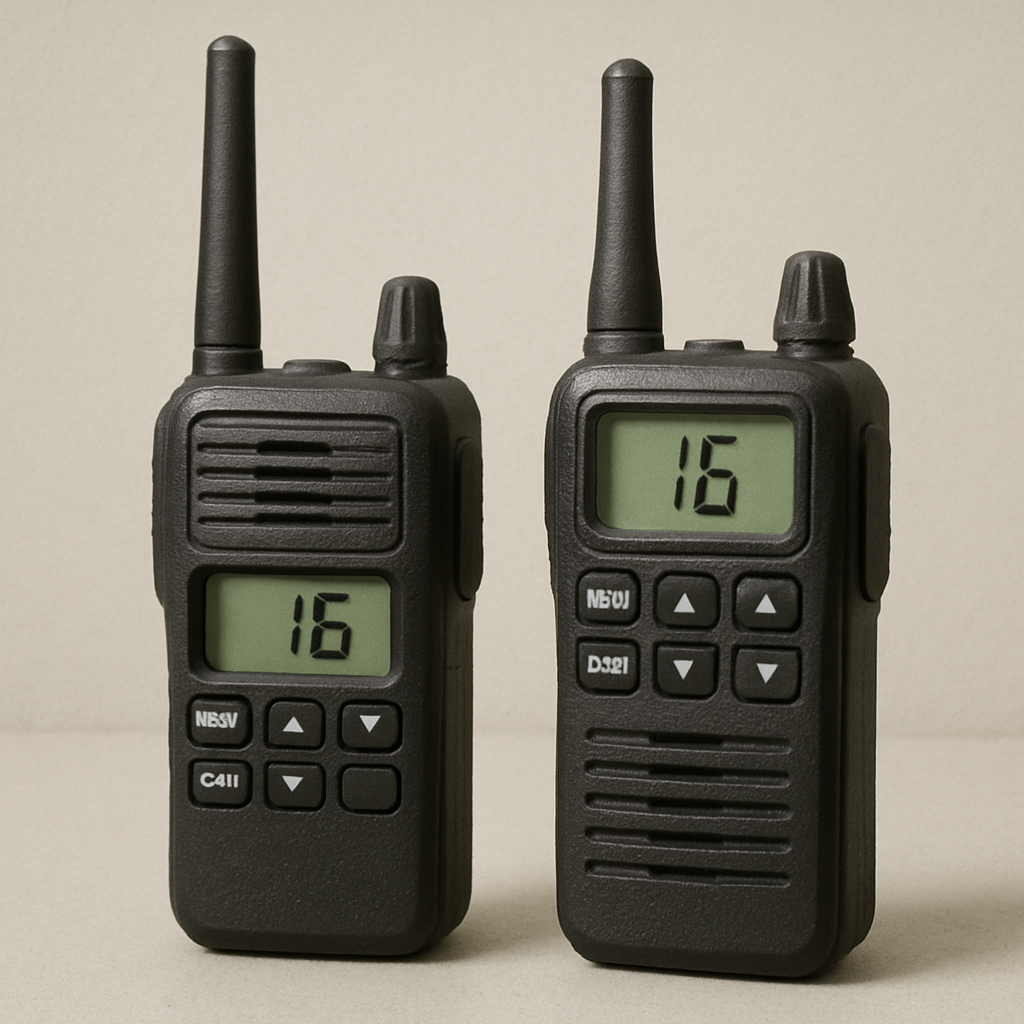
Setting up a walkie talkie communication network can significantly improve your team’s efficiency and responsiveness. Whether you’re coordinating a large event, managing a construction site, or overseeing a security detail, portable radios provide reliable and instant communication. In this guide, we’ll walk you through the steps to establish a robust communication network using walkie talkies. Walkie talkies, also known as portable radios, are handheld devices used for two-way communication. They operate on radio frequencies and allow users to communicate over short to medium distances without the need for cell service. This makes them ideal for areas with poor network coverage or where quick communication is crucial. Benefits of Using Walkie Talkies Choosing the Right Walkie Talkies Selecting the appropriate walkie talkies for your team is crucial. Here are some factors to consider: Range The range of a walkie talkie determines how far apart users can be while maintaining communication. If you’re working in a large area, you’ll need devices with a longer range. Keep in mind that obstacles like buildings and trees can reduce effective range. Frequency Walkie talkies operate on two main frequency bands: Very High Frequency (VHF) and Ultra High Frequency (UHF). Channels Having multiple channels allows your team to communicate without interference from other groups. This is particularly important in crowded areas or events. Battery Life Consider how long your team will be using the walkie talkies each day. Some devices offer longer battery life or come with rechargeable batteries, which can be a cost-saving feature in the long run. Setting Up Your Communication Network Once you’ve chosen the right devices, it’s time to set up your communication network. Here’s how to do it: Step 1: Assign Channels Assign specific channels to different teams or departments. This prevents cross-talk and ensures that communication is clear and organized. For example, security personnel can be on Channel 1, while event coordinators use Channel 2. Step 2: Distribute Devices Ensure each team member has a walkie talkie and knows how to operate it. Conduct a brief training session if necessary, focusing on turning the device on and off, switching channels, and using the push-to-talk button. Step 3: Establish Protocols…