-
Comparison of CB Radios and Walkie Talkies
When it comes to communication devices, CB radios and walkie talkies are two of the most popular options available today, each catering to different audiences and needs. Whether you’re an outdoor enthusiast looking to maintain contact with your group, a trucker needing reliable communication on long hauls, or simply someone who enjoys staying connected during various activities, understanding the differences between these two devices is crucial. By delving into their key features, typical applications, and advantages, you can make an informed decision about which device best suits your requirements. Both CB radios and walkie talkies have carved out their niche in the communication landscape due to their distinctive features and capabilities. While they share the common goal of facilitating communication, they excel in different environments and scenarios. This article aims to provide a comprehensive comparison, helping you to navigate the pros and cons of each device so that you can choose the most appropriate tool for your communication needs. Citizens Band (CB) radios have been a mainstay in the world of communication since the 1940s, renowned for their reliability and utility, especially among truck drivers and communication hobbyists. Operating within a frequency range of 26.965 to 27.405 MHz, CB radios offer users the ability to connect over a wide array of channels. This flexibility has cemented their status as a preferred communication tool for long-distance interactions, particularly in vehicular settings. CB radios are widely embraced by truckers who require reliable long-distance communication on highways, allowing them to stay informed about road conditions and coordinate with other drivers. They’re also favored by off-road enthusiasts and RV owners who need dependable communication in remote areas where mobile signals may be weak. Additionally, CB radios find applications in professional settings where long-range communication is essential, such as in logistics and transportation sectors. In the realm of outdoor recreation, CB radios serve as a vital communication link for groups exploring wilderness areas or participating in off-road adventures. Their ability to maintain contact over longer distances without reliance on cellular networks makes them invaluable in ensuring safety and coordination in challenging environments. Walkie talkies, also known as two-way radios, are portable communication devices that offer a different set of features compared to CB radios. Operating on a distinct frequency range, walkie talkies are designed for short-range communication and are used in a variety of settings, from family outings and camping trips to professional environments where quick and efficient communication is needed. Walkie talkies are ideal for short-range communication and are commonly used by hikers and campers to stay connected with their group members in the wilderness. They are also popular among event organizers who need to coordinate activities quickly and efficiently. Families often use walkie talkies during outings to keep in touch without the need for cell phones, while businesses utilize them for seamless communication among team members in localized areas. In professional settings, walkie talkies are invaluable for facilitating swift communication and coordination, particularly in environments where immediate responses are required, such as in construction sites, security operations, and event management. Understanding the pros and cons of each device can help you decide which one suits your needs better. When deciding between a CB radio and a walkie talkie, consider the following factors: In the debate between CB radios and walkie talkies, there is no one-size-fits-all answer. Both have their unique advantages and are tailored to different needs and situations. By understanding the features, benefits, and limitations of each, you can choose the device that best aligns with your communication requirements. Whether you’re traversing the open road or exploring the great outdoors, having the right device by your side can make all the difference. With the right communication tool, you can enhance your connectivity, improve safety, and ensure smooth coordination across various activities and environments.
-

Comparison of CB Radios and Walkie Talkies
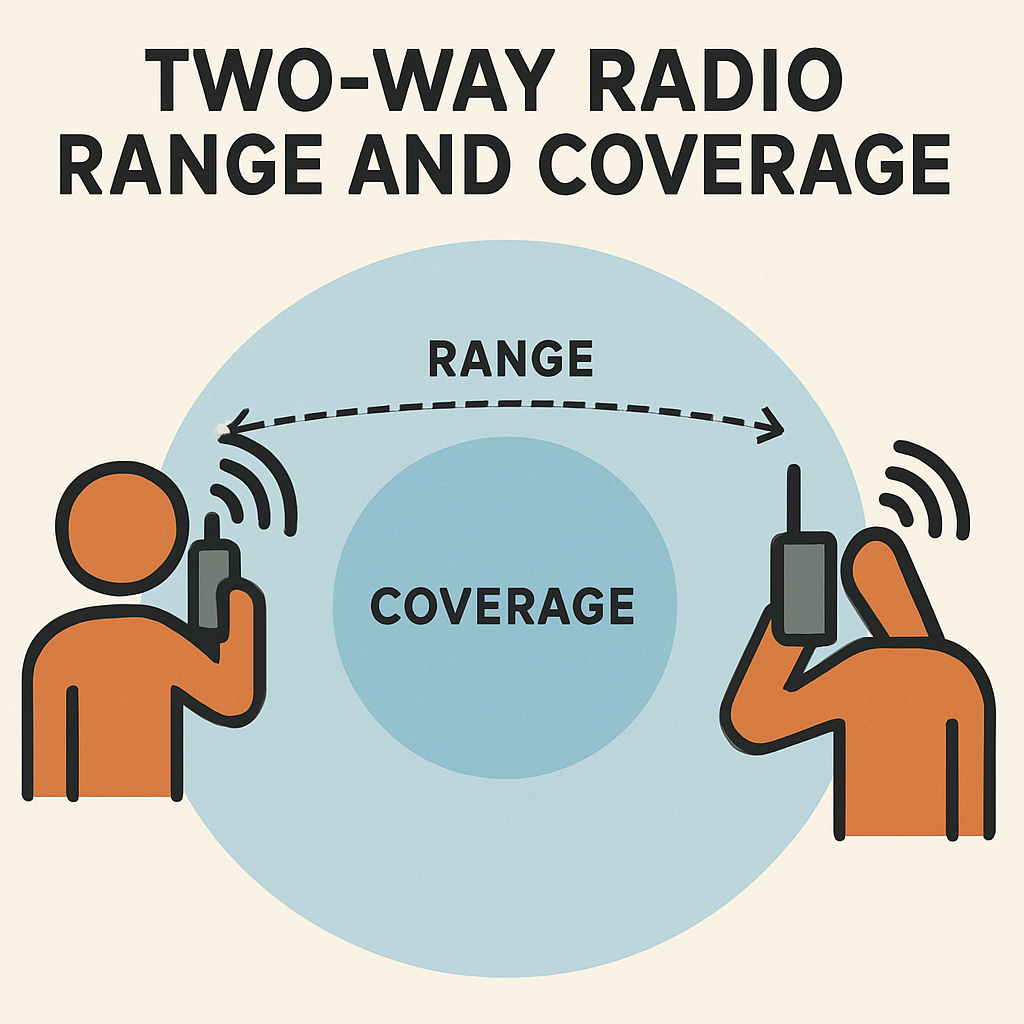
#buy radios: contact us now In the world of portable communication devices, CB radios and walkie talkies have long been popular choices. While both serve the purpose of short-distance communication, they differ significantly in terms of range, functionality, and usage. Understanding these differences is crucial in choosing the right device for your needs. What is a CB Radio? CB, or Citizens Band radio, is a short-distance radio communication system that allows individuals to communicate over 40 channels on a shared frequency band. It operates on the 27 MHz band and has a range that typically varies from 3 to 20 miles, depending on terrain and atmospheric conditions. CB radios are commonly used in vehicles, particularly trucks, for communication on the road. What is a Walkie Talkie? Walkie talkies, also known as handheld transceivers, are portable, two-way radio devices that operate on a fixed frequency band. They are typically used for personal communication over short distances, usually within a few miles. Walkie talkies are popular for outdoor activities like hiking, camping, and events where quick and direct communication is needed. Key Differences Between CB Radios and Walkie Talkies Range and Frequency One of the primary differences between CB radios and walkie talkies is their range and frequency. CB radios can cover longer distances, often up to 20 miles, whereas walkie talkies are generally limited to a few miles, depending on the environment. This makes CB radios more suitable for road travel and long-distance communication, whereas walkie talkies excel in close-range communication. CB radios operate on the 27 MHz band, which allows for better range under certain conditions. On the other hand, walkie talkies typically use either the Family Radio Service (FRS) or General Mobile Radio Service (GMRS) frequencies, which are higher in the UHF (Ultra High Frequency) spectrum. Licensing Requirements For CB radios, no license is required to operate, making them accessible to anyone who wishes to use them. However, some high-power CB radios may require a special permit. Walkie talkies operating on FRS frequencies do not require a license, but those using GMRS frequencies do require a license from the Federal Communications Commission (FCC). This is an important consideration when choosing a device for personal or professional use. Usage and Applications CB radios are predominantly used by truckers, off-road enthusiasts, and in emergency services. They provide a reliable means of communication over longer distances, especially in areas where cell service is unreliable. Walkie talkies are versatile and used for a wide range of activities. They are popular in recreational activities, such as hiking, skiing, and camping, as well as in business settings like construction sites and event management, where immediate communication is essential.…