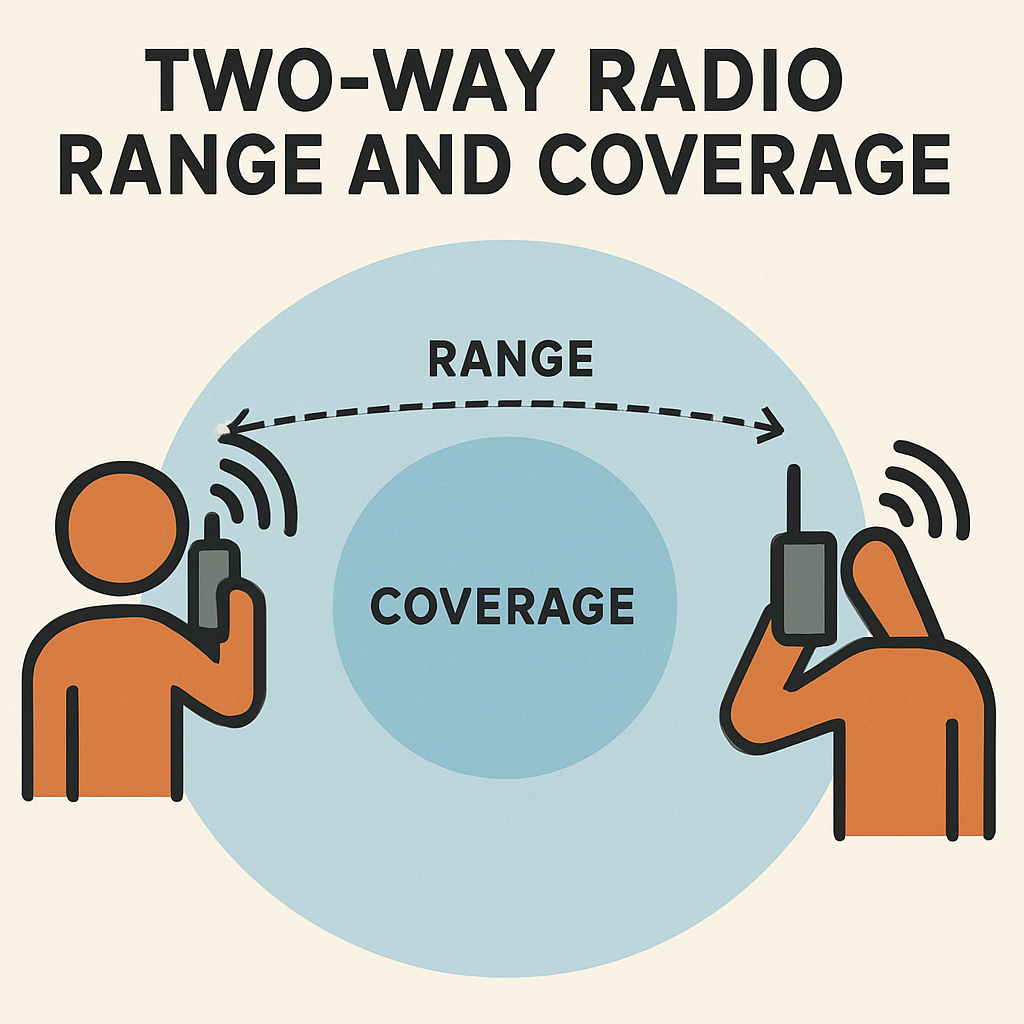
When you are venturing off the grid, coordinating a large event, or managing a busy construction site, reliable communication is non-negotiable. If you have ever asked yourself, “do walkie talkies work without cell service?” the answer is a resounding yes. Unlike smartphones that rely on nearby cell towers, two-way radios transmit directly to one another, making them an indispensable tool for both professionals and outdoor enthusiasts.
But with so many options on the market, finding the best walkie talkies can feel overwhelming. Today, we are breaking down the ultimate heavyweight matchup: the Motorola vs Hytera walkie talkie debate. We will also dive into the essential features you need to know to ensure you stay connected when it matters most.
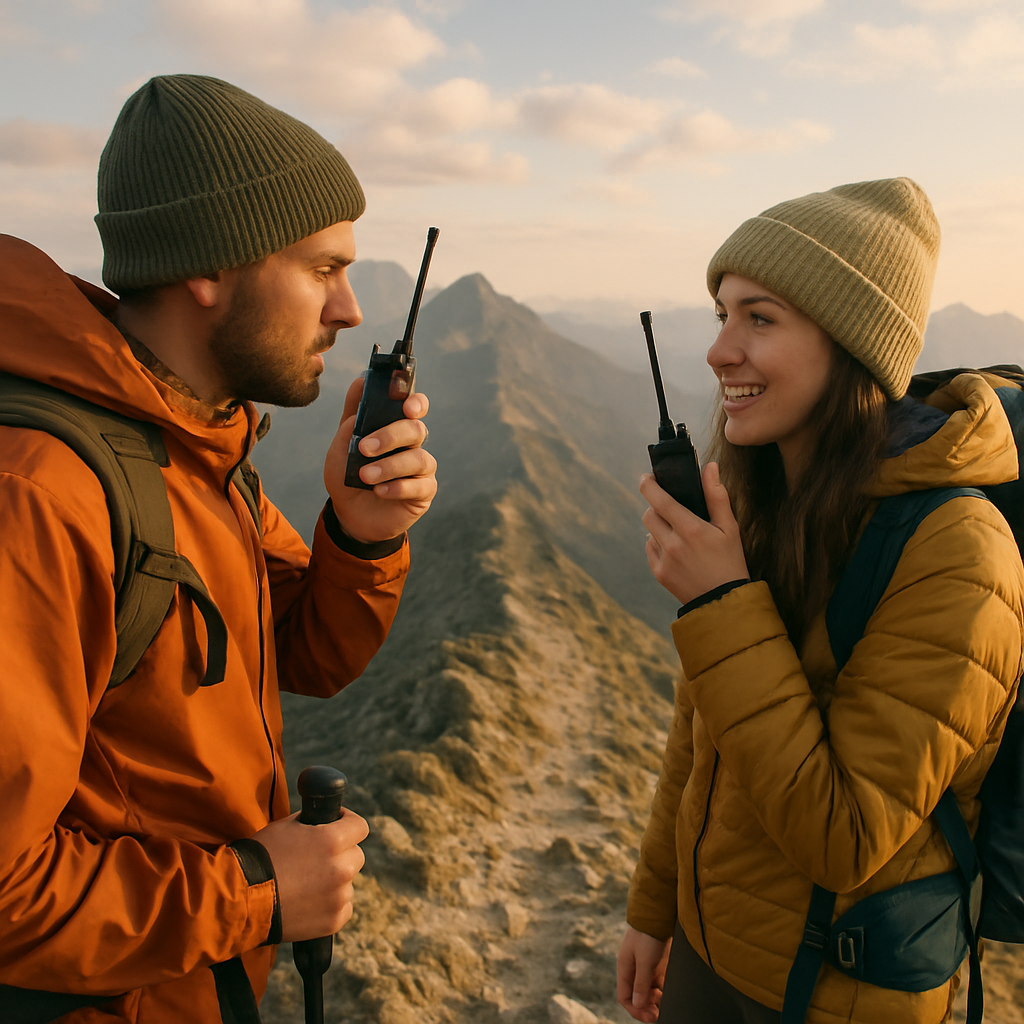
The Showdown: Motorola vs Hytera Walkie Talkie
Both Motorola and Hytera are titans in the communication industry, but they cater to slightly different needs. Understanding their strengths is the first step in figuring out how to choose a reliable two-way radio.
Motorola: A Motorola walkie talkie is often the gold standard for both casual consumers and hardcore professionals. Motorola is renowned for its user-friendly interfaces, rugged durability, and massive ecosystem of accessories. From colorful, lightweight radios designed as communication equipment for family camping trips to ultra-rugged, military-grade devices for first responders, Motorola offers a model for virtually every scenario.
Hytera: Hytera, on the other hand, is a powerhouse in the commercial and industrial sectors. Known for their cutting-edge digital mobile radio (DMR) technology, Hytera devices excel in environments that demand heavy data usage, GPS tracking, and advanced encryption. While they may have a steeper learning curve than Motorola’s consumer models, Hytera radios offer incredible battery life and seamless digital audio processing.
Ultimately, your choice in the Motorola vs Hytera walkie talkie debate comes down to your primary use case: Motorola is generally better for versatile, outdoor, and consumer applications, while Hytera shines in structured, high-tech industrial environments.
Navigating Range and Frequencies
One of the biggest misconceptions in the radio world is transmission distance. The package might boast a 35-mile range, but the real-world range of handheld radios is heavily dictated by terrain, weather, and physical obstacles. In dense forests or urban areas, even the best radios might only reach 1 to 2 miles.
To maximize your range, you need to understand the frequencies your device uses. Here is a quick breakdown of license-free vs FCC licensed radio bands:
- FRS (Family Radio Service): These radios are ready to use right out of the box with no license required. They are perfect for short-range communication.
- GMRS (General Mobile Radio Service): These radios can transmit at higher power levels and can utilize repeaters to extend their range significantly, though they do require an FCC license to operate legally.
Having the FRS vs GMRS frequency bands explained simplifies your buying process. If you need long range two-way radios for hiking across expansive national parks, upgrading to a GMRS radio is highly recommended.
Essential Features for the Great Outdoors
When you are miles away from civilization, your radio needs to be as tough as you are. Here are the critical features to look for when selecting your gear:
Durability and Weatherproofing
Mother Nature is unpredictable. Look for devices featuring an IP67 waterproof rating for outdoor gear. This rating ensures that your radio is completely dust-tight and can survive being submerged in up to 1 meter of water for 30 minutes. Whether you drop it in a puddle or get caught in a torrential downpour, an IP67 radio won’t let you down.
Battery Life and Power
There is nothing worse than a dead battery in the middle of nowhere. Opt for models that offer versatile, rechargeable power options for multi-day trips. Many modern radios feature USB-C charging, allowing you to top them up with a portable solar panel or power bank. Some models even allow you to swap the rechargeable battery pack for standard AA batteries in a pinch.
Hands-Free and Audio Quality
If you are gripping ski poles or climbing gear, you can’t always reach for your radio. This is where VOX hands-free operation for skiing and climbing becomes essential. VOX (Voice Activated Transmit) automatically opens the microphone when you start speaking.
Furthermore, outdoor environments are notoriously noisy. You will want a radio that guarantees audio clarity in high-wind environments, often achieved through advanced digital noise-canceling microphones (a feature where both high-end Motorola and Hytera models excel).
Why Radios Beat Phones in an Emergency
When things go wrong, cell phones often fail. Cell towers can lose power, become overloaded with traffic, or simply not exist in remote areas. This is exactly why comparing handheld radios vs mobile phones for emergencies results in a clear victory for radios.
- Instant Communication: With push-to-talk technology for group coordination, a single button press instantly broadcasts your message to everyone in your party. No dialing, no waiting for the call to connect.
- Weather Alerts: The best radios come equipped with NOAA weather alert and emergency broadcasting capabilities. This feature automatically scans emergency channels to warn you of severe weather patterns, keeping you one step ahead of a storm.
Eliminating Interference for Clear Channels
If you are using radios in a crowded area—like a popular ski resort or a busy hiking trail—you will likely hear other people talking on your channel. To combat this, you need to utilize privacy codes and interference eliminator circuits.
While these codes don’t encrypt your transmission (others can still hear you if they are on the same channel and code), they act as a filter. Your radio will remain silent until it receives a transmission that includes your specific sub-audible code. This ensures that your group only hears messages meant for you, vastly reducing annoyance and confusion.
Final Thoughts
Finding the best walkie talkies doesn’t have to be a headache. Whether you land on a robust Motorola walkie talkie for your weekend adventures or an advanced Hytera model for your job site, prioritizing the right features makes all the difference.
By understanding your frequency needs, investing in weatherproof durability, and utilizing smart features like VOX and weather alerts, you can guarantee clear, reliable communication wherever the trail takes you. Keep your batteries charged, test your gear before you head out, and enjoy the peace of mind that comes with staying connected off the grid.
If you are looking for reliable, long-range, and high-performance walkie talkies, we can provide professional communication solutions tailored to your needs. Whether for construction sites, security teams, hotels, warehouses, or outdoor activities, our devices ensure clear and stable communication in any environment. We support multiple frequency bands, power options, and customized configurations to match different industry applications.
👉 Contact us today to get product catalogs, technical specifications, and the latest pricing. Our team will provide fast response and professional selection support within 24 hours.