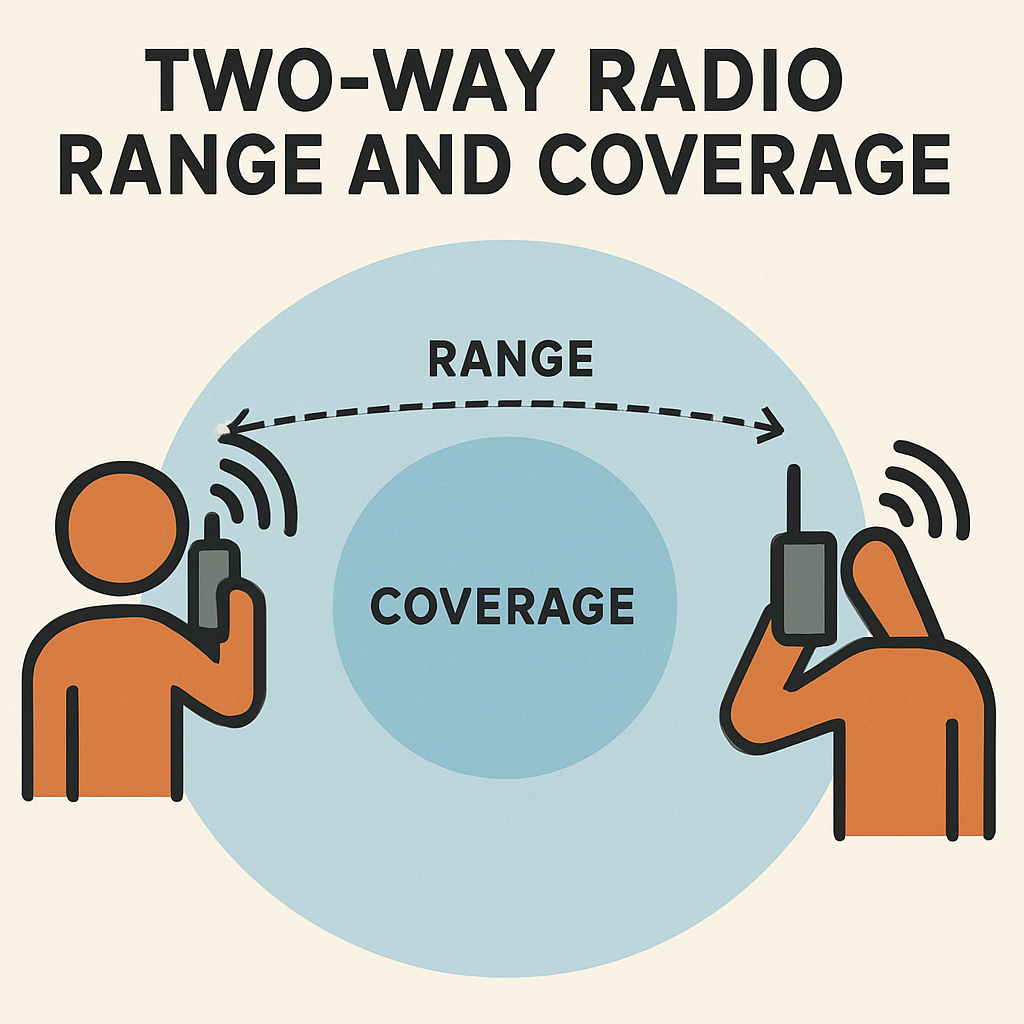
Walkie talkies are essential tools for communication in remote areas. They offer a reliable way to stay connected when cell service is unavailable. But how far can they really work in real conditions?
The advertised range of walkie talkies often reflects ideal conditions. In reality, various factors can affect their performance. Terrain, weather, and obstacles can all play a role in reducing their effective range.
Understanding these factors is crucial for anyone relying on walkie talkies. Whether you’re hiking, camping, or responding to emergencies, knowing the limitations can enhance safety. This guide will explore the real-world range of walkie talkies and how to maximize their effectiveness.
What Determines Walkie Talkie Range?
Walkie talkie range is influenced by several factors, not just the device’s specifications. Manufacturers often list a maximum range achieved under optimal conditions.
Key elements that determine the range include:
- Frequency Band: UHF or VHF
- Power Output: Measured in watts
- Antenna Quality and Size
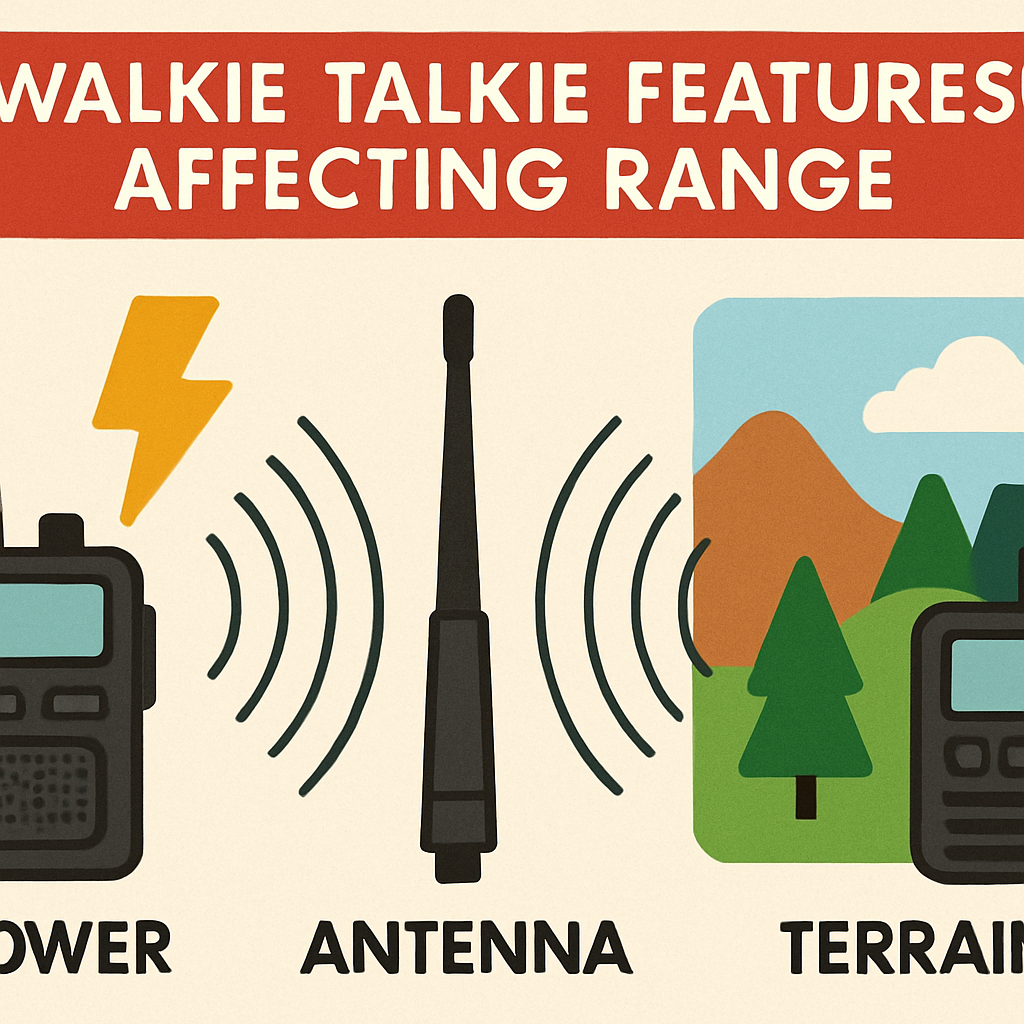
Frequency band plays a significant role. UHF frequencies are better at penetrating buildings, making them suited for urban environments. Conversely, VHF frequencies excel in open areas and longer distances outdoors.
The power output of a walkie talkie is another crucial factor. Walkie talkies with higher wattage tend to offer greater range. More power allows the device to maintain connection over longer distances.
Lastly, antenna design influences performance. A longer or high-quality antenna can enhance both range and clarity. Understanding these aspects helps users choose the right walkie talkie for specific needs.
Real-World Factors That Affect Walkie Talkie Distance
Many real-world conditions influence walkie talkie distance. Often, they can significantly reduce the advertised range.
Urban Environments
In urban settings, buildings, metal structures, and electronic interference challenge signal strength. These factors often limit the distance walkie talkies can cover effectively.
Natural Terrain
Nature presents obstacles too. Mountains and dense forests are notorious for obstructing radio waves, decreasing the effective communication distance considerably.
Weather Conditions
Weather impacts range as well. Rain, fog, and snow can weaken signals, further reducing the reliable communication distance.
Additional Influences
Several additional elements include:
- Battery life and charge status
- Line of sight blockages
- Environmental noise levels
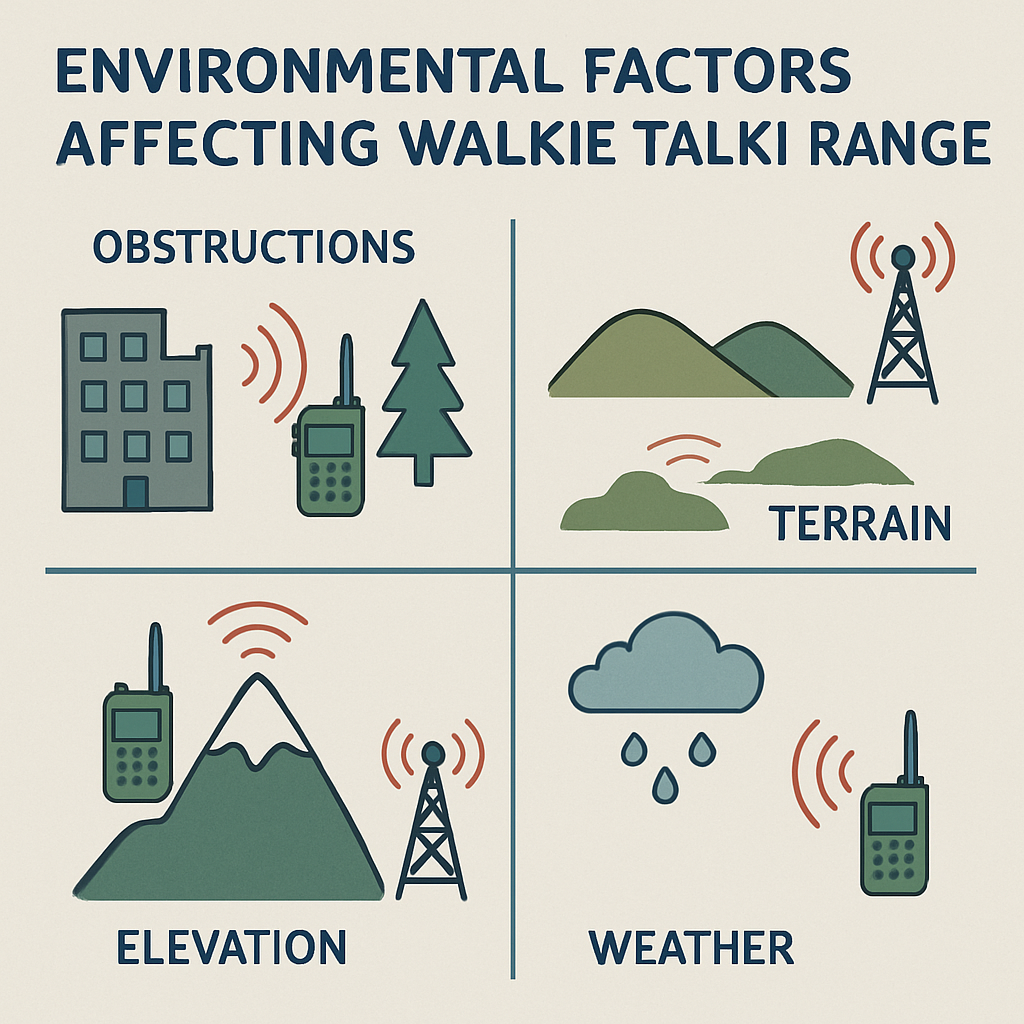
Battery performance affects signal potency. Low battery levels can limit range, emphasizing the need for full charges. Line of sight is crucial; obstacles can diminish the signal’s travel. Moreover, environmental noise can introduce static, impairing clarity and effective range. Understanding these factors is key to using walkie talkies efficiently in diverse scenarios.
UHF vs. VHF: Which Frequency Is Better for Range?
Choosing the right frequency band is vital for maximizing your walkie talkie’s range. UHF (Ultra High Frequency) and VHF (Very High Frequency) are the primary options available, each suited to specific environments.
UHF Advantages
UHF frequencies excel in urban areas. They penetrate buildings and walls better, making them ideal for indoor use or city landscapes with numerous obstacles.
VHF Benefits
Conversely, VHF bands are optimal for outdoor and open areas. They travel farther when unobstructed, making them the preferred choice for rural or remote environments.
Here’s a quick comparison of UHF and VHF:
- UHF: Best for indoor use, stronger in urban areas
- VHF: Better for open spaces, longer range in clear line of sight

by Alexander Grey (https://unsplash.com/@sharonmccutcheon)
Understanding these differences helps users pick the best frequency for specific needs, ensuring effective communication regardless of locati0n.
How Terrain and Obstacles Impact Walkie Talkie Range
The terrain can greatly affect walkie talkie performance. Hills and mountains can block signals and limit distance. These obstacles create physical barriers between users, reducing the effectiveness of your device.
In dense forests, thick vegetation absorbs radio waves. This reduces the walkie talkie range, making it hard to communicate over long distances. Urban environments also present challenges due to buildings and metal structures.
Terrain and Obstacles Overview
Consider the following factors:
- Mountains: Can block signals
- Forests: Dense foliage absorbs signals
- Urban Areas: Buildings cause interference
Knowing how terrain impacts range helps in planning for effective communication, especially when conditions change unexpectedly.
Weather, Power, and Antenna: Other Key Influences
Weather conditions can also interfere with walkie talkie range. Rain, fog, and snow can weaken signal strength. These elements obstruct radio waves, making communication difficult.
The power output of your device significantly impacts its range. Higher wattage usually extends the communication distance. However, high-power devices may consume more battery.
Antenna quality is equally important. A longer, high-quality antenna can improve both range and clarity. The choice of antenna can greatly influence the overall performance of your walkie talkie.
Factors Affecting Walkie Talkie Range
- Weather Conditions: Rain, fog, snow
- Power Output: Influences range
- Antenna Quality: Impacts clarity and reach
Balancing these factors can optimize your communication capabilities, ensuring effectiveness in diverse settings.
Retevis Walkie Talkie Range: What to Expect
Retevis walkie talkies are popular for their reliable performance. Users often praise their consistent range and clear communication. These devices are a favorite among outdoor enthusiasts.
The range of Retevis models typically varies based on terrain and environmental conditions. In open areas, they can achieve impressive distances. However, urban settings with obstacles may limit this range.
Retevis walkie talkies offer various models suited to different needs. They cater to both recreational users and professionals. Consider the terrain and purpose when choosing a suitable model.
Features of Retevis Walkie Talkies
- Reliable Performance
- Variety of Models
- Suitable for Outdoor Use
Tips to Maximize Your Walkie Talkie Range
To get the most out of your walkie talkie, remember a few key tips. These can help enhance range and clarity. Simple adjustments can lead to significant improvements.
Firstly, ensure your walkie talkie has a full charge. A low battery can drastically decrease performance. Keeping the antenna fully extended also improves signal transmission.
Lastly, practice good communication habits. Avoid using the device near large metal objects or indoors where signals can be obstructed. Choose high ground when possible for better connectivity.
Quick Tips to Boost Range
- Keep Batteries Charged
- Extend the Antenna
- Avoid Signal Interference

by Tetiana Padurets (https://unsplash.com/@tetianapadurets)
Testing and Understanding Your Walkie Talkie’s Real Range
Determining your walkie talkie’s real range requires field tests. Testing it in various environments ensures you understand its capabilities.
Start by testing in open areas without obstructions. Then, move to more challenging terrains like forests or cities. Adjust your expectations based on these tests.
Steps for Effective Testing
- Test in Open Spaces
- Experiment in Varied Terrains
- Note Differences in Range
Conclusion: Choosing the Right Walkie Talkie for Your Needs
Selecting the perfect walkie talkie involves understanding your specific needs. Consider where and how you’ll use it. Different situations demand varying features and ranges.
By being aware of environmental factors and personal requirements, you can make an informed choice. Opt for a device that aligns with your activities for optimal performance. Remember, the right walkie talkie enhances communication reliability.