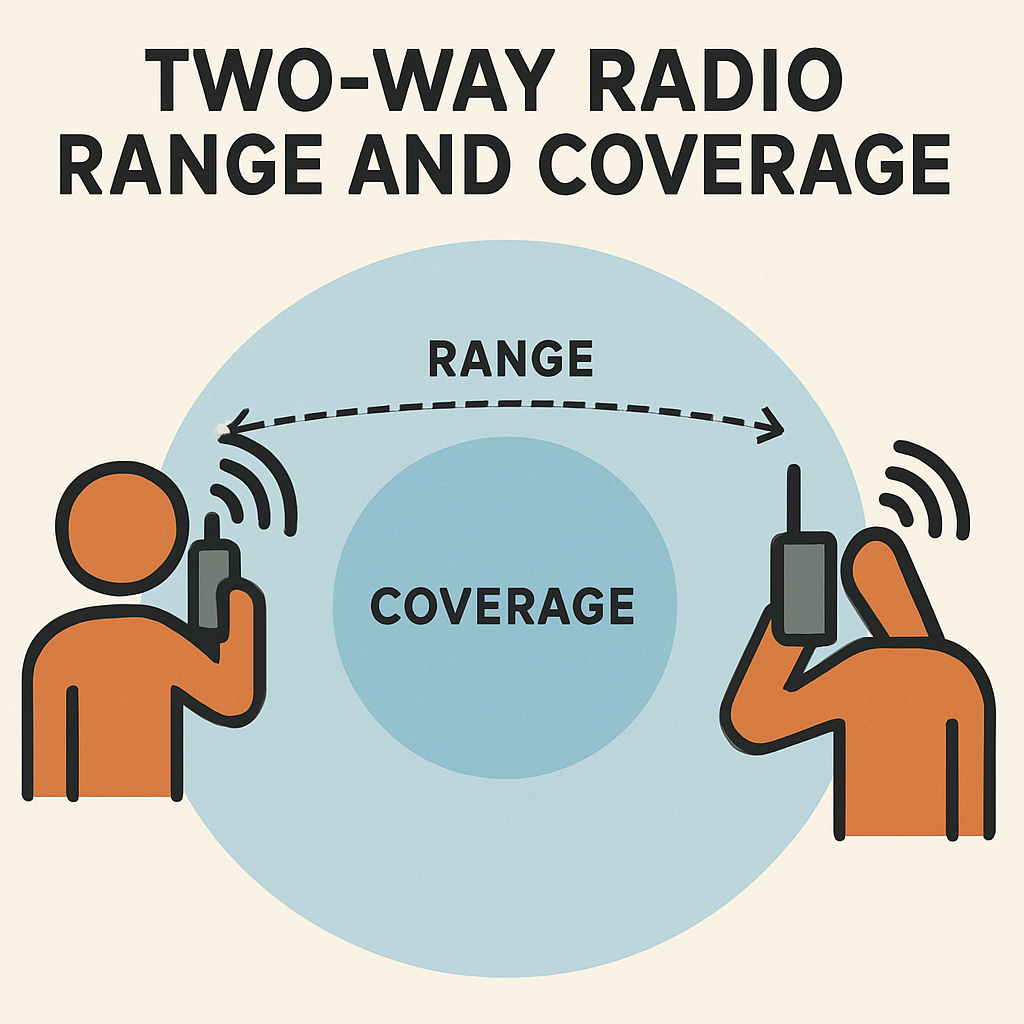
When a firefighter enters a smoke-filled high-rise, their life depends on a signal that can punch through concrete and steel. This is where 700 800 MHz radios become the unsung heroes of emergency response, operating far differently than the walkie-talkies sold in retail stores.
Think of the airwaves as a crowded highway. While consumer gadgets sit in traffic, these frequencies serve as an exclusive express lane reserved for mission critical voice communications. By using this specific “real estate,” police and EMS signals can effectively penetrate basement walls and dense urban environments where other devices struggle.
Reliability drives this technology. Industry experience shows that while cellular networks often fail during disasters due to overload, this dedicated infrastructure maintains a standard of nearly 100% uptime. This ensures public safety communication holds steady when communities need it most.
How 700/800 MHz Waves ‘Punch’ Through Concrete Walls
Have you ever wondered why a police officer can communicate clearly from a concrete basement while standard consumer signals fail? It comes down to the specific “invisible lane” their devices use. First responders rely on the 700 and 800 megahertz radio bands because these frequencies excel at maintaining a connection where others drop out.
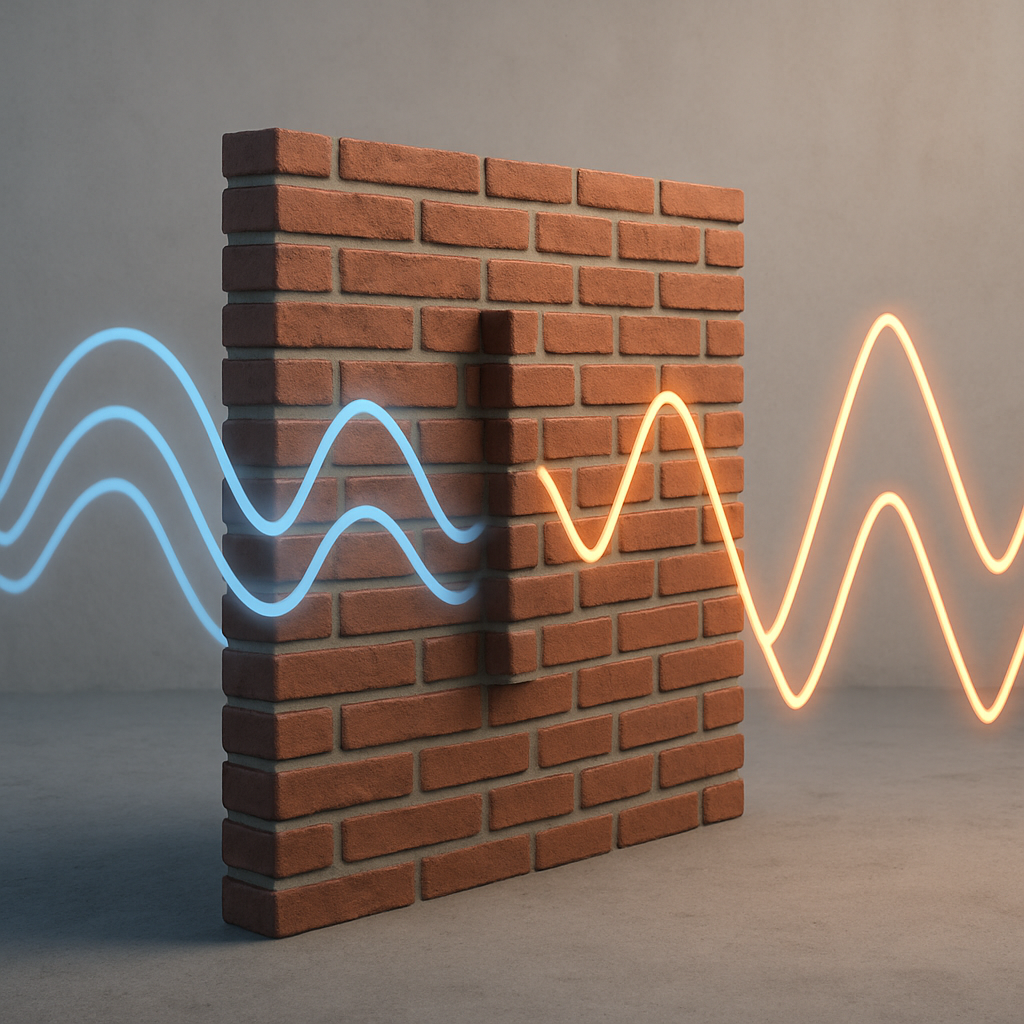
Consider a neighbor’s loud music. You easily hear the heavy thump of the bass drum through the wall, but the high-pitched vocals get blocked. Radio waves work similarly; lower frequencies act like the bass, pushing through walls that bounce higher signals away. This physics principle is vital for improving signal penetration in urban environments full of steel and glass.
Finding the right balance is tricky because very low frequencies require massive, impractical antennas. The 700 MHz radio band sits in a “Goldilocks” zone: high enough for compact handhelds, but low enough to pass through structures. This ensures a firefighter deep inside a shopping mall can still transmit a clear signal to the street.
Once that signal exits the building, it must find an open path to the dispatcher. Instead of waiting for a single channel to clear, modern systems use a clever sorting method similar to a bank teller line.
The ‘Bank Teller’ Secret: Why Trunked Radio Systems Never Get Busy
Imagine a major emergency where hundreds of police officers and firefighters need to talk simultaneously. On older, “conventional” radio setups, a fire channel could sit completely empty while police channels were jammed with waiting calls. Modern public safety networks solve this dangerous inefficiency by using trunked radio systems for dispatch, which dynamically manage airwaves to ensure messages always get through.
Trunking operates exactly like the queue at a busy bank. Instead of forcing you to choose a specific teller line that might move slowly, the system puts everyone in a single line and automatically directs the next person to the next available window. This computer-controlled efficiency allows 500 users to share just 20 frequencies without constantly getting a busy signal.
Here is how the experience changes for the user:
- Conventional: You pick Channel 1. If someone is talking, you must wait until they finish.
- Trunked: You press the talk button. The computer instantly assigns you a temporary frequency from a shared pool.
- Result: Resources are never wasted, and urgent calls always find an open path.
Reliability improves further when agencies adopt P25 digital trunking standards. This technology converts voice into data to filter out background noise, while simulcast system coverage ensures multiple towers broadcast that clear signal simultaneously to eliminate dead zones. Yet, even the clearest signal is useless if neighboring towns cannot connect, leading to the critical need for a shared language.
Breaking the Language Barrier: Public Safety Interoperability
A massive wildfire crossing county lines creates a critical danger if the fire department cannot warn arriving police units because their radios speak different languages. This dangerous disconnect was a tragic reality during historical disasters like 9/11, driving a national mandate for public safety communication interoperability. Simply put, interoperability acts like a universal translator, allowing diverse agencies—from federal agents to local EMS—to connect instantly on a shared network during a crisis, regardless of which city or department they belong to.
Solving this puzzle requires hardware that is as flexible as the first responders themselves. Modern multiband subscriber units for emergency management function much like a world-traveling smartphone that automatically adjusts to local networks. These advanced handhelds can seamlessly switch between different frequency neighborhoods, ensuring that a state trooper’s call for help is heard clearly by a city police officer, even if their home systems operate on completely different parts of the spectrum.
While connecting these groups is vital, keeping their tactical plans away from criminals is equally important. Agencies now utilize complex first responder wireless network encryption protocols to scramble voice data, ensuring that sensitive information sounds like digital static to anyone trying to listen in with a standard scanner. With the network infrastructure now secure and unified, the final link in the safety chain depends on the quality and configuration of the specific hardware in an officer’s hand.
Choosing and Optimizing Your Device: From Motorola Portables to High-Gain Antennas
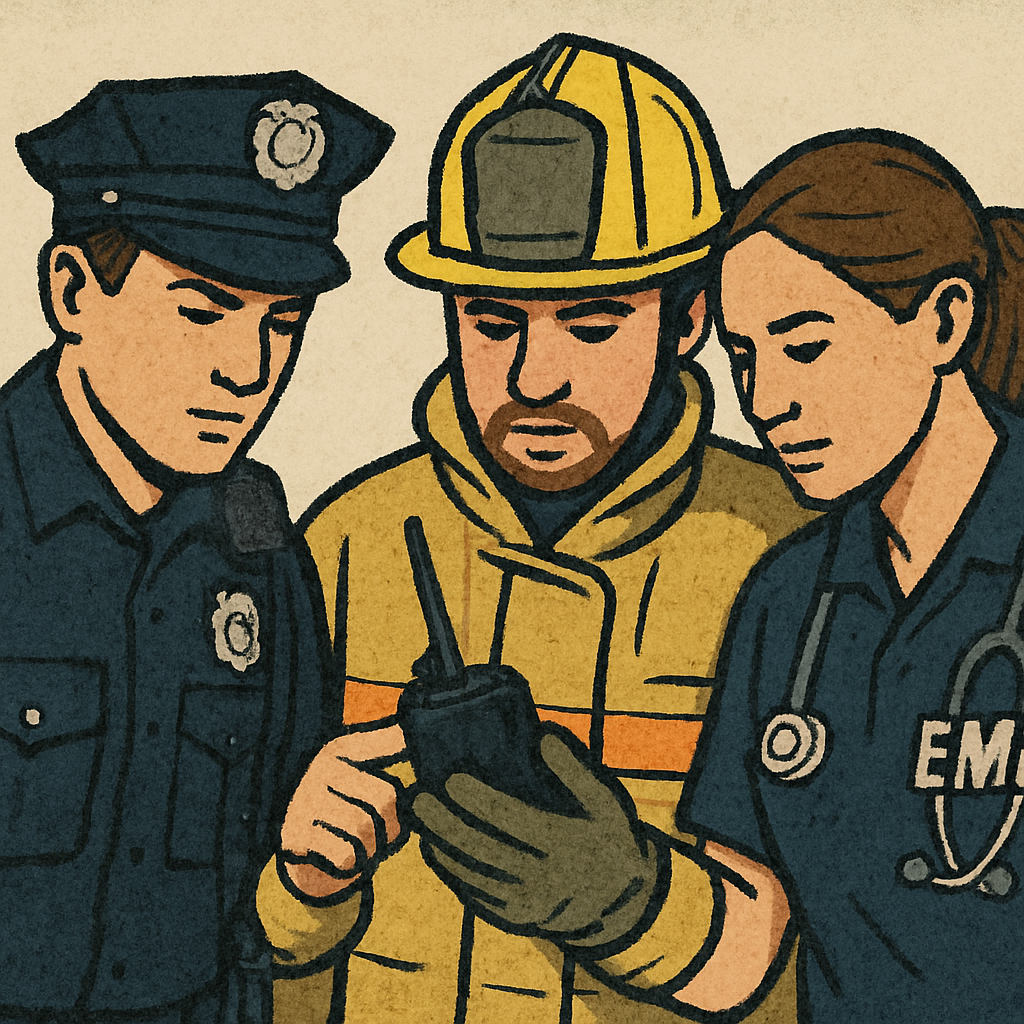
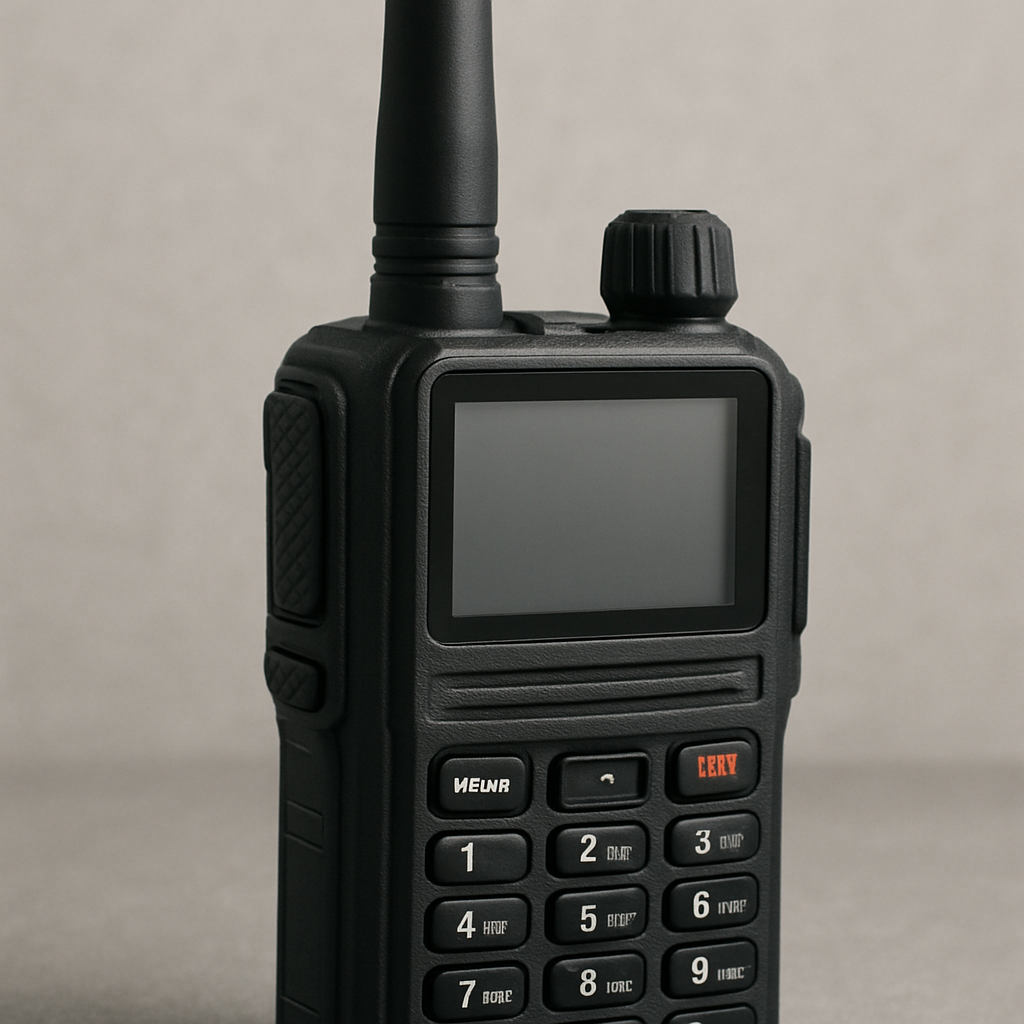
Having a unified network is useless if the device in your hand breaks during a crisis. Public safety agencies often rely on the industry-standard motorola 800 mhz radio because these devices are built to survive drops, water, and extreme heat that would destroy a consumer smartphone, acting as a reliable lifeline when conditions are at their worst.
Because emergencies rarely stop at city limits, modern radios must act as versatile travelers. Programming dual band land mobile radios correctly allows a single device to operate on both the established 800 MHz systems and the newer 700 MHz networks, ensuring responders stay connected whether they are patrolling downtown or assisting a neighboring county.
Even the most advanced radio is limited by its “ears”—the antenna. Swapping a factory-standard stubby antenna for one of the best antennas for public safety frequencies acts like putting on high-prescription glasses; it captures weak signals from distant towers that would otherwise be lost, effectively extending coverage in difficult areas like basements.
To keep these critical tools ready for action, users should follow a daily routine focused on portable transceiver battery life optimization:
The Future of the ‘Clear Signal’: Why This Tech Isn’t Going Anywhere
A first responder’s radio is not a simple gadget, but a lifeline engineered to work when cell towers fail. While consumer phones often struggle during storms or crowded events, these dedicated 700 and 800 MHz networks stand firm to keep communities connected.
Reliability requires strict traffic control. Through frequency coordination for local government agencies, officials ensure signals never clash. Likewise, adhering to FCC rebanding requirements for emergency services keeps these invisible highways clear of dangerous interference, guaranteeing that a firefighter’s call for help punches through the static every time.
Whether you are an official upgrading a system or a hobbyist exploring an 800mhz dmr radio, the distinction is clear. Consumer technology offers convenience, but these systems provide survival. They remain the silent guardians ensuring help is always one button push away.