Imagine you are winding through a remote canyon when your phone’s signal bars suddenly disappear. Just around the bend, a fallen tree blocks the lane, but you have no way to warn the convoy behind you. This is the “Dead Zone,” a common reality for travelers that renders modern smartphones useless. In these moments, the best CB radio for truck drivers isn’t just a nostalgic accessory; it is a critical lifeline for safety.
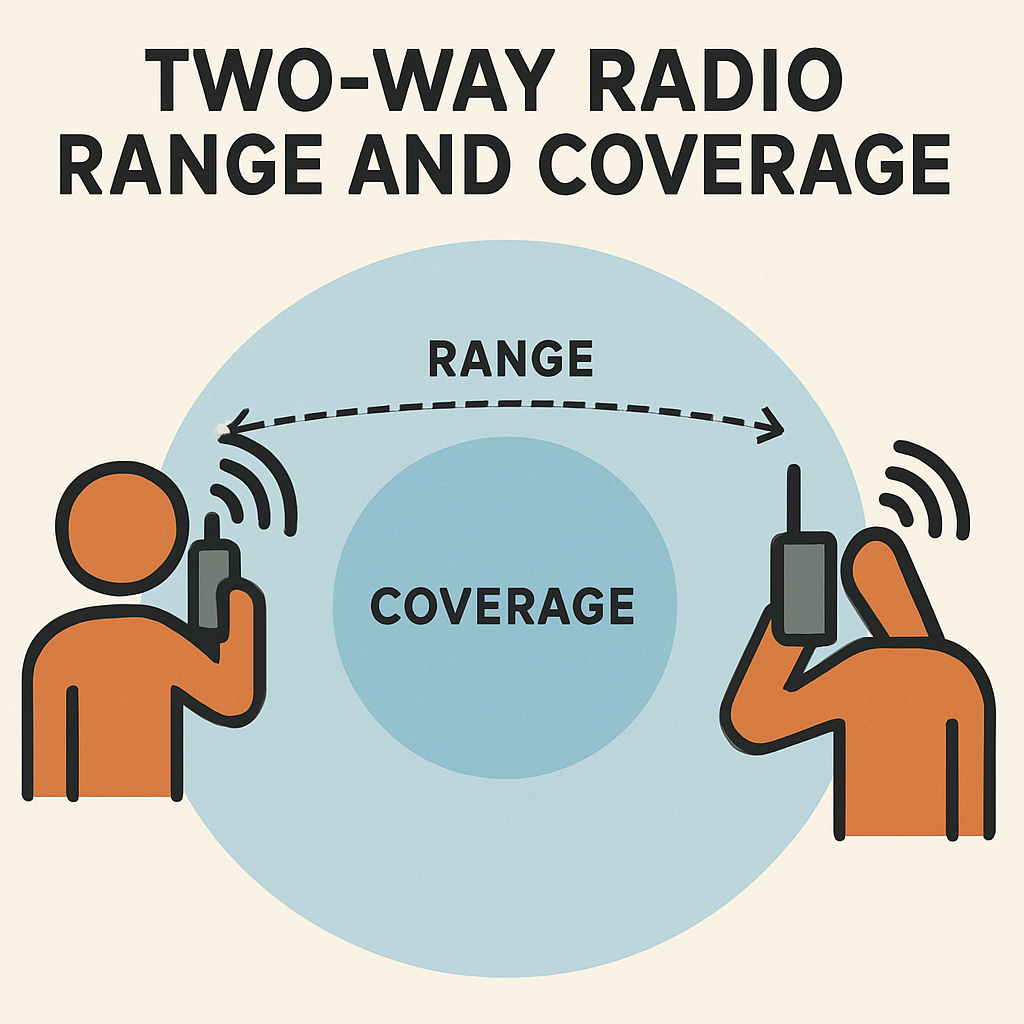
Unlike navigation apps that rely on distant servers, Citizens Band (CB) radio offers instant, peer-to-peer connection with the vehicles right next to you. Practical experience shows that even with modern cell expansion, vast stretches of rural highways remain uncovered, making this technology vital for real-time traffic updates. Whether you need top rated long range cb radios or a simple backup, the ability to communicate without a subscription remains unmatched.
A key legal standard governs performance: the FCC restricts all consumer radios to a 4-watt power limit. This means performance often depends more on your antenna setup than the radio box itself. Understanding these basics ensures reliable emergency communication when you need it most.
Handheld vs. Fixed Mount: Which Style Fits Your Dashboard?
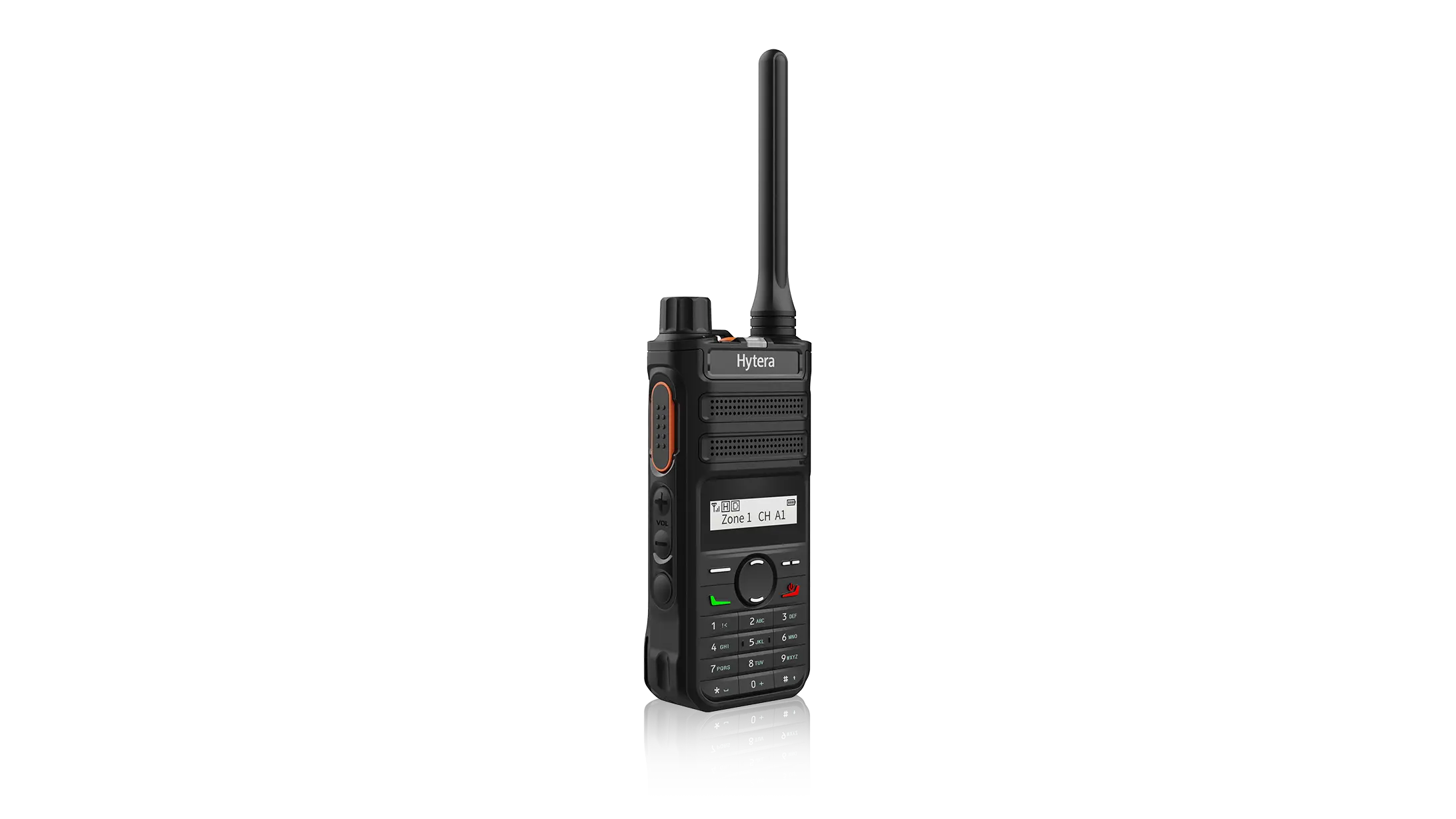
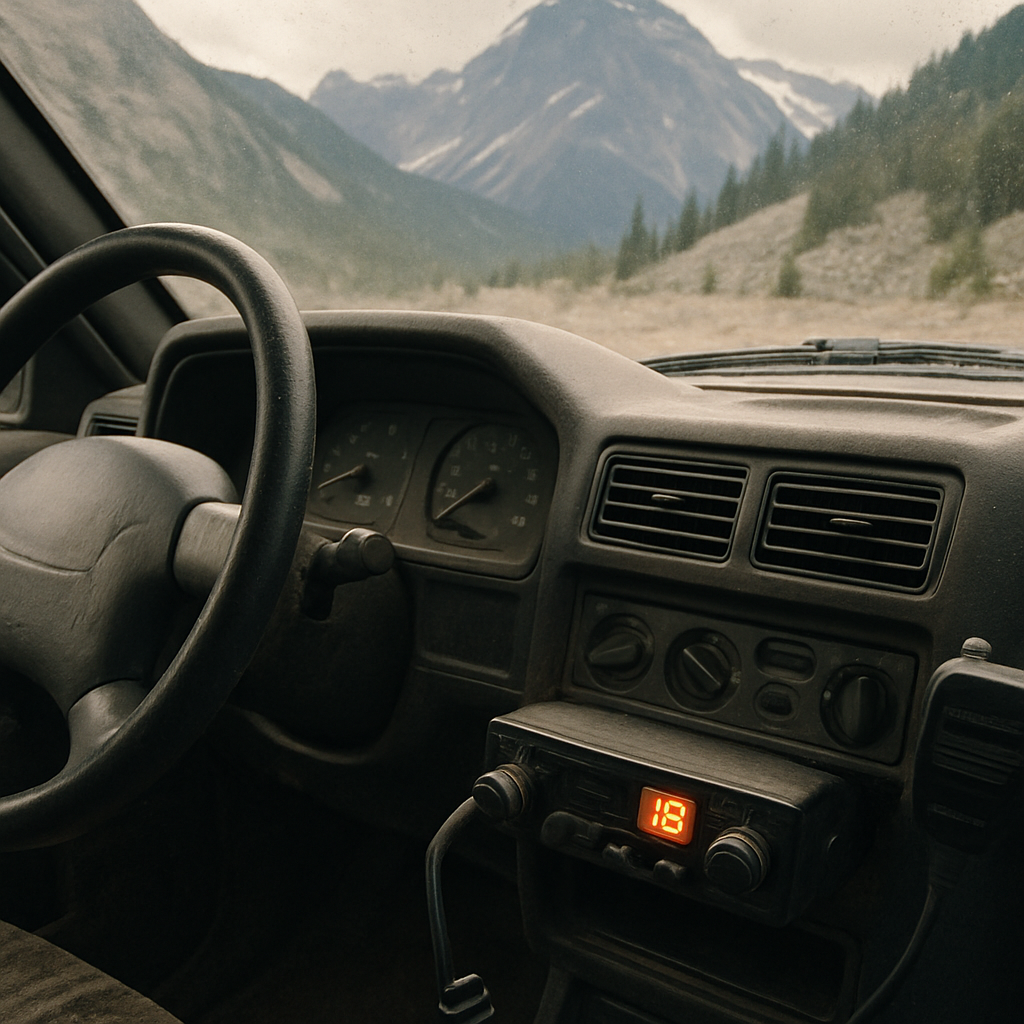
Modern truck interiors are packed with touchscreens and storage consoles, leaving precious little room for aftermarket gear. When comparing handheld vs mobile CB radios, the decision often comes down to available dashboard real estate rather than just raw performance features. If you need a device that can hop with you from a daily driver to a trail rig, a portable unit offers unmatched flexibility, but a fixed unit guarantees you are always powered up and ready to transmit the moment you turn the key.
Convenience usually demands a compromise in signal strength. Handheld units run on batteries and typically use short rubber antennas, which struggle to push a signal out from inside a metal vehicle cabin. While they work perfectly for spotting a friend over an obstacle just outside the truck, you will need to connect them to a magnetic roof-mounted antenna to achieve the highway range necessary for serious travel.
Permanent installations offer superior stability and louder audio, provided you have a place to put them. Many of the best CB radio brands manufacture “DIN-sized” units designed to slide directly into a standard stereo slot for a factory-clean look. For tighter spaces like Jeeps or mid-size pickups where dashboard space is non-existent, compact mobile CB radio models allow you to hide the main box under a seat while putting all the controls and display on the microphone handset itself.
Ultimately, the right choice is the one that physically fits your setup; a powerful radio is useless if it is too cumbersome to mount or hold safely while driving. Once you have selected the hardware that fits your cab, the next challenge is learning to tune out the static to hear your friends clearly.
Decoding the Controls: How RF Gain and Squelch Clean Up Your Audio
Nothing ruins a road trip faster than the constant hiss of white noise blasting from your speaker. To keep your cabin peaceful, you need to master the Squelch control, which acts like a gatekeeper for your audio. It blocks out weak background static and only opens the “gate” when a strong, clear signal comes through.
Getting this setting right takes just a few seconds before you hit the road:
- Turn the Squelch knob all the way down until you hear steady static.
- Slowly turn it up just until the noise stops and the radio goes silent.
- Leave it there; now the radio will stay quiet until someone actually talks.
While Squelch handles the silence, the RF Gain controls how far your radio listens. Think of it as a sensitivity dial. If you are in a crowded city with too much chatter, turning the RF Gain down filters out distant signals so you can focus on the truck right next to you. Conversely, out on the open highway, cranking it up ensures you catch faint warnings from miles away, proving the critical importance of RF Gain and Squelch control for managing different driving environments.
Clear communication isn’t just about what you hear; it is also about how you sound to others. If you drive a diesel or run aggressive mud tires, a noise canceling microphone for loud trucks is essential to cut out background engine rumble. Additionally, look for modern units featuring built-in NOAA weather alert channels that interrupt the conversation to warn you of incoming storms. Even the best radio settings won’t help, however, if the power gets trapped inside the box.
The Secret ‘Handshake’: Why Your Antenna is More Important Than the Radio
Most first-time buyers make the same expensive mistake: dropping cash on a high-end radio while skimping on the antenna. The antenna does the heavy lifting, acting as the “handshake” between your electronics and the airwaves. If that grip isn’t firm, the power you send out bounces right back into the unit—a measurement known as SWR (Standing Wave Ratio). Troubleshooting antenna SWR readings helps you ensure that power actually leaves your truck rather than cooking your internal circuits.
Think of the relationship between power and range like a garden hose. If you kink the hose (high SWR), the water pressure builds up at the faucet but barely trickles out the nozzle. By tuning your antenna length to get a low SWR reading, you unkink that hose, allowing full power to flow. This is the single most effective method for increasing CB radio transmission range, often doubling the distance of even the cheapest radios.
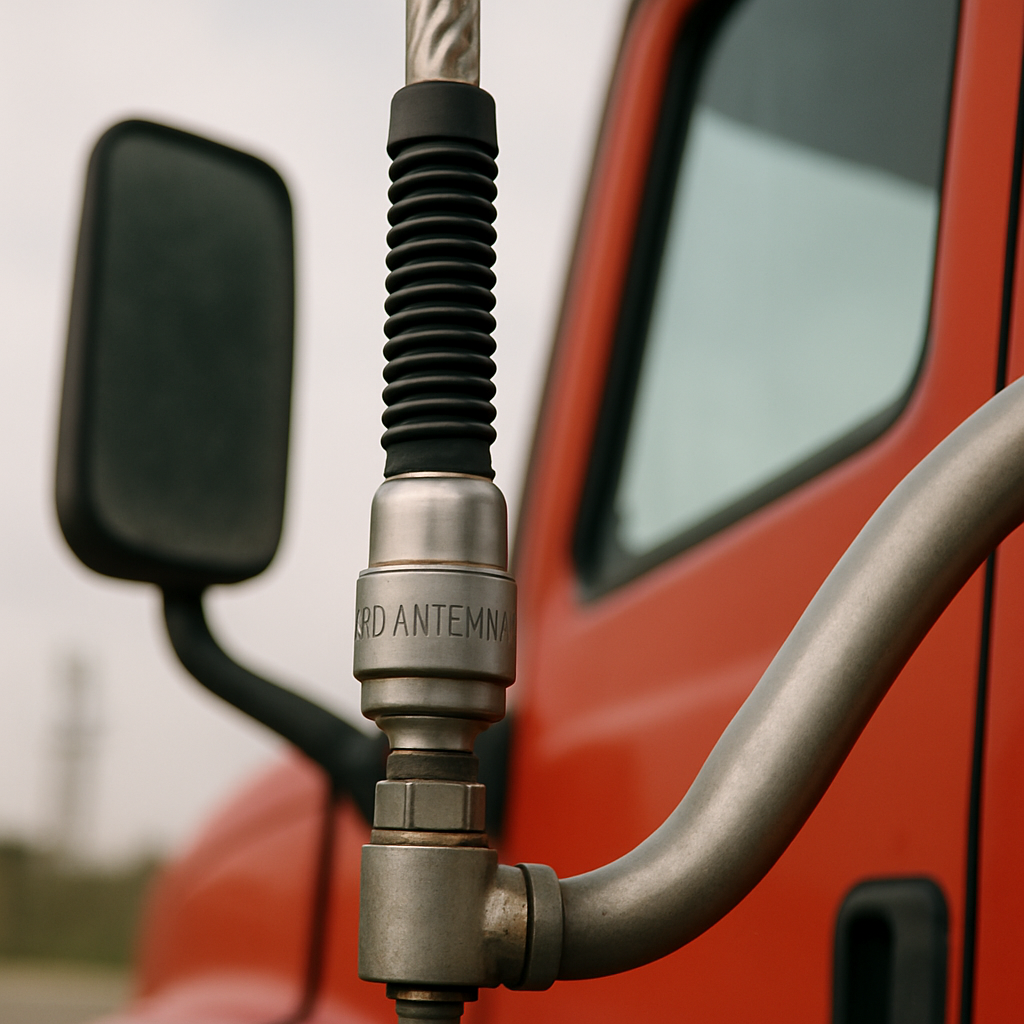
Your choice of hardware also dictates how much effort installation will require. You generally have two paths, depending on whether you want a temporary setup for road trips or a rugged rig for the trails:
- Magnetic Mounts: Perfect for beginners; sticks to the roof instantly with no drilling required, but can get knocked loose by low branches.
- Permanent/Hard Mounts: Bolts to hoods or bumpers for maximum durability and grounding, though it requires routing cables through the firewall.
Choosing between magnetic mount vs permanent antenna installation ultimately comes down to how committed you are to modifying your vehicle. A drilled mount offers a superior ground plane—using the truck’s metal body to reflect signals—but a magnet mount gets you on the air in five minutes.
Top 3 CB Radios for 2026: The Honest Shortlist for Every Driver
Staring at a wall of radio specs can feel like trying to read a map in a blizzard. Since you’ve already tackled the critical antenna setup, the radio unit itself becomes the command center that defines your experience. While there are hundreds of options on the market, most drivers really only need to choose between three specific categories based on how much space they have and how far they need to talk.
For drivers prioritizing pure durability, the Cobra 29 LTD Classic remains the undisputed king of the road. It operates on standard AM (Amplitude Modulation), which is the default mode used by 90% of truckers for local chatter. A direct Cobra vs Uniden CB radio comparison often highlights that while the Cobra lacks digital bells and whistles, it wins on survival; its heavy-duty chrome switches and analog dials are built to withstand years of dashboard vibration without failing.
If your adventures take you far off the grid, however, standard AM might not cut it. This is where high power single sideband CB radios like the Uniden Bearcat 980SSB shine. Single Sideband (SSB) focuses all the radio’s legal power limit into a narrower signal, effectively tripling your potential range compared to standard AM. Think of AM as a floodlight lighting up a wide area, while SSB is a laser pointer reaching much farther in a specific direction.
Space is a luxury in modern SUVs and Jeeps, where finding room for a full-sized chrome box is often impossible. Compact units like the President Bill II offer a solution by shrinking the technology into a chassis the size of a deck of cards. These best rated CB radios prove you don’t need a massive footprint to stay connected, though you may trade some speaker volume for that convenience.
| Model Name | Best Use Case | Key Feature | | :— | :— | :— | | Cobra 29 LTD | Daily Highway Driving | Legendary durability and vibration resistance | | Uniden 980SSB | Long-Range / Off-Road | SSB mode for 3x transmission distance | | President Bill II | Small Cabs (Jeeps/SUVs) | Ultra-compact size fits anywhere |
Installation 101: Preventing Engine Noise and Getting the Best Signal
Nothing ruins a conversation faster than a high-pitched whine that rises and falls with your RPMs. This annoyance typically happens when you plug your radio into a standard 12V cigarette lighter outlet, which picks up electrical interference from the vehicle’s alternator. To avoid the headache of fixing CB radio engine noise interference later, most experts recommend routing the power cables directly to your vehicle’s battery terminals. This direct connection bypasses the “dirty” electrical noise circulating in the dashboard wiring, delivering the clean, steady power necessary for crisp audio reception.
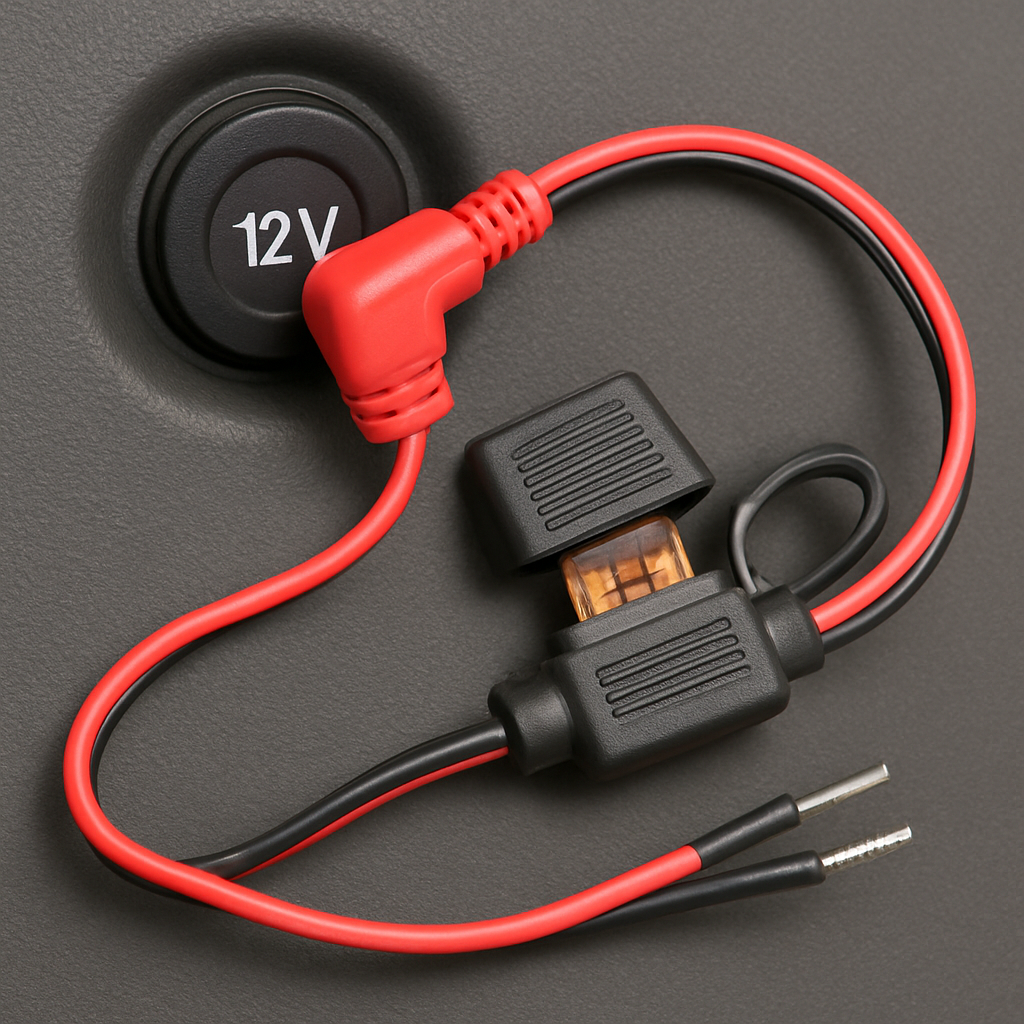
While running those wires, never skip the in-line fuse on the red power cable. This small component acts as a safety net; if a short circuit occurs, the fuse sacrifices itself to save your expensive equipment and prevent wiring fires. A solid beginners guide to CB radio installation also prioritizes mounting the unit where you can reach the dials without looking away from the road. Whether you mount it overhead or on the dash, the goal is to keep the microphone within easy arm’s reach to avoid distracted driving.
Once powered up, resist the urge to modify internal settings to “boost” your signal beyond factory specs. FCC regulations for CB radio operators strictly limit output to 4 watts to prevent your signal from bleeding over into emergency channels or disrupting other electronics. Stick to these standard power limits and rely on a well-tuned antenna for range; you will get far better performance legally than you would by overdriving the radio and distorting your voice.
Your Road-Ready CB Checklist: Final Steps to Clear Comms
You aren’t just buying electronics; you are securing a lifeline for when cell towers fade away. With the best CB radio for truckers installed, you have a reliable co-pilot for the long haul. Turn that research into real-world connection with this simple launch plan:
- Mount your antenna high for maximum clearance.
- Calibrate the SWR to protect your gear.
- Tune to Channel 19 (the highway standard).
- Ask for a polite “Radio Check” to confirm clarity.
- Verify reception on a weather channel.
Eventually, you may look into increasing transmission range, but for now, consistent communication is the goal. Even the top CB radios rely on a respectful community, so keep Channel 9 clear for emergencies. You are now part of a network watching out for one another—grab the mic and drive safe.