#buy dmr radio contact us
Digital Mobile Radio (DMR) repeaters are a crucial component in modern communication networks. They play a vital role in extending the range and enhancing the quality of radio communications. Whether you’re a hobbyist or a professional, understanding DMR repeaters can significantly impact your communication experience. This guide will delve into the essentials of DMR repeaters, their functionality, and how to locate one near you.
A DMR repeater is a device that receives a digital radio signal and retransmits it at a higher power, allowing the signal to cover a greater distance. These repeaters are widely used in various industries, including public safety, transportation, and amateur radio. By converting analog signals into digital, DMR repeaters enhance voice clarity and reduce noise interference, making them a popular choice for reliable communication.
DMR repeaters work by utilizing radio waves to receive and transmit signals, effectively boosting communication across distances. The repeater receives incoming signals, which are then amplified and sent out at a higher power, ensuring the message reaches further than it would with a standard radio.
In public safety, DMR repeaters provide crucial communication links for emergency services, ensuring seamless coordination during critical situations. In transportation, they facilitate communication between vehicles and control centers, enhancing operational efficiency. Amateur radio enthusiasts use DMR repeaters to expand their reach, connecting with fellow radio operators worldwide.
DMR technology converts voice signals into digital data, vastly improving clarity by reducing background noise and static. This digital transformation not only enhances voice quality but also ensures more efficient use of the radio spectrum, allowing multiple communications on a single frequency channel.
DMR repeaters operate by receiving a digital signal from a radio, processing it, and then transmitting it again at a higher power. This process effectively extends the communication range between radios, ensuring that users can communicate over larger areas without loss of signal quality. The ability to handle multiple conversations simultaneously over the same frequency is one of the significant advantages of DMR technology, thanks to its Time Division Multiple Access (TDMA) protocol.
Upon receiving a signal, the DMR repeater processes it to improve clarity and strength before retransmitting. The repeater’s internal systems clean up the signal, removing any interference or noise, which results in a clearer, more reliable communication output.
TDMA is a technique that divides a single frequency channel into multiple time slots, allowing for multiple conversations at once. This efficient use of frequency space is a hallmark of DMR repeaters, enabling multiple users to share a channel without interfering with each other’s communications.
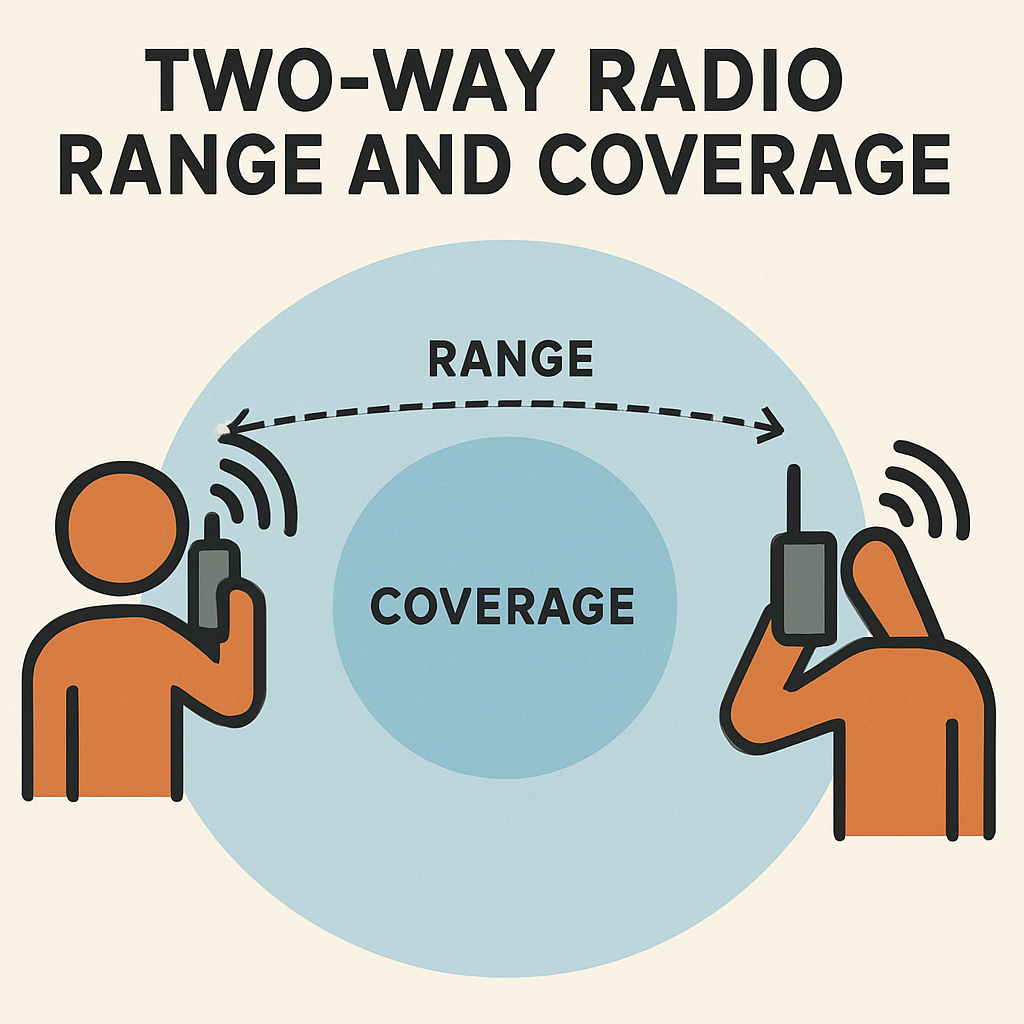
By boosting the power of a transmitted signal, DMR repeaters enable communication over distances that would typically be out of reach for a standard radio. This extended range is particularly beneficial in rural or remote areas where infrastructure may be limited.
Understanding the distinction between DMR and analog repeaters is crucial for selecting the right system for your needs.
DMR repeaters convert voice signals into digital data, which significantly improves clarity by eliminating background noise and static commonly found in analog transmissions. Furthermore, DMR technology is more spectrum-efficient, allowing for more simultaneous communications on the same frequency channel, which is not possible with analog repeaters.
The digital conversion process used by DMR repeaters effectively removes unwanted noise and static, resulting in clear and concise communication. This clarity is essential in industries where precise information exchange is critical.
DMR systems make better use of available frequencies, accommodating more users on a single channel compared to analog systems. This increased capacity is ideal for busy communication environments where multiple conversations need to occur simultaneously.
The integrity of digital signals remains consistent over longer distances, unlike analog signals, which can degrade. This consistency ensures that communication remains reliable even as the signal travels further from the source.
While DMR systems offer numerous advantages, they may come with higher initial costs compared to analog systems. Additionally, not all existing analog equipment is compatible with DMR repeaters, which might necessitate further investment in compatible devices.
The upfront cost of implementing a DMR system can be higher due to the need for compatible radios and infrastructure. However, the long-term benefits of improved communication quality and capacity often justify the initial expense.
Transitioning from an analog to a DMR system may require replacing or upgrading existing equipment to ensure compatibility. This transition can be an opportunity to enhance overall communication capabilities with the latest technology.
Despite higher initial costs, DMR systems can offer long-term savings through reduced maintenance needs and improved operational efficiency. The enhanced communication capabilities can lead to greater productivity and fewer misunderstandings.
Locating a DMR repeater nearby is essential for ensuring optimal communication coverage.
A DMR repeater map is a valuable tool for finding repeaters in your area. These maps provide a visual representation of repeater locations, frequencies, and other relevant details. Websites and mobile apps dedicated to amateur radio often feature interactive maps that allow users to search for repeaters based on locati0n or frequency.
There are numerous online platforms that offer detailed maps and databases of DMR repeaters. These resources are regularly updated to provide the most accurate information regarding repeater locations and their operational status.
Interactive maps allow users to zoom in on specific regions, making it easy to identify nearby repeaters and their coverage areas. Users can also filter search results based on specific criteria, such as frequency or operating modes.
Several mobile apps provide easy access to DMR repeater information, allowing users to locate nearby repeaters while on the go. These apps can be invaluable for travelers or those frequently operating in different regions.
Connecting with local radio clubs or online forums can also be an excellent way to find DMR repeaters in your vicinity. These communities often have updated information on repeater locations, frequencies, and operating modes, and they can provide valuable advice on setting up your equipment.
Joining local radio clubs allows enthusiasts to share knowledge and resources about DMR repeaters. These groups often organize events and workshops to educate members about the latest developments in radio technology.
Online forums provide a platform for radio operators to discuss challenges, share experiences, and seek advice from more experienced users. These communities are an invaluable resource for troubleshooting and learning about new advancements in DMR technology.
Both local clubs and online communities encourage the exchange of information and resources, helping members optimize their use of DMR repeaters. Collaborative efforts can lead to better understanding and more efficient use of available technology.
Setting up a DMR repeater involves several steps, including selecting the right equipment and configuring it correctly.
When selecting a DMR repeater, consider factors such as coverage area, power output, and compatibility with existing equipment. It’s essential to choose a repeater that meets your specific communication needs and can handle the expected volume of traffic.
Evaluate the geographic area that requires coverage to determine the power output and range needed from the repeater. This assessment ensures that the chosen equipment will adequately meet communication demands.
Consider the power requirements necessary to cover the intended area without causing interference. Selecting the right frequency band is also crucial for compatibility with existing systems and to avoid conflicts with other users.
Check compatibility with existing communication devices and infrastructure to prevent integration issues. It’s important to select equipment that works seamlessly with current systems to maximize efficiency and minimize disruptions.
Proper installation and configuration are key to ensuring your DMR repeater operates efficiently. This process includes aligning antennas, setting correct frequencies, and configuring network settings. Consulting with an experienced technician or referring to the manufacturer’s guidelines can help ensure a smooth setup.
Correctly positioning the repeater’s antenna is critical for maximizing signal reach and clarity. Antenna alignment should be carefully planned to cover the intended area and minimize dead zones.
Setting the correct frequencies and configuring network settings are vital steps in the repeater setup process. Proper configuration ensures optimal performance and prevents interference with other systems.
Enlisting the help of a professional technician or consulting manufacturer guidelines can help overcome technical challenges during setup. Expert advice can ensure that the system is installed and configured correctly from the start.
DMR repeaters offer numerous benefits that enhance communication in various settings.
By amplifying the radio signal, DMR repeaters extend the communication range, allowing users to stay connected over long distances. This is particularly beneficial in areas with challenging terrain or when operating across large geographic regions.
In regions with difficult terrain, such as mountains or valleys, DMR repeaters ensure communication lines remain open. This capability is crucial for maintaining connectivity in areas where natural features might otherwise impede radio signals.
For organizations that operate over large geographic areas, DMR repeaters provide the necessary coverage to ensure seamless communication. This extended reach supports efficient operations and coordination across dispersed locations.
In remote areas lacking traditional communication infrastructure, DMR repeaters offer a reliable alternative. They enable communication in places that would otherwise be isolated, supporting safety and operational efficiency.
The digital nature of DMR repeaters means clearer voice communications with reduced interference from background noise. This leads to more reliable and effective communication, which is crucial in critical situations.
DMR repeaters maintain signal clarity even over long distances, ensuring that messages are clearly understood. This consistency is vital for effective communication, especially in emergency or high-stakes situations.
The digital processing in DMR systems effectively filters out background noise, enhancing the overall quality of communication. This capability ensures that important information is conveyed accurately and without distraction.
Reliable communication is essential for both safety and operational effectiveness. DMR repeaters provide the clarity and consistency needed to ensure that messages are transmitted and received as intended.
DMR technology allows for more efficient use of radio spectrum, enabling multiple conversations on a single channel without interference. This capacity is invaluable in environments with high communication traffic.
In busy environments where multiple users need access to communication channels, DMR repeaters provide the necessary capacity. This capability prevents congestion and ensures that all users can communicate when needed.
DMR systems optimize the use of available frequencies, allowing for more simultaneous communications. This efficiency is particularly beneficial in areas with limited spectrum availability.
Through techniques like TDMA, DMR repeaters support multiple conversations on a single channel. This feature maximizes communication capacity without compromising signal quality or reliability.
DMR repeaters are a powerful tool for extending communication range and improving signal quality. Whether you’re a professional in need of reliable communication or a hobbyist exploring the world of radio, understanding DMR repeaters can greatly enhance your experience. By utilizing resources like DMR repeater maps and engaging with local communities, you can effectively find and set up a repeater that meets your needs. Embracing this technology will undoubtedly provide a superior communication experience.