-
DMR Repeaters: A Comprehensive Guide
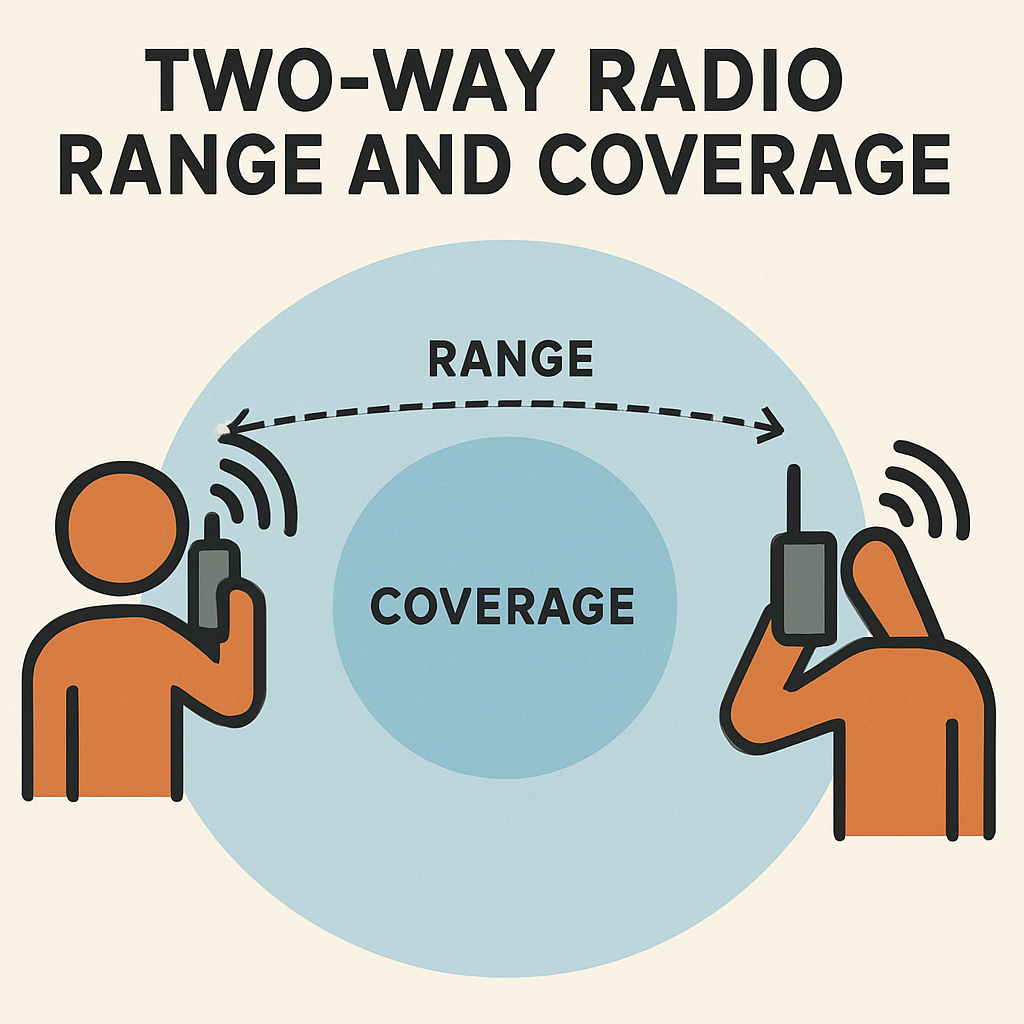
#buy dmr radio contact us Digital Mobile Radio (DMR) repeaters are a crucial component in modern communication networks. They play a vital role in extending the range and enhancing the quality of radio communications. Whether you’re a hobbyist or a professional, understanding DMR repeaters can significantly impact your communication experience. This guide will delve into the essentials of DMR repeaters, their functionality, and how to locate one near you. A DMR repeater is a device that receives a digital radio signal and retransmits it at a higher power, allowing the signal to cover a greater distance. These repeaters are widely used in various industries, including public safety, transportation, and amateur radio. By converting analog signals into digital, DMR repeaters enhance voice clarity and reduce noise interference, making them a popular choice for reliable communication. DMR repeaters work by utilizing radio waves to receive and transmit signals, effectively boosting communication across distances. The repeater receives incoming signals, which are then amplified and sent out at a higher power, ensuring the message reaches further than it would with a standard radio. In public safety, DMR repeaters provide crucial communication links for emergency services, ensuring seamless coordination during critical situations. In transportation, they facilitate communication between vehicles and control centers, enhancing operational efficiency. Amateur radio enthusiasts use DMR repeaters to expand their reach, connecting with fellow radio operators worldwide. DMR technology converts voice signals into digital data, vastly improving clarity by reducing background noise and static. This digital transformation not only enhances voice quality but also ensures more efficient use of the radio spectrum, allowing multiple communications on a single frequency channel. DMR repeaters operate by receiving a digital signal from a radio, processing it, and then transmitting it again at a higher power. This process effectively extends the communication range between radios, ensuring that users can communicate over larger areas without loss of signal quality. The ability to handle multiple conversations simultaneously over the same frequency is one of the significant advantages of DMR technology, thanks to its Time Division Multiple Access (TDMA) protocol. Upon receiving a signal, the DMR repeater processes it to improve clarity and strength before retransmitting. The repeater’s internal systems clean up the signal, removing any interference or noise, which results in a clearer, more reliable communication output. TDMA is a technique that divides a single frequency channel into multiple time slots, allowing for multiple conversations at once. This efficient use of frequency space is a hallmark of DMR repeaters, enabling multiple users to share a channel without interfering with each other’s communications. By boosting the power of a transmitted signal, DMR repeaters enable communication over distances that would typically be out of reach for a standard radio. This extended range is particularly beneficial in rural or remote areas where infrastructure may be limited. Understanding the distinction between DMR and analog repeaters is crucial for selecting the right system for your needs. DMR repeaters convert voice signals into digital data, which significantly improves clarity by eliminating background noise and static commonly found in analog transmissions. Furthermore, DMR technology is more spectrum-efficient, allowing for more simultaneous communications on the same frequency channel, which is not possible with analog repeaters. The digital conversion process used by DMR repeaters effectively removes unwanted noise and static, resulting in clear and concise communication. This clarity is essential in industries where precise information exchange is critical. DMR systems make better use of available frequencies, accommodating more users on a single channel compared to analog systems. This increased capacity is ideal for busy communication environments where multiple conversations need to occur simultaneously. The integrity of digital signals remains consistent over longer distances, unlike analog signals, which can degrade. This consistency ensures that communication remains reliable even as the signal travels further from the source. While DMR systems offer numerous advantages, they may come with higher initial costs compared to analog systems. Additionally, not all existing analog equipment is compatible with DMR repeaters, which might necessitate further investment in compatible devices.…