When you think about the tools that are essential for law enforcement, police radios are likely near the top of the list. These devices are crucial for maintaining communication and coordination among officers, especially during emergencies. But what exactly are police radios, and how do they work? In this article, we’ll delve into the world of police radios, explaining their purpose, functionality, and significance in law enforcement.
Understanding Police Radios
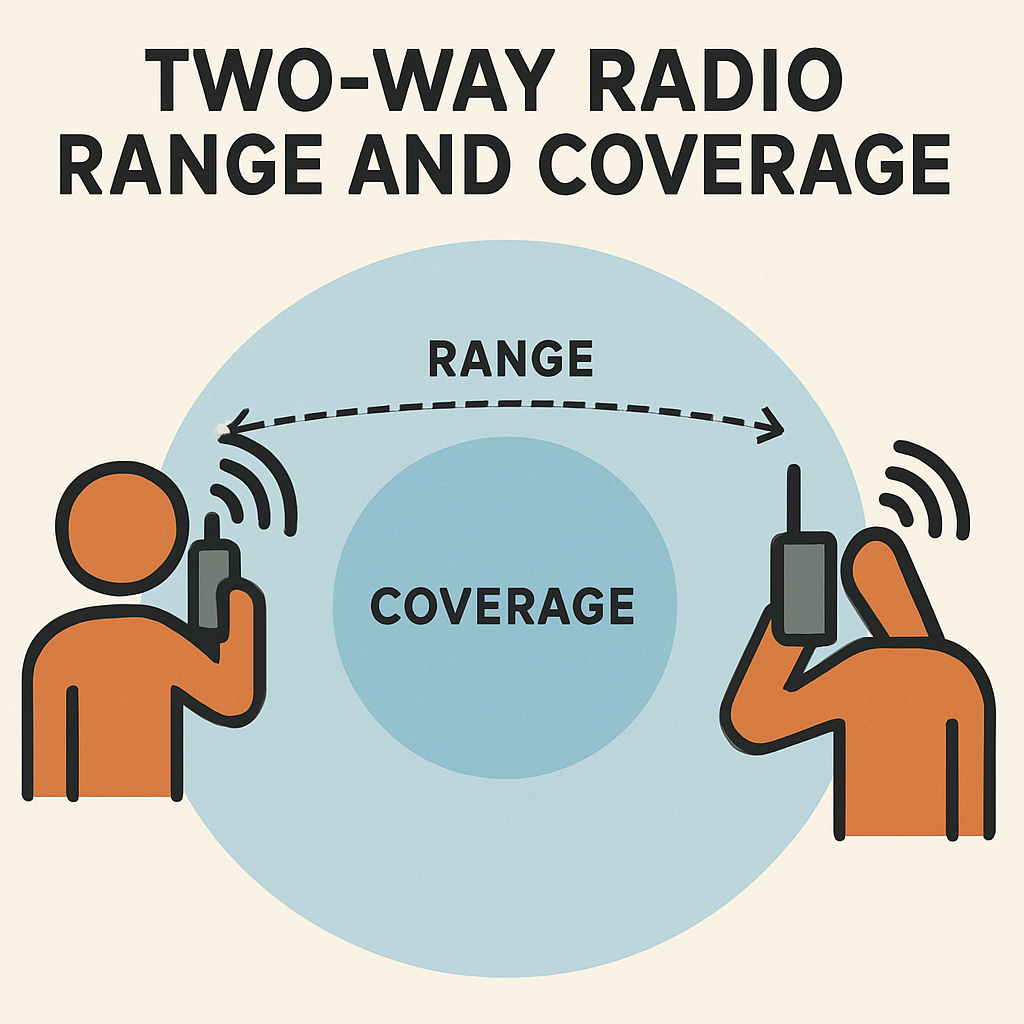
Police radios are a type of two-way radio used by law enforcement agencies to communicate with officers in the field. They allow for real-time communication, which is vital for coordinating responses, sharing information, and ensuring officer safety. Unlike regular radios that only receive signals, two-way radios can both send and receive messages, making them indispensable in situations where quick and clear communication is necessary.
Types of Police Radios
There are several types of police radios, each serving different needs:
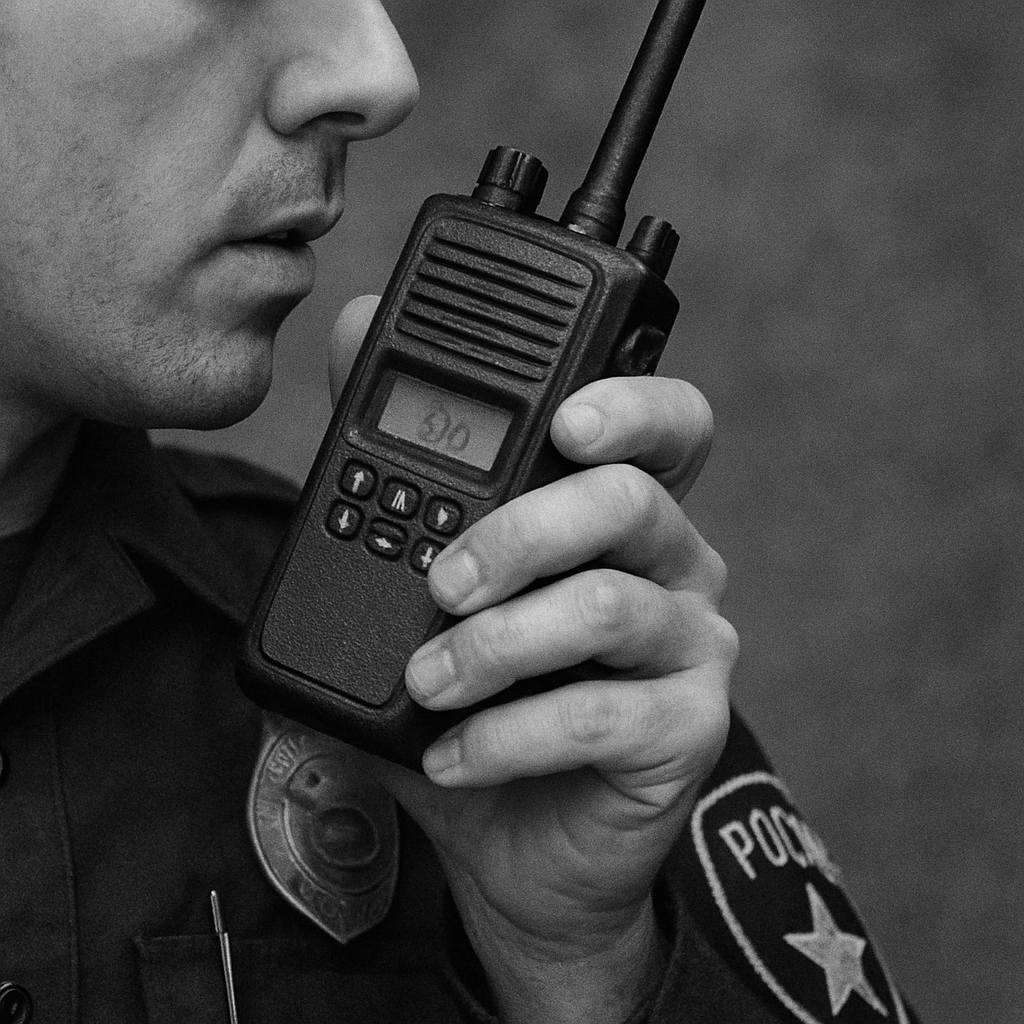
- Handheld Radios (Walkie-Talkies): These portable devices are carried by officers on duty. They are compact, easy to use, and allow officers to stay in touch while on the move.
- Mobile Radios: Installed in police vehicles, these radios have a larger range and are more powerful than handheld radios. They are used for communication while officers are in their cars.
- Base Station Radios: These are fixed radios located at the police station or dispatch center. They have a broad range and are used to communicate with both mobile and handheld radios.

How Do Police Radios Work?
Police radios operate on specific radio frequencies allocated for public safety communications. These frequencies are part of the VHF (Very High Frequency) and UHF (Ultra High Frequency) bands, allowing for clear communication over long distances.
Radio Frequency Bands
- VHF (Very High Frequency): This band ranges from 30 MHz to 300 MHz. VHF is ideal for rural or open areas because it travels long distances and can penetrate obstacles like trees and buildings.
- UHF (Ultra High Frequency): Ranging from 300 MHz to 3 GHz, UHF is better suited for urban environments. It provides better penetration through concrete and steel, making it ideal for densely populated areas.
Trunked Radio Systems
Many police departments use trunked radio systems to manage their communications. A trunked system allows multiple users to share a small number of radio frequencies efficiently. When an officer keys the microphone to speak, the system automatically assigns a frequency, ensuring seamless communication without interference.
Encryption and Security
To ensure that police communications remain private and secure, many radio systems use encryption. Encryption prevents unauthorized individuals from listening in on police communications, protecting sensitive information and enhancing officer safety.
The Importance of Police Radios in Emergencies
In emergencies, communication is crucial. Police radios enable officers to coordinate responses quickly and efficiently. Whether it’s a high-speed chase, a natural disaster, or a medical emergency, police radios ensure that officers can communicate effectively to manage the situation.
Real-Time Communication
Real-time communication is one of the most significant advantages of police radios. Officers can instantly relay information, request backup, or update their status, which is essential in rapidly evolving scenarios.
Coordination and Collaboration
In large-scale emergencies, different agencies often need to work together. Police radios facilitate inter-agency communication, allowing for better coordination and collaboration. This capability is vital for ensuring a unified response during incidents involving multiple jurisdictions.
Challenges and Limitations
While police radios are indispensable, they do have some challenges and limitations:
Range Limitations
Despite being powerful, radios have range limitations. In remote or vast areas, maintaining communication can be challenging. Agencies often use repeaters—devices that receive and retransmit signals—to extend the range of their radios.
Interference and Congestion
Radio interference and congestion can occur when multiple users attempt to communicate simultaneously. Trunked systems help mitigate this issue by efficiently managing the available frequencies.
Battery Life
For handheld radios, battery life is a critical concern. Officers need reliable power sources to ensure their radios remain operational throughout their shifts.
The Future of Police Radios
As technology evolves, so do police radios. Innovations such as digital radios, GPS integration, and advanced encryption continue to enhance the capabilities of police communication systems. These advancements improve clarity, security, and functionality, ensuring that police radios remain a vital tool for law enforcement.
Digital Radios
Digital radios offer clearer audio quality and are less susceptible to interference compared to analog radios. They also support advanced features like text messaging and GPS tracking, providing officers with more options for communication.
GPS Integration
Integrating GPS technology into police radios allows for precise locati0n tracking. This feature enhances officer safety by enabling dispatchers to monitor officer locations and provide assistance more efficiently.
Conclusion
Police radios are an essential tool for law enforcement, providing the communication capabilities necessary to perform their duties effectively. With their ability to transmit and receive messages in real-time, police radios facilitate coordination, enhance safety, and improve response times in emergencies. As technology continues to advance, police radios will undoubtedly evolve, offering even more sophisticated features to support the critical work of law enforcement agencies.
Understanding how these devices work and their importance in emergency situations highlights the indispensable role they play in maintaining public safety.