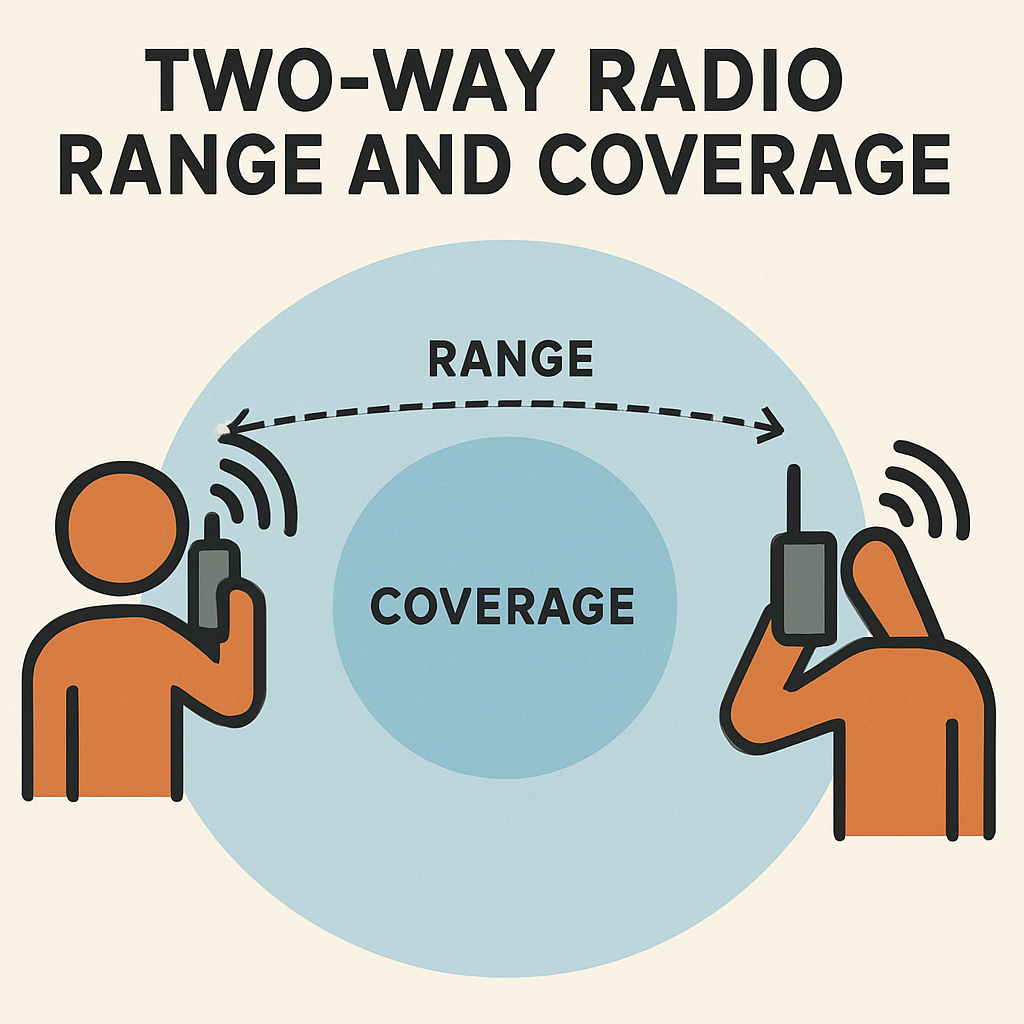
In an age of digital communication, radio communication remains a reliable and essential tool for many industries and hobbies. Whether you’re a beginner looking to understand how to use a two-way radio or someone interested in the science of radio waves, this guide will introduce you to the basics of radio communication.

Understanding Radio Waves
Radio communication relies on radio waves, a type of electromagnetic wave. These waves are used to transmit information over long distances without the need for wires.
What Are Radio Waves?
Radio waves are part of the electromagnetic spectrum, which also includes visible light, microwaves, and X-rays. They are produced by the movement of charged particles and can travel through the air, vacuum, and even some solid materials.
How Do Radio Waves Work?
Radio waves carry signals by varying their amplitude, frequency, or phase. A transmitter sends these waves, and a receiver picks them up, converting them back into sound or data.
Frequency and Its Importance
Frequency, measured in hertz (Hz), is the number of times a wave oscillates per second. In radio communication, different frequencies are used for different types of transmissions. Understanding frequency is crucial for choosing the right channel and ensuring clear communication.
The Basics of Radio Communication
Radio communication involves a transmitter, receiver, and antenna. Here’s a closer look at these components:
The Transmitter
The transmitter generates radio waves and sends them out through an antenna. It modulates the waves to carry the information you want to transmit.
The Receiver
The receiver captures the radio waves sent by the transmitter. It then demodulates these waves to retrieve the transmitted information.
The Antenna
The antenna is essential for both sending and receiving radio waves. It converts electrical signals into radio waves and vice versa.
Two-Way Radios: An Introduction
Two-way radios, often called walkie-talkies, are portable devices that allow for radio to radio communication. They are used in various settings, from construction sites to outdoor adventures.
How Two-Way Radios Work
Two-way radios operate on specific radio frequencies. They allow users to communicate back and forth by pressing a push-to-talk button.
Choosing the Right Two-Way Radio
When selecting a two-way radio, consider the following factors:
- Range: How far do you need to communicate?
- Frequency: Will you use VHF (Very High Frequency) or UHF (Ultra High Frequency)?
- Channels: How many channels do you need for communication?
- Durability: Will it withstand the conditions in which you’ll use it?
Radio Communication Etiquette
Proper radio communication etiquette ensures effective and efficient communication. Here are some best practices to follow:
1. Listen Before You Speak
Always listen to ensure the channel is clear before you start transmitting. Interrupting an ongoing conversation can lead to confusion and missed messages.
2. Use Clear Language
Speak clearly and concisely. Avoid jargon and overly complex language to ensure your message is understood.
3. Identify Yourself
Begin transmissions by identifying yourself and, if necessary, the person you are calling. For example, “This is John, calling Base.”
4. Keep Messages Short
Long messages can be difficult to follow and may clutter the channel. Be brief and to the point.
5. Confirm Receipt
Always acknowledge receipt of a message. Simple phrases like “Copy that” or “Roger” indicate that you have understood the transmission.

6. Use Proper Call Signs
If you’re part of an organization that uses call signs, ensure you know and use them correctly.
7. Practice Good Walkie Talkie Etiquette
Avoid using slang or offensive language, and be courteous to others using the channel.
Common Radio Communication Terms
Familiarize yourself with common radio communication terms to enhance your understanding and effectiveness:
- Over: End of message, waiting for a reply.
- Out: End of conversation, no reply expected.
- Roger: Message received and understood.
- Say Again: Request to repeat the last message.
- Copy: Message received.
Safety and Regulations
Using radios responsibly means adhering to safety guidelines and regulations.
Legal Regulations
Different countries have regulations governing the use of radio frequencies. Ensure you comply with local laws regarding licensing and frequency use.
Safety Precautions
Handle radios with care, especially in environments where sparks or electromagnetic interference could cause hazards.
Troubleshooting Common Radio Issues
Like any technology, radios can experience issues. Here are some common problems and how to address them:
Poor Reception
- Check Antenna: Ensure it’s properly connected and positioned.
- Change Location: Move to a higher or more open area.
- Check Frequency: Ensure you’re on the correct frequency and channel.
Interference
- Switch Frequencies: If you experience interference, try a different channel.
- Reduce Obstructions: Remove obstacles between you and the other radio.
Conclusion
Radio communication remains a vital tool in many areas, from professional settings to recreational activities. Understanding the basics of radio waves, proper etiquette, and troubleshooting can enhance your radio communication experience, ensuring that you stay connected when it matters most.
By mastering these fundamentals, you’ll be well-prepared to communicate effectively and responsibly using radios. Whether you’re on a job site, exploring the great outdoors, or simply staying in touch with friends, radio communication can be a dependable and efficient means of staying connected.