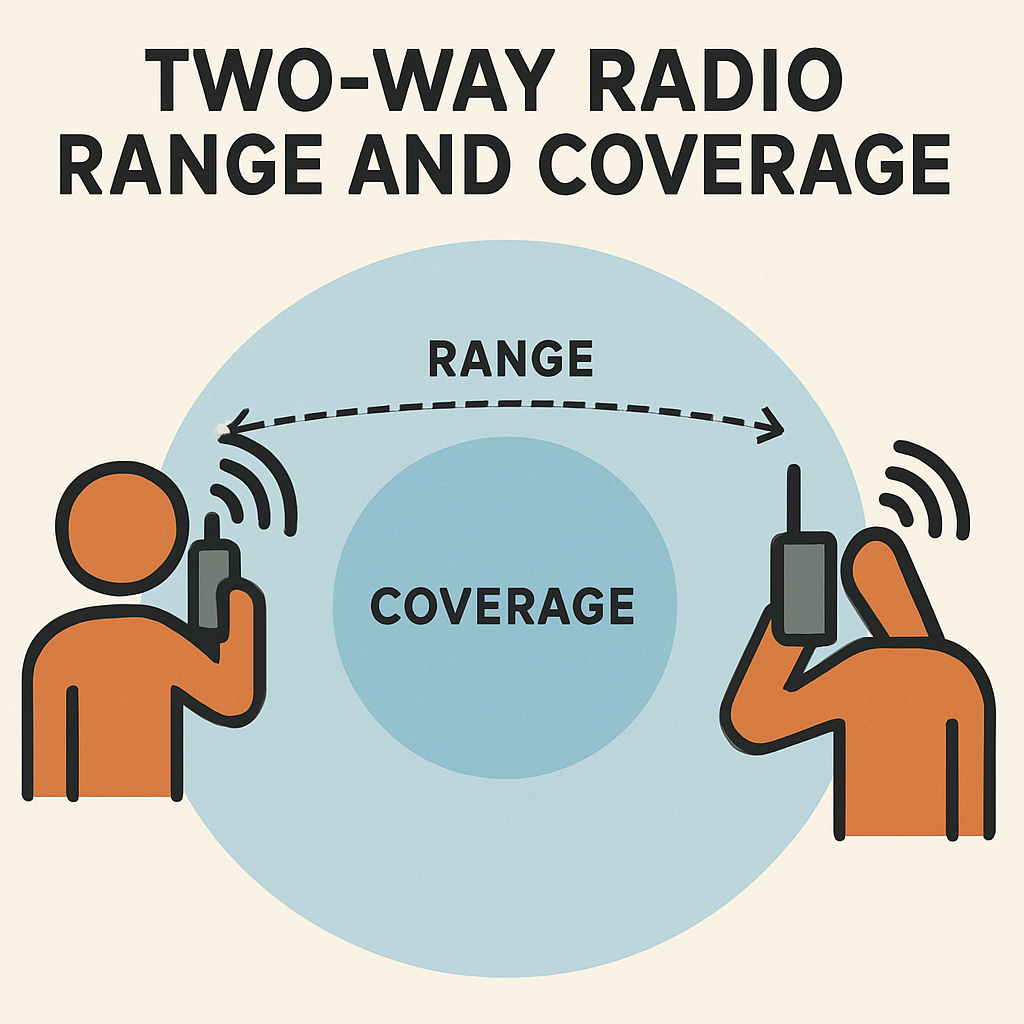
In an era of advanced technology, communication remains a fundamental aspect of our daily lives. While smartphones and the internet have revolutionized how we connect, there is still a place for more traditional forms of communication like radios. Specifically, license-free radios offer a practical and efficient way to stay connected without the need for complex setups or licenses. In this article, we’ll delve into what license-free radios are, how they work, and why you might consider using them.
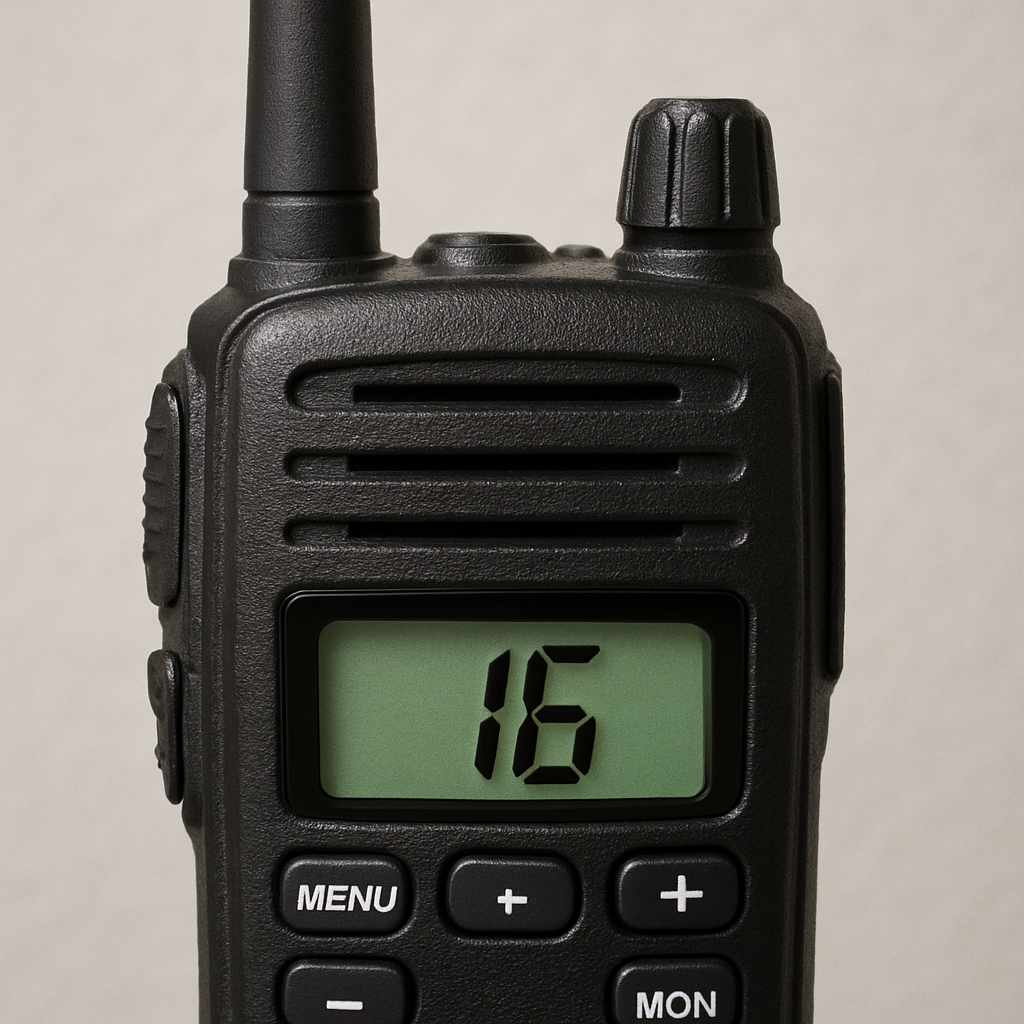
What Are License-Free Radios?
License-free radios are communication devices that allow you to send and receive messages over short distances without requiring a government-issued license. Unlike traditional radio systems that may need a license to operate, these radios are designed to be user-friendly and accessible to the general public.
Types of License-Free Radios
There are several types of license-free radios, but the most common ones include:
- Family Radio Service (FRS): These radios are typically used for personal communication, like during hiking trips or family outings. They have a limited range, usually up to a few miles, and are perfect for short-distance communication.
- PMR446 (Private Mobile Radio): Popular in Europe, PMR446 radios offer similar functionality to FRS radios but operate on different frequencies. They are widely used for recreational and business purposes.
- General Mobile Radio Service (GMRS): While GMRS radios can offer a greater range than FRS, they do require a license in some regions. However, in areas where they are license-free, they provide a robust option for communication.
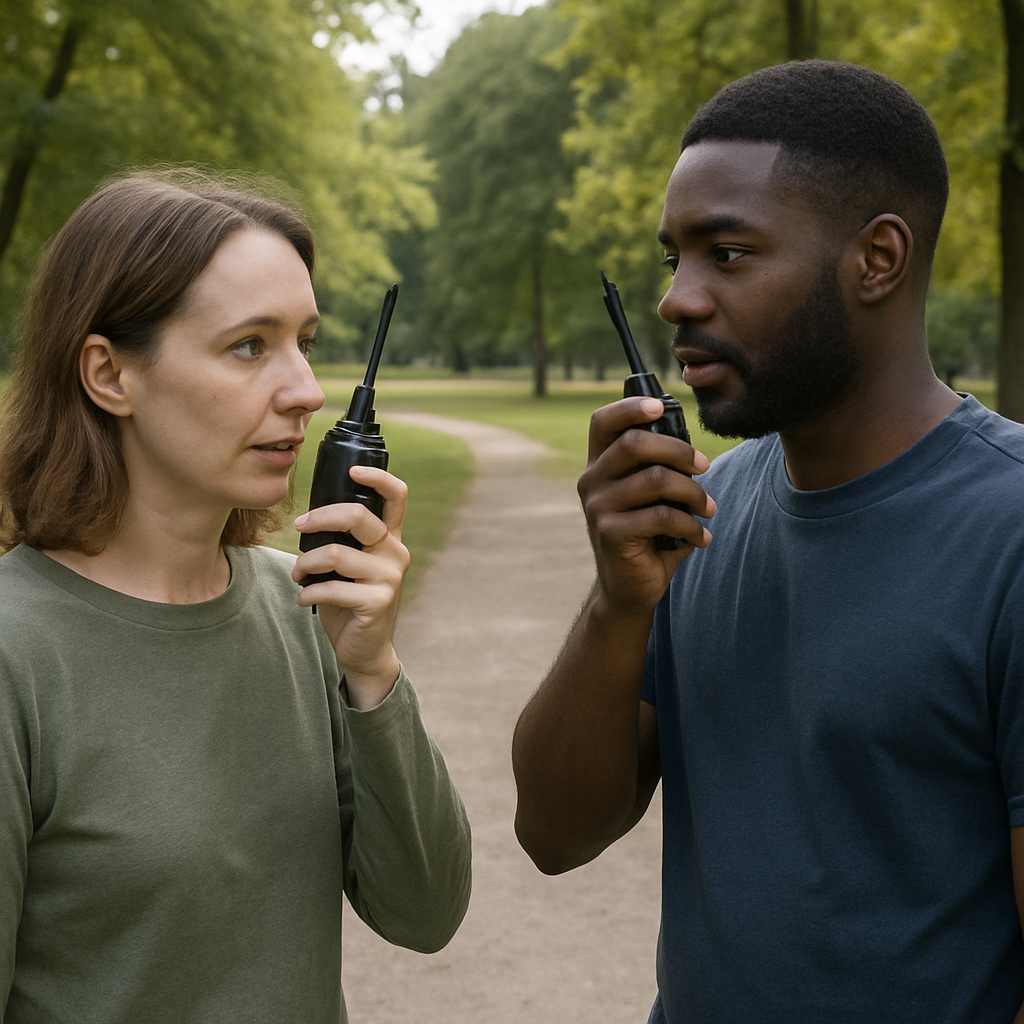
How Do License-Free Radios Work?
Understanding how license-free radios work is key to making the most of them. Here’s a simplified breakdown:
Basic Components
License-free radios operate on specific radio frequencies allocated for public use. The main components include:
- Transmitter: Converts voice into radio signals.
- Receiver: Captures incoming radio signals and converts them back into audio.
- Antenna: Sends and receives radio signals.
- Speaker/Microphone: Allows users to listen and communicate.
Frequency and Channels
License-free radios operate on predetermined frequencies, divided into channels. Users select a channel to communicate with others on the same frequency. This setup ensures that multiple conversations can occur simultaneously without interference.
Power and Range
The range of a license-free radio is influenced by several factors, including:
- Power Output: Higher power can increase range but may require a license.
- Terrain: Hills, buildings, and trees can obstruct signals and reduce range.
- Weather Conditions: Rain and atmospheric conditions can affect signal clarity.
Benefits of Using License-Free Radios
License-free radios offer numerous benefits, making them a popular choice for various users. Here are some advantages:
No Licensing Hassles
One of the main attractions of license-free radios is that they eliminate the need for obtaining a government license. This makes them accessible to individuals, families, and small businesses without legal complexities.
Cost-Effective Communication
These radios provide a budget-friendly way to communicate, especially in areas with limited cell coverage. They require minimal setup and maintenance costs, making them ideal for casual users.
Reliability in Remote Areas
Unlike mobile phones that rely on network towers, license-free radios are independent of such infrastructure. This makes them reliable in remote areas, during outdoor adventures, or in emergencies where mobile networks might fail.
Common Uses for License-Free Radios
License-free radios have a wide range of applications, catering to both personal and professional needs.
Outdoor Adventures
Hikers, campers, and outdoor enthusiasts frequently use license-free radios to stay connected when exploring nature. They offer a reliable means of communication in areas where mobile phone signals are weak or nonexistent.
Events and Coordination
Event organizers often use these radios for efficient communication among staff members. They facilitate seamless coordination and quick responses, ensuring that events run smoothly.
Small Business Operations
For small businesses, license-free radios can improve team communication, whether it’s in a warehouse, a retail store, or during service operations. They allow for immediate contact without relying on cellular networks.
Choosing the Right License-Free Radio
Selecting the right radio depends on your specific needs. Consider the following factors:
Range Requirements
Assess how far you need to communicate. For short-range needs, FRS radios are sufficient, while GMRS radios might be better for longer distances.
Durability and Features
Look for radios that can withstand your working environment. Features like weatherproofing, battery life, and ease of use should be considered.
Budget
License-free radios vary in price. Determine your budget and find a model that offers the best value for your needs.
Conclusion
License-free radios are a versatile and user-friendly communication tool suitable for various situations. Whether you’re hiking in the wilderness, organizing an event, or running a small business, these radios offer a practical solution for staying connected. By understanding how they work and what to look for, you can choose the right radio to meet your communication needs. Embrace the simplicity and reliability of license-free radios and enjoy seamless communication wherever you go.