In today’s fast-paced digital era, where communication technologies are evolving rapidly, it might come as a surprise that some police departments still rely on analog radio systems. The Niles, Ohio police department is one of them. But why is Niles Ohio police still on analog radios, and what does this mean for the community and law enforcement efforts?
Understanding Analog Radio Systems
Before diving into why the Niles Ohio police department continues to use analog radios, it’s essential to understand what analog radio systems are. Unlike digital radio systems that convert voice into digital signals, analog systems transmit voice signals in their original form. These systems have been around for decades and have their own set of advantages and disadvantages.
Advantages of Analog Radios
- Simplicity and Reliability: Analog radios are straightforward to use and have been proven reliable over many years. Their simplicity means there are fewer components that can fail, which is a significant advantage in critical situations.
- Cost-Effectiveness: For departments on a budget, analog radios can be less expensive to maintain and purchase compared to digital systems.
- Widespread Compatibility: Many existing infrastructures are built around analog systems, making them universally compatible with older equipment.
Disadvantages of Analog Radios
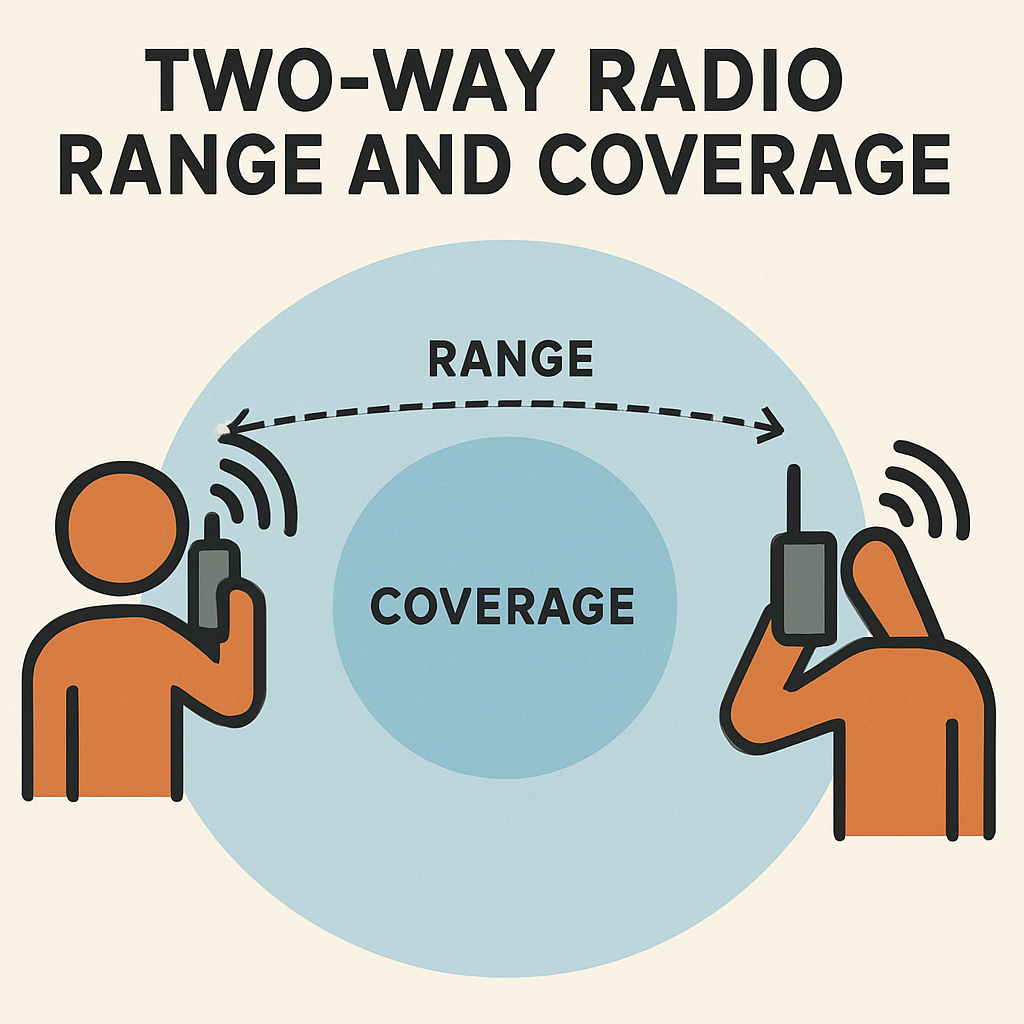
- Limited Range and Clarity: Compared to digital systems, analog radios often suffer from limited range and can have issues with clarity, especially in areas with a lot of interference.
- Lack of Features: Digital radios offer advanced features like encryption, GPS tracking, and better spectrum efficiency. Analog radios lack these modern capabilities.
- Vulnerability: Without encryption, analog communications can be more easily intercepted, posing potential security risks.
Reasons Niles Ohio Police Might Still Use Analog Radios
Now that we understand what analog radios are, let’s explore why Niles Ohio police might still be using them.
Budget Constraints
One of the most significant factors is likely budget constraints. Upgrading to a digital system can be costly, not just in terms of purchasing new equipment, but also in training personnel and possibly updating infrastructure. For a smaller department like Niles, Ohio, the financial burden of transitioning to digital might outweigh the perceived benefits.
Reliability and Familiarity
Analog systems have been in use for a long time, and many officers and dispatchers are comfortable and familiar with their operation. The reliability of these systems means that they have been tested under various conditions and have proven effective. Transitioning to a new system can introduce a learning curve and potential disruptions.
Compatibility with Existing Infrastructure
Switching to digital might require significant changes to existing infrastructure. This includes not only the radios themselves but also the supporting systems used in dispatch centers and patrol vehicles. The compatibility of analog radios with current systems means fewer disruptions and a more seamless operation.
Assessment of Needs
The decision to stay with analog systems might also be based on an assessment of the department’s needs. If the current system meets the operational requirements of the Niles police and there are no pressing issues that digital systems would solve, there might be little incentive to switch.
The Future of Radio Systems in Law Enforcement
While Niles Ohio police may currently rely on analog radios, it’s worth considering the broader trends in law enforcement communication technology.
The Push Towards Digital
Many police departments across the country are transitioning to digital systems. These systems offer improved clarity, better range, and enhanced security features. As more departments make the switch, the pressure might increase on departments like Niles to follow suit.
Technological Advancements
As technology continues to evolve, the cost of digital systems may decrease, making them more accessible to smaller departments. Additionally, as more features become standardized, the benefits of switching may become more attractive.
Community and Officer Safety
The enhanced features of digital radios, such as encryption and GPS tracking, can significantly improve both officer safety and community security. As these advantages become more apparent, they might drive the decision to upgrade.
Conclusion
The question of why Niles Ohio police are still on analog radios involves multiple factors, including budget constraints, reliability, and compatibility with existing systems. While analog radios have served the department well, it is essential to consider the potential benefits of digital systems, especially as technology continues to advance.
Ultimately, the decision to remain on analog or switch to digital will depend on weighing the costs and benefits, considering the department’s specific needs, and planning for the future. As the landscape of communication technology evolves, it will be interesting to see how departments like Niles Ohio police adapt to these changes.
By understanding the reasons behind their current setup, community members can engage in informed discussions about the future of law enforcement communication in their area.