In the fast-paced world of event planning, clear and reliable communication is a must. Traditional walkie talkies have been the go-to solution for many years, but as technology evolves, so do the tools that professionals rely on. Enter the cellular walkie talkie: a modern twist on a classic device that is rapidly gaining traction among event planners. In this article, we’ll delve into what a cellular walkie talkie is, explore its advantages, and uncover why event planners are making the switch.
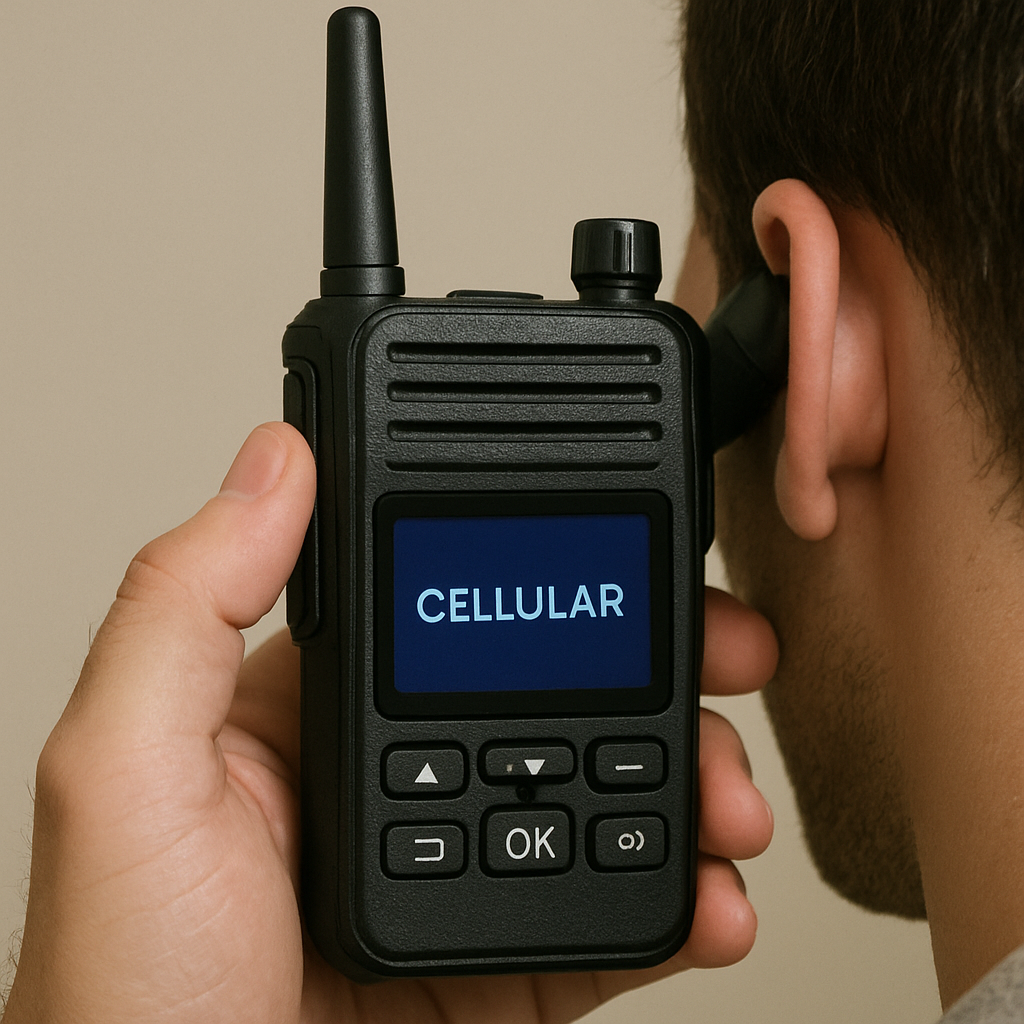
Cellular walkie talkies, also known as PoC (Push-to-Talk over Cellular) radios, are two-way communication devices that use cellular networks to transmit voice messages. Unlike traditional walkie talkies that rely on radio frequencies, cellular walkie talkies operate over mobile networks, offering a wider range and more reliable connectivity.
Key Features of Cellular Walkie Talkies
- Extended Range: Unlike traditional walkie talkies, which are limited by their radio frequency range, cellular walkie talkies can communicate over vast distances using cellular networks.
- Bluetooth Integration: Many models come equipped with Bluetooth capabilities, allowing for seamless use with earpieces and headsets. This is particularly beneficial for event planners who need to communicate hands-free.
- License-Free Operation: Cellular walkie talkies do not require a radio license, which simplifies setup and reduces costs.
- Advanced Features: These devices often include GPS tracking, text messaging, and group calls, making them versatile tools for event coordination.
Why Event Planners Are Embracing Cellular Walkie Talkies
Enhanced Communication in Loud Environments
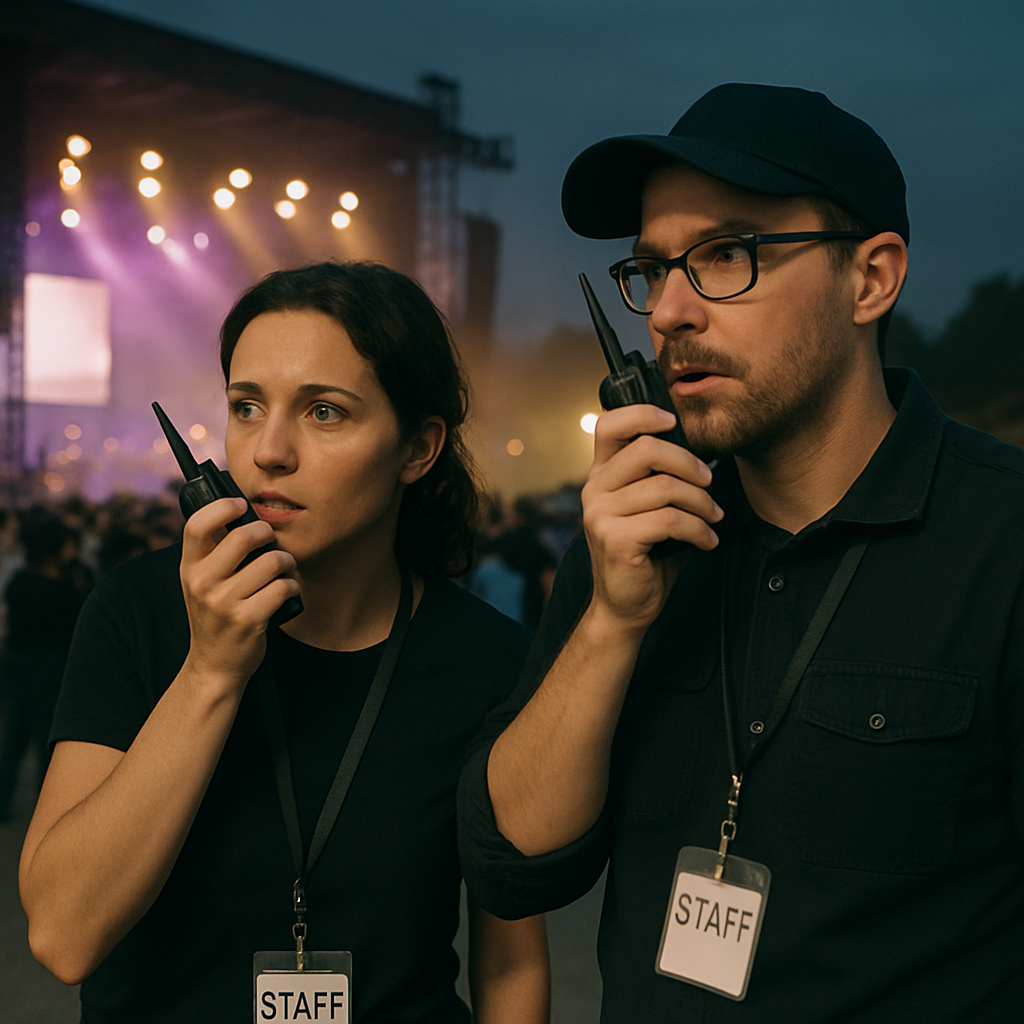
Events, especially large ones, can be noisy. From concerts to festivals, the sound levels can make traditional walkie talkies hard to use. Cellular walkie talkies, paired with earpieces with mics, ensure that messages are heard loud and clear, even in the noisiest settings.
Reliable Connectivity for Large Venues
Traditional walkie talkies can struggle with connectivity in large venues or areas with many obstructions. Cellular walkie talkies eliminate this issue by using cellular networks, ensuring consistent communication regardless of the environment. This reliability is crucial for event planners who need to coordinate across large spaces without interruption.
Cost-Effective and Scalable Solutions
While the initial investment in cellular walkie talkies might be higher than traditional models, they offer long-term savings. Since they operate without the need for a dedicated frequency or license, event planners can avoid these ongoing costs. Additionally, cellular walkie talkies are easily scalable, making it simple to add more users as needed.
Integration with Modern Technology
The integration of cellular walkie talkies with modern technology is a game-changer for event planners. Features such as GPS tracking and text messaging allow for more precise coordination and management. For instance, if a team member is needed in a specific locati0n, they can be easily directed using GPS.
Comparing Cellular Walkie Talkies with Traditional Models
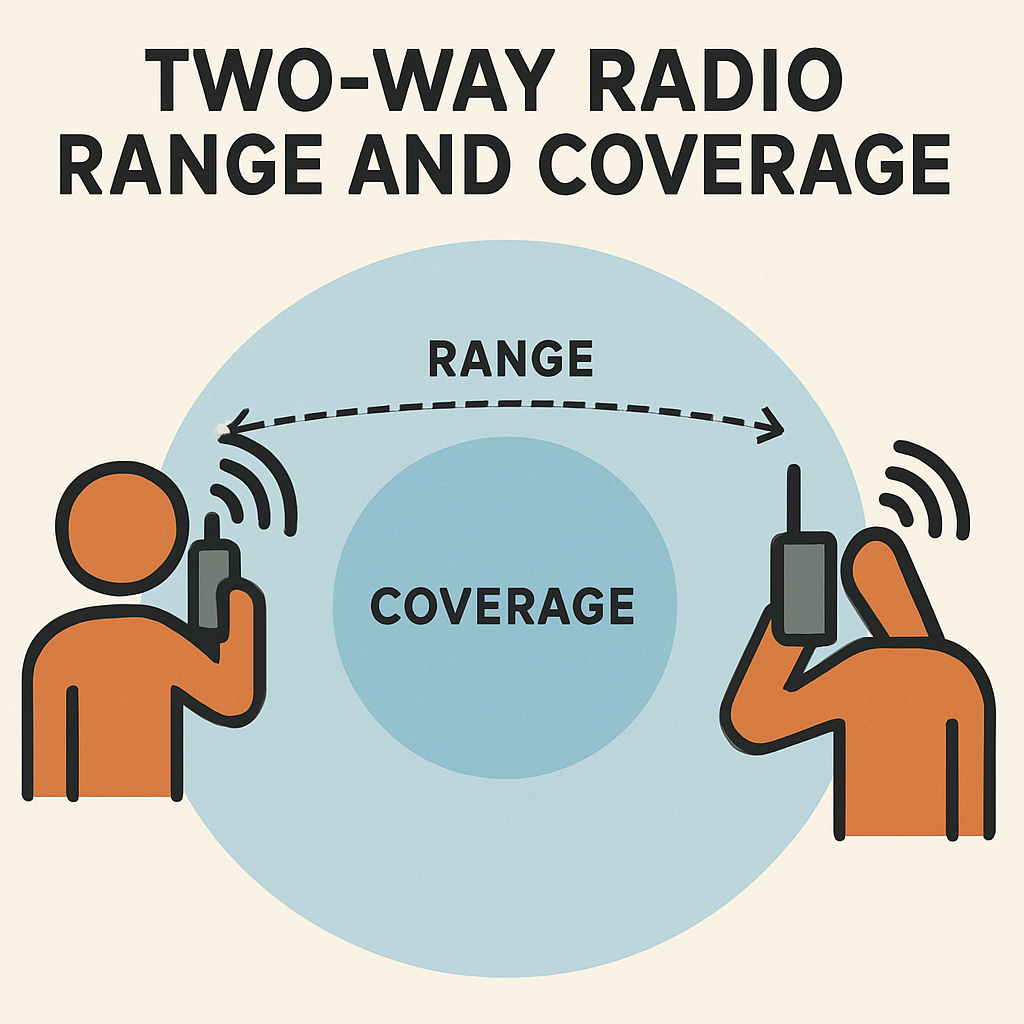
Range and Coverage
Traditional walkie talkies are limited by their radio frequency range, which can be affected by obstacles and distance. In contrast, cellular walkie talkies provide coverage wherever there is a cellular signal, making them ideal for both urban and rural settings.
Sound Quality
The sound quality of cellular walkie talkies is often superior to traditional models due to digital transmission over cellular networks. This ensures clear audio, which is essential for effective communication during events.
Ease of Use

Both traditional and cellular walkie talkies are user-friendly, but cellular models offer added convenience with features like Bluetooth headsets. This allows users to communicate without holding the device, freeing up their hands for other tasks.
Additional Features
While traditional walkie talkies focus primarily on voice communication, cellular models offer a suite of additional features such as GPS tracking, group calls, and text messaging. These capabilities enhance their functionality and usefulness in dynamic environments like events.
Choosing the Right Walkie Talkie for Your Needs
When selecting a walkie talkie, consider the specific requirements of your events. For smaller, contained environments, a traditional walkie talkie might suffice. However, for larger events or those spread across different locations, a cellular walkie talkie provides the coverage and features necessary for seamless communication.
Factors to Consider
- Environment: Consider the size and layout of the venue. Cellular walkie talkies are better suited for large or complex environments.
- Budget: Evaluate the long-term costs, including potential savings on licenses and equipment.
- Features: Determine which features are essential for your event planning process, such as GPS or Bluetooth connectivity.
Conclusion: The Future of Event Communication
As events grow in scale and complexity, the tools used by planners must evolve to meet new challenges. Cellular walkie talkies represent the future of event communication, offering a blend of reliability, range, and modern features that traditional models cannot match. By switching to cellular walkie talkies, event planners can enhance their communication capabilities, streamline their operations, and ensure the success of their events.
In the competitive world of event planning, staying ahead of the curve is crucial. Embracing cutting-edge technology like cellular walkie talkies not only improves efficiency but also sets planners apart as industry leaders. Whether coordinating a small gathering or a large-scale festival, clear and reliable communication is key—and cellular walkie talkies deliver just that.