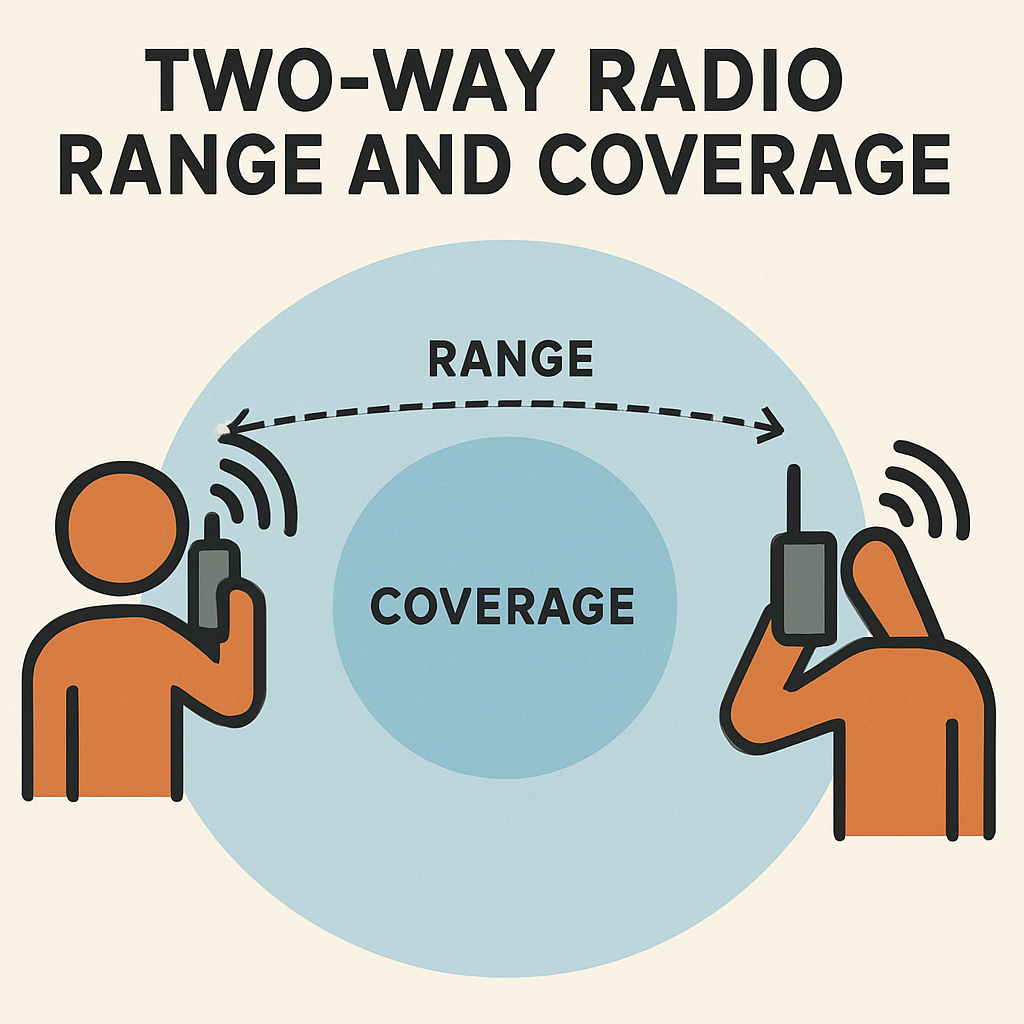
Walkie talkies are portable communication devices that use radio waves to transmit and receive voice signals. The term “long range” refers to the device’s capability to communicate over greater distances compared to standard models. Typically, long range walkie talkies are used in outdoor settings where traditional mobile networks might not be reliable.
How Walkie Talkies Work
Walkie talkies function by converting your voice into radio signals, which are then transmitted to another device on the same frequency. These signals travel through the air, bouncing off obstacles like hills or buildings, which can sometimes affect the clarity and range of communication. Understanding this process is crucial for maximizing the effectiveness of your devices.
Types of Long Range Walkie Talkies
There are several types of long range walkie talkies, each suited for different environments and needs. Some are designed specifically for rugged outdoor use, with features like water resistance and durable casing, while others focus on providing clear communication in urban settings with many obstacles. Identifying the type you need can streamline your selection process.
Common Uses for Long Range Walkie Talkies
From coordinating teams in large events to ensuring safety during hiking trips, the applications of long range walkie talkies are vast. They’re invaluable in scenarios where quick and reliable communication is critical, such as during search and rescue operations or in areas without cellphone coverage. Understanding common uses can help you prioritize necessary features.
Key Features of Long Range Walkie Talkies
When choosing walkie talkies, consider the following features to find the best match for your needs:
Evaluating Range
The advertised range on walkie talkies can be misleading. Factors like terrain, weather conditions, and obstructions such as buildings and trees can affect the actual range. Look for models that offer a range suitable for your specific environment. Testing the walkie talkies in the intended environment before purchase can provide valuable insights.
Understanding Frequency Bands
Walkie talkies operate on different frequency bands, primarily UHF (Ultra High Frequency) and VHF (Very High Frequency). UHF walkie talkies are generally better for indoor use or in urban areas with obstacles, while VHF is suitable for open outdoor spaces. Knowing the difference can significantly impact your communication experience.
Importance of Battery Life
Consider devices with long battery life, especially if you plan to use them for extended periods without access to charging facilities. Rechargeable batteries can be a cost-effective option in the long run. Always check the expected battery life under normal usage conditions, as this can vary significantly between models.
Assessing Durability
If you plan to use your walkie talkies in rugged environments, look for models that are water-resistant or waterproof and have a sturdy build to withstand drops and harsh weather conditions. Features like dustproofing and shock resistance can also add to the longevity of your device.
Channels and Privacy Codes
More channels provide flexibility in communication, especially in crowded areas. Privacy codes can help minimize interference from other users on the same channel. Understanding how to set and manage these codes is crucial for maintaining private and interference-free communication.
Benefits of Using Long Range Walkie Talkies

Long range walkie talkies offer several advantages over other communication devices:
Reliability in Remote Areas
Unlike mobile phones, walkie talkies do not rely on cell towers. This makes them more reliable in remote areas where cell service is weak or nonexistent. Their ability to function independently of network infrastructure is a significant advantage in emergency situations.
Immediate Communication Capabilities
Walkie talkies provide instant communication at the push of a button, making them ideal for quick exchanges and urgent situations. This immediacy can be crucial in scenarios where time is of the essence, such as coordinating a team during a critical event.
Cost-Effectiveness
Once purchased, walkie talkies do not incur ongoing costs, unlike mobile phones that require service plans. This makes them an economical choice for organizations or individuals needing regular communication without recurring expenses.
Ease of Use for All Ages
Most walkie talkies are straightforward to use, with simple controls that make them accessible to people of all ages. This simplicity ensures that even those with little technical knowledge can operate them effectively, making them perfect for family outings or events.
How to Choose the Best Walkie Talkies for Your Needs
To make an informed decision, consider the following steps:
Assess Your Specific Needs
Determine the primary purpose of your walkie talkies. Are they for personal use during outdoor adventures, professional use in a construction site, or organizing an event? This will help you prioritize the features that matter most. Identifying your primary use case can narrow down your options significantly.
Compare Models and Features
Research different models and compare their features and prices. Read user reviews to gain insights into real-world performance and reliability. User testimonials can often reveal strengths and weaknesses not apparent in specifications alone.
Test for Comfort and Usability
If possible, handle the walkie talkies before purchase to ensure they are comfortable to hold and operate. Check the weight, size, and button layout to see if they suit your preferences. Ergonomic design can greatly affect the ease of use, especially during prolonged periods.
Consider Additional Features and Accessories
Some walkie talkies come with extra features like built-in flashlights, weather alerts, or Bluetooth connectivity. Decide if these features are beneficial for your intended use. Accessories such as headsets or carrying cases can also enhance functionality and convenience.
Tips for Using Walkie Talkies Effectively

Maintain a Clear Line of Sight
For optimal range and clarity, try to maintain a clear line of sight between walkie talkies. This minimizes interference from physical obstructions. Elevation can also improve signal strength, so consider your positioning.
Use the Right Channel
Choose a channel with minimal traffic to reduce interference from other users. Regularly scanning available channels can help you find the clearest option. Familiarize yourself with channel settings to switch easily when needed.
Be Mindful of Battery Life
Turn off walkie talkies when not in use to conserve battery. Carry spare batteries or a portable charger if you plan to be out for extended periods. Monitoring battery levels can prevent unexpected shutdowns during crucial communication.
Practice Good Communication Techniques
Use clear and concise language. Speak slowly and clearly to ensure your message is understood. Developing a simple set of communication codes or phrases can enhance clarity and efficiency, especially in noisy environments.
Conclusion
Selecting the right long range walkie talkies involves understanding your needs and knowing what features to look for. By considering factors such as range, frequency band, battery life, and durability, you can find the best walkie talkies to keep you connected in any situation. With these tips in mind, you’ll be well-equipped to choose and use your walkie talkies effectively, ensuring reliable communication wherever you go. Investing time in research and understanding your specific requirements will pay off in the form of enhanced communication and safety during your activities.