# Understanding Two Way Radio Aerials Basics
Two-way radios are essential communication tools used in various industries, from construction to event management. The effectiveness of these radios largely depends on their aerials, or antennas. In this article, we’ll explore the basics of two-way radio aerials, providing you with the knowledge to optimize your radio’s performance.
What Are Two Way Radio Aerials?
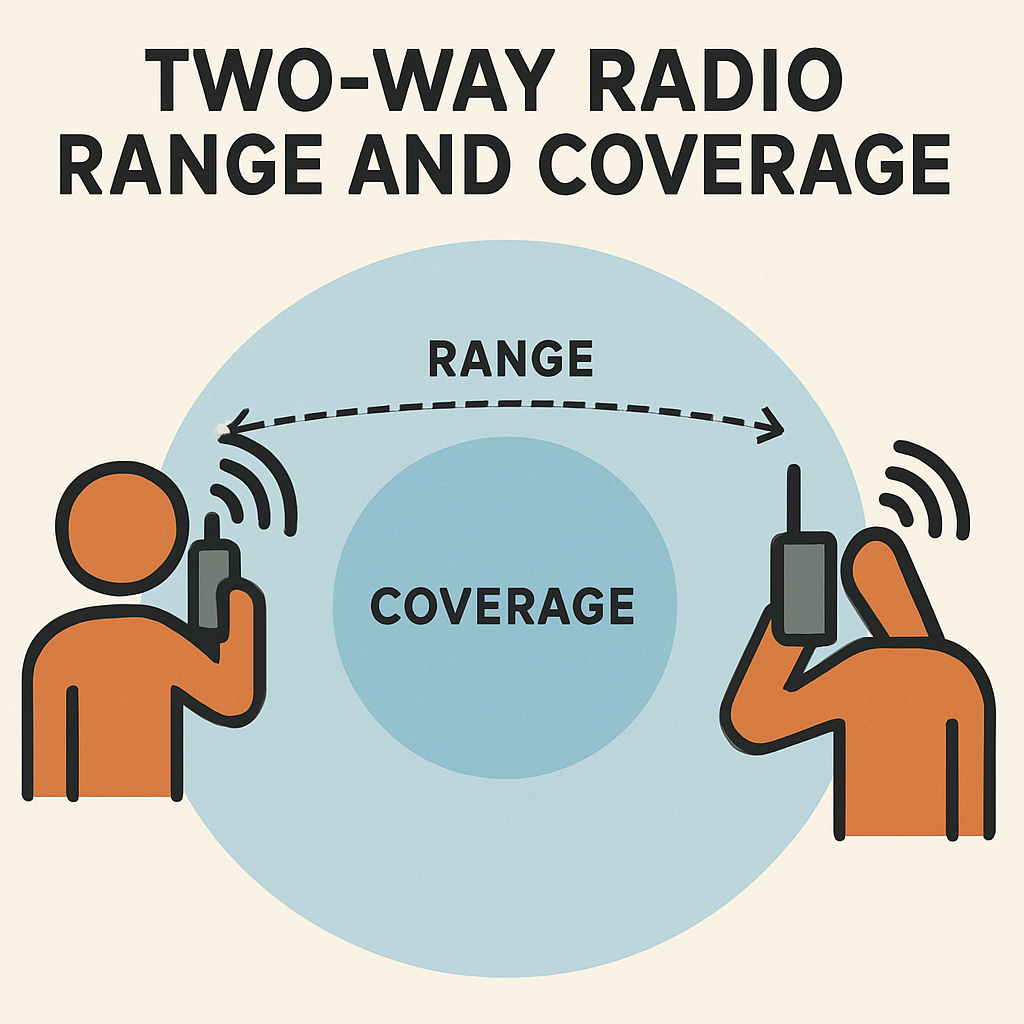
Two-way radio aerials, or antennas, are devices that send and receive radio waves. They are crucial components of two-way radios, enabling them to communicate over distances. Without a proper aerial, your radio would struggle to transmit and receive signals effectively.
How Do Radio Antennas Work?
Radio antennas work by converting electrical signals into radio waves and vice versa. When you speak into a two-way radio, your voice is turned into an electrical signal. The radio antenna then converts this signal into radio waves, which travel through the air to another radio’s antenna. The receiving antenna converts these radio waves back into electrical signals, allowing the recipient to hear your message.
Types of Two Way Radio Aerials
There are several types of two-way radio aerials, each designed for specific purposes and environments. Choosing the right type can significantly impact your communication efficiency.
Whip Antennas
Whip antennas are the most common type of antenna used in two-way radios. They are flexible, simple, and efficient, making them suitable for many applications. The length of the whip antenna is crucial as it directly affects the frequency and range of the radio waves.
Helical Antennas
Helical antennas are compact and often used in handheld radios. They consist of a coiled wire that allows them to be shorter than whip antennas while still being effective. Although they are more portable, they typically have a shorter range compared to whip antennas.
Yagi Antennas
Yagi antennas are directional antennas often used in fixed installations. They offer a long range and are ideal for point-to-point communication. However, they need to be precisely aimed towards the receiving antenna for optimal performance.
Dipole Antennas
Dipole antennas are simple and versatile, consisting of two conductive elements. They are often used in base stations and can be oriented horizontally or vertically. Their simplicity makes them easy to install and maintain.
Factors Affecting Antenna Performance
Understanding the factors that affect the performance of radio antennas can help you select the right antenna for your needs.
Frequency
The frequency at which an antenna operates is one of the most critical factors. Different antennas are designed to work best at specific frequency ranges. It’s essential to match the antenna’s frequency with that of your two-way radio for optimal performance.
Antenna Length
The length of the antenna is directly related to its frequency. Generally, longer antennas can communicate over longer distances. However, they can be less convenient for portable radios. Finding a balance between length and portability is key.
Environment
The environment in which you use your radio can significantly impact antenna performance. Urban areas with tall buildings can obstruct radio waves, while open fields offer fewer obstacles. Understanding your environment helps in choosing the right antenna type and placement.
How to Optimize Your Two Way Radio Aerial
Optimizing your two-way radio aerial involves several steps to ensure you get the best performance from your radio system.
Proper Installation
Ensure that your antenna is correctly installed according to the manufacturer’s instructions. Improper installation can lead to poor performance and even damage to your radio equipment.
Regular Maintenance
Regularly inspect your antenna for any signs of wear or damage. Clean the antenna and its connections to prevent corrosion, which can degrade performance.
Adjusting Antenna Position
Experiment with different antenna positions and orientations to find the best setup for your specific environment. Sometimes, minor adjustments can lead to significant improvements in signal quality.
Conclusion
Understanding the basics of two-way radio aerials is essential for anyone relying on radios for communication. By choosing the right type of antenna and optimizing its use, you can enhance your radio’s performance, ensuring clear and reliable communication. Whether you’re a professional in a demanding industry or a casual user, these insights into radio antennas can help you make informed decisions and improve your communication capabilities.