-
How to Choose Long Range Walkie Talkies
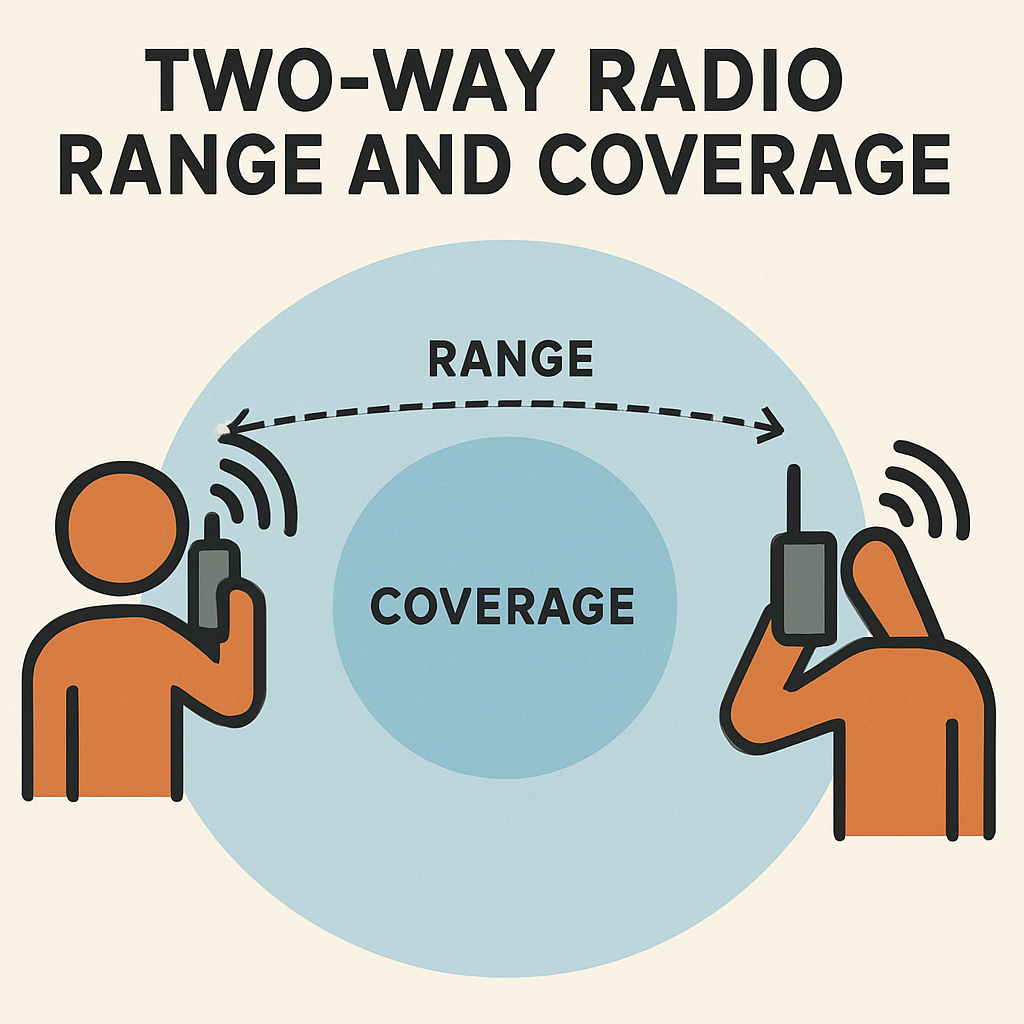
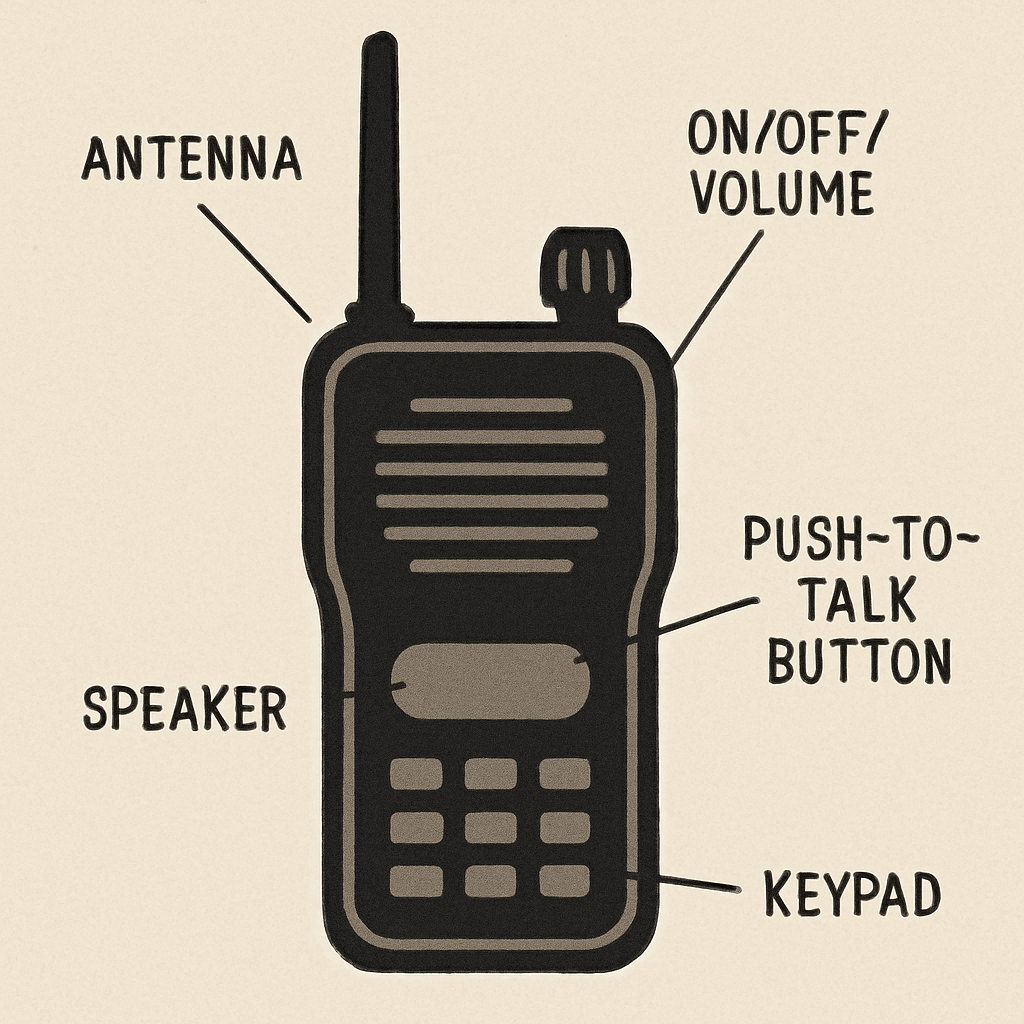
Walkie talkies have evolved far beyond their original use as tools primarily for emergency responders or outdoor enthusiasts. Today, they are invaluable in a diverse array of settings, ranging from casual camping trips to large-scale events, and even certain work environments where efficient communication is paramount. Selecting the right long range walkie talkie can significantly enhance communication efficiency and effectiveness. This comprehensive guide will walk you through the essential factors to consider when choosing the best walkie talkies for your needs. Before delving into specific features, it’s crucial to understand the fundamental aspects of walkie talkies. These devices, also known as portable radios, are handheld, two-way radios that facilitate communication over designated frequencies. They are ideal for scenarios that require quick, reliable communication without relying on cell phone networks. The Evolution of Walkie Talkies Walkie talkies have come a long way since their inception. Initially developed for military purposes during World War II, they have undergone significant technological advancements. Modern walkie talkies are compact, user-friendly, and equipped with features that cater to various needs. Understanding their history helps appreciate the sophistication of contemporary models. How Walkie Talkies Work At their core, walkie talkies operate on a simple principle: transmitting and receiving radio signals. They use a push-to-talk button to switch between sending and receiving modes. When you press the button, your voice is converted into radio waves, which are transmitted to the receiving device. This basic mechanism underlies all walkie talkie communications, regardless of model or brand. Advantages Over Cell Phones While cell phones dominate personal communication, walkie talkies offer distinct advantages. They provide instant communication without the need for dialing, making them ideal for time-sensitive scenarios. Additionally, they are not reliant on cellular networks, ensuring functionality even in remote areas or during network outages. This reliability makes them indispensable in certain environments. Frequency Bands Walkie talkies operate on two main frequency bands: Family Radio Service (FRS) and General Mobile Radio Service (GMRS). FRS is generally suited for short-range communication, making it ideal for casual use, such as family outings or neighborhood events. On the other hand, GMRS can cover longer distances, which is beneficial for more demanding applications like outdoor adventures or professional use. However, using GMRS frequencies requires a license from the Federal Communications Commission (FCC), emphasizing the need to understand regulatory requirements. Range The range of a walkie talkie, or how far you can be from the other radio and still communicate effectively, is influenced by multiple factors. Terrain, weather conditions, and obstructions such as buildings or trees can significantly impact performance. Manufacturers often state the maximum range under ideal conditions, but real-world usage usually results in shorter ranges. Being aware of these variables helps set realistic expectations for device performance. Key Features to Consider When selecting long range walkie talkies, several key features should guide your decision-making process. These features determine not only the functionality but also the overall user experience of the device. Range and Power For long-range communication, prioritize walkie talkies with higher power output and the ability to use GMRS frequencies. Higher wattage typically translates to greater communication range, making it essential for activities that require extended reach. However, it’s important to remember that environmental factors, such as dense forests or urban landscapes, will still affect performance, so consider the typical environments in which you’ll be using the devices. Battery Life Battery life is a critical consideration, especially if you plan to use the walkie talkies frequently or for extended periods. Look for models with long-lasting rechargeable batteries to minimize disruptions. Some devices come equipped with battery-saving features, such as automatic power-saving modes or low-battery alerts, which can further extend usage time and enhance convenience. Durability If you intend to use walkie talkies outdoors or in rugged environments, choose models with robust construction. Features like waterproofing, dustproofing, and shock resistance ensure the devices can withstand harsh conditions, increasing their longevity and reliability. Additionally, consider models with durable casings that can endure drops or impacts without compromising functionality.…