Choosing the right long range radios can be a game-changer, whether you’re coordinating a hiking trip, managing a large event, or ensuring smooth operations on a construction site. With a variety of options on the market, understanding what makes a two-way radio suitable for long-range communication is crucial. This guide will walk you through the essential factors to consider when selecting long range two-way radios.
Understanding Long Range Two-Way Radios
Long range two-way radios are portable devices that allow users to communicate over vast distances. Unlike mobile phones, they don’t rely on cellular networks, making them ideal for remote locations where cell service might be unreliable. These radios use radio waves to transmit and receive messages, enabling clear communication in various environments.
Why Choose Two-Way Radios?
Two-way radios offer several advantages over other communication tools:
- Reliability: They work well in areas with poor cellular coverage.
- Cost-Effectiveness: After the initial purchase, there are no recurring service fees.
- Durability: Many models are designed to withstand harsh conditions.
Key Features to Consider
When choosing long range radios, certain features can significantly impact their performance and suitability for your needs.
Range
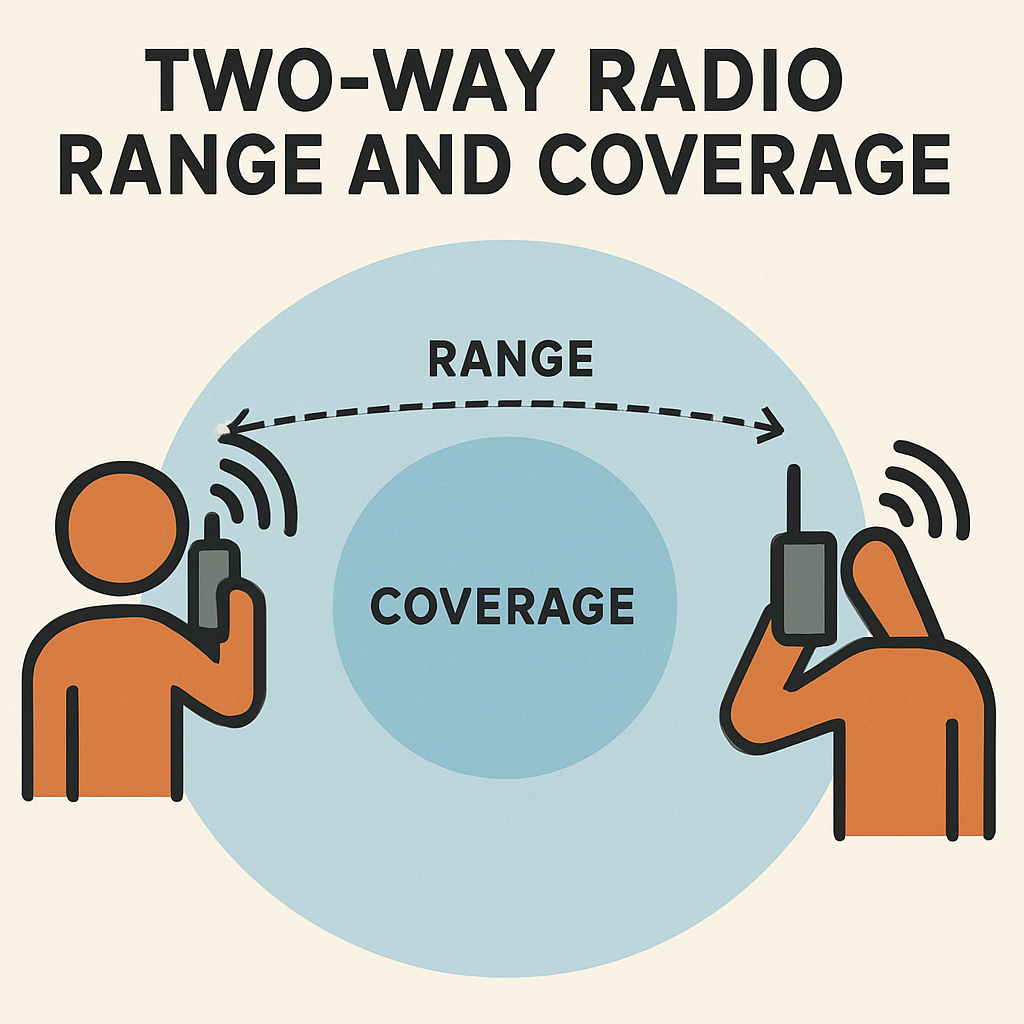
The range is a critical factor. Manufacturers often state maximum range under ideal conditions, such as open areas without obstructions. Real-world conditions like buildings, trees, and hills can reduce this range. Consider the environment where you’ll be using the radios to ensure you choose a model that meets your needs.
Frequency Bands
Two-way radios typically operate on two frequency bands: Very High Frequency (VHF) and Ultra High Frequency (UHF).
- VHF Radios: Best suited for outdoor use in open areas. They have a longer wavelength, which allows them to travel further distances.
- UHF Radios: Better for indoor use or in urban settings with many obstructions. They have a shorter wavelength, which helps penetrate walls and dense materials.
Power Output
The power output of a radio is another factor that affects range. Higher wattage can mean better range, but it also uses more battery power. Most consumer-grade radios operate between 1-5 watts. Consider your power needs based on how and where you plan to use the radios.
Battery Life
Battery life is essential, especially if you’ll be using the radios for extended periods without access to charging facilities. Look for models with long-lasting batteries or options for spare batteries. Some radios offer rechargeable batteries, while others use standard AA or AAA batteries.
Channels and Privacy Codes
Having multiple channels and privacy codes can prevent interference from other radio users in the area. Privacy codes do not provide encryption but help reduce interruptions by allowing you to filter out unwanted transmissions on the same channel.
Durability and Weather Resistance
Durability is important if you’ll be using the radios in rugged environments. Look for models with a strong build and those that are weather-resistant or waterproof. Check for an IP rating, which indicates the level of protection against dust and moisture.
Additional Features
Some radios come with additional features that can enhance usability:
- Hands-Free Operation: VOX (voice-operated exchange) allows for hands-free use.
- Built-in Flashlight: Handy for nighttime use or emergencies.
- Emergency Alert: Some radios have an SOS feature that sends out a distress signal.
Popular Long Range Radio Models
Here are a few popular models that are well-regarded for their long-range capabilities:
Motorola T600 H2O
This model is waterproof and floats, making it ideal for water-based activities. It offers a range of up to 35 miles in open conditions and has 22 channels with 121 privacy codes.
Midland GXT1000VP4
This radio boasts a 36-mile range and includes features like NOAA weather alerts and an SOS siren. It operates on both VHF and UHF frequencies and comes with rechargeable battery packs.
Cobra ACXT645
With a rugged design and up to 35-mile range, this radio offers NOAA weather alerts, VOX for hands-free operation, and a built-in LED flashlight.
Making Your Decision
Choosing the right long range two-way radio involves balancing features with your specific needs. Consider where and how you’ll be using the radios, and weigh the importance of each feature. Whether you need maximum range, durability, or additional functionalities, there’s a model out there for you.
Conclusion
Long range two-way radios are invaluable tools for reliable communication in various settings. By understanding the key features and considering your specific requirements, you can choose the best radios to meet your needs. Whether for professional use or recreational activities, the right radio will ensure you stay connected when it matters most.