In today’s world, staying connected is more important than ever. Whether you’re coordinating a large event, embarking on a wilderness adventure, or managing a team across a sprawling construction site, reliable communication is crucial. That’s where long distance two way radios come into play.
These devices are invaluable tools that offer instant connectivity without relying on cell towers or internet signals. Let’s explore the various options available and how to choose the best two way radio for your needs.
Understanding Two Way Radios
Two way radios, commonly known as walkie-talkies, allow users to communicate over specific radio frequencies. Unlike cell phones, they don’t incur monthly charges and can function in remote areas without cell coverage. They’re particularly useful in situations where quick, direct communication is essential.
How Do They Work?
Two way radios operate on a “push-to-talk” system. When you press the button, your voice is transmitted over radio waves to other radios tuned to the same frequency. This simplicity makes them easy to use and highly effective for instant communication.
Key Features of Long Distance Two Way Radios
When selecting a long distance two way radio, there are several key features to consider. Understanding these will help you make an informed decision.
Range and Frequency
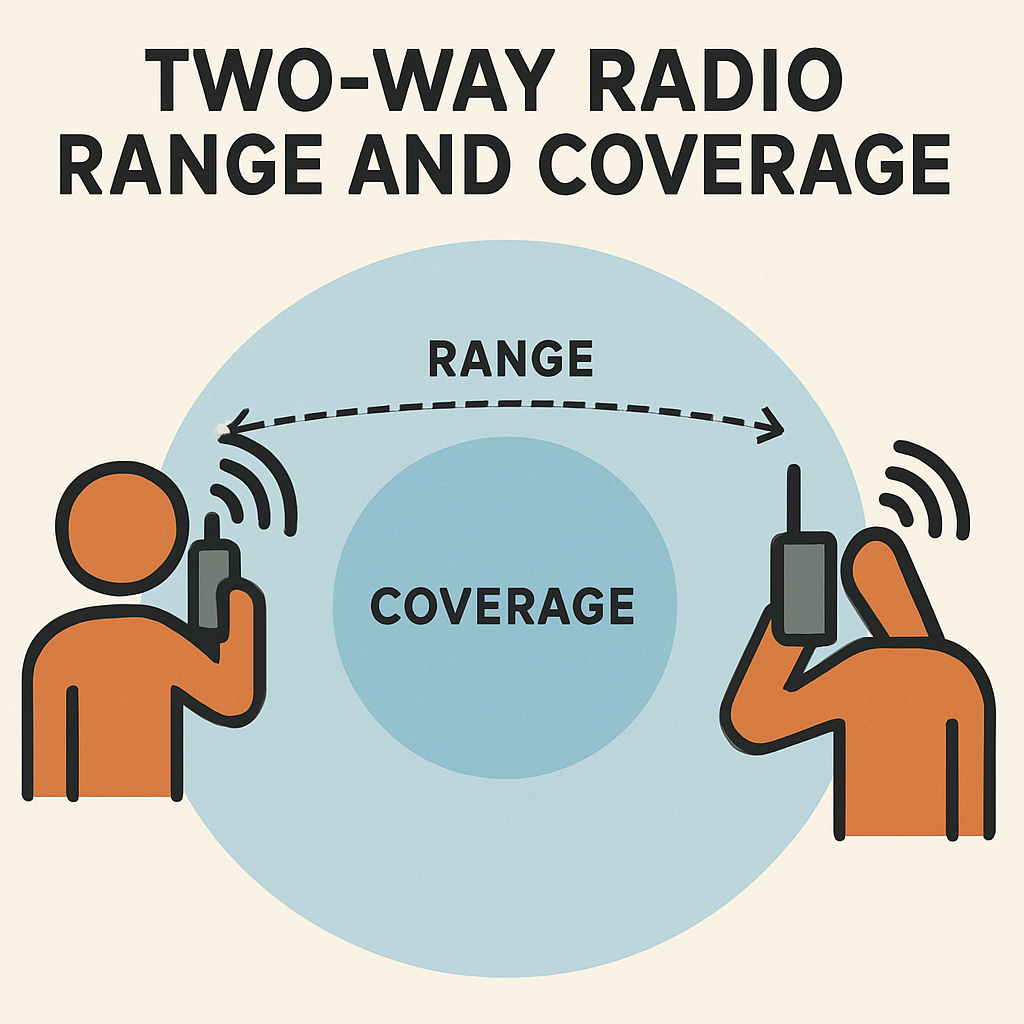
The range of a two way radio is one of its most critical aspects. The range indicates how far the radio can communicate effectively. However, it’s important to note that the actual range can vary based on environmental factors such as terrain, buildings, and weather conditions.
Two way radios typically operate on either UHF (Ultra High Frequency) or VHF (Very High Frequency) bands. UHF radios are better suited for indoor or urban use because they can penetrate buildings and obstacles more effectively. VHF radios are ideal for outdoor use, where range is more important than penetration.
Power Output
The power output of a two way radio determines the strength of its signal. Generally, higher power radios can communicate over longer distances. However, they also consume more battery power. Balancing power output and battery life is crucial, especially for extended use.
Battery Life
Battery life is a significant consideration, especially in situations where recharging isn’t an option. Look for radios with long-lasting batteries or the option to use disposable ones. Some models also offer battery-saving features, such as automatic power-saving modes.
Durability and Weather Resistance
For outdoor or rough usage, durability is essential. Many long distance two way radios are built to withstand harsh conditions, including rain, dust, and impacts. Look for radios with a robust build and an IP rating that indicates resistance to water and dust.
Popular Long Distance Two Way Radio Models
To help you find the right radio, let’s look at some popular models that are known for their long distance communication capabilities.
Motorola T600 H2O
The Motorola T600 H2O is a rugged, waterproof radio designed for outdoor adventures. It offers a range of up to 35 miles in optimal conditions and features a built-in flashlight and emergency alert button. This model is perfect for hiking, camping, or boating.
Midland GXT1000VP4
The Midland GXT1000VP4 is a versatile radio with a range of up to 36 miles. It features 50 channels and NOAA weather alerts, making it ideal for emergency preparedness. The radio is also water-resistant and includes hands-free operation, a valuable feature for active users.
Uniden SX507-2CKHS
The Uniden SX507-2CKHS boasts an impressive range of up to 50 miles. It’s designed for extreme conditions and includes weather alerts, emergency strobe lights, and 22 channels with privacy codes. This model is well-suited for both outdoor enthusiasts and professionals who require reliable communication.
Choosing the Right Two Way Radio for Your Needs
When selecting a long distance two way radio, consider the following factors to ensure you choose the best option for your specific needs.
Intended Use
Think about where and how you will use the radio. For outdoor adventures, prioritize models with long range and weather resistance. For indoor or urban use, consider radios with better obstacle penetration.
Budget
Two way radios come in a range of prices. While high-end models offer advanced features, there are plenty of affordable options that provide excellent performance. Determine your budget and find a radio that offers the best value within your price range.
Licensing Requirements
Some two way radios require a license from the Federal Communications Commission (FCC) to operate legally. Be sure to check the licensing requirements for the radio you choose to ensure compliance.
Conclusion
Long distance two way radios are essential tools for maintaining communication in a variety of scenarios. By understanding the features, models, and factors to consider, you can select the right radio to meet your needs. Whether you’re exploring the wilderness, managing a team, or preparing for emergencies, a reliable two way radio ensures you stay connected when it matters most.
In summary, consider your specific requirements, weigh the features that matter most, and choose a model that aligns with your budget and usage. With the right long distance two way radio, you’ll have a dependable communication tool at your fingertips.