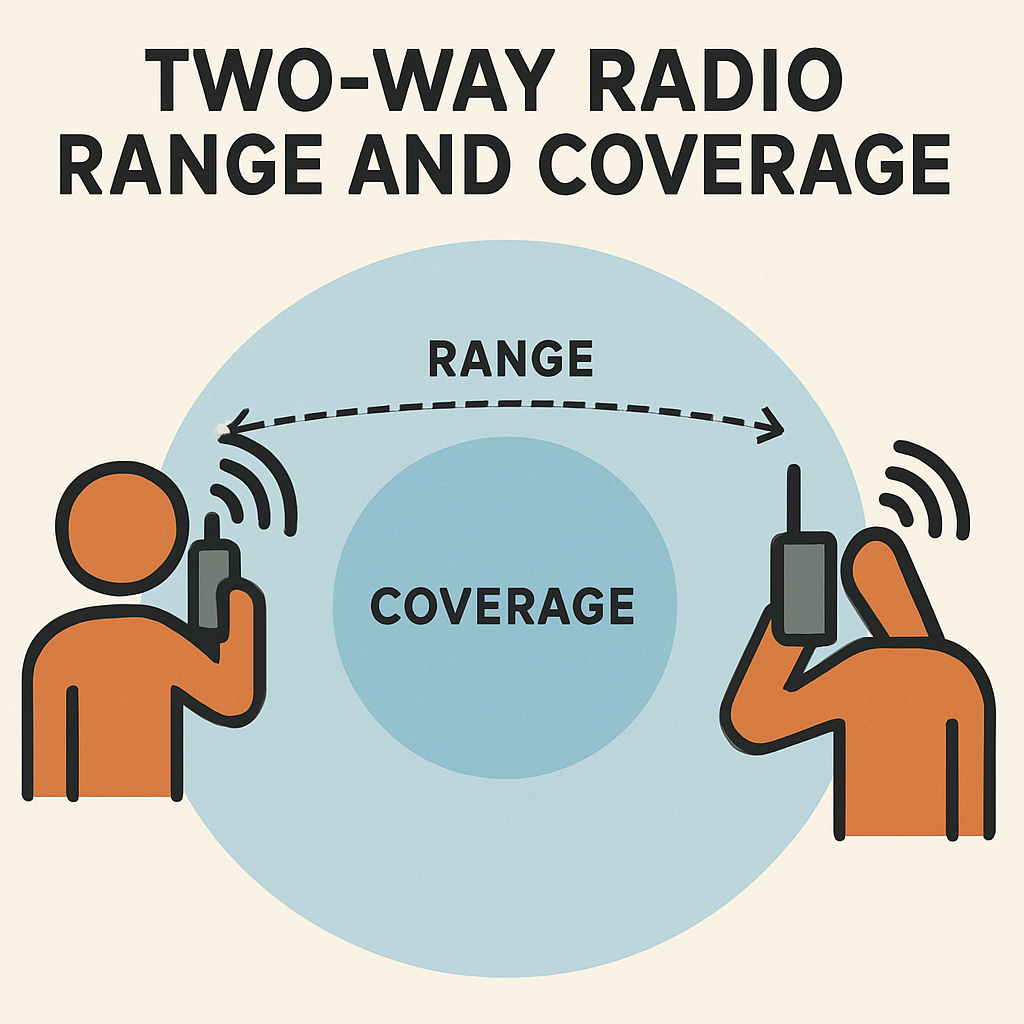
When it comes to two way radios, choosing the right frequency is crucial. The frequency you select can impact the range, clarity, and legality of your communications. Whether you’re a business owner, outdoor enthusiast, or ham radio hobbyist, understanding the basics of radio frequencies can help you make informed decisions. In this guide, we’ll explore the essentials of two way radio frequencies and help you choose the right one for your needs.
Understanding Two Way Radio Frequencies
Radio frequencies are the specific wavelengths at which radios transmit and receive signals. These frequencies are measured in hertz (Hz), with one hertz equating to one cycle per second. For two way radios, frequencies are usually expressed in megahertz (MHz) or gigahertz (GHz). The Federal Communications Commission (FCC) in the United States regulates these frequencies to prevent interference and allocate bandwidth efficiently.
Types of Radio Frequency Bands
Radio frequencies are divided into different bands, each with its unique characteristics and uses. Let’s take a closer look at some of the most common frequency bands used for two way radios:
Very High Frequency (VHF)
VHF ranges from 30 MHz to 300 MHz. These frequencies are suitable for long-distance communication in open areas. VHF signals can travel far but struggle to penetrate obstacles like buildings and dense forests, making them ideal for rural settings or outdoor activities.
Ultra High Frequency (UHF)
UHF frequencies span from 300 MHz to 3 GHz. UHF signals are better at penetrating obstacles, making them more effective in urban environments or indoors. However, their range in open areas is shorter compared to VHF. UHF is commonly used in business communications, public safety, and professional radio services.
Ham Radio Frequencies
Ham radios, also known as amateur radios, operate on designated frequency bands reserved for non-commercial use. These bands are scattered across the radio spectrum and allow hobbyists to experiment, communicate globally, and even assist in emergencies. To use ham radio frequencies, you’ll need an amateur radio license from the FCC.
Factors to Consider When Choosing a Frequency
Selecting the right frequency depends on several factors, including your location, communication needs, and legal requirements. Here are some key considerations:
Range and Environment
The environment plays a significant role in determining the range of your radio signals. If you’re in an open, rural area, VHF might be your best bet due to its long-range capabilities. On the other hand, if you’re in a city with many buildings, UHF could offer better coverage.
Legal Considerations
It’s essential to comply with FCC regulations when choosing your frequency. Some frequencies require licenses, while others are open for public use. For instance, the Family Radio Service (FRS) and General Mobile Radio Service (GMRS) frequencies are popular for personal use and have different licensing requirements.
Purpose of Use
Consider how you’ll be using your two way radio. Are you coordinating a team event, participating in outdoor activities, or engaging in amateur radio experiments? Your purpose will influence the type of radio and frequency band you need.
Steps to Choosing the Right Frequency
Now that you understand the basics of radio frequencies, let’s walk through the steps to select the right one for your needs.
Step 1: Identify Your Communication Needs
Determine the primary purpose of your radio communications. Are you looking for short-range communication, or do you need to reach someone miles away? Understanding your needs will help narrow down your options.
Step 2: Consider Your Location
Assess the environment in which you’ll be using the radios. Urban areas with dense buildings may require UHF frequencies, while open fields or rural landscapes might benefit from VHF.
Step 3: Check Licensing Requirements
Research the licensing requirements for the frequency bands you’re considering. Some frequencies, like those used by ham radios, require a license, while others, such as FRS, are license-free but have power limitations.
Step 4: Evaluate Radio Models
Once you’ve identified the right frequency band, explore radio models that operate on those frequencies. Look for features like battery life, durability, and ease of use. Consider purchasing radios that are compatible with multiple frequencies for flexibility.
Conclusion
Choosing the right two way radio frequency is an important decision that can affect the success of your communications. By understanding the different frequency bands, considering your environment, and adhering to legal requirements, you can find the best option for your needs. Whether you’re a business owner coordinating a team, an outdoor enthusiast exploring nature, or a ham radio hobbyist, the right frequency will enhance your communication experience.
Remember, the key is to match the frequency with your specific requirements, ensuring clear and reliable communication every time you use your radio.