Cycling is an exhilarating way to enjoy the outdoors, stay fit, and explore new places. However, whether you’re cycling with friends or family, communication is key to ensuring a safe and enjoyable ride. Enter the bicycle walkie talkie—a handy device that keeps you connected with your fellow cyclists without the need for shouting or stopping. In this article, we’ll delve into the benefits of bicycle walkie talkies, safety tips, and effective communication strategies for your cycling adventures.
Why Use Bicycle Walkie Talkies?
Bicycle walkie talkies, also known as cycling walkie talkies or bicycle radios, are compact communication devices that allow cyclists to communicate over short distances. They are especially useful for group rides, providing several benefits:
- Safety: Stay connected with your group, ensuring everyone is on the right path and aware of any hazards.
- Convenience: Hands-free communication allows you to focus on the ride without needing to stop or shout.
- Fun: Share experiences and coordinate stops or activities without breaking the flow of the ride.
Choosing the Right Bicycle Walkie Talkie
Before you hit the road, it’s important to choose a bicycle walkie talkie that fits your needs. Here are some factors to consider:
Range
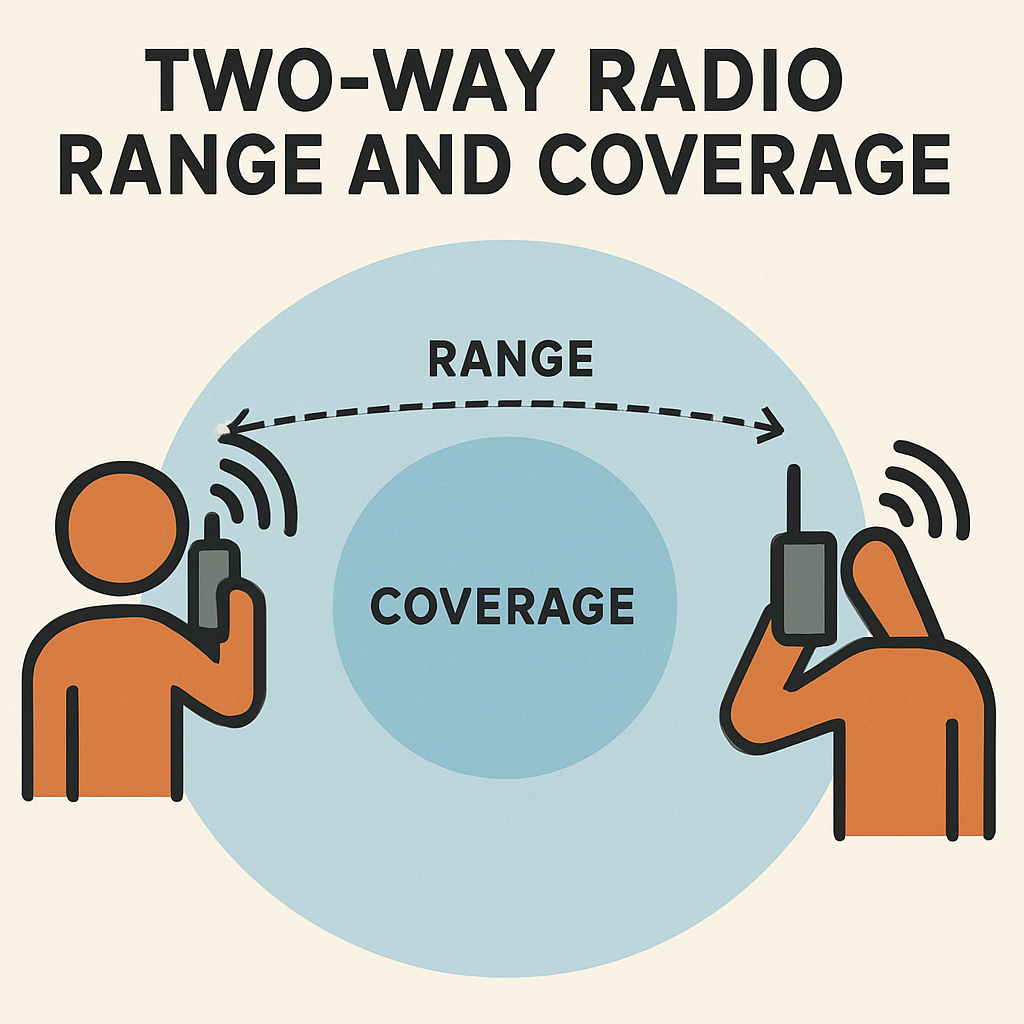
The range of a walkie talkie is crucial, especially if you’re cycling in areas with obstacles like buildings or dense forests. Most bicycle walkie talkies offer a range of 2 to 5 miles. Consider the typical distance between you and your fellow riders when selecting a device.
Battery Life
Long rides require reliable battery life. Look for walkie talkies with rechargeable batteries that last for several hours. Some models offer USB charging, which can be convenient if you’re on a multi-day ride.
Durability
Cycling can be tough on equipment, so choose a walkie talkie that is water-resistant and built to withstand bumps and drops. This is especially important if you’re planning to cycle in varied weather conditions.
Hands-Free Operation
For safety and convenience, opt for models that offer hands-free operation through voice activation or an earpiece with a microphone. This allows you to communicate without taking your hands off the handlebars.
Safety Tips for Using Bicycle Walkie Talkies
While bicycle walkie talkies enhance safety, improper use can lead to distractions. Here are some tips to use them safely:
- Practice Before Riding: Familiarize yourself with the walkie talkie’s functions before setting off. This minimizes the need to fiddle with controls during the ride.
- Keep Messages Short: Communicate clearly and concisely. Long messages can be distracting and may lead to misunderstanding.
- Position the Device Properly: Attach your walkie talkie securely to your bike or body. Ensure the microphone is positioned close enough to pick up your voice clearly, even in windy conditions.
- Use Headsets Wisely: If using a headset, keep one ear free to stay aware of your surroundings and hear potential hazards like approaching vehicles.
- Establish Communication Protocols: Agree on basic phrases and protocols with your group before starting the ride. This ensures everyone understands the communication style and reduces confusion.
Communication Strategies for Group Rides
Effective communication is crucial for a smooth and enjoyable ride. Here are some strategies to consider:
Pre-Ride Briefing
Before starting your ride, gather your group for a quick briefing. Discuss the route, planned stops, and any potential hazards. Establish a leader or navigator who will guide the ride and communicate important information through the walkie talkies.
Use Clear Language
When using bicycle walkie talkies, clarity is key. Avoid jargon or complex instructions. Use simple, direct language to convey your message. For example, instead of saying “Let’s go left at the big tree,” you might say “Left turn at the next intersection.”
Call Out Hazards
Keep your group informed of any hazards on the route. This includes potholes, debris, or approaching vehicles. Use short, descriptive messages like “Pothole on the right” or “Car approaching from behind.”
Regular Check-Ins
Schedule regular check-ins, especially on long rides. This ensures everyone is accounted for and helps you address any issues or changes in plans promptly.
Maintaining Your Bicycle Walkie Talkie
To ensure your bicycle walkie talkies remain reliable, regular maintenance is essential:
- Clean Regularly: After each ride, wipe down your walkie talkie to remove dirt and moisture. This prevents buildup that can interfere with performance.
- Check Battery Levels: Always start with a full charge. Check battery levels before each ride and carry a spare battery or portable charger if necessary.
- Inspect for Damage: Regularly inspect your walkie talkie for signs of wear or damage. Replace any broken components immediately to maintain functionality.
- Store Properly: When not in use, store your walkie talkie in a dry, cool place. Avoid leaving it in direct sunlight or extreme temperatures, which can damage the device.
Conclusion
Bicycle walkie talkies are a valuable tool for enhancing safety and communication during your cycling adventures. By choosing the right device, following safety tips, and employing effective communication strategies, you can ensure a safe and enjoyable ride for everyone in your group. So gear up, stay connected, and enjoy the ride!