In the fast-paced world of warehouse management, effective communication is crucial. Warehouse communication systems play a vital role in ensuring smooth operations. Two popular tools for this purpose are walkie talkies and mobile phones. Each has its own set of advantages and drawbacks. Choosing the right tool can significantly impact efficiency and productivity.
Walkie talkies are known for their reliability and simplicity. They offer instant communication with a push-to-talk feature. On the other hand, mobile phones provide advanced features like internet access and apps. These can be beneficial for integrating with warehouse systems.
This article will explore the pros and cons of both tools. We aim to help you decide which is best for your warehouse operations.
The Importance of Effective Communication in Warehouse Systems
Effective communication is a cornerstone of efficient warehouse operations. It ensures that staff can easily coordinate and execute tasks. Poor communication can lead to mistakes, delayed orders, and wasted resources.
In busy warehouses, messages need to be clear and quick. Team members must understand their roles and responsibilities. Instant communication reduces errors and improves workflow efficiency.
Key reasons why communication is essential include:
- Facilitates teamwork and cooperation.
- Enhances safety by swiftly addressing hazards.
- Improves inventory control and accuracy.
By leveraging effective communication tools, warehouses can maintain high performance. This is crucial in meeting customer demands and maximizing productivity.
Walkie Talkies in Warehouse Communication Systems
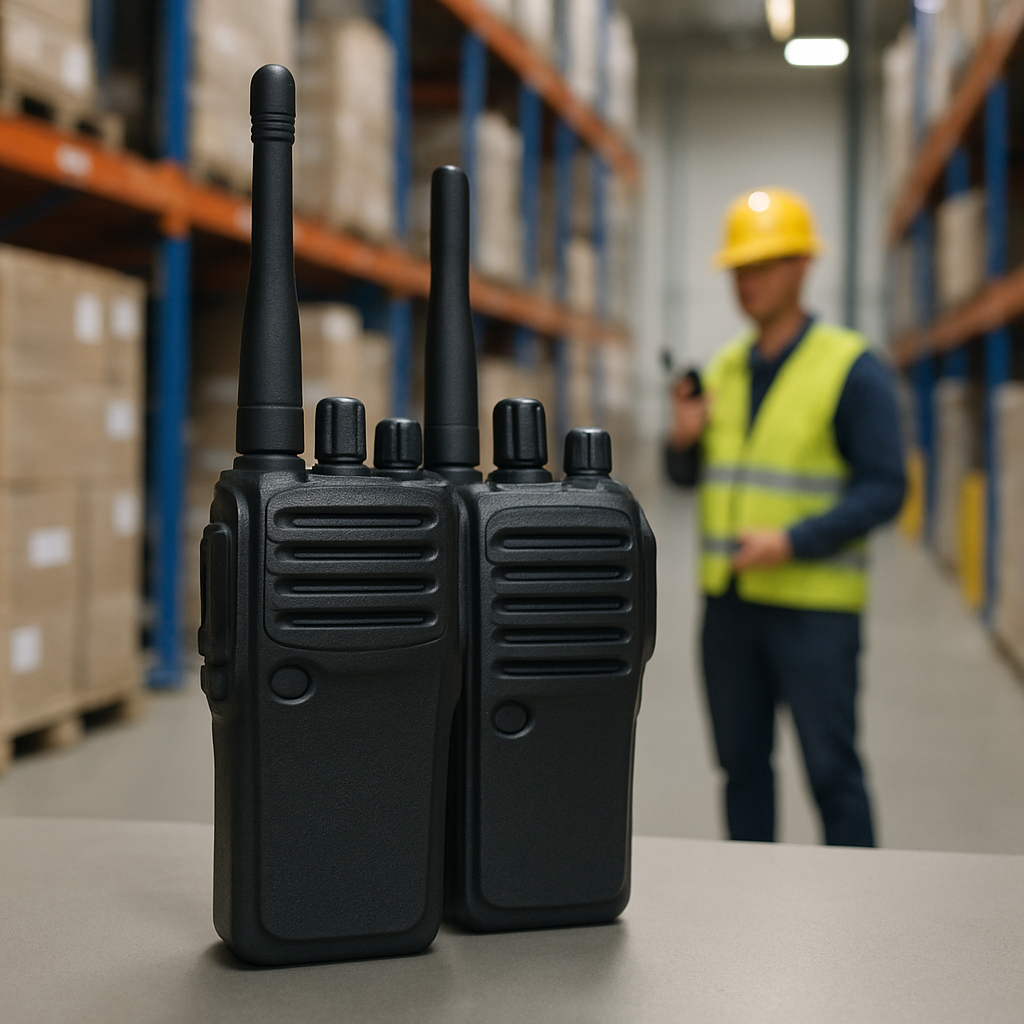
Walkie talkies have been a staple in warehouse systems for decades. Their simplicity and reliability make them a trusted choice. Built to withstand tough environments, they are durable and dependable.
These devices operate using radio frequencies. This makes them especially useful in large warehouses where network coverage may falter. Their push-to-talk feature allows for immediate communication with zero delay.
Warehouse employees benefit from the straightforward operation of walkie talkies. Minimal training is required, which helps integrate new staff quickly. The low cost compared to mobile phones makes them an economical choice for large teams.
Key advantages of walkie talkies include:
- Fast, direct communication.
- Long battery life.
- Resistant to network issues.
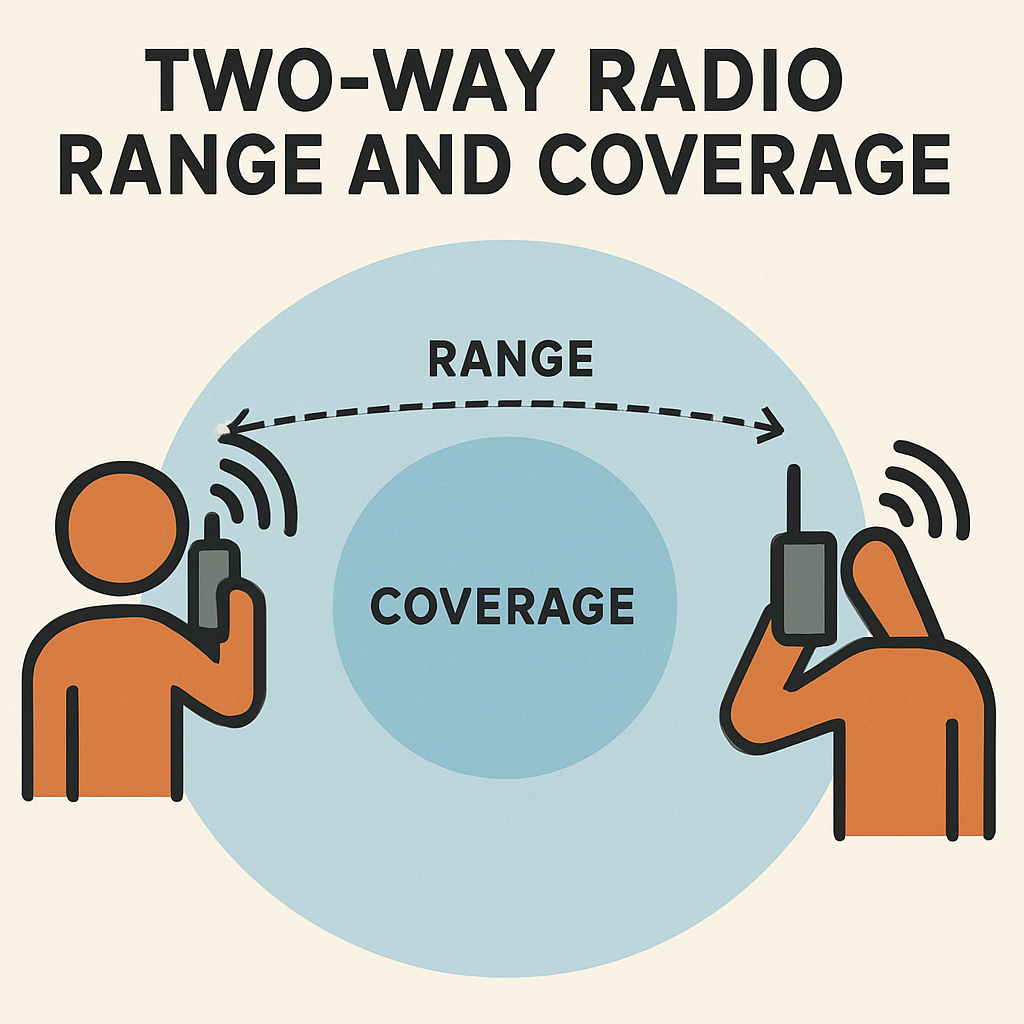
Despite their many benefits, walkie talkies have limitations. They usually offer a smaller range than mobile phones and lack smart features like apps and internet access. Nonetheless, their focus on reliable communication makes them invaluable.
Mobile Phones for Warehouse Management and Communication
Mobile phones are becoming integral in warehouse systems. They offer extensive features beyond basic communication. Employees enjoy access to apps, internet, and cloud-based tools.
The integration with warehouse management systems is seamless. Real-time data enables quick decision-making, vital for efficient operations. Features like GPS and cameras enhance daily tasks.
However, mobile phones come with challenges. They require network connectivity, which can be inconsistent in some warehouse areas. Regular updates and maintenance are also necessary.
Their cost can be a factor, especially with data plans. But the functionality they provide often justifies the expense. The ability to communicate externally with suppliers and customers adds value.
Key benefits of mobile phones include:
- Access to advanced features and apps.
- Integration with digital tools for productivity.
- Multi-tasking capabilities.
Despite their potential as distractions, mobile phones offer unmatched versatility. They are an investment in streamlined operations and enhanced communication.
Walkie Talkie vs Mobile Phone: Key Comparison Factors
Choosing between walkie talkies and mobile phones depends on various factors. Each tool offers unique benefits suited to different warehouse needs. Considering these factors helps in making an informed decision.
Reliability and Durability:
- Walkie talkies are known for durability. They handle harsh conditions without issues.
- Mobile phones, though versatile, might be less rugged against drops and impacts.
Communication Features:
- Walkie talkies offer instant communication, ideal for fast-paced settings. The push-to-talk feature is unmatched.
- Mobile phones provide advanced communication like video calls and messaging apps.
Cost Considerations:
- Walkie talkies are cost-effective, with no data plans required.
- Mobile phones can be expensive due to device and data costs.
Battery Life:
- Walkie talkies generally have long battery life, perfect for long shifts.
- Mobile phones need more frequent charging, which can interrupt work.
Network and Range:
- Walkie talkies operate independently of cellular networks, reliable in remote areas.
- Mobile phones provide greater range but rely on network connectivity.
The decision ultimately lies in balancing these factors against specific warehouse requirements.

by Craftsman Concrete Floors (https://unsplash.com/@craftsmanconcrete_official)
Pros and Cons: Walkie Talkies in Warehouse Operations
Walkie talkies are traditional yet effective communication tools in warehouses. Their simplicity and reliability make them a staple in many operations.
Pros:
- Robust and long-lasting, ideal for tough environments.
- Instant, direct communication for quick coordination.
- Cost-effective for large teams, no individual plans needed.
However, walkie talkies aren’t without limitations. Their range is typically limited.
Cons:
- Limited range might restrict communication in vast spaces.
- Fewer features compared to modern digital devices.
- Basic functionality may not meet complex communication needs.
Overall, walkie talkies excel in simplicity and reliability, but may lack modern versatility.
Pros and Cons: Mobile Phones in Warehouse Operations
Mobile phones offer a wide range of features beneficial for warehouse operations. Their versatility provides many possibilities for integration and multitasking.
Pros:
- Enhanced communication with video calls and messaging.
- Ability to use apps for warehouse management systems.
- Useful for multitasking, like accessing inventory data.
Yet, mobile phones have their drawbacks, especially in a warehouse setting.
Cons:
- Higher costs due to data plans and device expenses.
- They can become a distraction with non-work apps.
- Susceptible to network issues in poor reception zones.
Ultimately, mobile phones are powerful but may introduce distractions in some environments.
Which Communication Tool is Best for Your Warehouse?
Choosing the right communication tool for your warehouse depends on your specific needs. Consider factors such as team size, budget, and the type of tasks your workforce handles.
Key considerations:
- Cost: Factor in both upfront and ongoing expenses.
- Simplicity: Decide on the level of training needed.
- Durability: Ensure devices withstand warehouse conditions.
Both walkie talkies and mobile phones offer unique benefits. Balancing these factors will help in selecting the most effective solution. Focus on what aligns best with your operational goals and team dynamics.
Conclusion: Choosing the Right Warehouse Communication System
Selecting an effective warehouse communication system is crucial for seamless operations. Both walkie talkies and mobile phones have distinct benefits and drawbacks.
Walkie talkies shine in simplicity and reliability, often at a lower cost. They are ideal for team collaboration in fast-paced environments where immediate response is critical.
On the other hand, mobile phones offer versatility and advanced features. They integrate well with modern warehouse management systems, providing enhanced connectivity. Decide based on your warehouse’s unique requirements and the nature of tasks being handled. The right choice can significantly enhance productivity and coordination in your operations.