In the fast-paced world of hospitality, efficient communication is key. Hotels rely on seamless coordination to deliver exceptional guest experiences.
Two-way radios have become indispensable tools in this environment. They offer instant communication, bridging gaps between departments.
Unlike mobile phones, hotel walkie talkies provide reliable service even in areas with poor reception. This ensures staff can communicate without interruption.
Two-way radios for hotels are cost-effective and durable, designed to withstand the demanding hotel environment. They enhance staff productivity and efficiency.
By integrating these devices, hotels can improve operations and guest satisfaction. Discover how two-way radios can transform your hotel’s communication strategy.
The Importance of Efficient Communication in Hotels
Efficient communication is vital in any hotel, impacting both operations and guest satisfaction. A well-coordinated team responds faster to guest needs, creating positive experiences.
Miscommunication can lead to delays and errors, affecting the hotel’s reputation. Hotels must ensure all staff members are in sync with each other’s tasks and roles.
Implementing clear communication systems helps minimize misunderstandings. Here’s why efficient communication matters:
- Enhances guest satisfaction by ensuring timely responses
- Reduces operational errors and misunderstandings
- Increases staff productivity and coordination
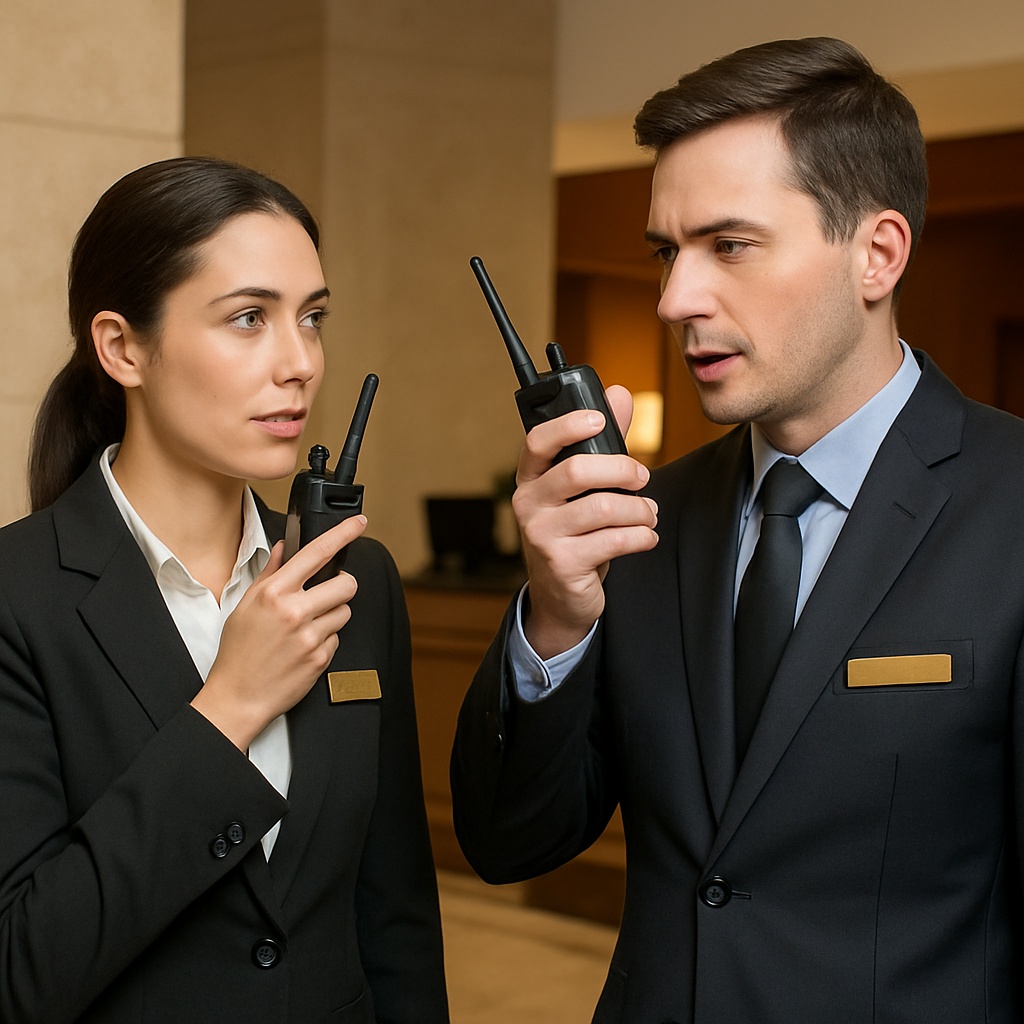
In today’s competitive market, excellent communication sets hotels apart. Investing in reliable communication tools like two-way radios can significantly elevate service quality.
Key Benefits of Two-Way Radios for Hotels
Two-way radios offer numerous advantages for hotel operations. They enable rapid, direct communication among staff, reducing response times and enhancing guest experiences. This immediacy is crucial in the fast-paced hospitality industry.
Moreover, two-way radios are cost-effective compared to mobile phones. They require no recurring charges and function well without cellular service. This makes them a practical choice for hotel environments.
Two-way radios are built for durability. They withstand drops, impacts, and other challenges common in hotels. This durability ensures long-term use, reducing the need for frequent replacements.
Here are some key benefits of using two-way radios:
- Instant communication and reduced response times
- Lower costs compared to mobile phones
- Durability in demanding environments
- Reliable communication in poor reception areas
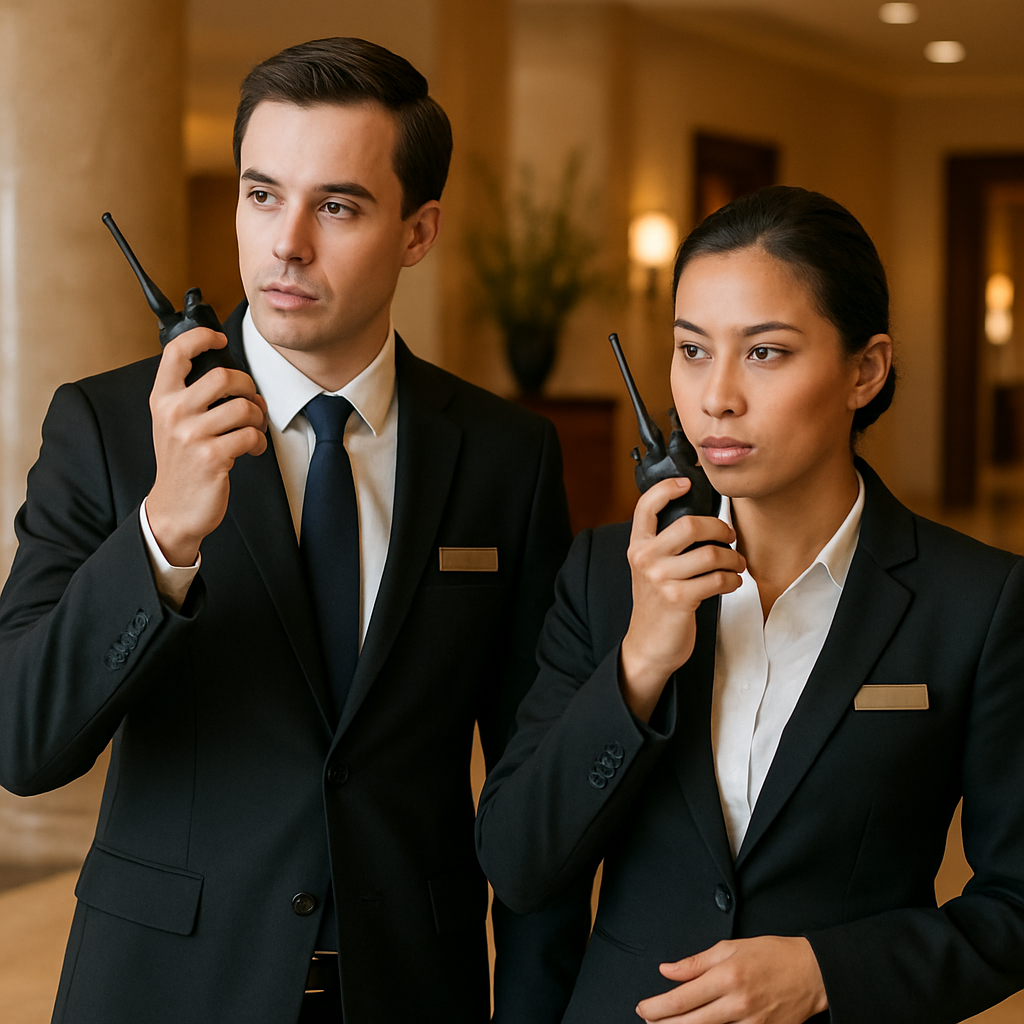
These radios also boast features like noise cancellation, ideal for noisy hotel settings. By enhancing communication efficiency, two-way radios ultimately contribute to better guest satisfaction and smoother operations.
How Two-Way Radios Enhance Staff Coordination and Productivity
Efficient staff coordination is critical in hotel operations. Two-way radios play a central role in streamlining communication between team members. Instant connectivity ensures tasks are communicated promptly, reducing delays.
This real-time communication allows staff to respond quickly to guest needs. Immediate responses lead to improved satisfaction and positive guest reviews. Staff members can address issues collaboratively, enhancing teamwork and support.
Two-way radios also facilitate cross-departmental coordination. Housekeeping, maintenance, and front desk staff can communicate seamlessly. This efficient collaboration enables hotels to operate smoothly and anticipate guests’ needs.
Here’s how two-way radios boost coordination and productivity:
- Real-time communication reduces response time.
- Encourages teamwork across departments.
- Enhances guest satisfaction with quicker responses.
- Supports seamless collaboration and problem-solving.
Ultimately, two-way radios empower staff to deliver exceptional guest experiences, making them a valuable tool in any hotel setting.
Departmental Use Cases: Real-World Applications
Two-way radios find diverse applications across different hotel departments. Each department leverages these devices for unique needs. For instance, housekeeping benefits immensely from real-time communication.
Housekeeping staff use radios to request supplies or report maintenance issues immediately. This swift communication prevents delays, ensuring rooms are guest-ready promptly. Maintenance teams, on the other hand, benefit from rapid issue reporting.
With two-way radios, maintenance staff can receive details of a repair as issues arise. This immediate notice enables quick action, minimizing disruptions. The front desk team also employs radios effectively.
Front desk staff can use radios for discreet communication with security or concierge. This ensures guest privacy and enhances overall service. Moreover, radios prove invaluable during large events or conferences.
Some specific use cases include:
- Housekeeping requests for immediate supply replenishment.
- Maintenance teams receiving urgent repair requests.
- Front desk discreetly coordinating guest services.
- Security managing crowd control at events.
- Concierge communicating special requests seamlessly.

by Remy Gieling (https://unsplash.com/@gieling)
These practical applications demonstrate how two-way radios elevate hotel operations across various departments, enhancing efficiency throughout.
Two-Way Radios vs. Other Communication Tools
In hotels, two-way radios outperform other communication devices in several ways. Mobile phones and pagers often suffer from poor signal reception within large hotel buildings. Two-way radios, in contrast, provide reliable communication without these constraints.
Moreover, they are cost-effective compared to mobile phones, which often incur ongoing subscription fees. Radios have no monthly costs. Their durability also makes them ideal for the demanding hospitality environment.
Here’s how two-way radios compare to other tools:
- Reliability: Consistent communication even in poor signal areas.
- Cost: No ongoing fees versus subscription charges for mobile phones.
- Durability: Built to withstand the hotel’s demands better than mobile devices.
Two-way radios offer a robust, efficient alternative, making them indispensable in enhancing hotel operations.
Choosing the Right Two-Way Radios for Your Hotel
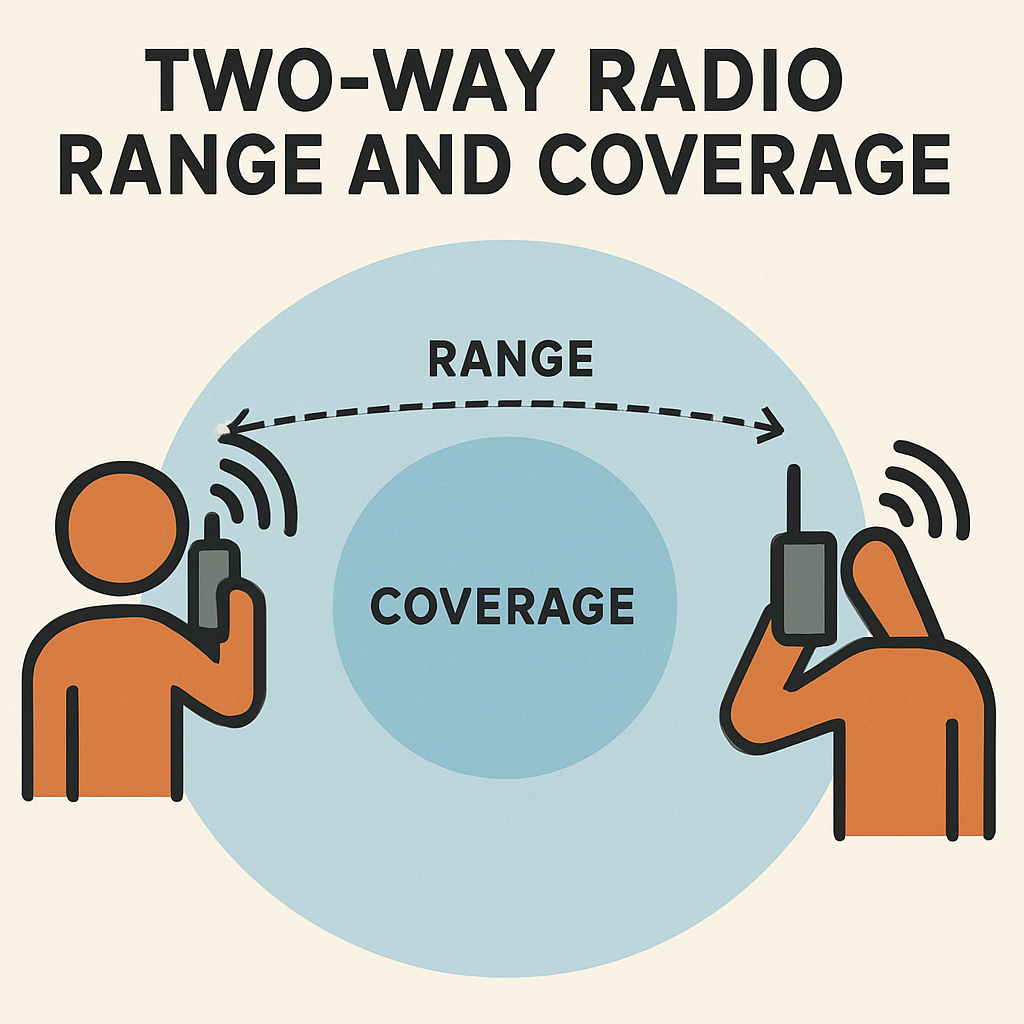
Selecting the right two-way radios for your hotel is crucial for achieving optimal communication. Consider factors such as range, durability, and battery life. These elements ensure the radios meet the unique needs of your hotel environment.
To find the best fit, also evaluate the size and layout of your hotel. Larger properties may require radios with extended range capabilities. Additionally, check for features like noise cancellation and group communication, which enhance usability and efficiency.
Here are some features to consider:
- Range: Sufficient for your hotel’s size.
- Durability: Withstands daily hotel activities.
- Battery Life: Long-lasting for shifts.

by Giorgio Trovato (https://unsplash.com/@giorgiotrovato)
Investing time in choosing the right two-way radios can significantly improve staff communication and efficiency. This decision is key to ensuring smooth hotel operations.
Best Practices for Implementing Two-Way Radios in Hotels
Successfully implementing two-way radios involves strategic planning. Begin with staff training to ensure everyone knows how to use the devices effectively. This minimizes errors and maximizes efficiency from day one.
Next, establish clear communication protocols. Define which channels are used by different departments. This organization prevents cross-talk and confusion, streamlining operations across the hotel.
Consider these implementation tips:
- Conduct regular training sessions.
- Assign specific channels to each department.
- Regularly maintain and check radios for any faults.
By following these practices, hotels can fully leverage two-way radios to enhance operational efficiency and staff productivity. A well-organized communication plan ensures smooth and seamless hotel functioning.
Conclusion: Elevating Hotel Operations with Two-Way Radios
Incorporating two-way radios in hotels transforms communication and operations. These devices ensure quick responses and seamless coordination, enhancing guest satisfaction. Staff members benefit from clear, direct contact, reducing delays and improving efficiency.
Moreover, two-way radios offer reliability where mobile signals falter. They are cost-effective, durable, and user-friendly, making them ideal for the bustling hotel environment. By choosing and implementing the right radios, hotels can elevate their operations significantly. The result is a smooth, organized workflow that boosts overall service quality and maintains a professional image.