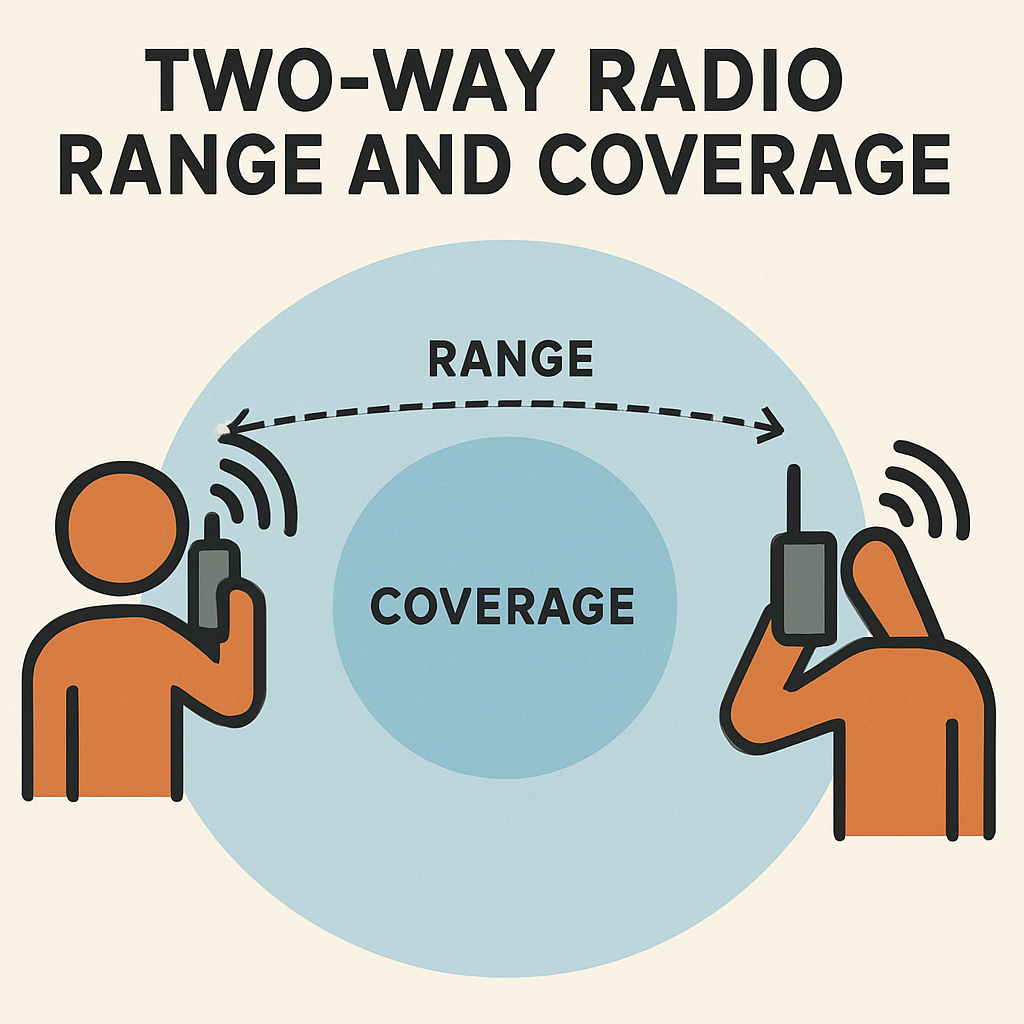
Walkie talkies, also known as handheld transceivers, have played a crucial role in communication technology. From their origins in military applications to their widespread use in various industries today, walkie talkies have a fascinating history. This timeline will explore the key moments in the invention and development of walkie talkies, shedding light on their evolution and enduring impact. As we delve into this timeline, we will uncover the technological advancements and innovative breakthroughs that have shaped these devices into indispensable tools in both professional and recreational settings.
The origins of walkie talkies can be traced back to the early experiments in wireless communication. Pioneers like Guglielmo Marconi and Nikola Tesla laid the groundwork with their groundbreaking work on radio waves. These innovators envisioned a world where communication could transcend physical boundaries, paving the way for a future where messages could be sent across vast distances without the need for wired connections.
In the late 19th century, Guglielmo Marconi successfully transmitted the first radio signals over a distance. His work in the early 1900s demonstrated the potential of wireless communication, setting the stage for future developments. Marconi’s experiments with long-distance radio transmission showcased the feasibility of using electromagnetic waves for communication, which would eventually lead to the development of more portable and versatile communication devices.
Nikola Tesla, another visionary inventor, contributed significantly to the development of radio technology. His experiments with wireless transmissions helped pave the way for more advanced communication devices. Tesla’s ideas about wireless power and communication highlighted the possibilities of using the Earth’s natural frequencies to transmit information, inspiring future generations of inventors to explore the potential of radio waves for practical communication purposes.
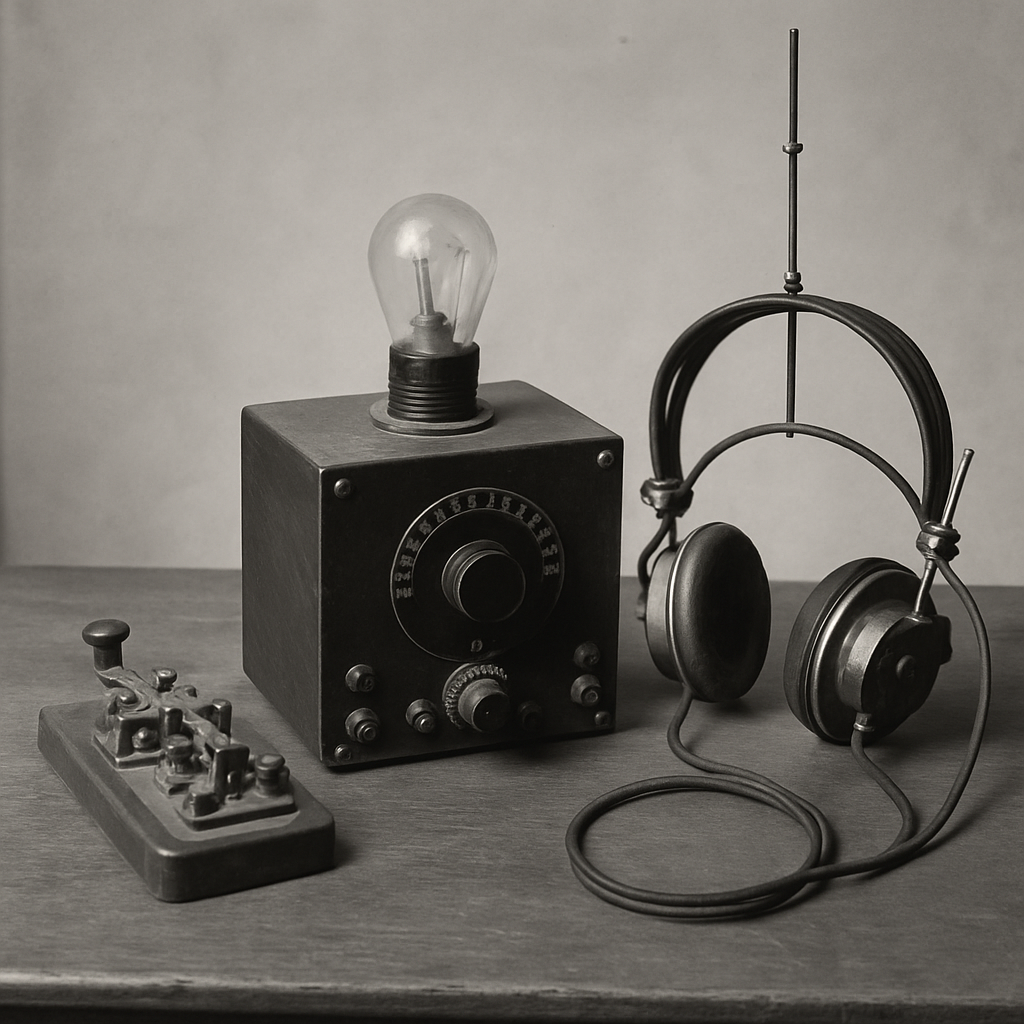
The 1930s marked a significant turning point in the history of communication devices. Engineers and inventors began exploring the concept of portable radios, leading to the creation of the first walkie talkie prototypes. This era was characterized by rapid technological advancements and a growing interest in making communication devices more accessible and user-friendly for military and civilian applications alike.
The Creation of the First Walkie Talkie
The first walkie talkie was developed in 1937 by Canadian inventor Donald L. Hings. Initially called a “packset,” this device was designed for military use, enabling soldiers to communicate wirelessly on the battlefield. The packset was a revolutionary concept, allowing for real-time, two-way communication in environments where traditional wired communication was impractical or impossible. This innovation set the stage for the development of more sophisticated and versatile communication tools in the years to come.
Military Applications and Advancements
The initial design of walkie talkies was refined during World War II. The U.S. military recognized the potential of these devices for field communication and invested in their development. The SCR-300, a backpack radio used by U.S. troops, became one of the first widely adopted models. This period saw significant improvements in the range, reliability, and portability of walkie talkies, making them indispensable tools for military operations and setting the standard for future communication devices.
The 1940s: Expansion and Civilian Use
As World War II progressed, the demand for portable communication devices increased. This period saw significant advancements in walkie talkie technology, leading to broader applications beyond the military. The lessons learned from military use during the war drove innovation in the civilian sector, where walkie talkies began to be seen as valuable tools for a variety of industries and recreational activities.
The SCR-536: A Pivotal Development
In 1940, the U.S. military introduced the SCR-536, a handheld radio transceiver known as the “handie-talkie.” This device was smaller and more portable, making it a valuable tool for soldiers in the field. The handie-talkie was a precursor to modern handheld communication devices, demonstrating the practicality of compact and lightweight radios that could be used in a variety of environments and situations.
Post-War Civilian Adoption
After the war, manufacturers saw the potential for civilian use of walkie talkies. They began producing models for recreational and commercial purposes, expanding the market for these devices. The post-war era was marked by a surge in consumer interest in walkie talkies, leading to their adoption in industries such as construction, security, and logistics, as well as among outdoor enthusiasts for activities like hiking and camping.
The 1950s and 1960s: Technological Advancements

The 1950s and 1960s witnessed significant technological advancements in walkie talkie design and functionality. Improved battery life, range, and reliability made these devices more practical for various applications. This era was characterized by a focus on enhancing the performance and versatility of walkie talkies, making them suitable for use in an ever-expanding range of environments and industries.
Miniaturization and Improved Range
During this era, engineers focused on miniaturizing components and enhancing the range of walkie talkies. Transistors replaced vacuum tubes, making the devices more compact and efficient. The introduction of solid-state technology marked a significant leap forward, allowing for the production of smaller, more reliable, and energy-efficient communication devices that could reach greater distances with clearer signals.
Industrial and Recreational Uses
Walkie talkies found applications in industries such as construction, security, and logistics. Additionally, they became popular among outdoor enthusiasts for activities like hiking and camping. The versatility and portability of these devices made them ideal for a wide range of uses, from coordinating large-scale construction projects to ensuring the safety of hikers in remote areas, highlighting their enduring relevance in both professional and recreational contexts.
The 1970s and Beyond: Digital Revolution
The advent of digital technology in the 1970s brought about a new era for walkie talkies. Digital communication systems improved voice clarity and expanded the capabilities of these devices. This period marked a significant transition from analog to digital technology, enabling walkie talkies to offer more advanced features and enhanced performance in a variety of settings.
The Introduction of Digital Walkie Talkies
Digital technology allowed for clearer and more secure communication. Digital walkie talkies offered enhanced features, such as encryption and improved signal quality, making them indispensable tools in various sectors. The ability to transmit data alongside voice communication opened up new possibilities for the use of walkie talkies, facilitating their integration into complex communication networks and expanding their functionality beyond simple voice transmission.
Modern Applications and Innovations
Today, walkie talkies continue to evolve with advancements in technology. They are used in emergency services, event management, hospitality, and countless other fields. Innovations like push-to-talk over cellular (PoC) have further expanded their functionality. These modern advancements have transformed walkie talkies into multifunctional communication tools, capable of supporting a wide range of applications in both urban and remote environments, ensuring their continued relevance in an ever-changing technological landscape.
The Enduring Legacy of Walkie Talkies
Walkie talkies have come a long way since their inception, evolving from bulky military devices to sleek, multifunctional tools. Their impact on communication technology is undeniable, and their legacy continues to thrive in modern society. As we continue to rely on effective communication methods in various aspects of life, the role of walkie talkies remains significant, embodying a legacy of innovation and adaptation that spans decades.
Conclusion
Walkie talkies have revolutionized the way we communicate, offering a reliable and efficient means of wireless communication. From their humble beginnings to their widespread use today, these devices remain a testament to human ingenuity and the relentless pursuit of better communication solutions. In conclusion, the invention timeline of walkie talkies highlights the remarkable journey of these devices, showcasing their enduring relevance and versatility in an ever-changing world. As technology continues to advance, walkie talkies will undoubtedly adapt and evolve, ensuring their place in the future of communication technology.