Communication is key, whether you’re on a hiking trip, at a festival, or coordinating a large event. For those who venture into areas where cell phone service is unreliable or unavailable, long-range walkie talkies become an indispensable tool. In this article, we delve into the world of long-range walkie talkies, focusing on those that promise an impressive range of up to 1000 miles. We’ll also guide you through choosing the best walkie talkies for your needs. Whether you’re a seasoned adventurer or a novice event organizer, understanding the capabilities and limitations of these devices will enhance your communication strategy.

What Makes a Walkie Talkie Long-Range?
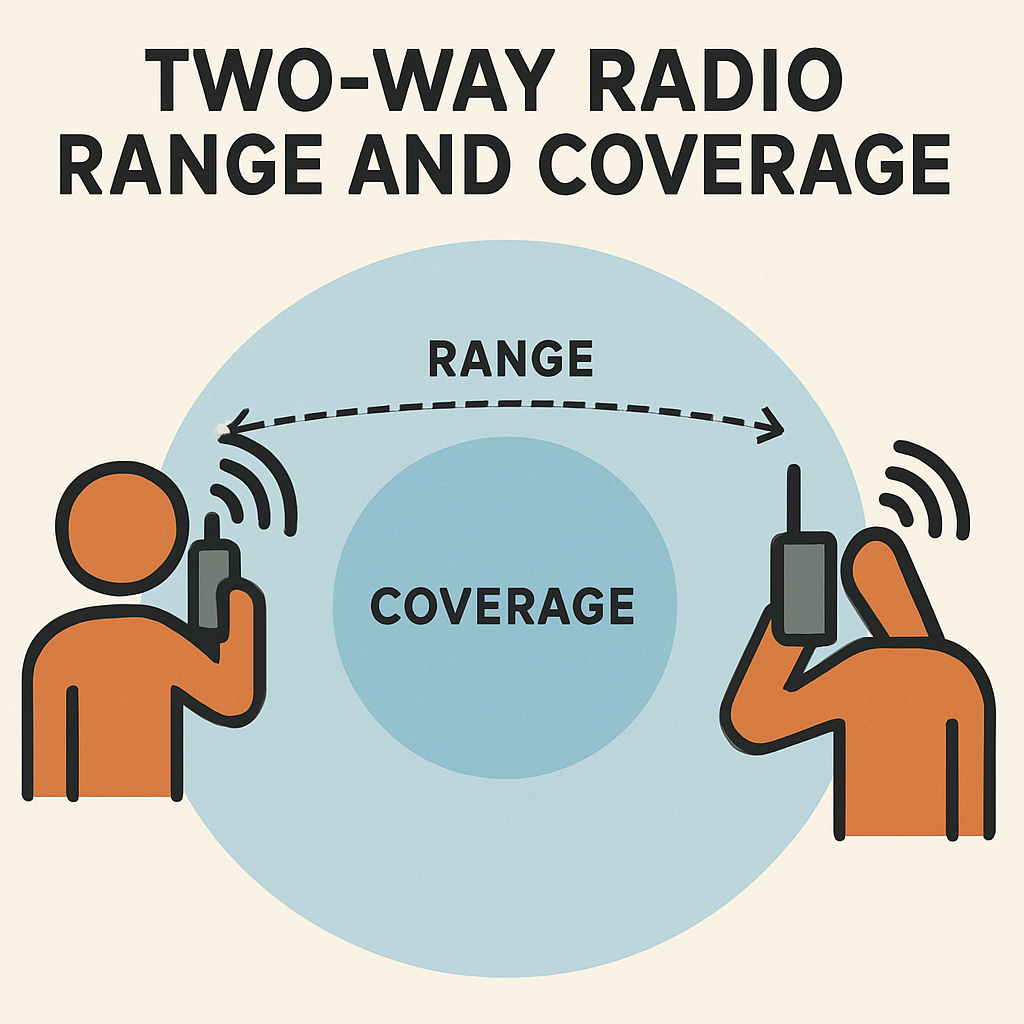
When we talk about “long-range” in terms of walkie talkies, we’re referring to the distance over which these devices can communicate effectively. The range can be affected by various factors, including terrain, weather, and obstacles like buildings or trees. Typically, walkie talkies designed for long-range use have powerful transmitters and operate on certain frequencies that can travel further distances. These devices often include features like high power output and specialized antennas to enhance their reach. Understanding these technical aspects can help you choose a device that meets your specific needs and conditions.
The Myth of the 1000-Mile Range
While the idea of a walkie talkie with a 1000-mile range sounds impressive, it’s essential to understand the reality of these claims. The maximum range is often quoted in ideal conditions, such as open plains or over water, without any obstructions. In practical terms, achieving such distances is rare. However, some professional-grade models can reach significant distances, making them invaluable in remote areas. It’s important to set realistic expectations and focus on models that offer the best performance for your particular environment, rather than being swayed by idealized marketing claims.
Factors Affecting Walkie Talkie Range

Terrain and Environment
The terrain is one of the most significant factors impacting the effective range of a walkie talkie. Open spaces, such as fields or bodies of water, allow radio waves to travel further compared to environments filled with obstacles like forests or urban buildings. Hills, mountains, and dense foliage can drastically reduce the range by absorbing or deflecting signals. Understanding the terrain you’ll be operating in is crucial for selecting a walkie talkie that will perform well in your specific conditions. Additionally, the type of environment may dictate whether you prioritize range over other features, such as durability or water resistance.
Weather Conditions
Weather can play a role in radio wave propagation. Certain conditions, like heavy rain or storms, can interfere with signals and reduce the range of communication. Conversely, some weather conditions, such as cooler temperatures or slight humidity, can enhance signal strength by reducing the loss of radio waves. Being aware of the weather patterns in your area and planning for these conditions can help optimize the performance of your walkie talkie. This understanding also assists in making informed decisions about when and where to use your device for maximum effectiveness.
Frequency and Power Output
Walkie talkies operate on different frequencies, primarily VHF (Very High Frequency) and UHF (Ultra High Frequency). VHF signals tend to travel further in open spaces, while UHF signals are better at penetrating obstacles like walls and trees. The power output of the device also influences range, with more powerful devices generally offering longer communication distances. Choosing the right frequency and power level for your needs can significantly impact the effectiveness of your communication. It’s also important to consider regulatory requirements for frequency use in your area to ensure compliance and avoid interference with other communication systems.
Choosing the Best Long-Range Walkie Talkies
Key Features to Consider
When selecting a long-range walkie talkie, several features should be considered to ensure it meets your needs:
- Range: Look for models that offer a realistic range based on your intended use and environment. Manufacturers often provide range estimates under optimal conditions, so consider potential obstacles in your area.
- Battery Life: Long trips require devices with batteries that can last the duration without frequent recharging. Consider models with rechargeable batteries and power-saving features to extend usage time.
- Durability: Rugged, weather-resistant designs are essential for outdoor use. Features like waterproofing and shock resistance can extend the lifespan of your device in harsh conditions.
- Channels and Privacy Codes: Having multiple channels and privacy codes helps avoid interference and allows for secure communication. This is particularly important in crowded areas where interference is common.
- Ease of Use: Simple controls and a clear display can make operation straightforward, even for beginners. Look for user-friendly designs with intuitive interfaces to reduce the learning curve.
Top Picks for Long-Range Walkie Talkies

Midland GXT1000VP4
The Midland GXT1000VP4 is a popular choice among outdoor enthusiasts. It offers a range of up to 36 miles under optimal conditions and features 50 channels with 142 privacy codes. Its waterproof design makes it suitable for various environments, and it includes NOAA weather alerts, which can be crucial during outdoor adventures. Additionally, its hands-free operation and emergency SOS siren make it a versatile tool for both leisure and urgent situations. With its robust feature set, the GXT1000VP4 is a reliable choice for those who need dependable communication in the wilderness.
Motorola T600 H2O
Known for its durability and water resistance, the Motorola T600 H2O is perfect for water-based activities. With a range of up to 35 miles, it provides excellent communication in open areas. It also includes features like a flashlight and NOAA weather channels, enhancing its utility in emergencies. The T600 H2O’s floating design ensures it can be easily retrieved if dropped in water, adding an extra layer of security during aquatic adventures. Its rugged construction makes it a favorite among kayakers, boaters, and anyone who enjoys spending time near water.
BaoFeng BF-F8HP
For those seeking a more professional-grade option, the BaoFeng BF-F8HP is a powerful choice. This model offers high-frequency capabilities, making it suitable for long-distance communication in more challenging environments. It requires a bit more technical know-how but rewards users with a robust communication tool. The BF-F8HP’s customizable settings and extended battery life make it ideal for serious users who need a reliable device for complex operations. Its versatility in frequency use allows it to adapt to a wide range of communication needs, from amateur radio enthusiasts to professional applications.
Practical Applications of Long-Range Walkie Talkies
Outdoor Recreation
Long-range walkie talkies are invaluable for hikers, campers, and hunters. They ensure communication in remote areas where cell coverage is often nonexistent, enhancing safety and coordination among group members. For those venturing into the backcountry, the ability to stay connected can be a lifesaver, enabling quick response in emergencies. Walkie talkies also facilitate sharing real-time updates on weather conditions, wildlife sightings, and navigational challenges, enriching the outdoor experience.
Event Coordination
In large events, such as concerts or festivals, organizers rely on walkie talkies to maintain smooth operations. Their ability to provide instant communication across extensive areas helps in managing crowds, coordinating staff, and addressing emergencies swiftly. Walkie talkies allow teams to respond to issues in real-time, ensuring that events run smoothly and safely. Their use in event management also enhances the ability to deliver a seamless experience for attendees, as communication among staff is swift and reliable.
Emergency Situations
In emergencies, such as natural disasters, when traditional communication networks may fail, long-range walkie talkies offer a reliable alternative. They enable rescue teams and affected individuals to stay connected, facilitating quicker response times and coordination. Walkie talkies are crucial for maintaining communication lines when other methods are unavailable, ensuring that critical information is relayed promptly. Their role in disaster preparedness and response highlights the importance of having a reliable communication tool in times of crisis.
Conclusion
While the promise of a 1000-mile range for walkie talkies is more theoretical than practical, long-range models still offer impressive distances under the right conditions. By understanding the factors affecting range and selecting a model suited to your needs, you can ensure effective communication in a variety of scenarios. Whether for outdoor adventures, event coordination, or emergency preparedness, investing in a quality walkie talkie can be a game-changer in staying connected when it matters most. As technology continues to evolve, the capabilities of walkie talkies are likely to expand, offering even more reliable and far-reaching communication solutions for diverse needs.