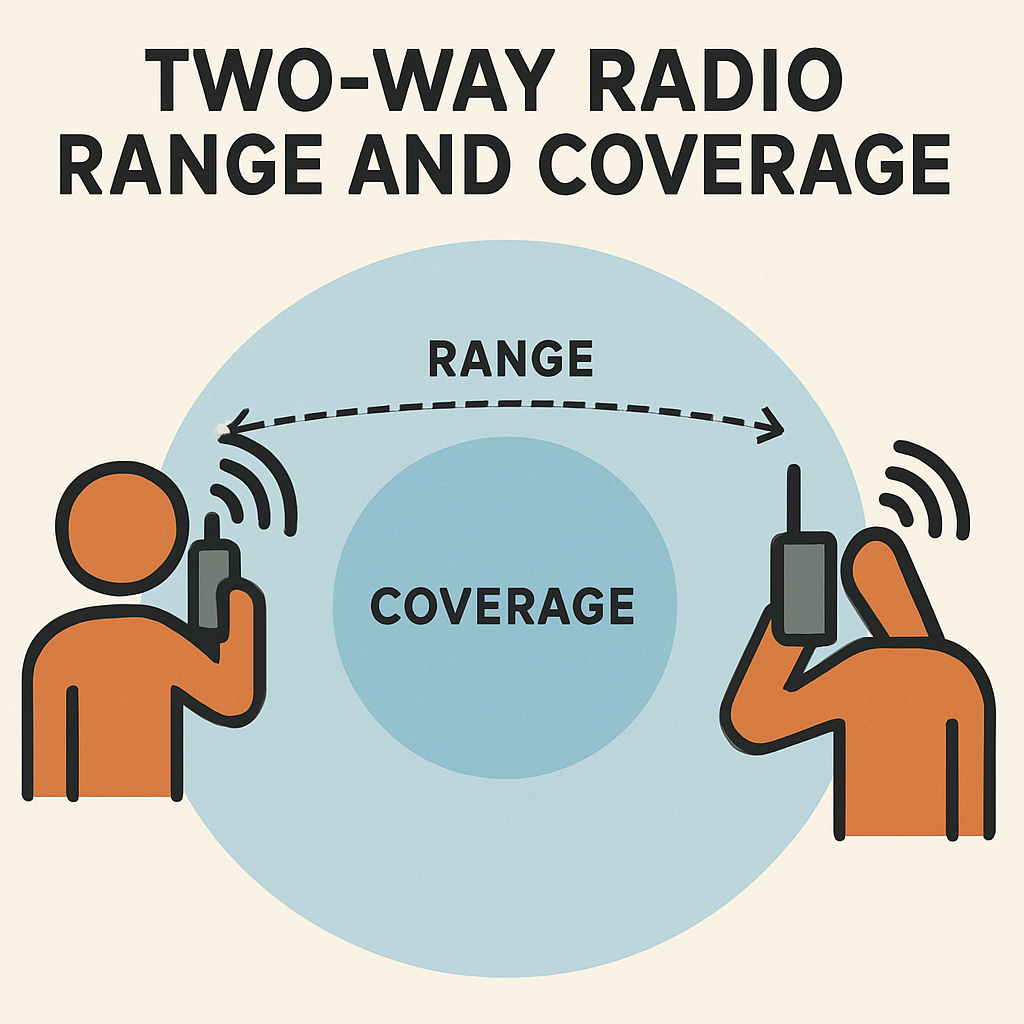
Walkie talkies have been a staple of communication for various activities, from professional settings like restaurants and production sites to recreational pastimes such as skiing and snowmobiling. With technological advancements, many users are curious about the capabilities of modern devices. One common question is whether a 10 watt walkie talkie can truly reach a distance of 15 kilometers. In this article, we’ll explore this topic and provide insights into how to choose the best walkie talkie for your needs.
Factors Influencing Walkie Talkie Range
When manufacturers advertise a specific range for walkie talkies, it’s important to understand that these figures are often based on optimal conditions. Several factors can influence the actual range of a walkie talkie:
- Terrain: Walkie talkies work best in open areas without obstructions. Mountains, buildings, and dense forests can significantly reduce the effective range.
- Weather Conditions: Rain, fog, and other weather conditions can interfere with radio waves, affecting the range.
- Interference: Electronic devices and other radio signals can cause interference, reducing the range.
- Antenna Quality: A high-quality antenna can improve the range of a walkie talkie.
Can a 10 Watt Walkie Talkie Reach 15 Kilometers?
In ideal conditions—such as flat, open areas with no obstructions—a 10 watt walkie talkie might reach up to 15 kilometers. However, in real-world scenarios, achieving this range is often unlikely. Users should expect a reduced range in more typical environments like urban areas or forests.
Choosing the Best Walkie Talkie for Different Needs
Best Walkie Talkie for Restaurants
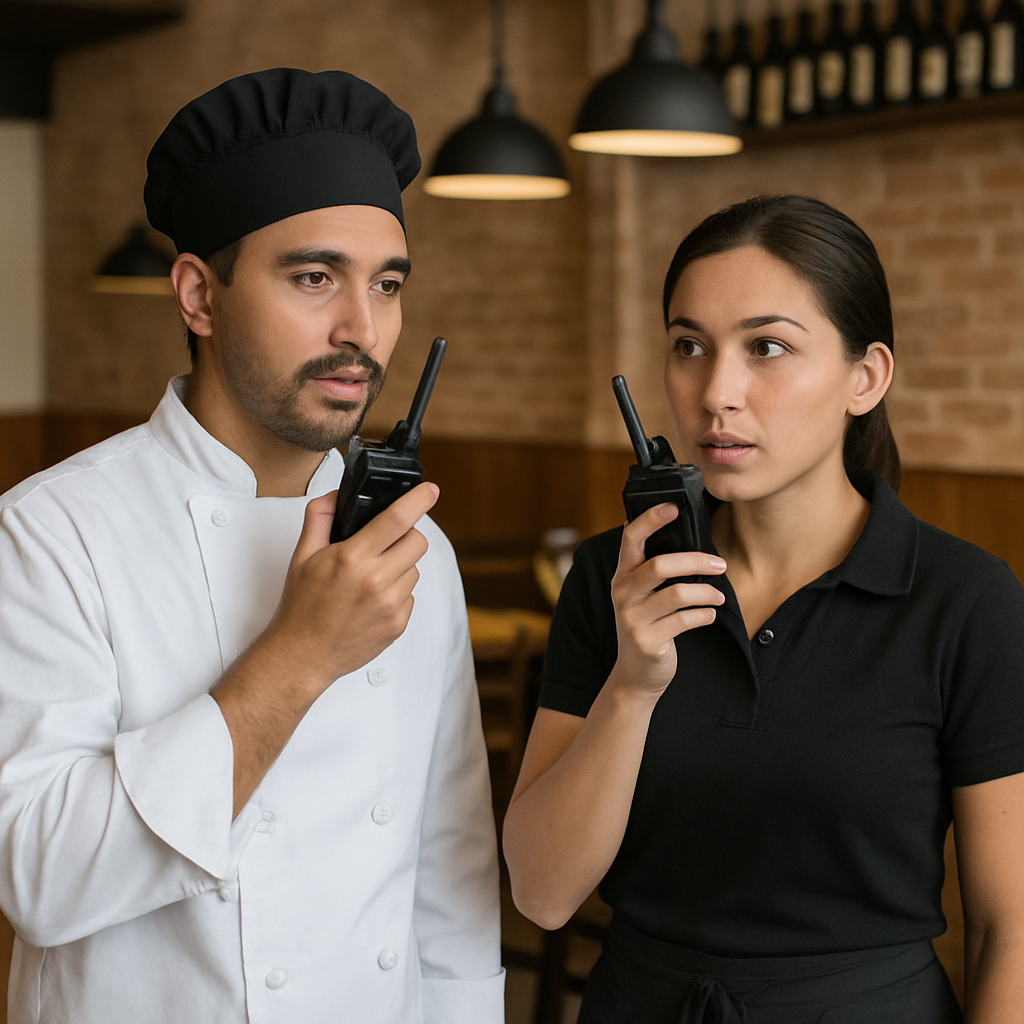
Restaurants can benefit from using walkie talkies for efficient communication between staff. Features to consider include:
- Compact Size: A small, lightweight model is ideal for staff to carry throughout their shifts.
- Clear Audio: Ensuring staff can hear instructions clearly, even in a noisy kitchen.
- License-Free Operation: Many restaurants prefer license-free models to avoid additional regulatory requirements.
Walkie Talkies for Skiing and Snowmobiling
For skiing and snowmobiling, walkie talkies must be rugged and capable of withstanding cold conditions. Key features include:
- Durability: Look for waterproof and shock-resistant models.
- Glove-Friendly Controls: Buttons should be easy to use, even with gloves on.
- Good Range: While 15 kilometers may not always be realistic, finding a model with a solid range can ensure reliable communication on the slopes.
Modern Features in Walkie Talkies
Walkie Talkie with SIM Card
Some modern walkie talkies come equipped with SIM card slots, allowing them to function similarly to mobile phones. This feature can be particularly useful for those who need extended range capabilities beyond traditional radio frequencies.
Walkie Talkie Clips and Accessories
Accessories like clips can enhance the convenience of using walkie talkies, making them easily accessible on a belt or backpack. When selecting a model, consider the available accessories to ensure it meets your practical needs.
Production and Industrial Use
Production Walkie Talkies
In production environments, walkie talkies are essential for coordination and safety. Here, durability and clarity are paramount. Models with noise-cancellation features can be particularly beneficial in loud environments.
Licensing and Regulations
License-Free Walkie Talkies
For personal or small business use, license-free walkie talkies are often sufficient and convenient. These devices operate on specific frequencies that do not require a user to obtain a license, simplifying their use and reducing costs.
Final Thoughts

Choosing the best walkie talkie involves considering the specific needs of your environment and activities. While a 10 watt walkie talkie might not always reach the advertised 15 kilometers, understanding the factors that influence range can help you make an informed decision. Whether for professional use in a restaurant, recreational skiing, or production environments, there are models tailored to meet these diverse needs. By considering features such as durability, range, and additional functionalities like SIM card integration, you can select a walkie talkie that will effectively support your communication requirements.