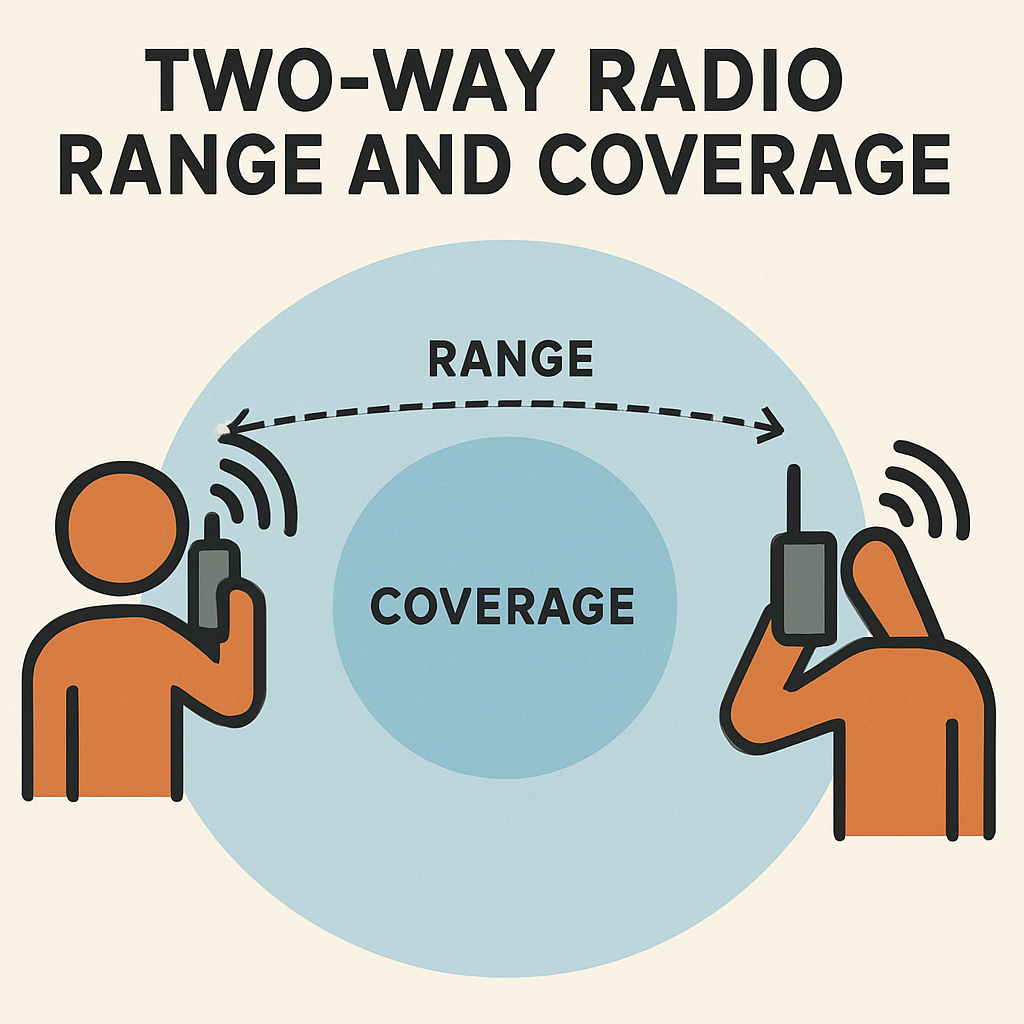
In an era where connectivity is everything, having reliable communication tools is crucial, especially when venturing into the great outdoors. Whether you’re an avid camper, a hiker, or just someone who loves to explore remote areas, staying connected with your group or signaling for help can be a matter of life and death. Let’s dive into the top five off-the-grid communication devices that can ensure you stay in touch, no matter where your adventures take you.
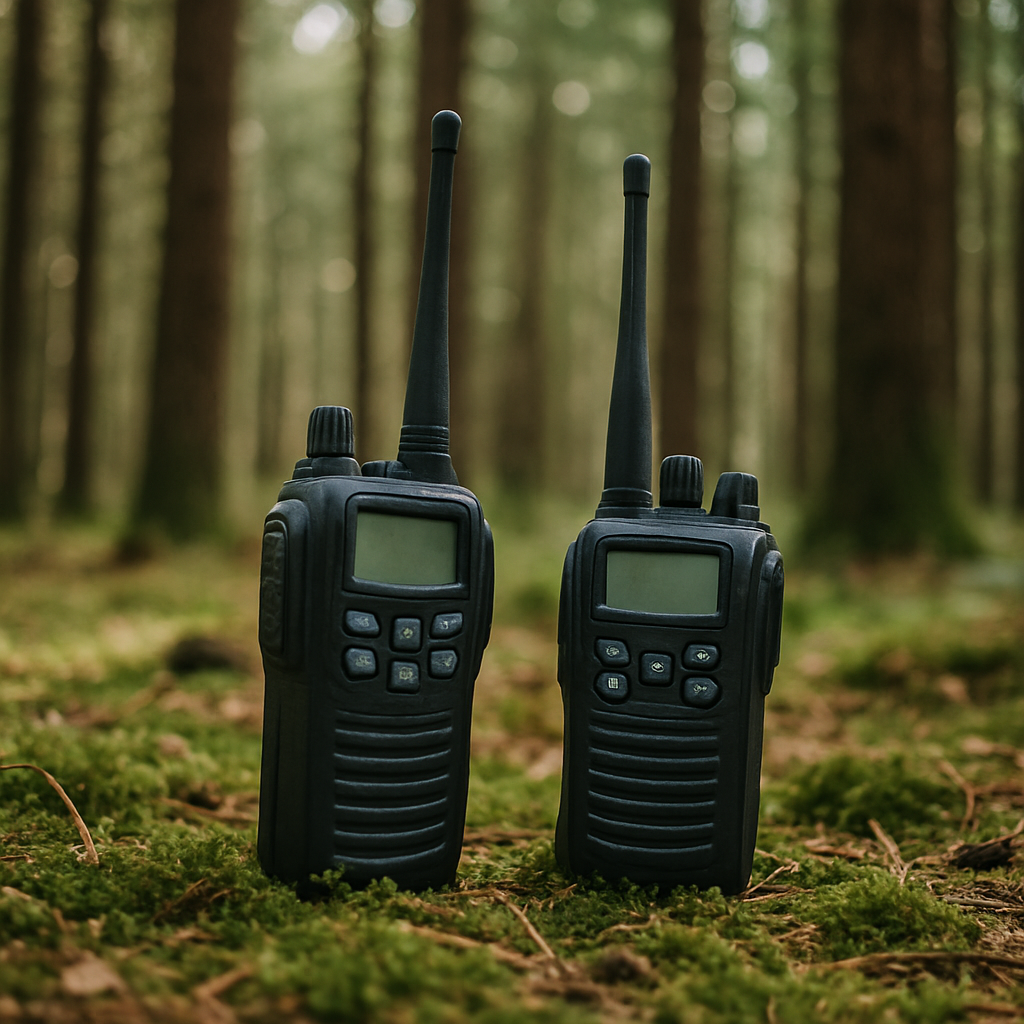
Commercial walkie talkies are a staple in outdoor communication. Known for their durability and ease of use, they provide reliable long-range communication which is essential in vast, open areas. Unlike typical consumer models, commercial walkie talkies are built to withstand harsh conditions, making them perfect for outdoor survival.
Key Features
- Durability: Designed to endure extreme weather conditions.
- Long Range: Capable of reaching distances that consumer models can’t, often 20 miles or more in open areas.
- Battery Life: Typically, they have extended battery life, allowing for prolonged use without recharging.
Best Use
Ideal for group communication during hiking or camping trips, where maintaining contact over long distances is crucial.
2. Business 2-Way Radios: Efficiency in Communication

Business 2-way radios are designed for seamless communication in professional settings, but their robust features make them a great choice for outdoor enthusiasts as well. They offer clear, uninterrupted communication channels, which can be lifesaving in an emergency.
Key Features
- Multiple Channels: Allows users to switch channels to avoid interference.
- Clear Audio: Enhanced audio quality to ensure messages are heard clearly.
- Compact Design: Easy to carry with you without adding bulk to your gear.
Best Use
These radios are perfect for situations where quick, clear communication is necessary, such as coordinating movements in a large group or alerting others to potential dangers.
3. Handheld 2-Way Radios: Portability and Convenience
Handheld 2-way radios are a versatile choice for outdoor communication. Their compact size makes them easy to carry, and they are typically user-friendly, making them accessible for people of all ages.
Key Features
- Lightweight: Easily portable without sacrificing functionality.
- User-Friendly Interface: Simple controls that make them easy to operate, even for beginners.
- Affordable: Generally more budget-friendly than commercial models, while still providing reliable communication.
Best Use
Great for family outings or small groups where ease of use and portability are priorities.
4. Ham Radios: The Power of Amateur Radio
Ham radios, also known as amateur radios, offer a unique advantage for those venturing far from civilization. They can reach incredible distances and are used by radio enthusiasts worldwide to communicate without relying on cell towers.
Key Features
- Extended Range: Can connect over hundreds of miles, depending on the model and conditions.
- Emergency Communication: Often used by emergency responders due to their reliability.
- Community Support: A large community of users who can assist in times of need.
Best Use
Ideal for remote expeditions where staying connected with the outside world is critical, or for those who want to communicate with other amateur radio operators.
5. Satellite Phones: Ultimate Connectivity Anywhere

For those who need the most reliable form of communication, satellite phones are the gold standard. They work anywhere on the planet, as long as there’s a clear line of sight to the sky.
Key Features
- Global Coverage: Operates independently of cell towers, providing coverage in the most remote locations.
- Reliable Signal: Excellent for emergencies when traditional communication methods fail.
- Versatile Use: Can be used for voice calls, texting, and even basic internet connectivity.
Best Use
Essential for long expeditions in areas without any cell service, such as deep wilderness or overseas adventures.
Choosing the Right Device for Your Needs
When selecting an off-the-grid communication device, consider the following:
Durability
Outdoor conditions can be harsh, so choose a device that can withstand rain, dust, and impacts.
Range
Evaluate the distance you might need to communicate across and select a device that meets those requirements.
Battery Life
Ensure the device has sufficient battery life for the duration of your trip, or consider additional power sources like solar chargers.
Ease of Use
Especially important if you’re traveling with children or less tech-savvy individuals; the simpler the device, the better.
Conclusion
In conclusion, staying connected when you’re off the grid is more than just a convenience—it’s a necessity for safety. Whether you opt for a commercial walkie talkie, business 2-way radio, handheld 2-way radio, ham radio, or satellite phone, each of these devices has its place in ensuring effective communication in the great outdoors. Equip yourself with the right tools, and you’ll be prepared for whatever nature throws your way. Safe travels!