Applying for a two-way radio license might seem daunting at first, but with a clear understanding of the process, you can get your license without hassle. Whether you’re interested in ham radio as a hobby or require a two-way radio for business purposes, having the proper license is crucial. In this guide, we’ll walk you through the steps of applying for a two-way radio license and provide tips to make the process smoother.
Understanding Two-Way Radio and Ham Radio
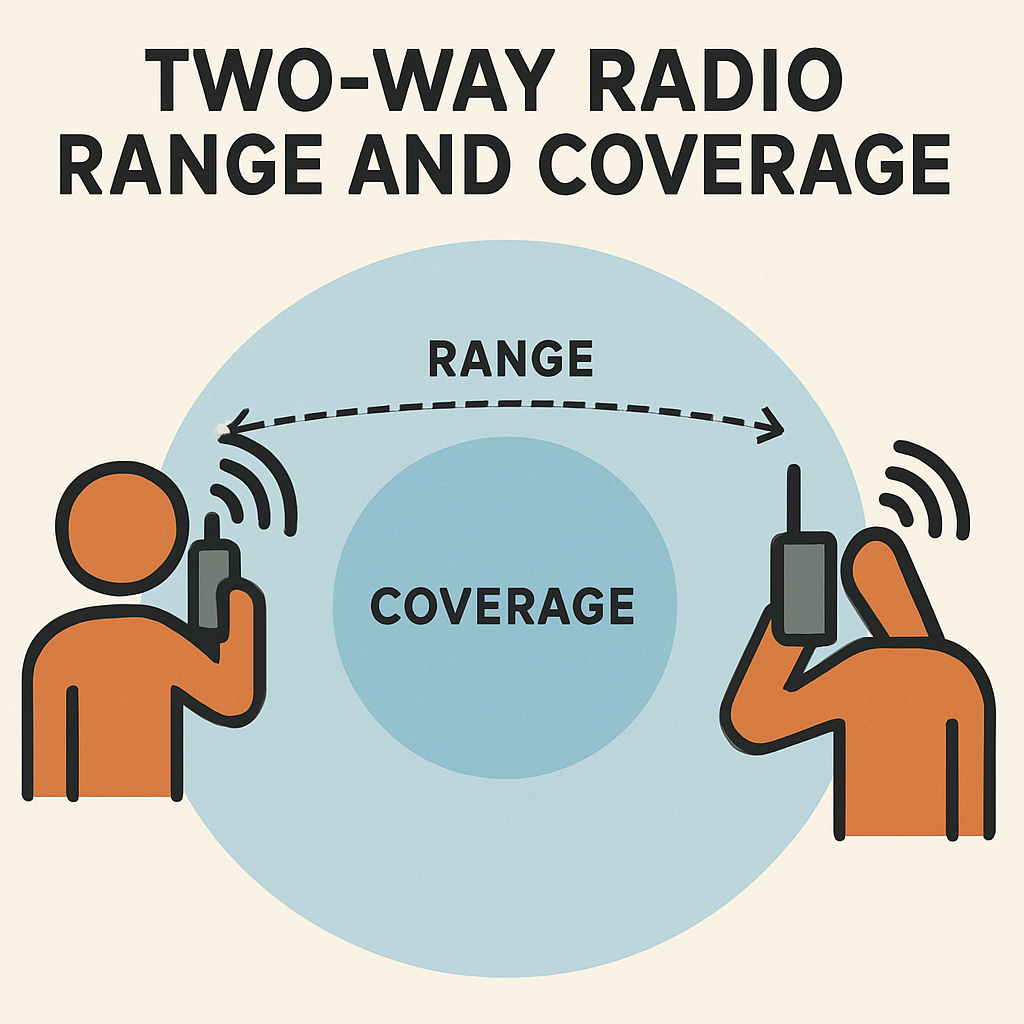
Two-way radios are devices that can transmit and receive radio signals, allowing people to communicate over distances without the need for a cellular network. These radios are often used in various industries, including construction, event management, and security. They are also popular among outdoor enthusiasts and amateur radio operators, known as “ham radio” operators.
Ham radio is a form of two-way radio communication that allows individuals to talk to others across the world. It is often used for emergency communication, technical experimentation, and as a hobby.
Why Do You Need a License?
A two-way radio license is required to operate certain types of radios legally. The Federal Communications Commission (FCC) in the United States regulates the frequencies that two-way radios use to prevent interference and ensure efficient use of the radio spectrum. Operating without a license can result in hefty fines and equipment confiscation.
Licensing ensures that users operate on the correct frequency bands and follow rules that protect all users from interference. It also opens up more channels for use, reducing congestion and improving communication quality.
Steps to Apply for a Two-Way Radio License
Step 1: Determine the Type of License You Need
Before applying, you need to identify the type of license that suits your needs. If you’re applying for a personal use license, such as for ham radio, you will need an Amateur Radio License. If it’s for business or commercial use, you may require a Business Radio License.
Step 2: Study for the Exam
For an Amateur Radio License, you must pass an exam that covers basic radio knowledge, operating practices, and regulations. There are three classes of Amateur Radio Licenses in the U.S.—Technician, General, and Extra—each with its own level of privileges and exam requirements.
There are numerous resources available online, including study guides and practice exams, to help you prepare. Local amateur radio clubs often offer classes and study sessions, which can be a great help.
Step 3: Take the Exam
Find a local Volunteer Examiner Coordinator (VEC) to schedule your exam. VECs are organizations that administer amateur radio exams. The American Radio Relay League (ARRL) is a popular VEC that can help you find a testing session in your area.
Once you pass the exam, your results will be submitted to the FCC, and you will receive your license.
Step 4: Apply for a Business Radio License
If you need a license for business use, the process is slightly different. You will not need to take an exam, but you must apply directly through the FCC’s Universal Licensing System (ULS).
Create an account on the ULS, fill out the necessary forms, and submit your application along with any required fees. The FCC will review your application, and if approved, you will be issued a license.
Step 5: Keep Your License Up-to-Date
Most two-way radio licenses are valid for a specific period, often ten years. It’s essential to renew your license before it expires to continue operating legally. The FCC sends renewal reminders, but it’s wise to keep track of your expiration date.
Tips for a Successful Application
- Research Thoroughly: Understand which type of license you need and the specific requirements involved.
- Prepare for Exams: Use study guides and practice tests to ensure you’re ready for any exams.
- Use Online Resources: The FCC’s website and other online forums provide valuable information and support.
- Join Local Clubs: Local amateur radio clubs can offer guidance, resources, and support throughout the process.
- Keep Records: Maintain a file of all your application materials and correspondence with the FCC.
Conclusion
Obtaining a two-way radio license is a straightforward process if you understand the steps and requirements involved. Whether you’re interested in the personal enjoyment of ham radio or need a radio for business operations, having the appropriate license is crucial for legal and efficient communication. Follow the steps outlined in this guide, and you’ll be well on your way to becoming a licensed radio operator.
Remember, a license not only keeps you compliant with regulations but also enhances your communication capabilities. Happy communicating!