Choosing the right two-way radios for your business can significantly impact communication efficiency and productivity. Whether you’re working on a construction site, managing a retail store, or coordinating events, two-way radios, commonly known as walkie talkies, are essential tools for seamless communication. In this article, we will explore the key considerations when selecting portable radios for your work environment and how to ensure you make the best choice for your needs.
Understanding Two-Way Radios
Two-way radios are portable devices that allow users to communicate over short distances without the need for a cellular network. They operate on specific frequencies and are designed to send and receive voice messages, making them ideal for immediate, clear communication.
Key Features of Business Two-Way Radios
When selecting two-way radios for business purposes, consider the following features:
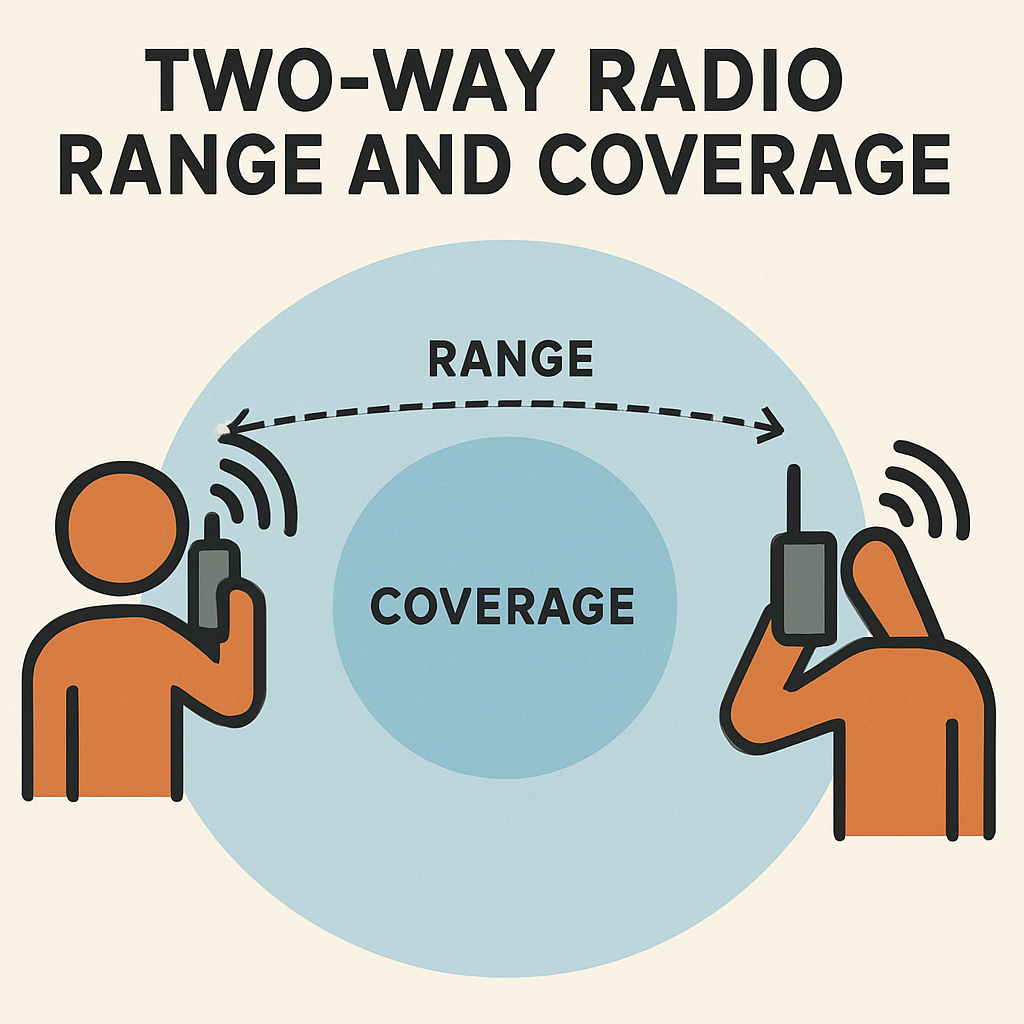
- Range: The distance over which the radio can effectively communicate. The range can vary depending on the environment and the power of the radio.
- Channels: Business radios often come with multiple channels, allowing different teams to communicate separately without interference.
- Durability: Radios used in work environments should be rugged and able to withstand drops, dust, and moisture.
- Battery Life: Long battery life is crucial for ensuring the radios last throughout the workday.
- Ease of Use: Simple controls and clear audio are essential for effective communication.
Types of Two-Way Radios
There are several types of two-way radios available, each suited to different environments and needs:
Handheld Radios
Handheld radios, or walkie talkies, are the most common type of two-way radios. They are portable, easy to use, and ideal for a wide range of businesses, from retail to construction. Their compact size makes them convenient for carrying around.
Mobile Radios
Mobile radios are typically installed in vehicles and offer a greater range than handheld radios. They are perfect for transportation and logistics businesses where communication over longer distances is required.
Base Station Radios
Base station radios are fixed units that provide a central point of communication. These are suitable for operations that require a stationary communication hub, such as security monitoring or dispatch centers.
Considerations for Choosing the Right Radio
When choosing the right two-way radios for your business, consider the following factors:
Environment and Range
The environment in which you will be using the radios significantly impacts the range. Urban settings with buildings and obstacles may require more powerful radios with a higher frequency range to penetrate barriers. In contrast, open areas like rural or outdoor sites might allow for longer range with less powerful units.
Frequency Bands
Two-way radios operate on different frequency bands, mainly UHF (Ultra High Frequency) and VHF (Very High Frequency). UHF radios are better suited for indoor use as they penetrate walls and obstacles more effectively. VHF radios, on the other hand, are ideal for outdoor use where the open space allows for better signal propagation.
Licensing Requirements
Certain two-way radios require a license to operate, especially those with higher power output. Ensure you check local regulations and obtain the necessary licenses if required for your chosen radios.
Budget
Budget is always a consideration when choosing equipment for your business. While it might be tempting to go for the cheapest option, consider the features, durability, and long-term benefits of investing in quality radios that meet your business needs.
Enhancing Communication with Accessories
To maximize the effectiveness of your two-way radios, consider investing in accessories such as:
- Headsets and Earpieces: These allow for hands-free operation and can be crucial in noisy environments.
- Speaker Microphones: Useful for situations where users need to keep the radio on their belt or pocket.
- Carrying Cases: Protect the radios from damage while being transported or used in harsh environments.
- Additional Batteries and Chargers: Ensure radios are always ready for use by having spare batteries and charging solutions available.
Conclusion
Choosing the right two-way radios for your business requires careful consideration of your specific needs, the environment in which they will be used, and the features that will best support your operations. By understanding the different types of radios available and their respective benefits, you can make an informed decision that enhances communication and boosts productivity within your team.
Investing in quality two-way radios and the right accessories will ensure that your business operations run smoothly, with effective communication being at the forefront of your success.