In today’s fast-paced business environment, effective communication is key to success. Whether you’re managing a large construction site, coordinating a team of event staff, or ensuring safety at a warehouse, having the right communication tools can make all the difference. Commercial two-way radios, often referred to as walkie talkies, offer a reliable and efficient solution for business communication needs.
In this guide, we’ll explore how to choose the right commercial two-way radio for your business, highlighting the features and factors you should consider to make the best choice.
Understanding Commercial Two-Way Radios
Commercial two-way radios are robust communication devices that enable instant communication over short or long distances. Unlike cell phones, they don’t rely on a network and are ideal for environments where mobile service may be unreliable or unavailable. These radios are particularly beneficial for industries such as construction, hospitality, security, and transportation.
Key Features of Two-Way Radios
When selecting a two-way radio for business use, consider the following features:
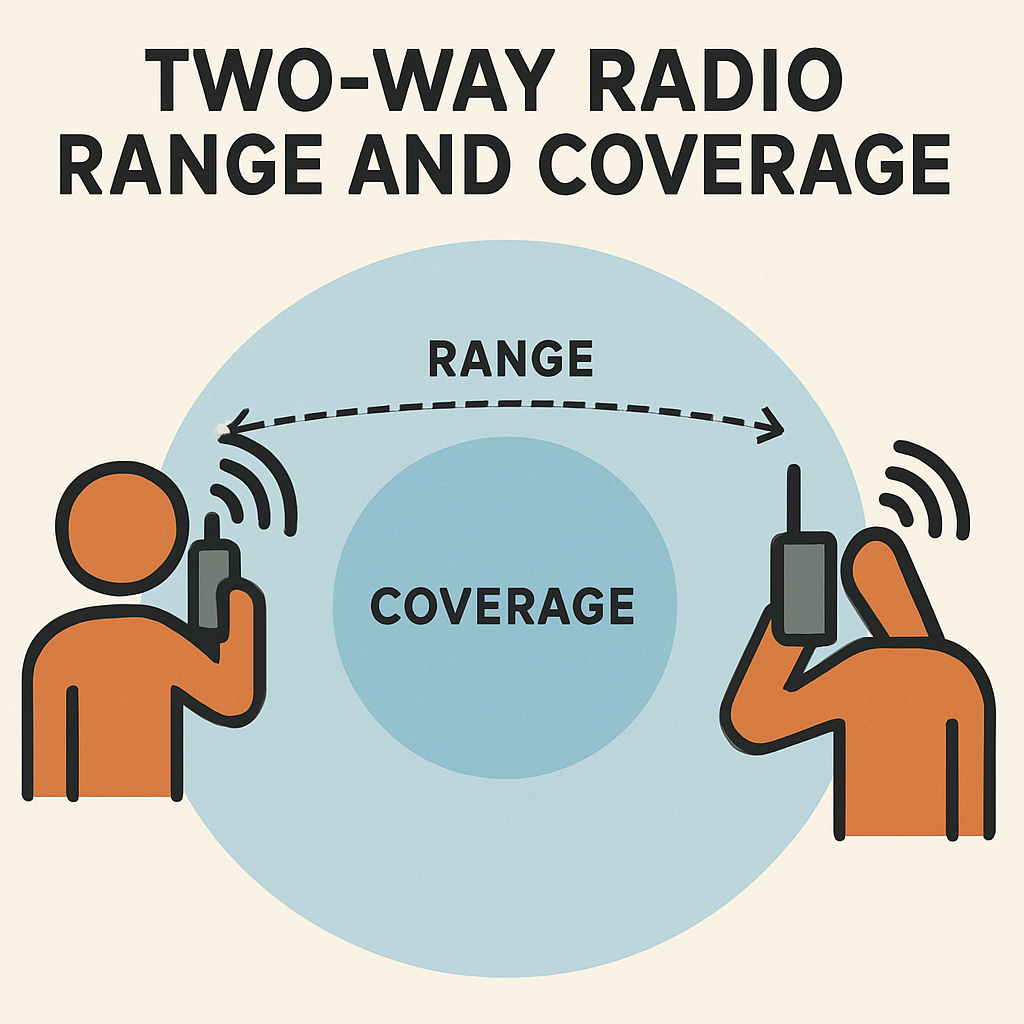
- Range: This is how far the radio can transmit a signal. If your team operates over a large area, you’ll need radios with a greater range.
- Durability: Radios used in harsh environments need to withstand dust, water, and drops. Look for models with rugged designs.
- Battery Life: Longer battery life means less downtime. Consider how long you’ll need the radio to operate on a single charge.
- Channels: More channels can help organize communication among different teams or departments.
- Licensing Requirements: Some radios require a license to operate. Licensed radios usually offer more power and range.
Types of Commercial Two-Way Radios
There are several types of two-way radios to consider, each with its advantages:
Analog vs. Digital Radios
- Analog Radios: These are traditional radios that offer clear sound and are generally less expensive. However, they may have limited features compared to digital models.
- Digital Radios: These radios provide better voice quality, more channels, and advanced features like GPS and text messaging. They are often more costly but offer greater functionality.
Handheld vs. Mobile Radios
- Handheld Radios: Portable and easy to carry, these radios are ideal for on-the-go communication.
- Mobile Radios: These are installed in vehicles and offer more power and range, suitable for communication over longer distances.
Factors to Consider When Choosing a Two-Way Radio
Choosing the right two-way radio involves several considerations:
Environment and Range
The environment where you’ll use the radios significantly affects the range. Obstacles like buildings and trees can reduce signal strength. Urban settings typically require radios with higher power and range compared to open fields or rural areas.
Frequency Bands
Two-way radios operate on different frequency bands: VHF (Very High Frequency) and UHF (Ultra High Frequency).
- VHF Radios: Ideal for outdoor use where there are few obstacles. They offer longer range in open areas.
- UHF Radios: Better for indoor use and in urban environments with many obstacles, as they penetrate walls and buildings more effectively.
Budget Considerations
Cost is always a factor in business decisions. Consider the number of radios you need and whether you prefer upfront or ongoing costs (such as licensing fees). Balance your budget with the features and capabilities you require.
Special Features
Consider any special features that might benefit your business:
- Noise-Cancelling: Useful in noisy environments to ensure clear communication.
- GPS Tracking: Helps monitor the location of team members.
- Emergency Alerts: Allow users to send distress signals at the push of a button.
Making the Purchase
Once you’ve identified your needs, it’s time to choose a supplier. Look for reputable brands that offer robust customer support and warranties. Consider purchasing from suppliers that offer demonstrations or trial periods, allowing you to test the radios in your specific environment before committing.
Training and Implementation
After purchasing, ensure your team knows how to use the radios effectively. Provide training sessions to cover basic operations, emergency protocols, and troubleshooting. Proper training maximizes the benefits of your investment.
Maintenance and Upkeep
To ensure longevity and optimal performance, regular maintenance is essential. Here are some tips:
- Battery Care: Charge batteries fully and replace them when they no longer hold a charge.
- Cleaning: Regularly clean radios to remove dust and grime. Avoid using harsh chemicals.
- Software Updates: For digital radios, keep software updated to benefit from new features and improvements.
Conclusion
Commercial two-way radios are a critical component of efficient business communication. By understanding the different types and features, and considering your specific operational needs, you can select the right radio system to enhance your business operations. Effective communication not only boosts productivity but also ensures the safety and coordination of your team. Investing in the right tools today can lead to smoother operations and greater success tomorrow.