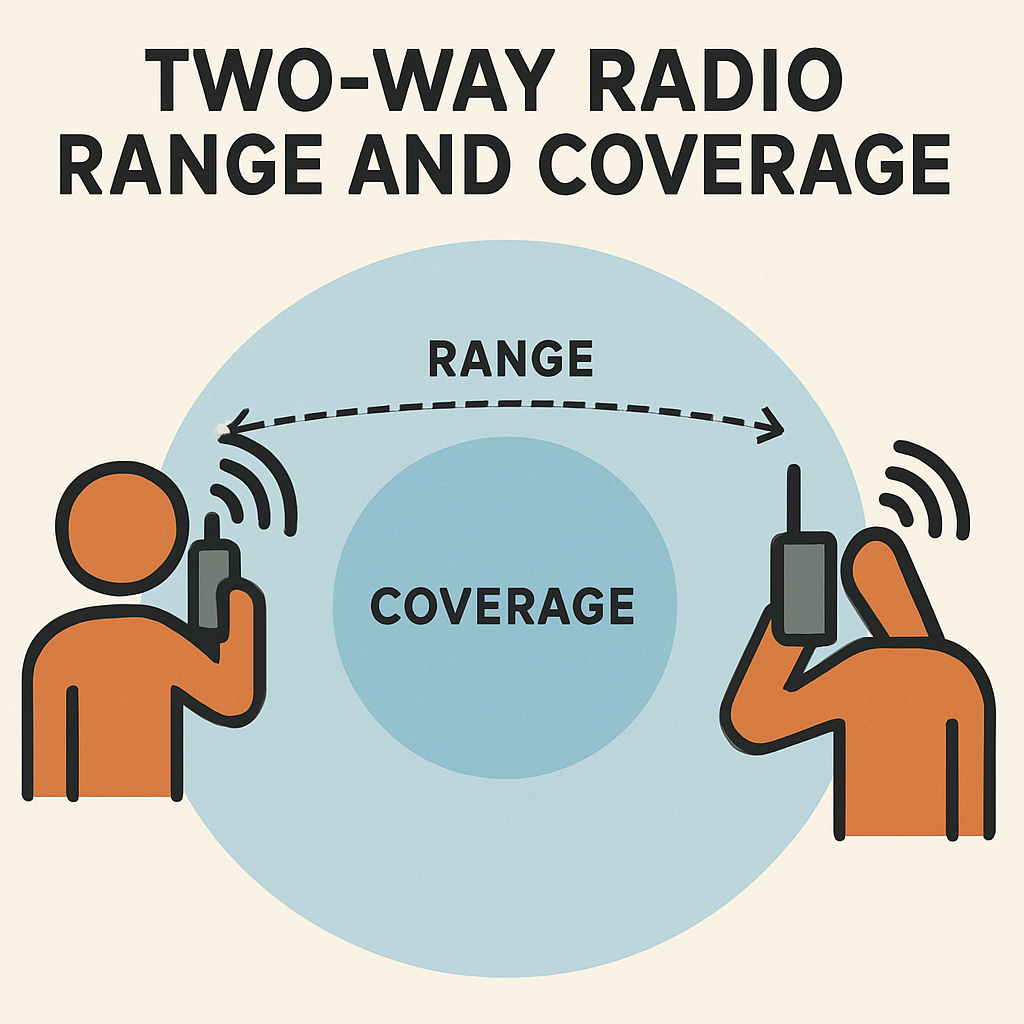
In today’s fast-paced world, staying connected is more important than ever. While smartphones have become a staple for most, there’s a timeless communication tool that continues to serve a vital role in many industries: the two-way radio, often referred to as walkie talkies or portable radios. These devices provide reliable communication, especially in situations where other technologies might fail. Let’s delve into the benefits of two-way radio communication and why they remain indispensable in various sectors.
Reliable Communication in Any Situation
Two-way radios are renowned for their reliability. Unlike cell phones, which depend on cell towers and signal strength, portable radios operate on radio frequencies, making them an excellent choice for remote locations or areas with poor cell service. Whether you’re coordinating teams in a sprawling warehouse or managing a construction site, two-way radios ensure that everyone stays connected without interruptions.
Robust Signal Strength
Two-way radios can maintain strong signal strength over vast distances, making them suitable for various terrains and environments. They excel in areas where cellular networks may falter, such as mountainous regions, dense forests, or remote wilderness. The ability to maintain a robust signal ensures that communication is uninterrupted, which is crucial for operations that span large areas.
Adaptability to Environmental Challenges
The adaptability of two-way radios in challenging environments is unparalleled. These devices are designed to function efficiently in areas with significant interference, such as those with dense metal structures or heavy machinery. By overcoming physical barriers that can disrupt other forms of communication, two-way radios provide a dependable solution in diverse settings.
Seamless Integration with Existing Systems
Another advantage of two-way radios is their ability to integrate seamlessly with existing communication systems. This flexibility allows organizations to enhance their current infrastructure without the need for complete overhauls. Whether it’s integrating with public address systems or connecting with other radio networks, two-way radios offer a versatile communication solution that complements existing technologies.
Durability and Longevity
One of the standout features of walkie talkies is their ruggedness. Built to withstand harsh environments, these radios can endure drops, dust, moisture, and extreme temperatures. This durability makes them ideal for industries like construction, manufacturing, and public safety, where equipment must perform under tough conditions.
Resilience to Physical Damage
Two-way radios are constructed to endure physical impacts that would easily damage more fragile devices like smartphones. Their casings are often reinforced to withstand drops from significant heights, making them suitable for dynamic and unpredictable environments. This resilience ensures that communication devices remain operational even after being subjected to rough handling.
Resistance to Environmental Elements
In addition to physical durability, two-way radios are resistant to environmental elements such as dust, moisture, and extreme temperatures. Many models are designed to meet specific industry standards for ingress protection, ensuring that they can operate effectively in dusty construction sites or rainy outdoor events. This resistance extends the lifespan of the devices and reduces the frequency of replacements.
Long Battery Life
An essential aspect of two-way radios is their long battery life, which supports extended periods of use without frequent recharging. This feature is particularly beneficial for industries that require continuous communication over long shifts or in remote areas where charging facilities are scarce. By providing reliable power over extended durations, two-way radios enhance operational efficiency and ensure constant connectivity.
Instant Communication
When every second counts, waiting for a phone to ring is not an option. Two-way radios provide instant communication with the press of a button. This push-to-talk feature allows users to connect with their entire team or specific individuals almost instantly, facilitating quick decision-making and efficient coordination.
Real-Time Decision Making
The ability to communicate instantly supports real-time decision-making in critical situations. Whether it’s coordinating emergency responses or streamlining operations in a fast-paced environment, two-way radios enable teams to react promptly. This immediacy ensures that decisions are made with the most current information available, minimizing the risk of errors or delays.
Efficient Team Coordination
Two-way radios facilitate efficient coordination among team members, ensuring that everyone is on the same page. By enabling instant group communication, these devices help prevent misunderstandings and streamline workflows. This efficiency is particularly valuable in sectors like logistics and event management, where timing and precision are crucial.
Reduction of Communication Delays
Unlike other communication methods that may involve dialing numbers or waiting for connections, two-way radios eliminate delays. The push-to-talk function allows for immediate voice transmission, reducing the time between message dispatch and receipt. This reduction in communication delays is vital in scenarios where seconds can make a significant difference, such as in emergency services or security operations.
Group Communication
Two-way radios excel in group communication. Unlike phones, which require you to call each person individually, portable radios allow you to communicate with multiple team members simultaneously. This capability is crucial in emergency situations, event management, and security operations, where informing everyone at once can be lifesaving.
Simultaneous Broadcasts
The ability to broadcast messages simultaneously to all team members is a key feature of two-way radios. This function ensures that everyone receives the same information at the same time, fostering uniformity in communication. Simultaneous broadcasts are particularly beneficial during briefings or when disseminating urgent instructions to large groups.
Customizable Communication Channels
Two-way radios offer customizable communication channels, allowing teams to separate or combine channels based on specific needs. This customization enables different groups within an organization to communicate independently while still having the option to connect with other teams when necessary. It enhances operational flexibility and ensures that communications are targeted and relevant.
Coordination Across Diverse Teams
In environments where multiple teams or departments must work together, two-way radios facilitate seamless coordination. Whether it’s coordinating between security personnel, medical teams, and event staff at a large venue, or between departments in a manufacturing plant, these radios provide a reliable platform for cross-team communication. This coordination is vital for achieving organizational goals efficiently and effectively.
Cost-Effective Solution
While initial investments in two-way radios might seem significant, they offer substantial long-term savings. Unlike mobile phones, which incur monthly service charges, two-way radios operate on dedicated frequencies without subscription fees. Moreover, their durability reduces the need for frequent replacements, making them a cost-effective communication solution over time.
Elimination of Recurring Costs
One of the primary financial benefits of two-way radios is the elimination of recurring costs associated with mobile communication. Without the need for monthly service plans or data charges, organizations can significantly reduce their communication expenses. This cost-saving aspect is particularly appealing for businesses looking to streamline their budgets without sacrificing communication quality.
Longevity Reducing Replacement Costs
The durability and longevity of two-way radios contribute to reduced replacement costs over time. Unlike smartphones that may require frequent upgrades or replacements due to obsolescence or damage, two-way radios are built to last. This long lifespan translates into fewer purchases, allowing organizations to allocate resources more effectively.
Investment in Sustainable Technology
Investing in two-way radios represents a commitment to sustainable technology. Their long operational life and minimal maintenance requirements make them an environmentally friendly option. By choosing durable communication solutions, organizations not only save money but also contribute to sustainability efforts by reducing electronic waste.
No Network Dependency
In many areas, cell phone coverage can be spotty at best. Two-way radios are not reliant on external networks, ensuring that communication lines remain open regardless of the location. This independence from network availability makes them an invaluable tool for outdoor adventures, remote job sites, and disaster response scenarios.
Independence from Cellular Networks
Two-way radios operate independently of cellular networks, providing a reliable communication option even in areas with poor or no cell service. This independence is crucial for operations in remote regions, ensuring that teams remain connected without relying on external infrastructure. It also provides an advantage in disaster scenarios where cellular networks may be compromised.
Consistent Performance in Remote Areas
The consistent performance of two-way radios in remote areas is a significant advantage for industries operating in challenging environments. Whether it’s conducting research in isolated locations or managing remote construction projects, these radios maintain communication lines without interruption. This reliability ensures that essential operations can continue without delays or communication breakdowns.
Resilience in Disaster Situations
During disasters, maintaining communication is critical, and two-way radios offer a resilient solution. Their independence from external networks means they remain operational even when traditional communication infrastructures fail. This resilience is vital for emergency response teams and organizations involved in disaster relief, enabling them to coordinate efforts effectively.
Enhanced Privacy and Security
Security is a major concern for many organizations. Two-way radios offer enhanced privacy features, such as encryption, ensuring that your communications remain confidential. This is especially important for industries handling sensitive information, like law enforcement and private security firms.
Encryption for Secure Communications
Modern two-way radios come equipped with encryption capabilities to secure communications. This feature protects sensitive information from unauthorized access, ensuring that conversations remain private. Encryption is essential for sectors like law enforcement and military operations, where maintaining confidentiality is critical for operational security.
Secure Communication Channels
In addition to encryption, two-way radios provide secure communication channels that prevent eavesdropping and interference. These channels are designed to safeguard communications from external threats, offering an added layer of protection. This security is particularly important for organizations that deal with confidential data or operate in high-risk environments.
Compliance with Privacy Regulations
Two-way radios can be configured to comply with industry-specific privacy regulations and standards. By ensuring that communications are secure and confidential, organizations can meet regulatory requirements and avoid potential legal issues. This compliance is crucial for industries like healthcare and finance, where data protection is a top priority.
Customizable Features
Modern two-way radios come with a host of customizable features to suit different needs. From GPS tracking to emergency alerts and hands-free operation, these radios can be tailored to meet the unique requirements of any operation. The ability to customize settings enhances both functionality and user experience.
GPS Tracking for Enhanced Management
GPS tracking is a valuable feature in two-way radios that allows for real-time location monitoring. This capability enhances management by providing insights into team member locations, facilitating better coordination and resource allocation. GPS tracking is particularly beneficial for industries like logistics and emergency services, where knowing the precise location of personnel is crucial.
Emergency Alerts for Safety
Two-way radios can be equipped with emergency alert features that enhance safety in high-risk environments. These alerts allow users to send distress signals quickly, ensuring that help is dispatched promptly in case of emergencies. This feature is vital for industries such as mining and construction, where rapid response to safety incidents can prevent accidents and save lives.
Hands-Free Operation for Convenience
The hands-free operation is a convenient feature that allows users to communicate without needing to hold the radio. This feature is particularly useful in environments where hands-free communication enhances safety and efficiency, such as in vehicle operations or machinery handling. By enabling users to multitask effectively, hands-free operation improves overall productivity.
Applications Across Various Industries
Two-way radios find applications in a wide range of industries due to their versatility and reliability. Let’s explore some of the sectors that benefit the most from this technology:
Construction
On construction sites, where coordination and safety are paramount, two-way radios are indispensable. They enable constant communication between workers, site managers, and safety officers, ensuring that projects proceed smoothly and safely.
Hospitality
In the hospitality industry, guest satisfaction hinges on efficient service. Portable radios facilitate seamless communication among staff, helping them respond quickly to guest needs and maintain high service standards.
Public Safety
For police, fire, and emergency medical services, reliable communication can be the difference between life and death. Two-way radios provide the secure and instant connection these professionals need to perform their duties effectively.
Event Management
Managing a large-scale event requires flawless coordination. Walkie talkies allow event staff to communicate instantly, addressing issues as they arise and ensuring that everything runs smoothly from start to finish.
Retail
In the retail sector, two-way radios enhance customer service and operational efficiency. Store associates can quickly communicate with each other to check stock levels, manage customer queries, or address security concerns. This rapid communication helps improve the shopping experience and ensures that the store runs efficiently.
Transportation and Logistics
In transportation and logistics, two-way radios facilitate real-time communication between drivers, dispatchers, and warehouse staff. This connectivity ensures that shipments are tracked, delivery schedules are maintained, and any logistical challenges are addressed promptly, improving overall service quality.
Education
Educational institutions utilize two-way radios to ensure safety and coordination across campuses. From communicating during school events to managing security protocols, these radios help staff and administrators maintain a secure and well-organized environment for students and faculty.
Environmental Benefits
Two-way radios also offer environmental benefits. Their long battery life reduces the need for frequent charging, and many models are built to be energy-efficient. This sustainability aspect is an added advantage for organizations looking to reduce their carbon footprint.
Energy Efficiency
Two-way radios are designed to be energy-efficient, consuming minimal power during operation. This efficiency reduces the frequency of charging, contributing to lower energy consumption over time. By using devices that require less power, organizations can reduce their environmental impact and support sustainability initiatives.
Reduction in Electronic Waste
The durability and longevity of two-way radios contribute to a reduction in electronic waste. Unlike devices that require regular replacements, two-way radios are built to last, minimizing the number of devices discarded over time. This reduction in waste supports environmental conservation efforts and reduces the burden on landfills.
Support for Green Initiatives
By choosing two-way radios, organizations can align with green initiatives aimed at reducing carbon footprints and promoting sustainable practices. These devices offer a communication solution that is not only effective but also environmentally responsible. Supporting green initiatives can enhance an organization’s reputation and demonstrate a commitment to environmental stewardship.
Conclusion
Two-way radio communication remains a vital tool across many industries. With their reliability, cost-effectiveness, and instant communication capabilities, walkie talkies continue to be the backbone of effective communication strategies in various sectors. Whether you’re managing a construction site or coordinating a large event, two-way radios offer the features and dependability you need to keep your operations running smoothly. Embrace the power of portable radios and experience the difference they can make in your communication efforts.
The Future of Two-Way Radios
As technology continues to evolve, two-way radios are expected to integrate even more advanced features. Innovations in digital radio technology, enhanced encryption methods, and expanded connectivity options will further solidify their role in modern communication strategies. Staying updated with these advancements ensures that organizations can leverage the full potential of two-way radios in their operations.
Adapting to Modern Needs
The adaptability of two-way radios to modern communication needs is a testament to their enduring value. By continuously evolving to meet the demands of various industries, these devices remain relevant and indispensable. Organizations that embrace two-way radios can ensure efficient communication and coordination in an ever-changing technological landscape.
Embracing the Power of Communication
In a world where communication is the cornerstone of success, two-way radios offer a reliable and efficient solution. By embracing the power of two-way radio communication, organizations can enhance their operational capabilities and achieve their goals with confidence. Whether it’s ensuring safety, improving efficiency, or reducing costs, two-way radios provide a robust communication strategy that supports success in any industry.